Passenger 57
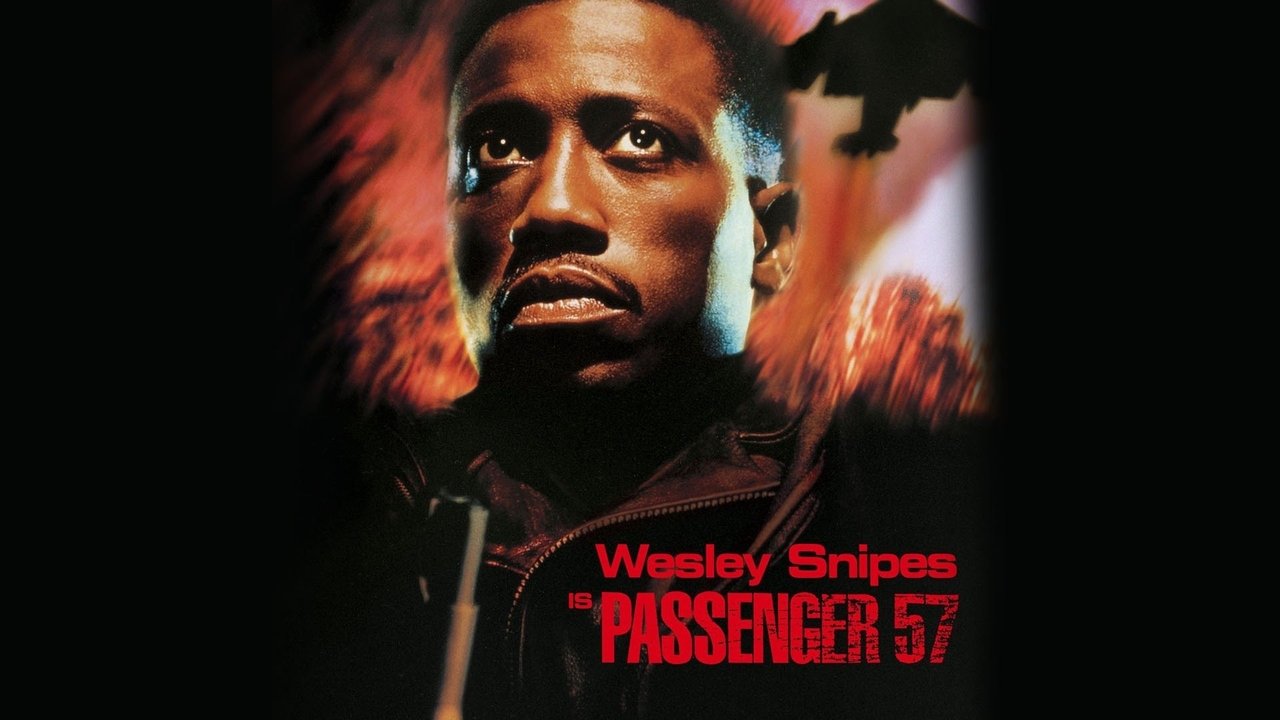
"30,000 feet. One terrorist. No exits. Always bet on black."
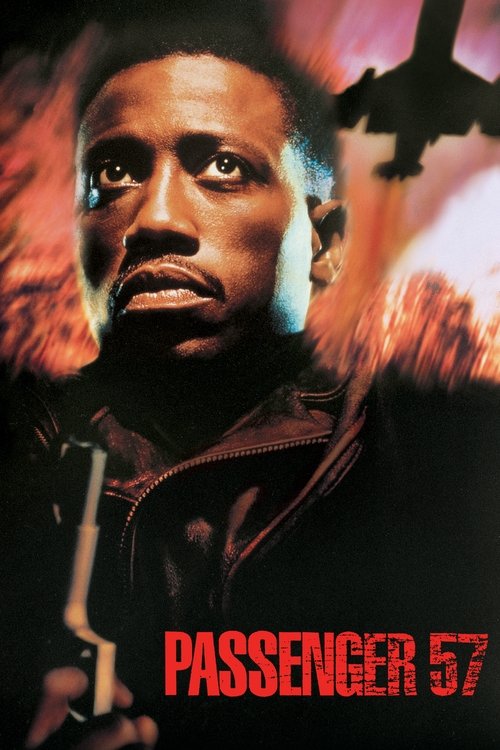
There is a specific kind of 90s efficiency that we’ve completely lost in the age of the three-hour multiverse epic. I’m talking about the "84-minute special"—a movie so lean it doesn’t even have time for a B-plot. Passenger 57 is the Olympic sprinter of action cinema. It clocks in, breaks a few ribs, delivers one of the most iconic one-liners in history, and rolls the credits before your popcorn bucket is even half-empty.
I revisited this one on a rainy Tuesday while my neighbor’s car alarm was going off in rhythmic twenty-second bursts, and honestly, the repetitive honking weirdly complemented Stanley Clarke’s (who also scored Boyz n the Hood) driving, jazzy score. It’s a film that belongs to a very specific window of time: after the beefcake era of the 80s but before CGI turned every action hero into a rubbery cartoon. This is Wesley Snipes at his absolute zenith of "cool," and frankly, 1992 Wesley Snipes had enough charisma to power a small Midwestern city for a decade.
The "Die Hard" on a Plane Blueprint
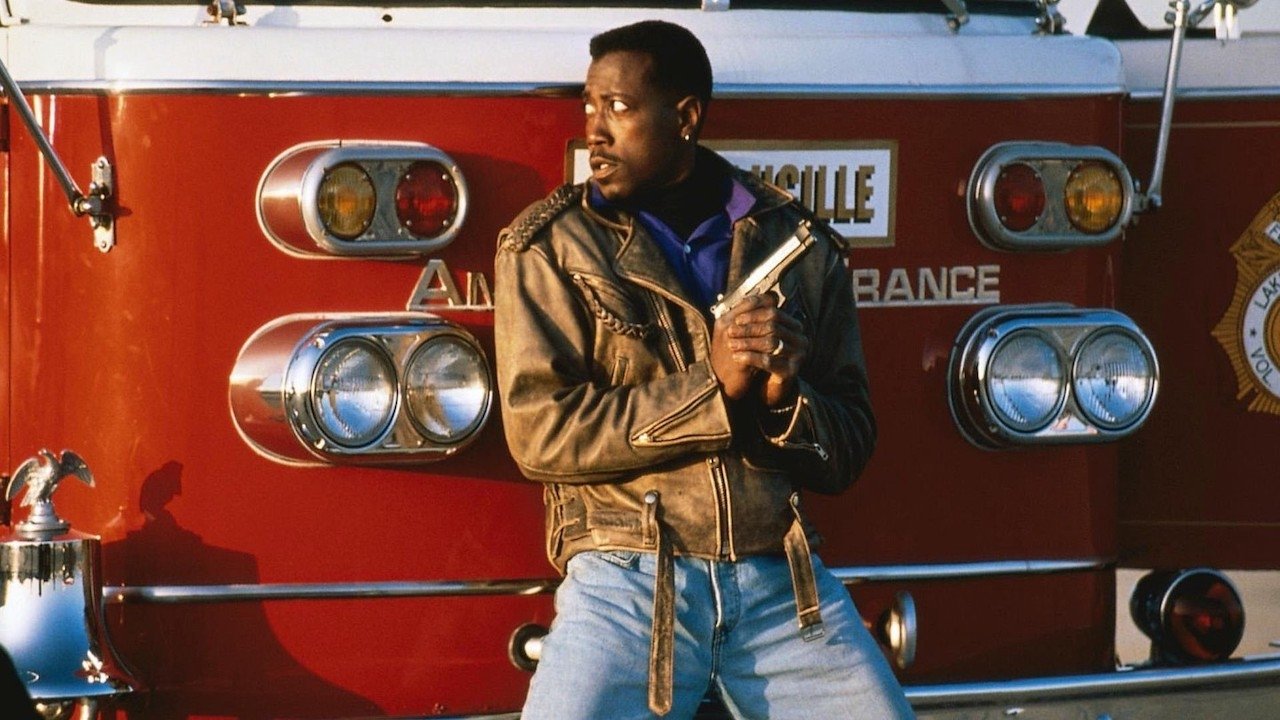
By the early 90s, every pitch in Hollywood started with "It’s Die Hard in a [insert location]." We had Die Hard on a boat (Under Siege), Die Hard on a bus (Speed), and here, we get the airborne variety. Wesley Snipes plays John Cutter, an airline security expert haunted by the "tragic past" trope (his wife was killed in a convenience store robbery). He’s taking a flight to LA for a new job, but wouldn’t you know it, he’s sharing the cabin with Charles Rane, played with delightful, icy prickliness by Bruce Payne.
Rane is "The Rane of Terror," a world-class psychopath being transported by the FBI. If you haven't seen much of Bruce Payne (who appeared in Highlander: Endgame), imagine if a high-fashion mannequin decided to start murdering people out of sheer boredom. He’s fantastic. He doesn't scream or flex; he just stares at people with these pale, predatory eyes and speaks in a whisper that makes you want to check if your throat has been slit. He makes Hans Gruber look like a huggable preschool teacher.
The film doesn't mess around with "getting to know" the passengers. Within fifteen minutes, the hijacking is underway, the FBI agents are dead, and Cutter is hiding in the overhead luggage compartments. It’s formulaic, sure, but it’s the high-fructose corn syrup of formulas—pure, addictive energy.
Practical Gravity and Martial Arts
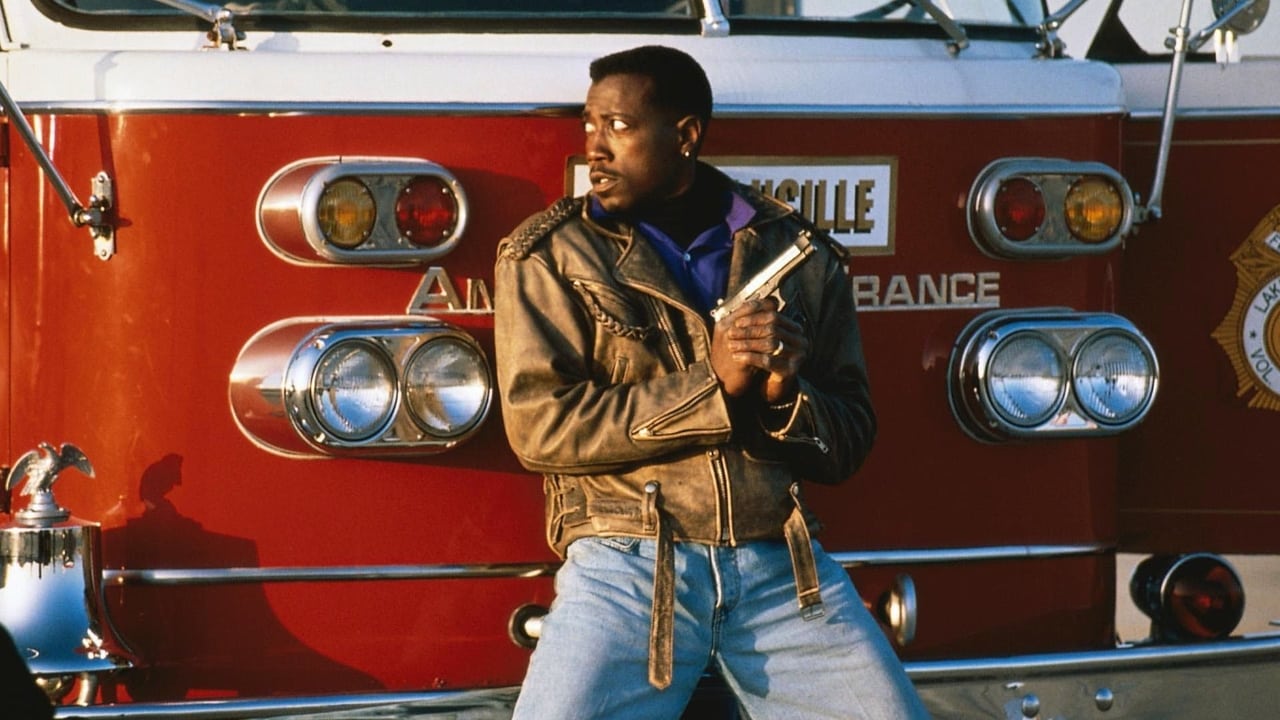
What strikes me looking back at Passenger 57 is how physical it feels. Director Kevin Hooks (who later directed Fled) keeps the camera tight and the stakes grounded, despite being six miles up. Because this was 1992, the plane shots aren't digital assets rendered in a server farm; they’re actual models and real aircraft. When the plane lands at a small Florida airfield for a mid-movie showdown at a carnival (because why not?), the transition from high-altitude thriller to swampy chase feels tactile and sweaty.
The action choreography is where the film really earns its keep. Wesley Snipes is a legitimate martial artist, and it shows. He doesn’t do the clumsy "movie punch" where you can see the three-foot gap between the fist and the jaw. He moves with a fluid, predatory grace. The fight in the airplane galley is a masterclass in using a cramped space. It’s fast, mean, and punctuated by Snipes’ incredible physical confidence.
We also get a pre-fame Tom Sizemore (before Heat or Black Hawk Down) as Sly Delvecchio, Cutter’s loudmouth friend. Sizemore basically plays himself if he had a job at an airport, providing the necessary 90s "buddy" energy while Alex Datcher holds her own as Marti, the flight attendant who actually helps Cutter instead of just screaming in the corner.
The Stuff You Didn’t Notice
Interestingly, Passenger 57 was originally envisioned as a vehicle for Sylvester Stallone or even Clint Eastwood, which would have resulted in a much slower, "grumpy old man" version of this story. When the studio pivoted to Wesley Snipes, they accidentally birthed a new kind of action star.
The Ad-Lib Legend: The famous line—"Always bet on black"—wasn't in the original script. Snipes reportedly came up with it or suggested it based on a conversation he had with the writers about gambling. It’s a line that would be incredibly cheesy coming from anyone else, but Snipes delivers it with such lethal sincerity that it became a cultural touchstone. Method Malice: Bruce Payne reportedly stayed in character throughout the shoot, staying away from the rest of the cast to maintain that aura of detached hostility. It worked; the tension between him and Snipes feels genuine. * The "57" Mystery: Why 57? It’s simply the number of the seat Cutter is assigned. It sounds like a Heinz commercial, but it gave the movie a punchier title than the original "The 57th Passenger."
Passenger 57 isn't trying to change your life or win an Oscar. It’s a lean, mean, 84-minute machine designed to show off a movie star in his prime. Looking back, it’s a refreshing reminder of a time when action movies didn't need to set up five sequels and a streaming spin-off. It’s just a cool guy in a leather jacket kicking a terrorist out of a plane. Sometimes, that’s exactly what the doctor ordered.
Keep Exploring...
-
Assassins
1995
-
Daylight
1996
-
Escape from L.A.
1996
-
Executive Decision
1996
-
The Saint
1997
-
Shaft
2000
-
Walking Tall
2004
-
Cirque du Freak: The Vampire's Assistant
2009
-
The Losers
2010
-
Wyatt Earp
1994
-
RoboCop 2
1990
-
Star Trek: Generations
1994
-
Star Trek: Insurrection
1998
-

Space Cowboys
2000
-
Vertical Limit
2000
-
Final Fantasy: The Spirits Within
2001
-
Star Trek: Nemesis
2002
-

Paycheck
2003
-
Sky Captain and the World of Tomorrow
2004
-
Assault on Precinct 13
2005