Reservoir Dogs
"Talk is cheap. Professionalism is expensive. Blood is everywhere."
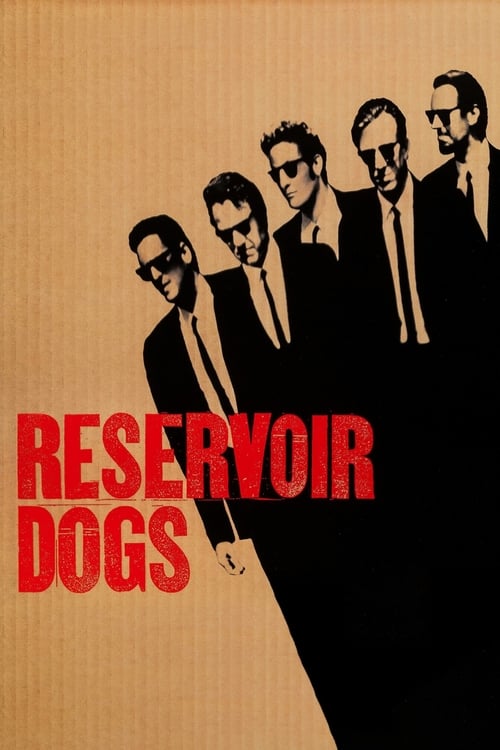
The air in that warehouse doesn’t just feel stale; it feels heavy with the scent of copper and industrial cleaner. Most heist movies are obsessed with the "how"—the lasers, the blueprints, the synchronized watches. But when I sat down to revisit Reservoir Dogs, I realized that Quentin Tarantino didn’t care about the diamonds at all. He cared about the sweating, the bleeding, and the agonizing minutes after the plan falls apart. I watched this most recently while trying to finish a bowl of particularly crunchy cereal, and the sound of my own chewing felt like an intrusion on the high-wire tension of the "dead air" between the characters.
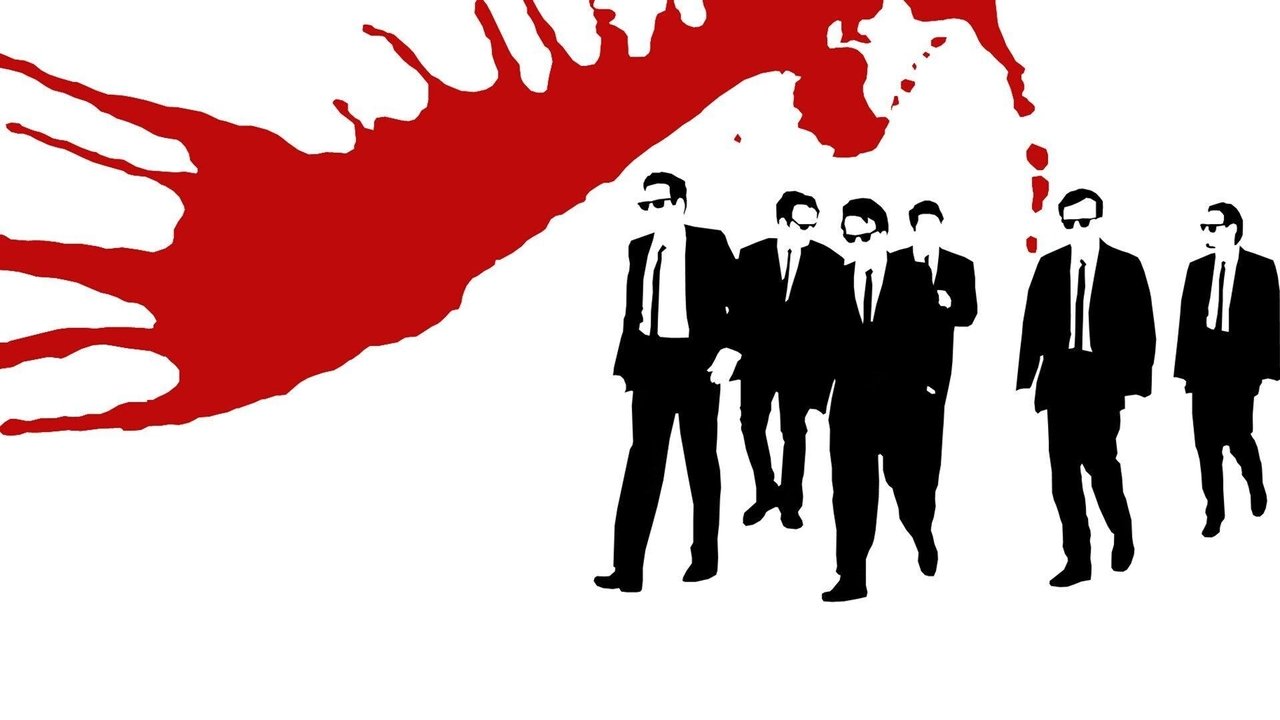
This wasn't just a movie in 1992; it was a tectonic shift. Released during the height of the indie film renaissance, it proved that you didn't need a $50 million budget to blow the roof off a theater. You just needed a few guys in cheap black suits, a single location, and a script that crackled like a live wire.
The Purgatory of the Warehouse
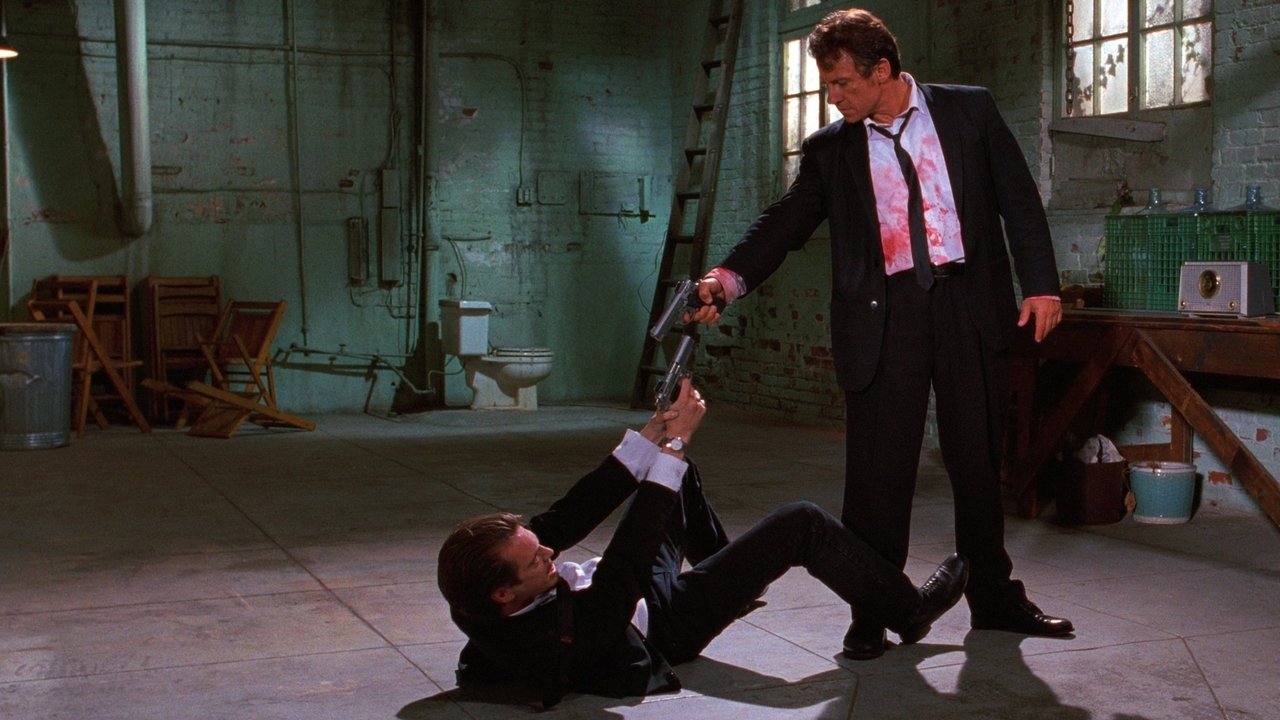
The genius of the screenplay lies in what it hides. By skipping the actual robbery, Tarantino transforms a crime thriller into a claustrophobic stage play. We only see the jagged edges of the aftermath. We see Tim Roth as Mr. Orange, bleeding out in a way that feels dangerously real—his white shirt becoming a roadmap of a botched job.
The warehouse acts as a pressure cooker. Because we never saw the "professional" version of these men, we only know them as they unravel. Harvey Keitel, who basically willed this movie into existence by putting his own money and reputation on the line, plays Mr. White with a weary paternalism that anchors the film. His chemistry with Roth is the movie's beating heart, a tragic bond built on a foundation of lies. White wants to believe in a code of honor that simply doesn't exist in the world of Joe Cabot (Lawrence Tierney). To me, the tragedy isn't that they got caught; it's that White’s misplaced loyalty is the very thing that ensures everyone’s destruction.
A Masterclass in Abrasive Persona
While the film is famous for its dialogue—the "Like a Virgin" debate, the "Why do I have to be Mr. Pink?" gripe—the performances are what prevent the "cool" factor from becoming hollow. Steve Buscemi is a revelation here. As Mr. Pink, he is the only one actually behaving like a professional, yet the movie treats his pragmatism as a form of cowardice. He’s the "weasel," yet he’s the only one with his head on straight.
Then there’s Michael Madsen. His portrayal of Mr. Blonde is a chilling reminder that "cool" can quickly turn into "revolting." The infamous ear-cutting scene, set to the upbeat "Stuck in the Middle with You," remains one of the most effective uses of needle-drop music in cinema history. It’s not just the violence that disturbs; it’s the casual, rhythmic dance he does before he starts. Mr. Blonde is less a character and more a manifestation of the senselessness that lurking behind every "tough guy" trope.
The way the camera pans away during the actual mutilation is a classic indie-budget workaround that actually increases the horror. Our imagination fills in the gaps that a $1.2 million budget couldn't afford to show with top-tier prosthetics. It’s a reminder that sometimes a director's empty pockets are a gift to the audience’s nightmares.
The Scrappy Architecture of a Legend
Looking back, the "Modern Cinema" era was defined by these breakthroughs—films that felt like they were made by people who spent more time in video stores than in film schools. The production of Reservoir Dogs is a legendary story of hustle. The budget was so tight that many of the actors wore their own clothes. That iconic "Nice Guy" Eddie tracksuit worn by Chris Penn? That was his. The warehouse itself was an old, abandoned mortuary (which explains the heat and the gloom).
Tarantino’s decision to use a non-linear structure was groundbreaking for a crime flick at the time, though it feels standard now. By jumping back to the recruitment and the training, he gives us a sense of inevitability. We see these men laughing in a diner, knowing they are already dead men walking. It’s a cynical, sharp, and intensely masculine world where the only thing cheaper than the suits is the talk.
This film hasn't aged into a "classic" in the dusty, museum sense. It still feels dangerous. It still feels like a movie that’s trying to pick a fight with you. While the 90s saw a flood of Tarantino imitators who thought "cool" just meant "guns and pop culture references," none of them captured the sheer, sweaty desperation of this debut.
Reservoir Dogs is a miracle of economy and style. It’s a film that understands that the most interesting part of a crime isn't the getaway—it's the moment the participants realize the door is locked from the outside. If you haven't seen it, or haven't seen it lately, turn off your phone, ignore your itchy socks, and let the K-Billy’s Super Sounds of the 70s wash over you. It’s as sharp as a straight razor.

Keep Exploring...
-

Jackie Brown
1997
-

Kill Bill: Vol. 2
2004
-

Pulp Fiction
1994
-
Kill Bill: Vol. 1
2003
-

Kill Bill: The Whole Bloody Affair
2011
-
Bound
1996
-
Inglourious Basterds
2009
-
Hard Boiled
1992
-
Felon
2008
-

Blood and Bone
2009
-
Undisputed III: Redemption
2010
-

Miller's Crossing
1990
-
Fargo
1996
-
Donnie Brasco
1997
-
Irreversible
2002
-

The Chaser
2008
-

The Man from Nowhere
2010
-
The Raid
2012
-
The Raid 2
2014
-
From Dusk Till Dawn
1996