Scent of a Woman
"Life is a tango—if you get tangled up, you just tango on."
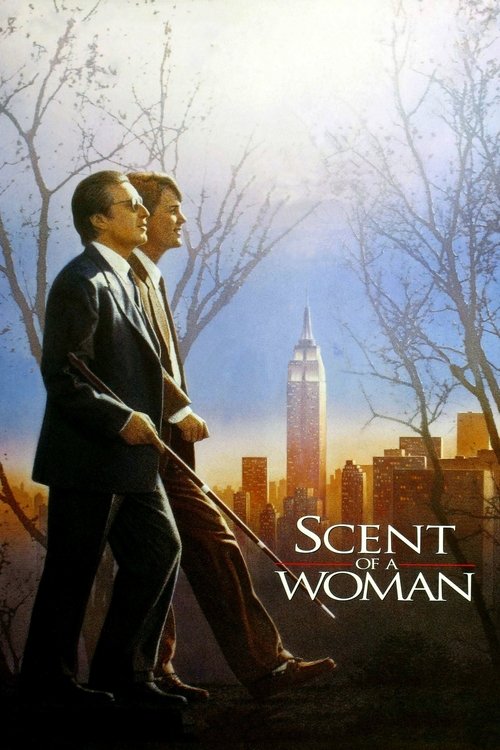
I first watched Scent of a Woman on a borrowed DVD while eating a bag of slightly stale pretzel sticks that I’m convinced were leftover from the Reagan administration. Every time Al Pacino let out one of his signature "Hoo-ah!" barks, my cat jumped nearly three feet in the air. Looking back, that’s a pretty accurate microcosm of the film itself: it’s loud, it’s a little bit of a relic, and it demands you pay attention, whether you want to or not.
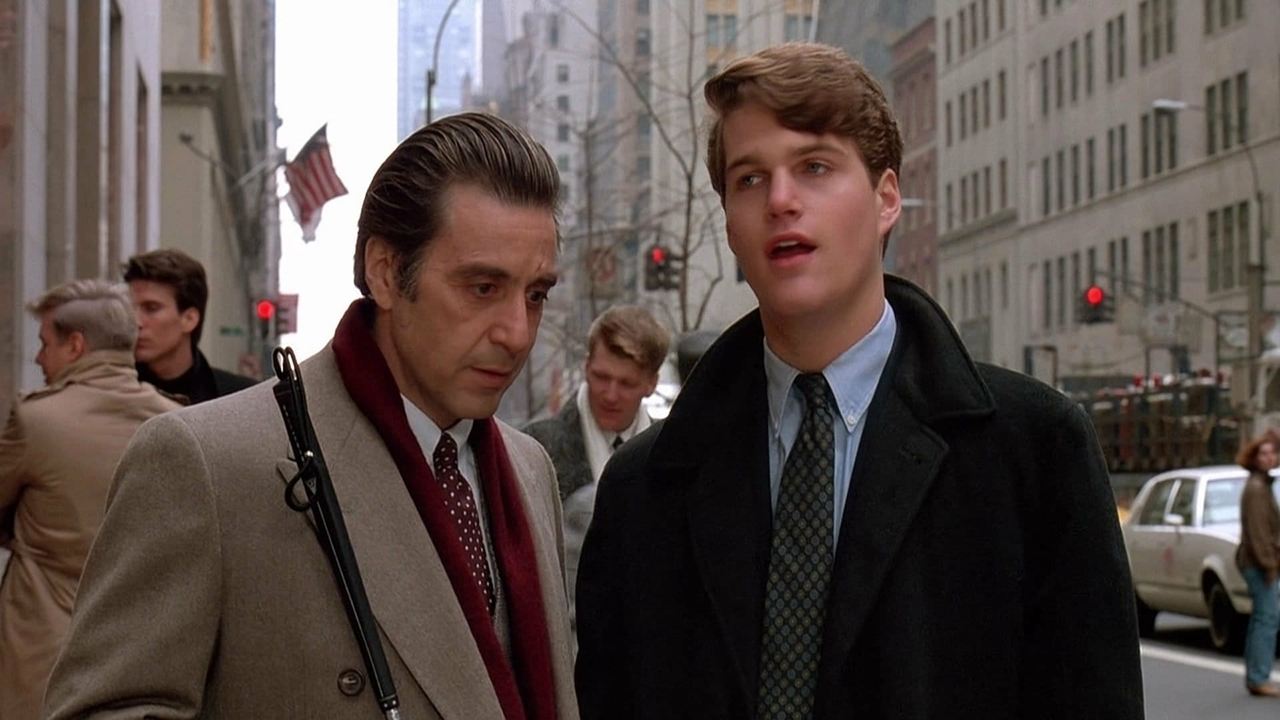
Released in 1992, this was the movie that finally secured Al Pacino his long-overdue Academy Award for Best Actor. To some, it felt like a "lifetime achievement" prize wrapped in a single performance. But re-watching it now, away from the awards-season noise of the early 90s, I find it’s a much stranger, more thoughtful beast than the "prestige drama" label suggests. It’s a film about the precise moment a person decides whether or not they still belong in the world.
The Volume of a Shattered Soul
The plot is deceptively simple: Charlie Simms (Chris O'Donnell), a scholarship kid at a posh prep school, takes a Thanksgiving job "babysitting" a blind, retired Lieutenant Colonel named Frank Slade (Al Pacino). Charlie thinks he’s getting a quiet weekend of caretaking; instead, he’s whisked away to New York City for a luxury swan song. Frank has a plan involving fine wine, the Waldorf-Astoria, a Ferrari, and a loaded .45.
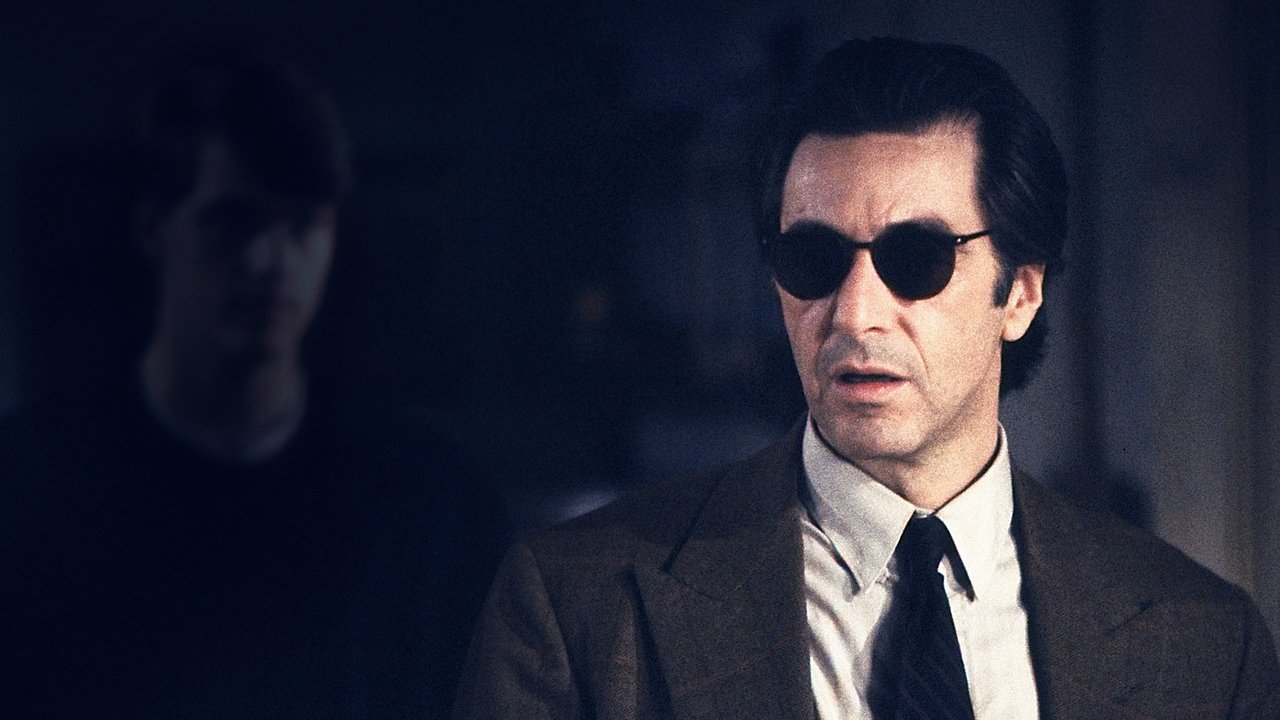
Pacino’s performance is polarizing. By 1992, he had fully transitioned into his "Late Pacino" phase—the quiet intensity of The Godfather replaced by a volcanic, scenery-chewing bravado. He’s playing Frank Slade as a man who is performing his own masculinity to keep from falling apart. It’s a loud performance because Frank is terrified of the silence that blindness and isolation bring. When he’s barking at Charlie or flirting with a stranger, he’s proving he still exists.
But there are quiet moments that hit harder. When Frank is sitting alone in a dark hotel room, his face sagging with the realization that he’s reached the end of his "itinerary," the volume drops. That’s where the real acting happens. It’s a study in how a man who valued "vision" and "leadership" above all else navigates a world that no longer has a rank for him.
The Integrity of the "Baird Boy"
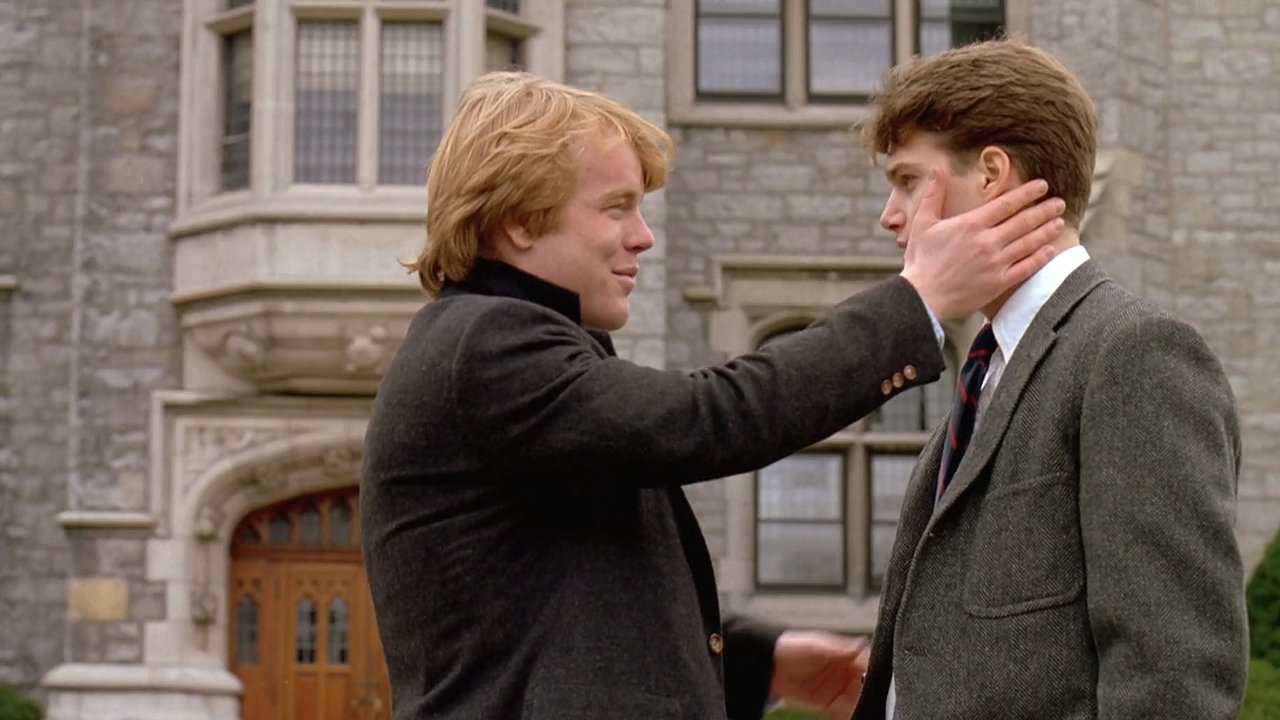
While Pacino is the sun that the entire film orbits, Chris O'Donnell does the heavy lifting as the audience surrogate. It’s easy to dismiss his performance as "bland," but he’s playing a kid who is paralyzed by a moral dilemma. Back at his school, a group of wealthy bullies (led by a young, deliciously punchable Philip Seymour Hoffman) has pulled a prank on the headmaster (James Rebhorn). Charlie saw it. If he snitches, he gets a free ride to Harvard. If he stays silent, he’s expelled.
This subplot often feels like it belongs in a different movie, yet it’s the philosophical anchor. The film asks: what is the "right" path? Frank Slade has spent a lifetime taking the "hard right" and has ended up blind and alone in a small shack behind his niece's house. Charlie is at the start of that same journey. The movie is a two-and-a-half-hour negotiation of the soul. I’ve always found the connection between these two—a man with no future and a boy with an uncertain one—to be surprisingly moving, even if the runtime is about 20 minutes longer than it needs to be.
Style, Grace, and the Ferrari
Director Martin Brest, who previously gave us the kinetic energy of Beverly Hills Cop, slows things down here to let the characters breathe. The cinematography by Donald E. Thorin captures a New York that feels autumnal and golden, a city of high-end interiors that feel like gilded cages.
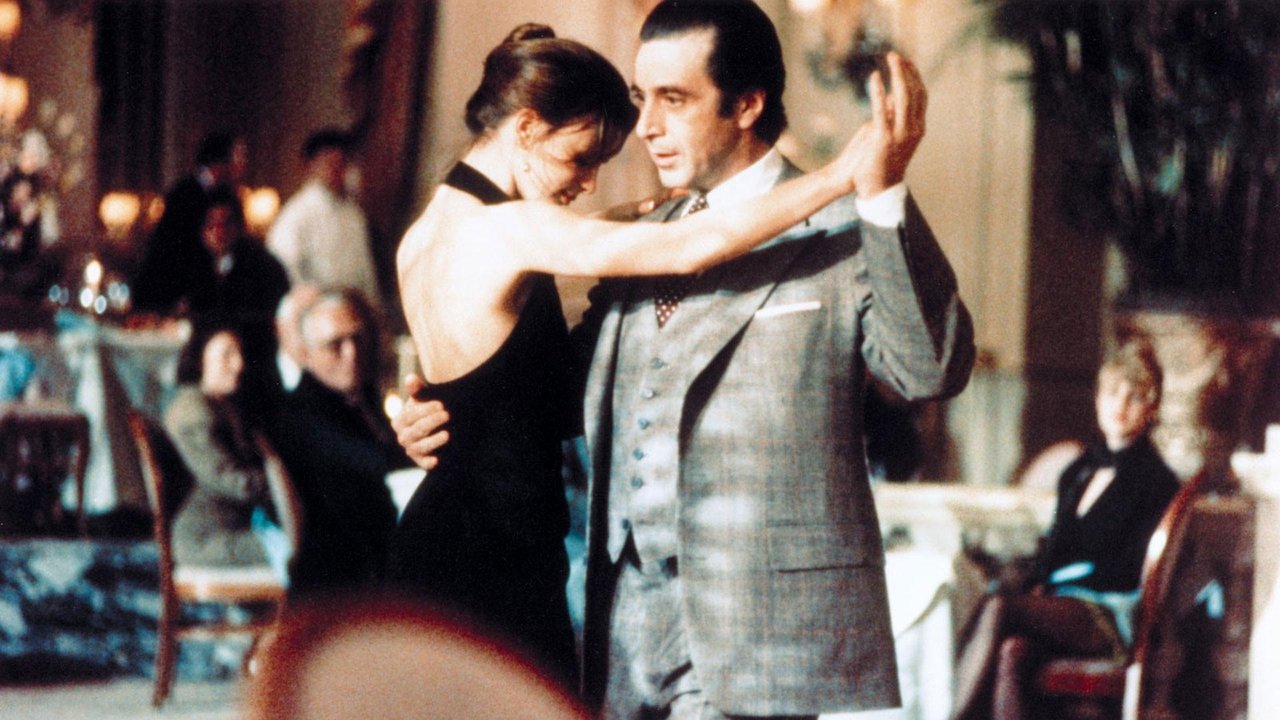
Then, of course, there is "The Tango." It’s the scene everyone remembers, and for good reason. Frank’s dance with Donna (Gabrielle Anwar) in the restaurant is the film’s high-water mark. It’s a sequence about sensory intuition and the refusal to be limited by circumstance. Apparently, Al Pacino and Gabrielle Anwar rehearsed that choreography for two weeks, and the effort shows. It’s the one moment where Frank isn’t a "cantankerous old soldier"; he’s just a man who is purely, elegantly alive.
A bit of trivia that always sticks with me: Pacino stayed in character throughout the shoot, refusing to let his eyes focus on anything. He reportedly tripped over a bush and injured his eye during production because he simply wouldn't look where he was going. That’s the kind of Method acting commitment that borders on a health hazard, but it’s what gives Frank that haunting, "thousand-yard stare" that feels so authentic.
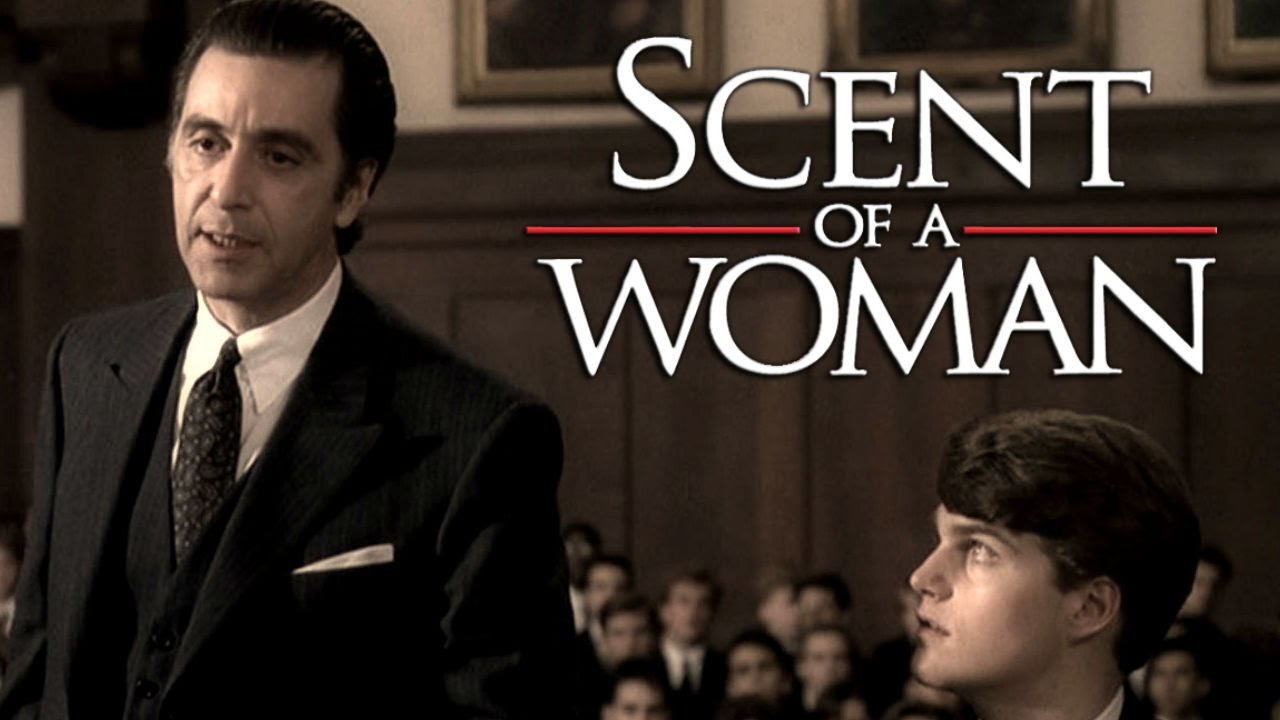
Scent of a Woman is a quintessential 90s prestige drama—long, talky, and unashamedly emotional. While the final "courtroom" scene at the school is a bit over-the-top (Pacino essentially turns a disciplinary hearing into a one-man Broadway show), it’s the kind of "movie magic" we don't get much of anymore. It treats moral integrity like a high-stakes thriller. It’s a film that asks us to look at the people we’ve discarded and wonder if they might still have a dance or two left in them. If you can handle the "Hoo-ahs," it’s a trip worth taking.
Keep Exploring...
-
Carlito's Way
1993
-
Meet Joe Black
1998
-
Dances with Wolves
1990
-
Before Sunrise
1995
-

Dilwale Dulhania Le Jayenge
1995
-
Heat
1995
-
Boogie Nights
1997
-
A Walk to Remember
2002
-
Into the Wild
2007
-
There Will Be Blood
2007
-

Flipped
2010
-
The Help
2011
-

Warrior
2011
-
Dallas Buyers Club
2013
-
La Haine
1995
-
Awakenings
1990
-
A Few Good Men
1992
-
Glengarry Glen Ross
1992
-
Malcolm X
1992
-
My Cousin Vinny
1992