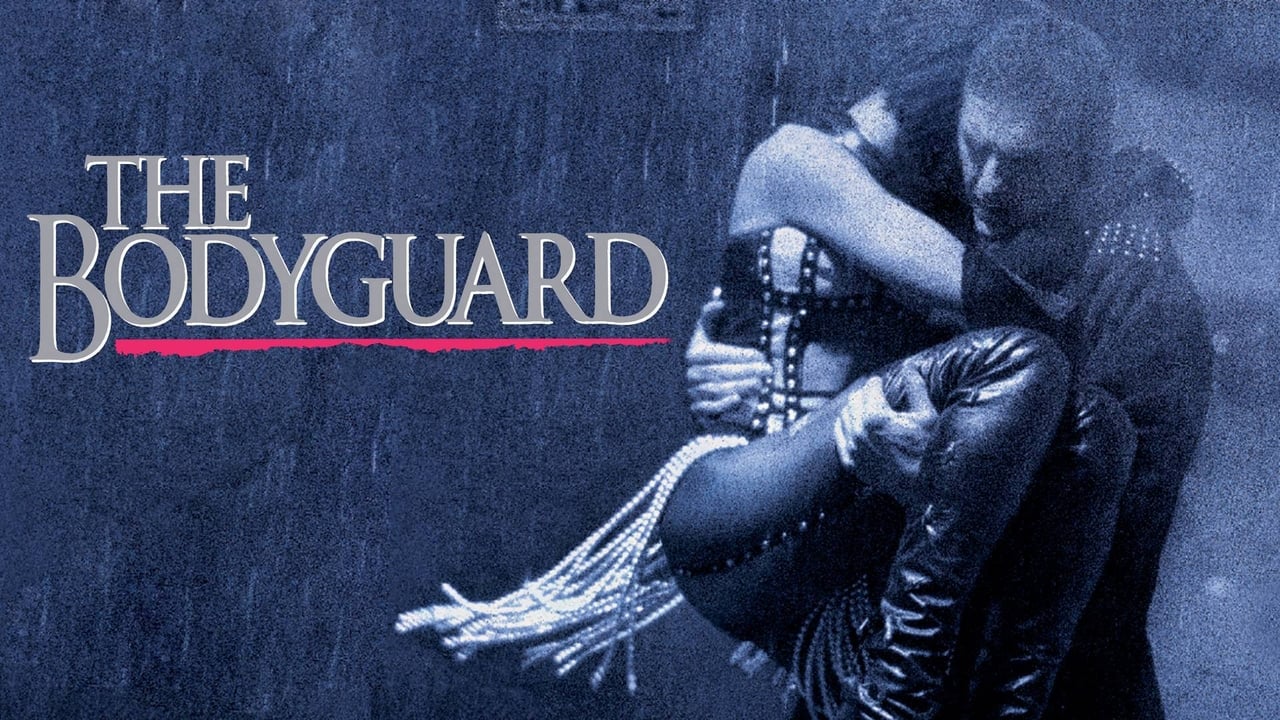
The Bodyguard
"The job is protection. The problem is chemistry."
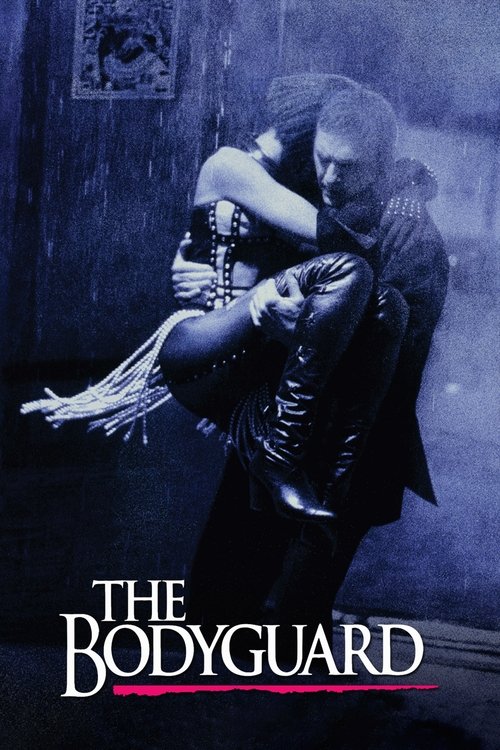
It took sixty-seven rejections and nearly twenty years for Lawrence Kasdan’s script to finally hit the screen. Originally written in the mid-70s as a vehicle for Steve McQueen and Diana Ross, The Bodyguard eventually landed in the lap of Kevin Costner, who was riding an untouchable wave of post-Dances with Wolves (1990) influence. Looking back at 1992, this wasn't just a movie; it was a gravity well that pulled in every radio station, tabloid, and box office dollar in its path.

I recently revisited this one while my roommate was in the next room loudly failing to assemble a flat-pack IKEA bookshelf. Every time he dropped a metal cam lock, the "clink" synchronized perfectly with the metallic sounds of Kevin Costner’s character cleaning his glock, and honestly, it added a layer of suburban tension that the film’s stalker plot almost lacked.
A Relic of the Star-Power Era
The Bodyguard is the ultimate "Modern Cinema" transition piece. It sits right on the edge of the analog era, where a film could dominate the cultural conversation simply by pairing two massive icons and letting them stare at each other. There’s no CGI here to fix a weak performance or inflate an action sequence. It’s all practical, physical, and deeply rooted in the charisma of its leads.
Kevin Costner plays Frank Farmer, a man whose personality is roughly the texture of a concrete barrier. He’s a former Secret Service agent who treats life like a series of sightlines and exit strategies. Then you have Whitney Houston as Rachel Marron. This wasn't just a singer trying to act; it was the world’s biggest vocal powerhouse playing a version of herself. Houston is surprisingly natural on screen, capturing the exhausting, gilded cage of 90s superstardom. Her chemistry with Costner is the "will-they-won't-they" engine that keeps a 129-minute movie from stalling. In fact, Costner’s haircut in this movie is an architectural marvel of the early 90s, a crew-cut so sharp you could probably use it to level a pool table.
Staging the Chaos
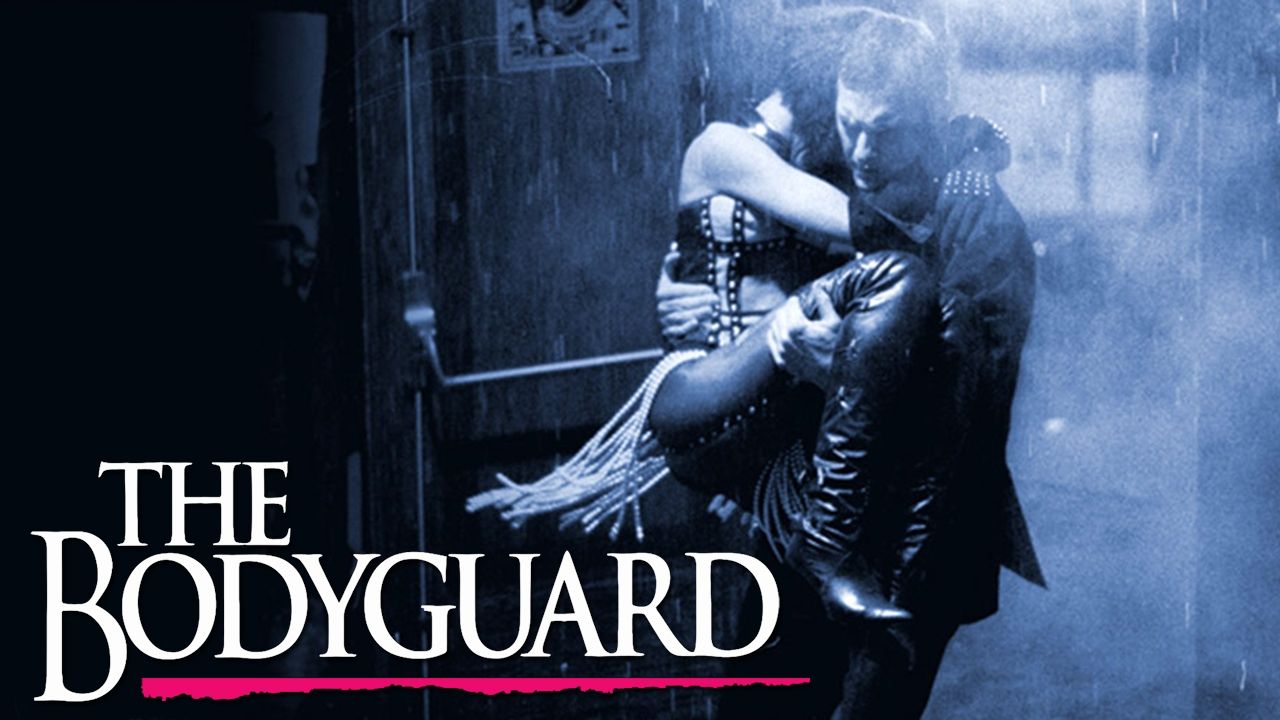
While many remember this as a romance, director Mick Jackson—who previously gave us the quirky L.A. Story (1991)—actually treats the action with a cold, clinical eye. The action choreography isn't about flashy martial arts; it’s about the frantic, messy reality of crowd control.
The standout sequence for me is the concert at the Mayan Club. The way the camera stays low, trapped in the sea of reaching hands, makes the threat feel legitimate. When Frank leaps onto the stage to carry Rachel through the mob, it’s not a "superhero" moment. You see the strain, the sweat, and the genuine panic. This is practical stunt work at its best—real bodies, real height, and the palpable sense of a crowd turning into a riot. Jackson and cinematographer Andrew Dunn (who later worked on Precious) use long lenses to make us feel like the stalker, peering through the glitz to find the vulnerability.
The film’s climax at the Academy Awards is equally well-staged. It’s a sequence that captures that pre-9/11 anxiety where the threat wasn't a global conspiracy, but a single, obsessed individual with a clear line of sight. It’s also notable for the villain’s motivation being hilariously petty in the grand scheme of cinema, proving that sometimes a movie just needs a focused grudge to keep the stakes high.
The Soundtrack That Ate the World
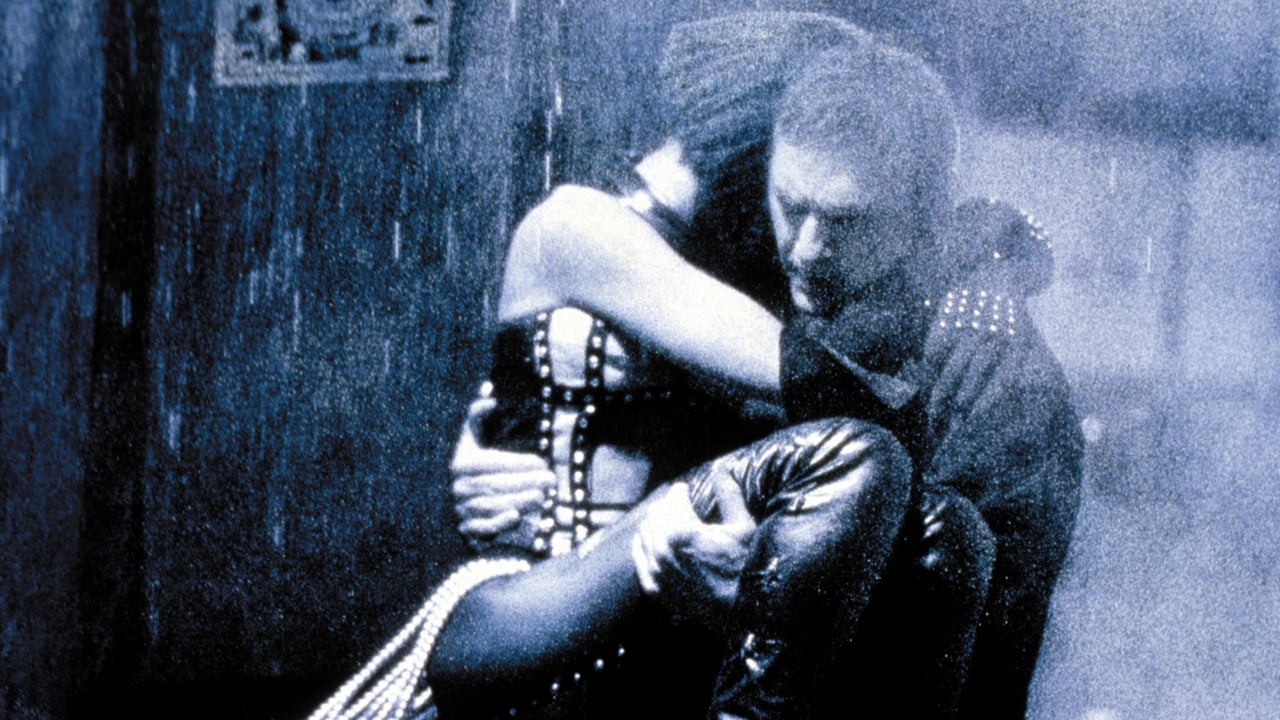
We have to talk about the music. You cannot separate The Bodyguard from its soundtrack, which remains the best-selling of all time. It’s the ultimate "DVD culture" artifact—the kind of movie people bought just to hear the high notes in the final act through their brand-new home theater speakers.
The decision to have Whitney Houston sing "I Will Always Love You" acapella for the first forty-five seconds was actually Kevin Costner’s idea. Looking back, that choice is what transformed a standard cover of a Dolly Parton tune into a cultural earthquake. In the context of the film, it serves as the emotional punctuation for Frank and Rachel’s impossible romance. It’s a rare moment where a pop song actually enhances the narrative arc of the "tough guy" learning to let his guard down.
The supporting cast does a lot of the heavy lifting while the leads are busy smoldering. Bill Cobbs (from The Hudsucker Proxy) brings a weary dignity as the manager who knows he’s out of his depth, and Tomas Arana (who we’d later see in Gladiator) plays the rival bodyguard Greg Portman with a sneering, professional coldness that makes him the perfect foil for Frank.
The Bodyguard is a fascinating time capsule. It’s a film that shouldn’t work—it’s a bit too long, the dialogue can be clunky, and the plot is essentially a glossy soap opera. But the sheer gravitational pull of its stars, combined with a genuine respect for the craft of protection and a legendary soundtrack, makes it endlessly watchable. It represents an era where Hollywood believed that a stoic man, a talented woman, and a well-placed song were all you needed to conquer the world. It’s a high-gloss, high-stakes romance that knows exactly what it is, and forty-five million soundtrack sales later, it’s hard to argue with the results.
Keep Exploring...
-

Legends of the Fall
1994
-

Robin Hood: Prince of Thieves
1991
-
Volcano
1997
-
Wyatt Earp
1994
-
Batman: Mask of the Phantasm
1993
-
The Quick and the Dead
1995
-

Crouching Tiger, Hidden Dragon
2000
-
First Knight
1995
-
Bird on a Wire
1990
-
Ghost
1990
-
Forever Young
1992
-
Patriot Games
1992
-
In the Line of Fire
1993
-

Indecent Proposal
1993
-
Sleepless in Seattle
1993
-
The Fugitive
1993
-
The Three Musketeers
1993
-
The Net
1995
-
Phenomenon
1996
-

Romeo + Juliet
1996