The Hand That Rocks the Cradle
"The perfect nanny has a perfect motive."
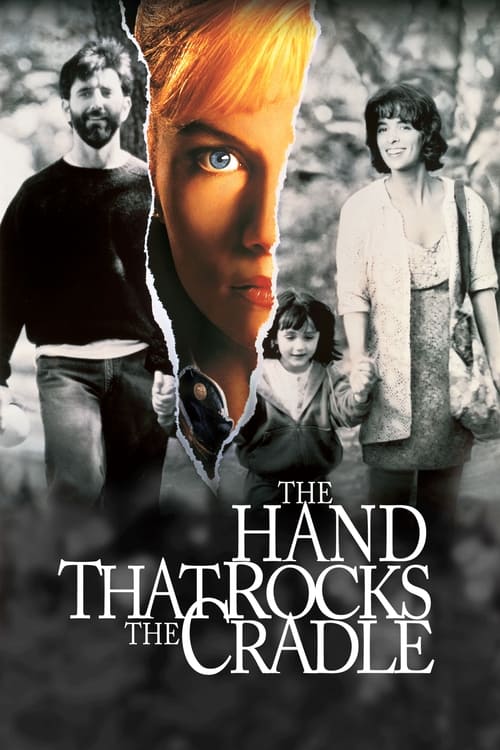
There is a particular kind of 1990s chill that doesn’t involve ghosts, masked slashers, or jump scares. Instead, it involves a perfectly coordinated beige sweater, a glass of lemonade, and a smile that doesn’t quite reach the eyes. It’s the terror of the domestic space—the realization that the person you’ve invited into your home to protect your children is actually systematically dismantling your life. I watched this recently on a grainy old DVD while my neighbor was loudly practicing the bagpipes, and honestly, the bagpipes were less discordant than the psychological warfare on screen.
The Invasion of the Perfect Nanny
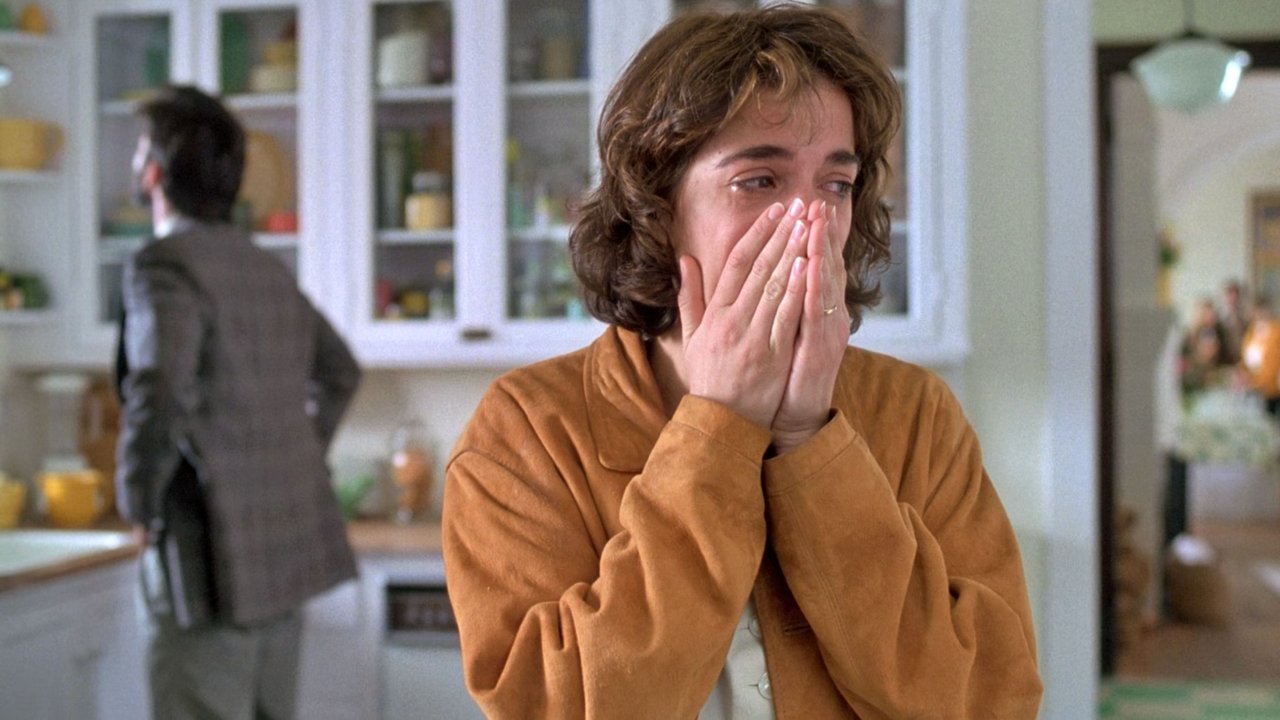
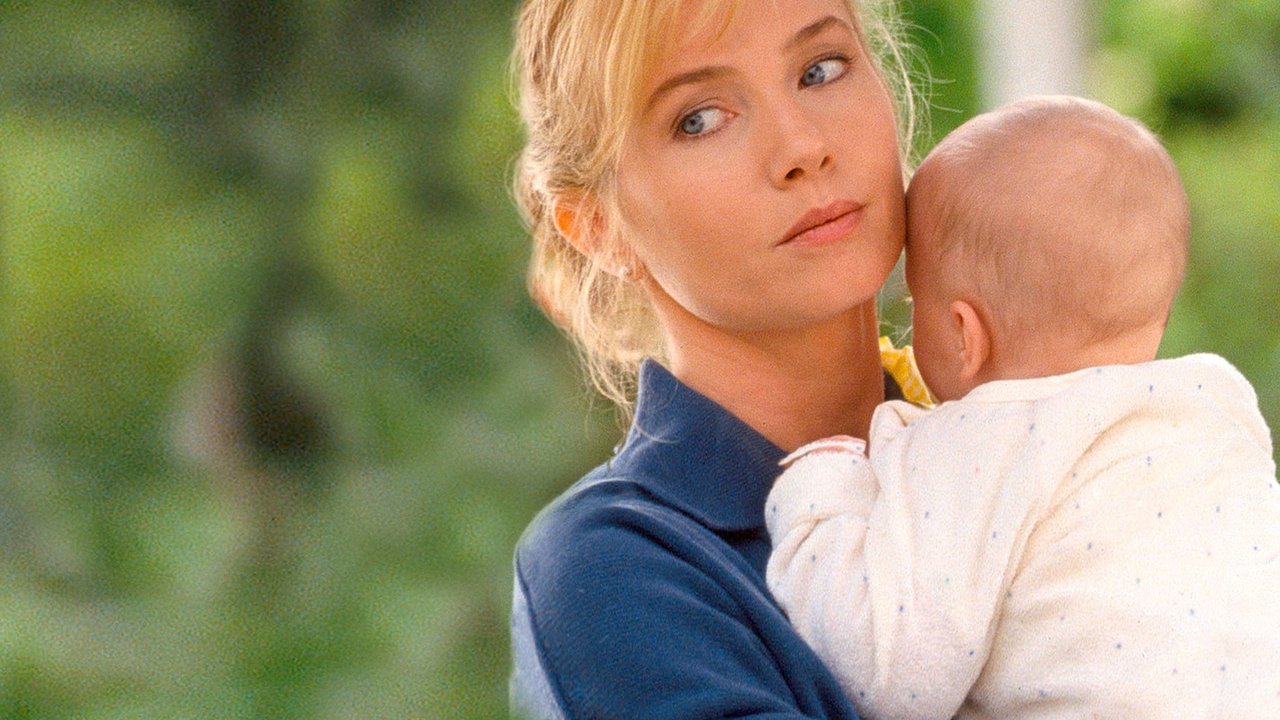
Released in early 1992, The Hand That Rocks the Cradle tapped into a very specific set of suburban anxieties. It arrived during that fascinating transition from the neon-soaked excess of the 80s to the more grounded, "coffee shop" aesthetic of the early 90s. The plot is deceptively simple: Claire Bartel (Annabella Sciorra, who many will recognize from her later intense turn in The Sopranos) is a stay-at-home mom who reports her OB-GYN for sexual misconduct. The doctor subsequently kills himself, causing his pregnant wife, Peyton (Rebecca De Mornay), to miscarry. Seeking a cold, calculated revenge, Peyton reinvented herself as a nanny and infiltrated the Bartel household.
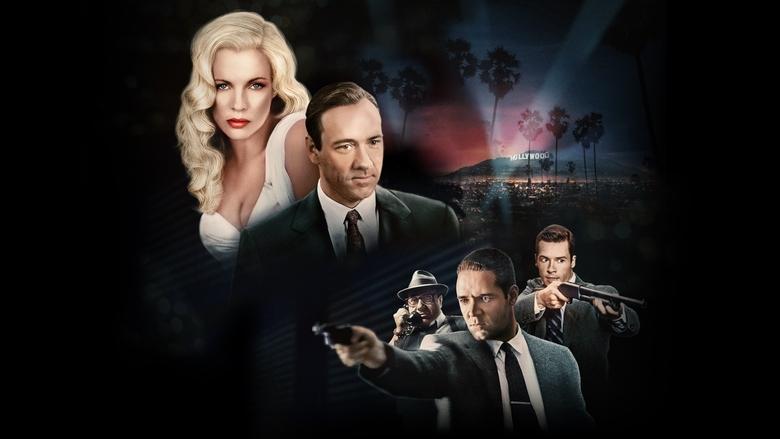
What makes this work so much better than your average Lifetime movie is the direction by Curtis Hanson. Before he became a critical darling with L.A. Confidential (1997), Hanson was a master of the "yuppies in peril" subgenre. He understands that for a thriller like this to land, the house itself has to feel like a character. The Bartel home is beautiful, airy, and full of glass—the perfect place for a predator to hide in plain sight.
De Mornay’s Icy Calculation
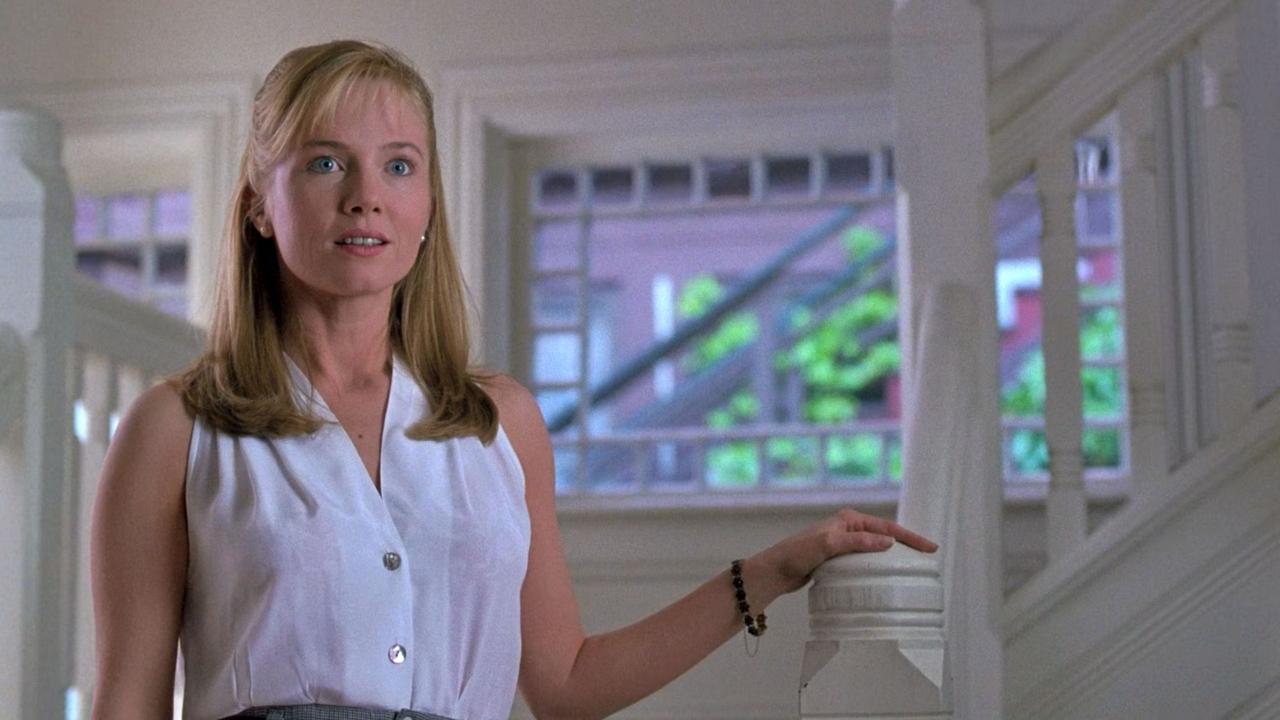
The film lives or dies on the performance of Rebecca De Mornay, and she is absolutely terrifying. This isn't the campy, scenery-chewing villainy we saw in something like Mommie Dearest. Peyton is precise. She is a master of gaslighting long before that term was overused in every internet comment section. She doesn’t just want to kill Claire; she wants to replace her. She wants Claire’s husband, Claire’s children, and even Claire’s sense of sanity. Rebecca De Mornay is doing the Lord’s work here making "organized" look like a personality disorder.
Opposite her, Annabella Sciorra plays the "victim" with a surprising amount of grit. You feel her frustration as Peyton slowly turns her family against her. Then there’s the supporting cast, which is a total 90s time capsule. A pre-stardom Julianne Moore (who later stunned in Boogie Nights) plays the cynical best friend, Marlene. She’s the only one with a functioning "BS meter," and her banter provides a necessary bridge between the domestic bliss and the impending doom. And we can’t forget Ernie Hudson, beloved by all as Winston in Ghostbusters, who plays Solomon, the developmentally disabled handyman. While the portrayal of his character feels a bit dated by today’s standards, Hudson brings a warmth and a moral compass to the film that it desperately needs.
A Relic of Pre-Google Paranoia
Looking back at this film in the digital age is a wild experience. The entire plot hinges on the fact that you couldn't just Google your nanny in 1992. Today, Peyton wouldn't make it past the first background check or a quick scroll through a "Moms of Seattle" Facebook group. The husband, Michael Bartel (played by Matt McCoy), is the cinematic equivalent of unflavored gelatin, and his inability to see through Peyton’s transparent manipulation is one of those things you just have to accept as a genre convention.
The script by Amanda Silver—who later went on to pen blockbusters like Jurassic World and Rise of the Planet of the Apes—is a lesson in escalation. It starts with small things, like a misplaced inhaler or a whispered lie to a toddler, and builds to a climax involving a greenhouse and a shovel that still manages to get my heart rate up. It’s a film that understands that the most "visceral" (oops, I almost used the forbidden word—let's go with "gut-punching") fear for a parent isn't a monster under the bed; it's the person holding the baby monitor.
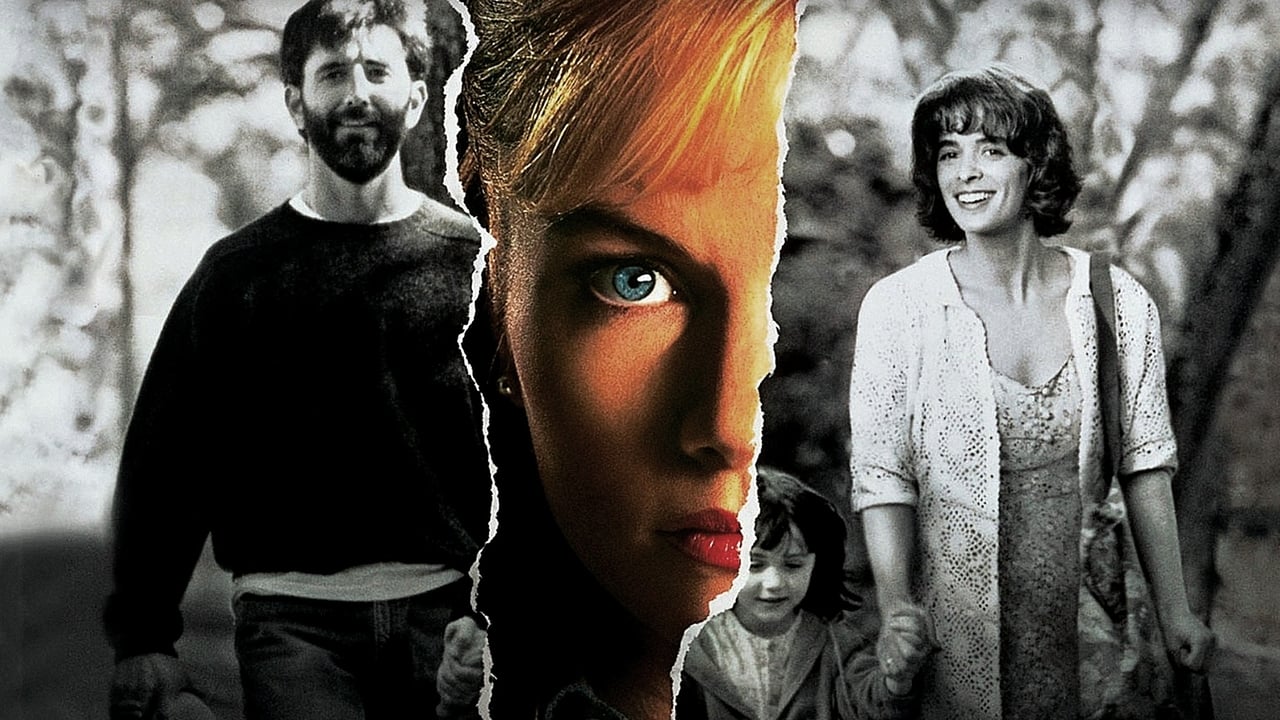
The film was a massive hit, earning over $88 million on an $11 million budget, proving that audiences were hungry for thrillers that hit close to home. It sparked a wave of "the [blank] from hell" movies, but few did it with this much polish. It’s also worth noting the score by Graeme Revell, which uses these tinkling, nursery-rhyme motifs that make you never want to hear a lullaby ever again.
The Hand That Rocks the Cradle is a masterclass in 90s tension that survives its occasionally melodramatic tropes thanks to stellar performances. While it might make you want to install sixteen security cameras and never hire a babysitter again, it remains an incredibly effective piece of popcorn cinema. It’s the kind of movie that reminds you why we love the theater—and why we always lock our doors when we get home.
***
Trivia Note: Apparently, Rebecca De Mornay stayed in character on set to maintain her cold edge, which must have made craft services very awkward for everyone else. If you look closely during the greenhouse scenes, the level of detail in the practical plant effects is actually quite impressive for a film that didn't rely on the burgeoning CGI of the era.
Keep Exploring...
-

The River Wild
1994
-
L.A. Confidential
1997
-
Backdraft
1991
-

Miller's Crossing
1990
-
Barton Fink
1991
-

Double Impact
1991
-
Candyman
1992
-
The Player
1992
-
The Good Son
1993
-
The Client
1994
-

Hackers
1995
-
Strange Days
1995
-
The Quick and the Dead
1995
-
Courage Under Fire
1996
-
Breakdown
1997
-
Cop Land
1997
-
Kiss the Girls
1997
-
The Rainmaker
1997
-
In Her Shoes
2005
-
Chloe
2010