The Last of the Mohicans
"The frontier burns, and the silence screams."
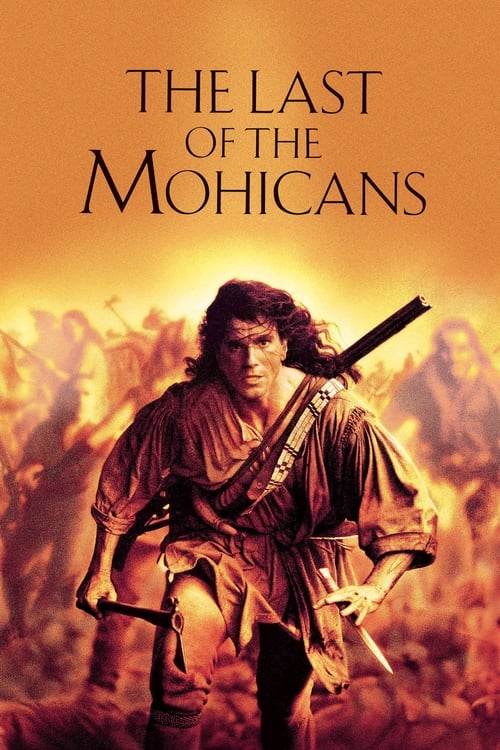
The 18th-century frontier wasn't just a place of trees and tall grass; in Michael Mann’s hands, it’s a character that wants to swallow you whole. Long before digital color grading turned every historical drama into a muddy grey soup, The Last of the Mohicans arrived in 1992 with a visual palette that felt like a Renaissance painting caught in a thunderstorm. I sat down to re-watch this recently with a lukewarm cup of chamomile tea—a drink entirely too polite for a film that opens with the thud of a lead ball hitting a tree trunk—and was immediately reminded why this remains the gold standard for the "analog" epic.
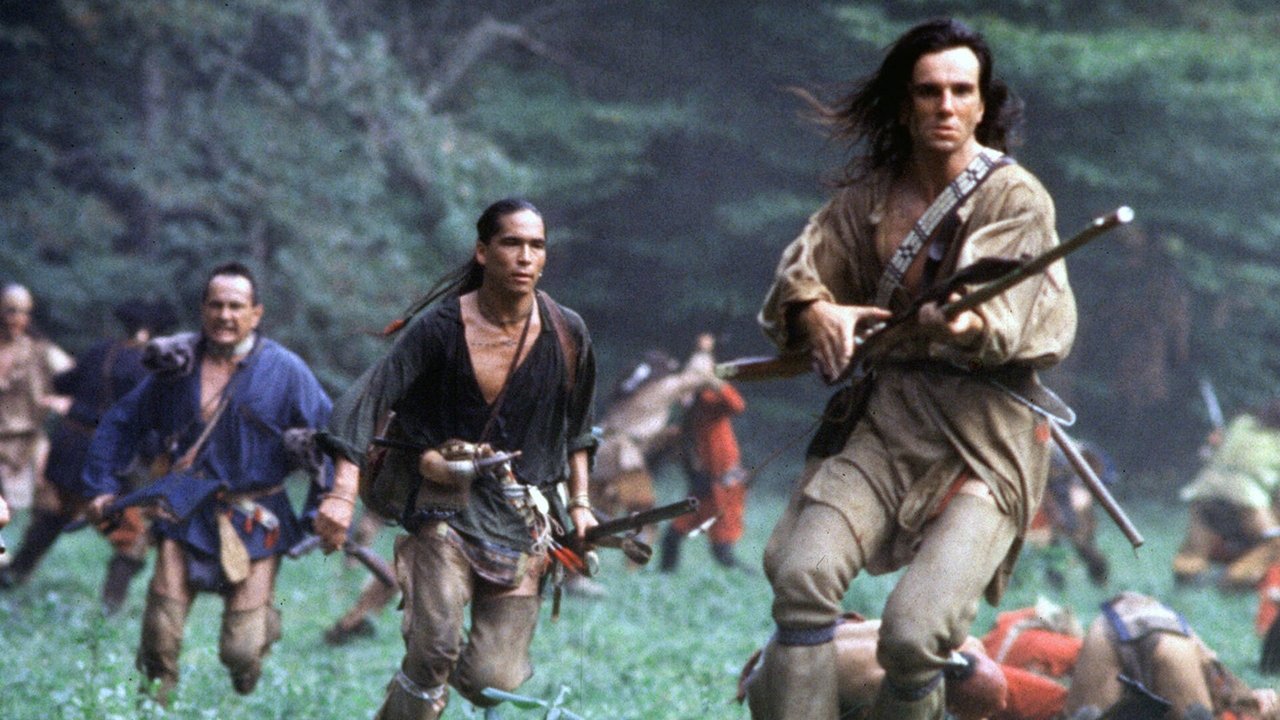
This was a pivotal moment for Michael Mann (Heat, The Insider). Known for the neon-slicked streets of Miami Vice, he pivoted toward the primitive woods of the French and Indian War, bringing his obsession with procedure and detail along for the ride. There is no CGI trickery here to bolster the ranks of the Huron war parties or the British redcoats. When you see a fort under siege, you are seeing real wood, real black powder, and a thousand extras who look like they haven’t seen a shower in three weeks.
The Physicality of the Frontier
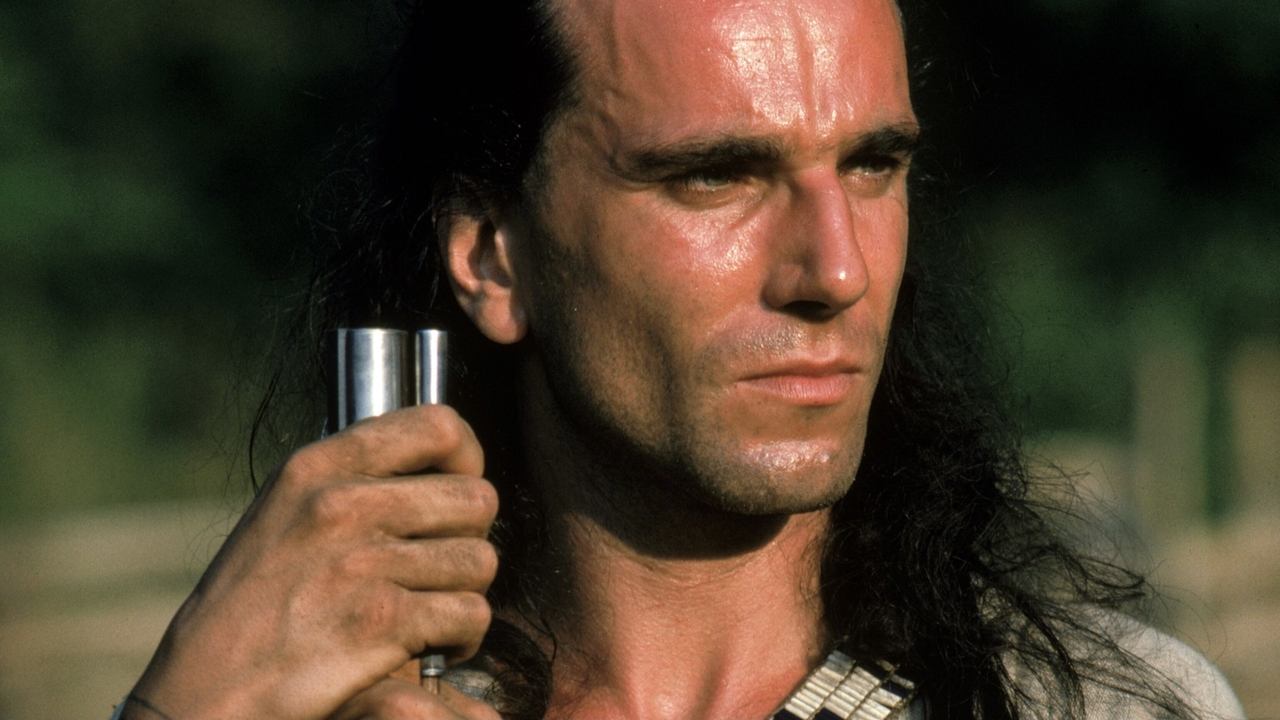
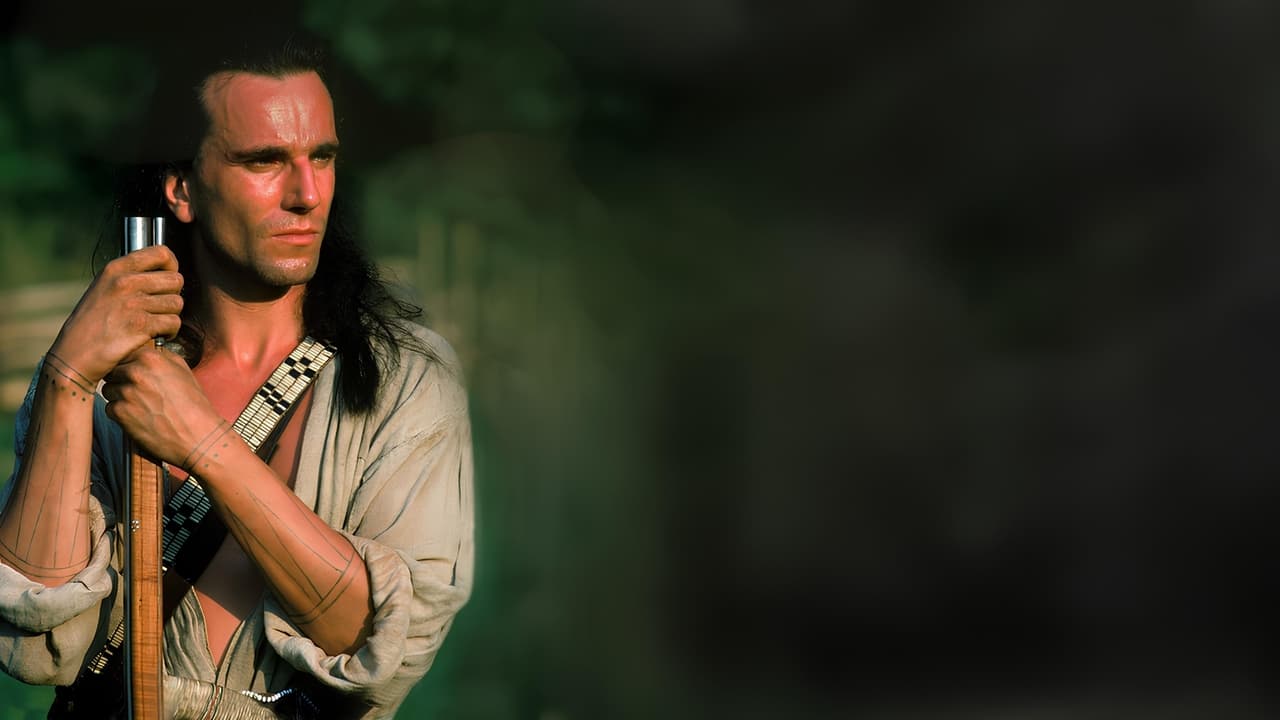
What strikes me most about this film in the age of the Marvel Cinematic Universe is the sheer weight of everything. When Daniel Day-Lewis (playing Hawkeye) runs through the forest, he isn't just a fit actor on a treadmill; he’s a man who has clearly spent months learning how to navigate uneven terrain while carrying a twelve-pound long rifle. I’ve always found it fascinating that Daniel Day-Lewis famously lived off the land, hunted his own food, and refused to go anywhere without that rifle. While some might call that pretentious, the result on screen is undeniable. He moves with a predatory grace that feels earned rather than choreographed.
The action choreography is a masterclass in clarity over chaos. In the climactic cliffside pursuit, there are no shaky-cam gimmicks. We see the mechanics of the violence—the loading of the flintlocks, the swing of the tomahawk, the desperate gasp for breath. Michael Mann uses the landscape to dictate the rhythm of the fights. The mountains aren't just a backdrop; they are obstacles that heighten the stakes. The romance in this film is actually better than the war because it feels like two people literally inventing love while the world ends around them. The chemistry between Hawkeye and Cora (Madeleine Stowe) isn't built on witty banter, but on shared glances during moments of extreme trauma. It’s an "us against the void" mentality that feels incredibly modern.
A Villain with a Cause
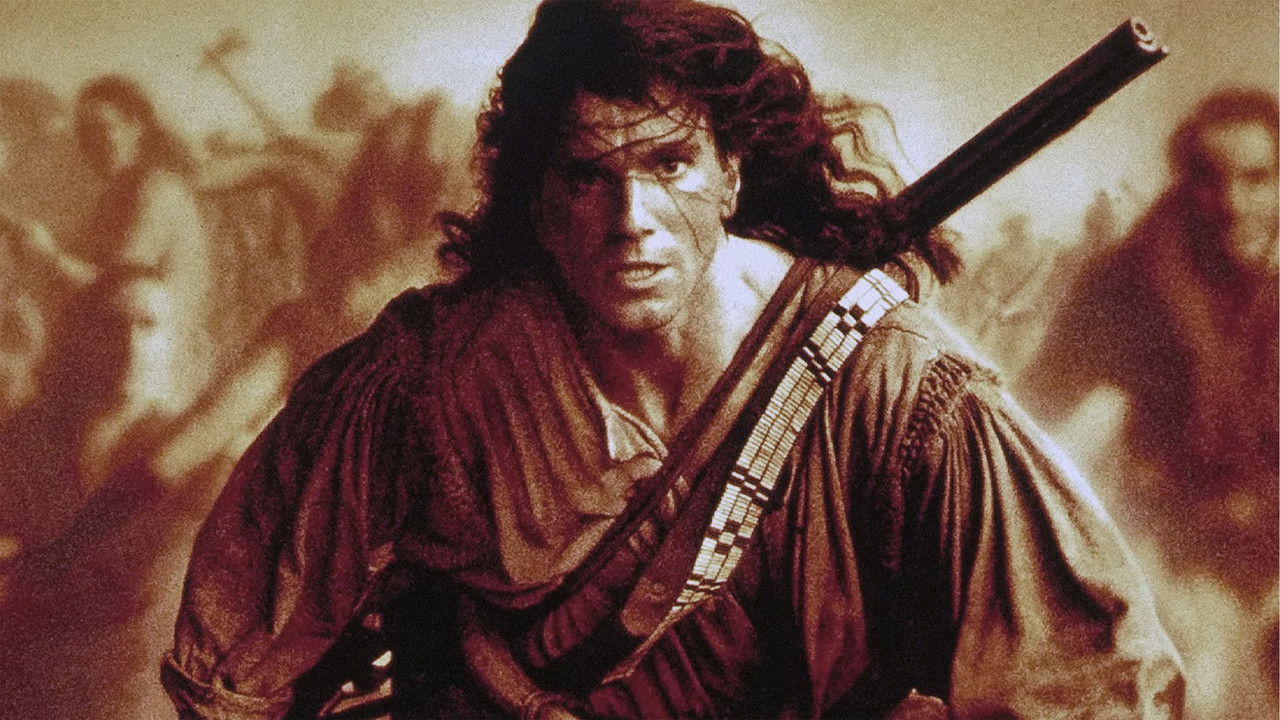
A dark film is only as good as the shadow it casts, and Wes Studi as Magua is one of the most terrifying, complex antagonists to ever grace the screen. Looking back at this era, Hollywood was finally starting to move away from the "silent savage" tropes, and while Mohicans is still a product of its time, Magua is given a searing, tragic motivation. His hatred for Colonel Munro isn't just mustache-twirling villainy; it’s a deeply personal vendetta born of colonial cruelty. Wes Studi carries himself with a terrifying stillness. When he finally speaks, his voice has the texture of grinding stones.
Then there’s the score. It’s impossible to talk about this movie without mentioning the music by Trevor Jones and Randy Edelman. It’s the ultimate "earworm" of the 90s. The main theme, "Promentory," is a repetitive, hypnotic violin riff that builds until you feel like you could personally charge a fort with nothing but a dinner fork. Apparently, the production was so stressed that Trevor Jones was forced to hand over the "softer" scenes to Randy Edelman just to get the job finished on time. That friction between two different composing styles should have resulted in a mess, but instead, it gave the film a dual soul: one part war-cry, one part heartbreaking elegy.
The Stuff You Didn’t Notice
The cult status of this film has only grown because of the various "Director’s Cuts" that have floated around on DVD and Blu-ray over the years. Michael Mann is a notorious tinkerer, and he’s trimmed or expanded the film multiple times. Fans obsess over these differences, but for my money, the theatrical cut remains the most potent.

A few bits of trivia for the fans:
Daniel Day-Lewis actually learned how to skin animals and build canoes for the role. He stayed in character even when the cameras weren't rolling, which I imagine made for some very awkward craft service lunches. Russell Means, who plays Chingachgook, was a legendary American Indian Movement activist. This was his first film role, and he brings a mountain-like gravitas to the screen that you simply can't teach. The film is actually more of a remake of the 1936 black-and-white movie than a direct adaptation of James Fenimore Cooper’s notoriously dense and difficult novel. Many of the extras were actually members of the Cherokee, Mohawk, and other nations, and the production employed linguists to ensure the Huron and Mohawk dialects were as accurate as possible for the 1992 standard.
Looking back from our current digital vantage point, The Last of the Mohicans feels like a relic of a time when "epic" meant something you did with your hands and your feet, not just a render farm. It’s a somber, brutal, and breathtakingly beautiful piece of cinema that respects its audience enough to let the images—and that soaring music—do the heavy lifting.
This is the kind of movie that demands the biggest screen you can find and the loudest speakers you're allowed to use without the neighbors calling the cops. It’s a reminder that before the world became a series of zeros and ones, it was a place of iron, wood, and blood. If you haven't seen it lately, go back to the woods; they're just as dangerous and beautiful as you remember.
Keep Exploring...
-
Heat
1995
-
We Were Soldiers
2002
-

Legends of the Fall
1994
-
The Patriot
2000
-
Black Hawk Down
2001
-
Enemy at the Gates
2001
-
Troy
2004
-
Kingdom of Heaven
2005
-

Braveheart
1995
-
True Romance
1993
-
Public Enemies
2009
-
Joyeux Noel
2005
-
The Wind Rises
2013
-
Letters from Iwo Jima
2006
-
Defiance
2008
-
Red Cliff
2008
-
Rurouni Kenshin Part I: Origins
2012
-
Batman: Mask of the Phantasm
1993
-
The English Patient
1996
-
The Thin Red Line
1998