The Muppet Christmas Carol
"High drama, higher stakes, and a talking rat."
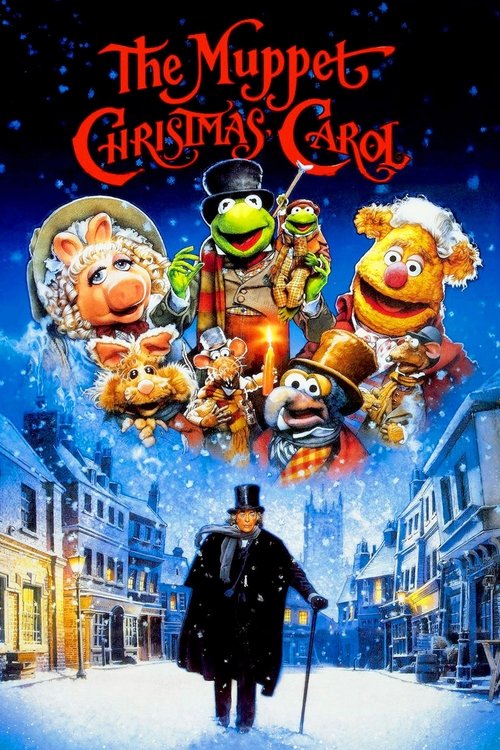
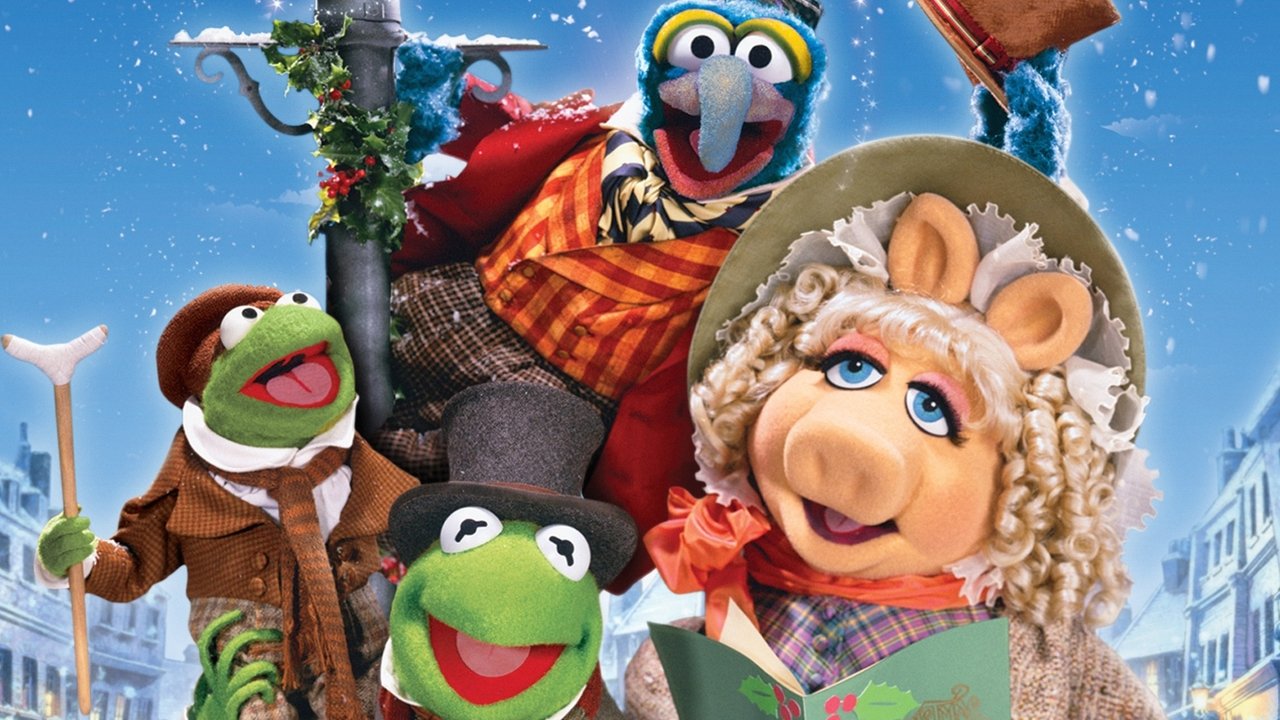
Imagine being twenty-something, your legendary father has just passed away, and your first job is to save his empire by convincing a two-time Oscar winner to yell at a frog. That was the weight on Brian Henson’s shoulders in 1992. When we talk about The Muppet Christmas Carol, it’s easy to get lost in the holiday fuzzies and forget that this was a high-wire act of creative survival. It was the first Muppet feature produced after Jim Henson’s death, a "make or break" moment for a troupe of performers who were grieving their leader while trying to prove that the magic didn't die with the man.

The result wasn't just a "kid’s movie." It was a surprisingly heavy, atmospheric drama that just happened to feature a chorus of singing vegetables. I watched this again recently while my radiator hissed like a disgruntled Victorian chimney sweep, and I was struck by how much this film refuses to talk down to its audience. It’s a ghost story first, a comedy second, and a masterclass in tone management.
The Gravity of Michael Caine
The secret sauce of this adaptation—and let’s be honest, it is the best adaptation of Dickens’ prose ever put to celluloid—is Michael Caine. When approached for the role, Caine famously told Brian Henson that he was going to play Ebenezer Scrooge as if he were working with the Royal Shakespeare Company. He vowed never to wink at the camera, never to acknowledge the absurdity, and to treat every puppet like a human peer.
Watching Caine interact with Steve Whitmire (as Kermit/Bob Cratchit) is a lesson in performance nuance. He brings a cold, razor-sharp edge to the early scenes that is genuinely unsettling. When he snarls at the charity collectors, he isn't playing a caricature; he’s playing a man who has successfully entombed his own soul. It’s a legitimate dramatic performance that anchors the film. Michael Caine acts his heart out while a felt rat is literally attached to his leg, and that commitment is what allows the emotional payoff of the finale to land so hard. He makes you believe in Scrooge’s terror, and more importantly, his eventual joy.
Practical Ingenuity in a Digital Dawn
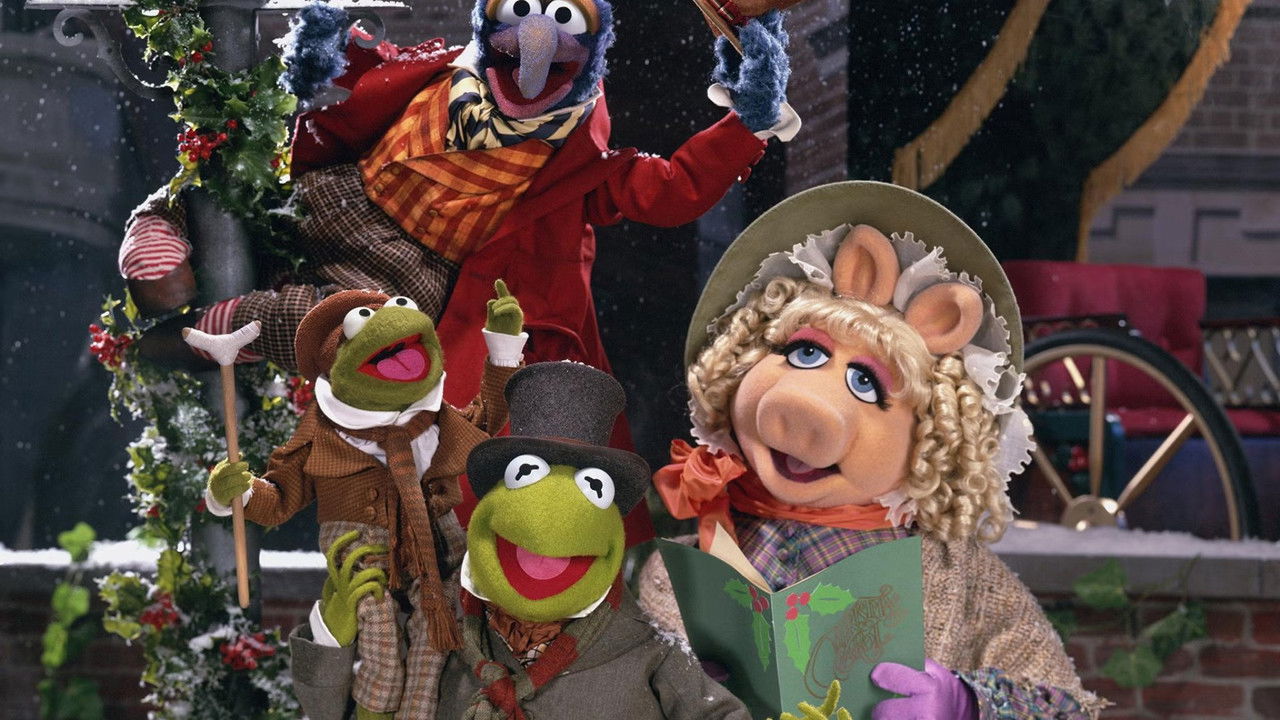
Released in 1992, this film stands on the precipice of the CGI revolution. Jurassic Park was only a year away, but The Muppet Christmas Carol is a glorious swan song for the peak of practical effects. There is a texture to this movie that modern digital productions simply cannot replicate. The London streets—actually a massive set at Shepperton Studios—feel damp, soot-stained, and lived-in.
I’ve always been fascinated by the Ghost of Christmas Past. To achieve that ethereal, floating-in-water look, the production actually filmed the puppet in a pressurized water tank and then composited the footage. It’s haunting and slightly eerie, leaning into the "fantasy-drama" genre rather than safe, flat lighting. Then you have the Ghost of Christmas Present, a massive puppet voiced by Jerry Nelson, whose costume was made of real fur and took multiple operators to maneuver. These aren't just toys; they are cinematic achievements. The Ghost of Christmas Yet to Come is genuinely more terrifying than most modern horror movie villains, precisely because it’s a silent, looming physical presence that occupies real space on the set.
A Masterpiece Lost in the Shuffle
Despite being a staple of my December rotation now, this film was actually a bit of a "forgotten" entity upon release. It opened against the absolute juggernaut of Disney’s Aladdin and the cultural phenomenon of Home Alone 2: Lost in New York. It did decent business, but it didn't set the world on fire. It was the "DVD culture" of the late 90s and early 2000s that truly rescued it, allowing fans to pore over the special features and discover the "lost" song, "When Love is Gone."
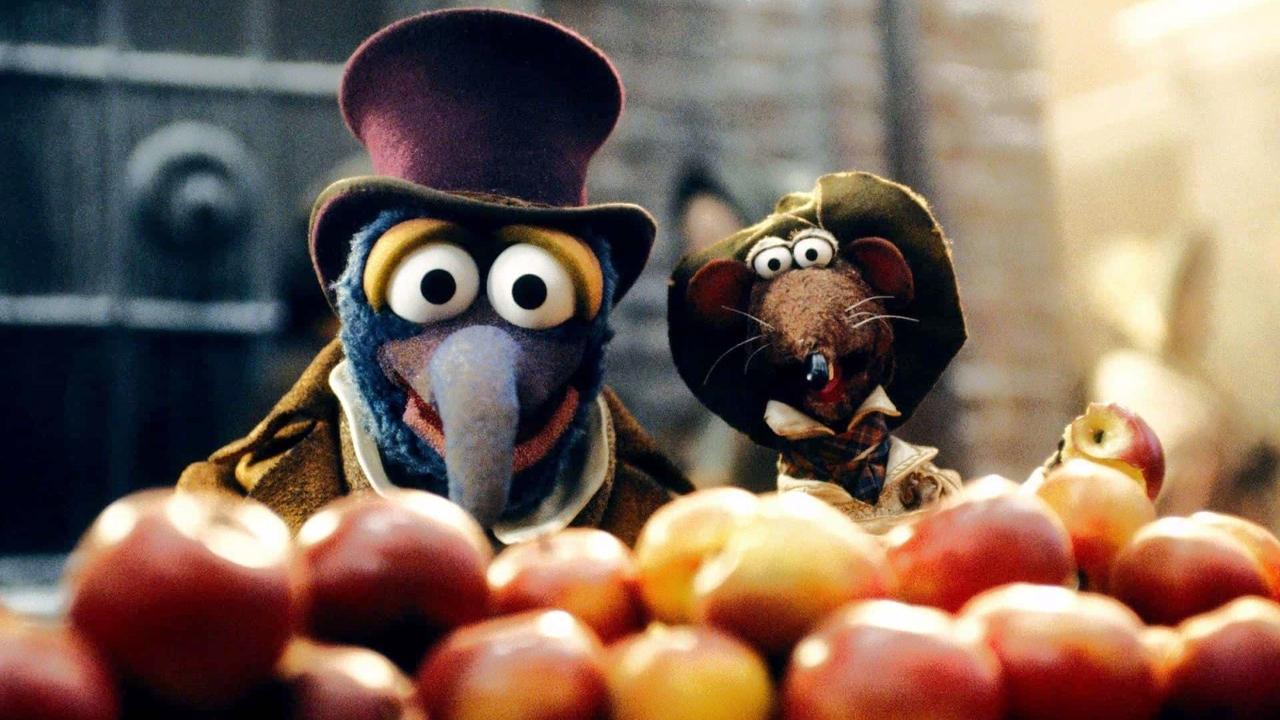
For years, that song—a pivotal dramatic moment where Scrooge’s younger self loses his fiancée—was cut from the theatrical and widescreen versions because Disney’s then-chairman Jeffrey Katzenberg thought it was too sad for children. Cutting it was a crime against the film’s narrative arc; without it, the reprise at the end feels unearned. Looking back, that studio interference is a classic example of the corporatization that Brian Henson had to navigate. Thankfully, the song has been restored in recent years, allowing us to see the film as the melancholy, beautiful character study it was intended to be.
The Muppet Christmas Carol manages to be the most faithful adaptation of Charles Dickens' heart while remaining the most irreverent adaptation of his words. It treats the source material with a reverence that most "serious" films lack, using Dave Goelz (as Gonzo/Dickens) to narrate with actual passages from the book, which provides a literary backbone to the chaos. It’s a film about grief, the passage of time, and the terrifying realization that we might leave the world worse than we found it. It’s the rare family film that respects your intelligence enough to let you be sad before it asks you to be happy. If you haven't watched it with a critical eye toward the performances lately, do yourself a favor and pay attention to Caine. He’s not acting with puppets; he’s acting with ghosts, and that makes all the difference.
Keep Exploring...
-
Teen Beach Movie
2013
-
The Santa Clause
1994
-

DuckTales: The Movie - Treasure of the Lost Lamp
1990
-
The Muppets
2011
-
The Odd Life of Timothy Green
2012
-

All Dogs Go to Heaven
1989
-

Wizards of Waverly Place: The Movie
2009
-
Holes
2003
-
Nick and Norah's Infinite Playlist
2008
-

Babe
1995
-
Soul
2020
-

Bedknobs and Broomsticks
1971
-
Hocus Pocus
1993
-

The Swan Princess
1994
-

Pleasantville
1998
-
The Triplets of Belleville
2003
-
Partly Cloudy
2009
-
A Monster in Paris
2011
-
Lemonade Mouth
2011
-
Feast
2014