The Player
"Movies are a business. Murder is a pitch."
The eight-minute opening shot of The Player is basically a high-wire act performed by a director who spent a decade in the cinematic wilderness. As the camera glides through the backlot of a fictionalized major studio, eavesdropping on pitches and office politics, characters are literally discussing the legendary opening shot of Orson Welles’ Touch of Evil. It’s arrogant, it’s meta, and it’s arguably the most confident return to form in movie history. I watched this while trying to fix a jammed zipper on a vintage leather jacket—a frustratingly analog task that felt weirdly appropriate for a film that serves as a time capsule for the last era of Hollywood before the digital revolution turned everything into pixels.
The Shark in the Silk Suit
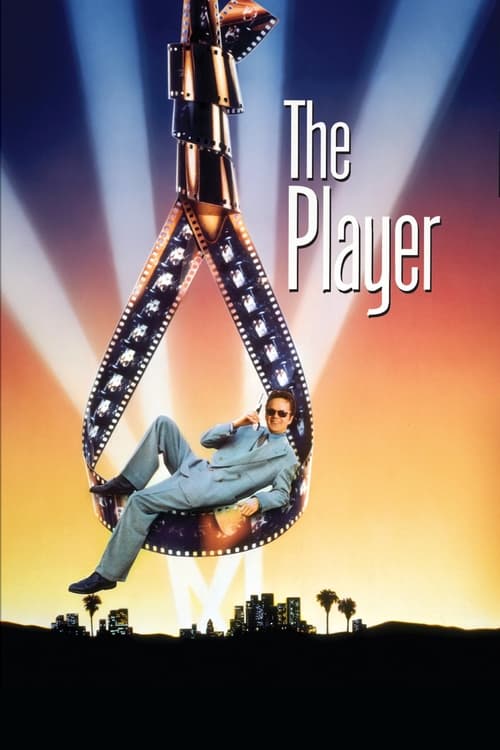
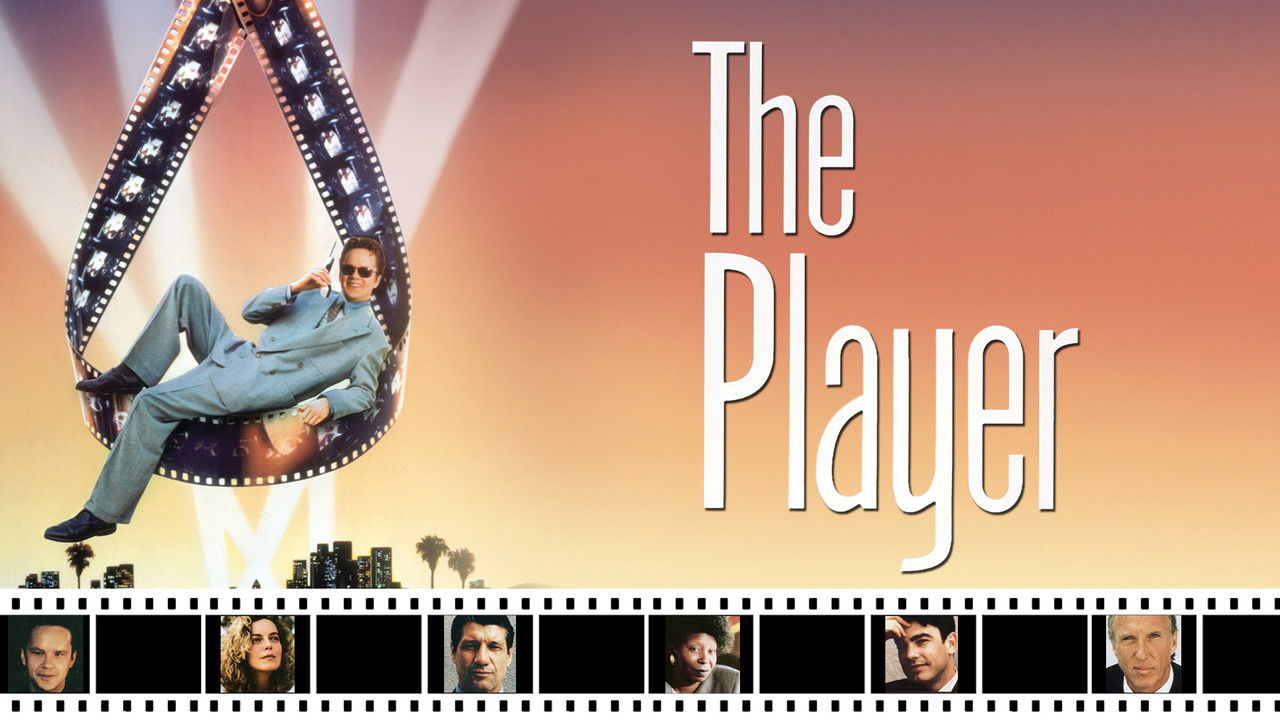
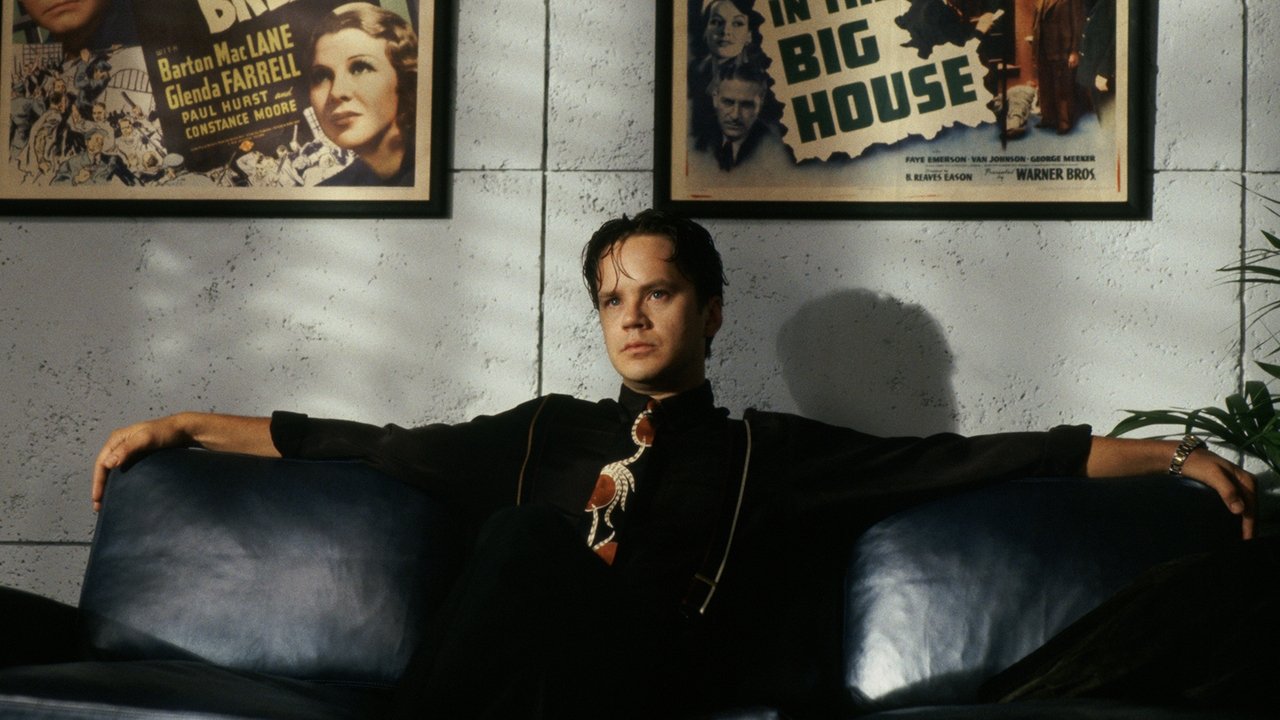
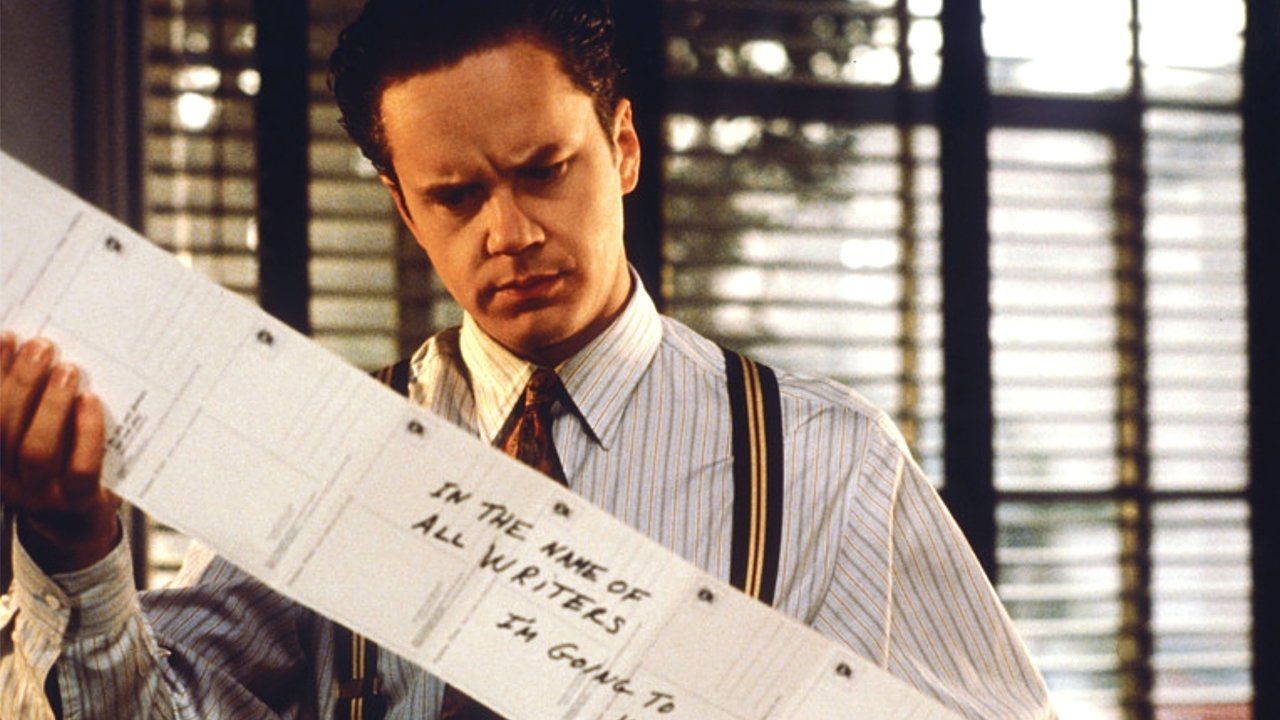
At the center of this swirling vortex of narcissism is Griffin Mill, played by Tim Robbins with a terrifying, smooth-surfaced vacancy. Griffin is a studio executive whose job is to listen to 50,000 pitches a year and say "no" to 49,988 of them. He’s the gatekeeper, the man who decides what the world gets to dream about, and he’s currently receiving death threats on postcards from a disgruntled writer he once snubbed.
Tim Robbins is perfect here because he looks like a man who has never had a pimple or an unvetted thought. He’s tall, handsome, and projects the kind of corporate calm that suggests he’d fire his own mother if the demographics didn’t track. When Griffin eventually commits a murder—not a spoiler, it’s the inciting incident—he doesn’t become a sweating, neurotic mess. Instead, he tries to manage his crime like it’s a troubled production that needs a few script doctoring sessions to reach a "happy ending."
The genius of Robert Altman’s direction is that he treats the murder mystery as the secondary plot. The real thriller is whether Griffin will keep his job in the face of a rising rival, Larry Levy (Peter Gallagher), a man who wears a tan like a weapon and threatens to replace Griffin’s "gut instinct" with data-driven safe bets.
A Who’s Who of 90s Anxiety
If you want to explain the early 90s to someone, just show them the lunch scene at the Ivy. The Player famously features 65 celebrity cameos, ranging from Cher to Burt Reynolds to Jeff Goldblum, all playing themselves. In any other movie, this would be a distracting gimmick, but here it’s essential. It creates a claustrophobic reality where Griffin is always being watched by the very industry he's trying to manipulate.
Whoopi Goldberg and Lyle Lovett show up as the detectives investigating the murder, and they are a delight. Whoopi Goldberg in particular seems to be the only person in the entire film who realizes how absurd these people are, laughing in Griffin’s face while he tries to play the "concerned citizen" role. She’s the audience surrogate, mocking the pretension of a man who thinks he’s too important to go to jail.
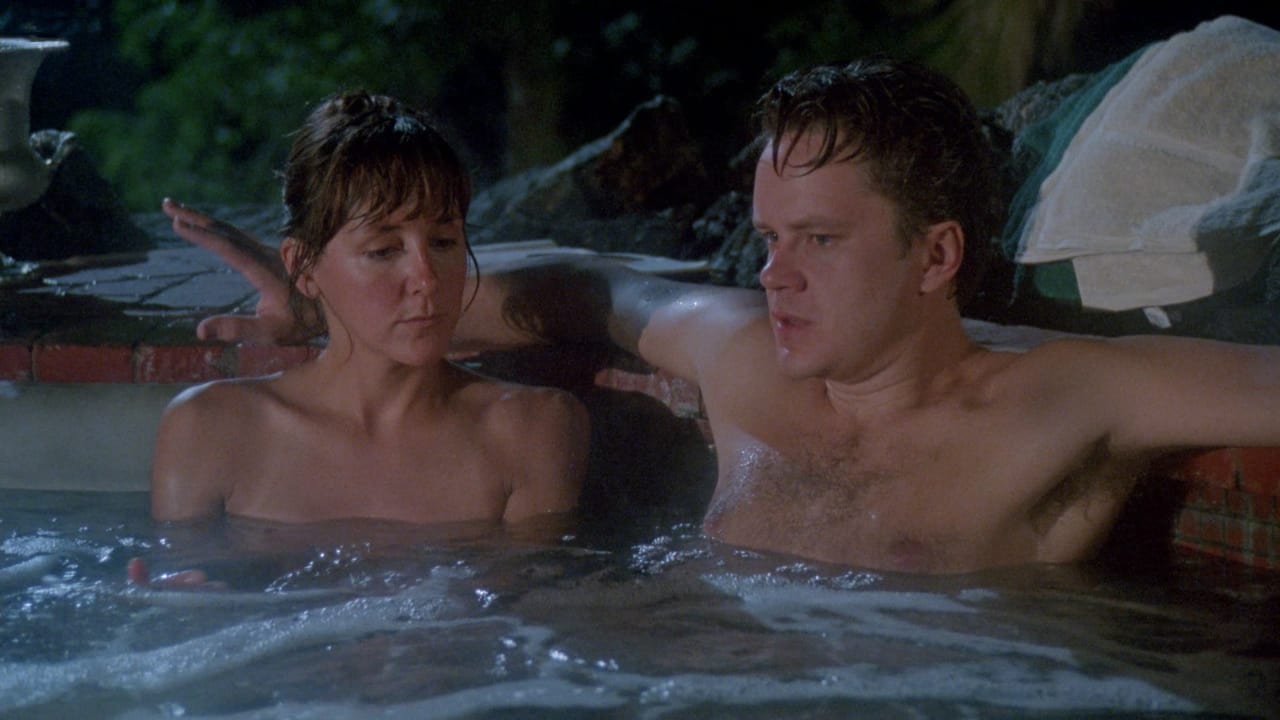
Then there’s June Gudmundsdottir (Greta Scacchi), the girlfriend of the writer Griffin killed. Their relationship is one of the darkest parts of the film. Griffin moves in on her with a predatory grace that is basically the cinematic equivalent of a corporate merger where the smaller company is liquidated for parts. The fact that their romance is framed with the soft lighting of a prestige drama makes it all the more skin-crawling.
The Art of the Deal (and the Steal)
Looking back, The Player feels like a eulogy for a certain kind of "Adult Drama" that barely exists in the modern franchise landscape. The film is obsessed with the "pitch"—the 25-word summary that can sell a movie. "It’s Ghost meets The Manchurian Candidate!" one writer yells. "It’s Out of Africa meets Pretty Woman!"
Altman uses these pitches to highlight the absolute creative bankruptcy of the system. It’s hilarious, but it’s also a bit depressing because the movie's jokes about sequels and unoriginality have basically become the business model for every studio in 2024. We’re living in the world Griffin Mill helped build, where the "happy ending" isn't just a preference—it’s a mandatory requirement for the shareholders.
The cinematography by Jean Lépine captures the hazy, golden-hour light of Los Angeles, making the city look like a paradise that’s slowly rotting from the inside. There’s a constant sense of movement, mirroring the restless energy of people who are terrified of being "out" of the loop.
Stuff You Didn't Notice
One of the best "hidden in plain sight" jokes is that the film itself becomes the very thing it’s satirizing. Throughout the movie, a writer pitches a grim, depressing legal drama with no stars and a tragic ending. By the time we get to the end of The Player, we see a "preview" of that film, and it has been transformed into a ridiculous action movie starring Bruce Willis and Julia Roberts.
Apparently, Robert Altman gave the actors a massive amount of room to improvise, which is why the dialogue feels so much more authentic than your standard thriller. He wanted the actors to overlap their lines, creating a cacophony of voices that makes you feel like you’re eavesdropping on a private club you weren’t invited to. It’s also worth noting that the film was produced on a relatively tiny budget of $8 million—peanuts for a Hollywood film even in 1992—proving that Altman didn't need a studio's permission to take the studio system to the cleaners.
The Player is a rare bird: a cynical satire that is also genuinely entertaining. It manages to be a tense thriller, a biting comedy, and a hall-of-fame character study all at once. While some of the technology might look dated—the giant cell phones and clunky fax machines—the human greed and corporate desperation are timeless. It’s a movie that invites you to laugh at the monsters, right up until you realize they’re the ones who sold you the ticket.
Keep Exploring...
-
Gosford Park
2001
-
In the House
2012
-
Barton Fink
1991
-
The Client
1994
-
Courage Under Fire
1996
-
Breakdown
1997
-

Jacob's Ladder
1990
-

The Muppet Christmas Carol
1992
-
The Hudsucker Proxy
1994
-
To Die For
1995
-
Grosse Pointe Blank
1997
-
Conspiracy Theory
1997
-
Inherent Vice
2014
-

Ghost
1990
-
Maverick
1994
-
Rumble in the Bronx
1995
-
Wild Things
1998
-
Arlington Road
1999
-

The Gift
2000
-
Joy Ride
2001