Twin Peaks: Fire Walk with Me
"The girl who died was finally allowed to scream."
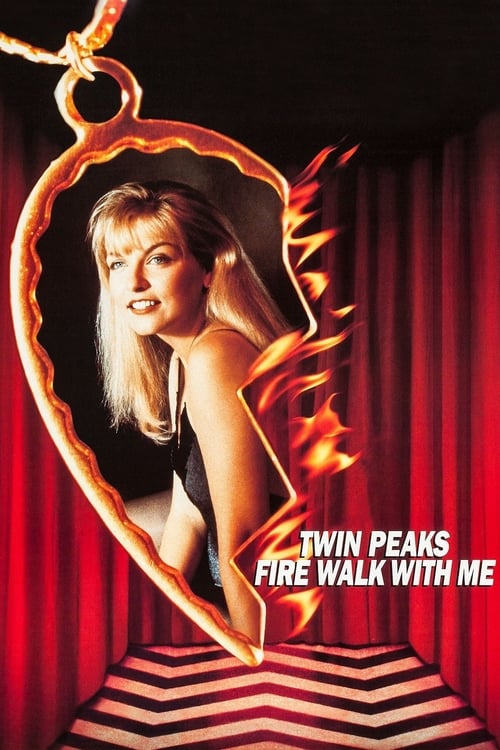
In May 1992, at the Cannes Film Festival, the screening of Twin Peaks: Fire Walk with Me was met with a chorus of boos so loud they reportedly vibrated the floorboards. Critics didn't just dislike it; they felt betrayed. After two seasons of a television show that traded in eccentric detectives, damn fine coffee, and quirky Northwest charm, David Lynch (who had just seen his show canceled by ABC) delivered a film that was abrasive, terrifying, and utterly devoid of the cozy warmth fans expected. It was a cinematic "keep the change" thrown in the face of a mainstream audience that wanted easy answers to who killed the prom queen.
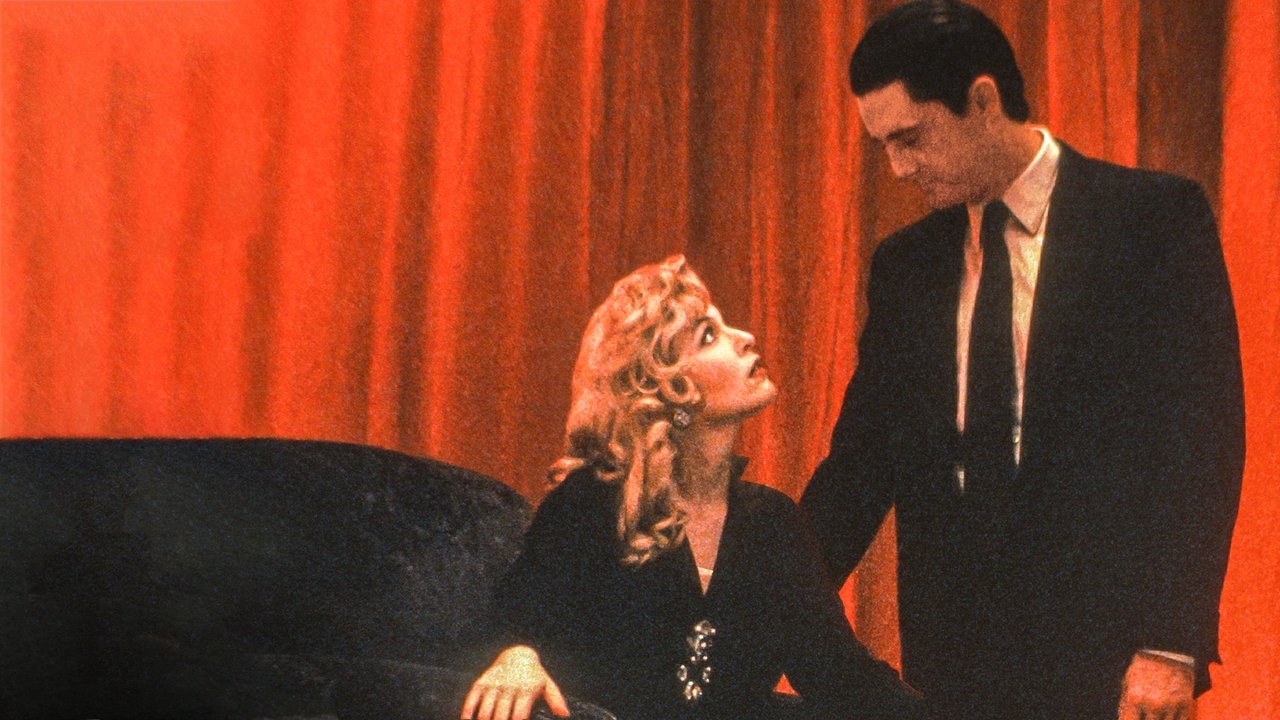
I once watched this film on a tiny portable DVD player in a laundromat while my socks were drying, and the rhythmic hum of the heavy-duty dryers synced up so perfectly with the industrial drone of the soundtrack that I felt like I was physically slipping into the "Black Lodge." It’s a film that doesn’t just show you horror; it vibratingly occupies the space around you. Looking back from the digital sheen of the 2020s, Fire Walk with Me stands as a peak example of 90s analog grit—a tactile, sweaty, and deeply uncomfortable experience that has aged into one of the most vital horror films ever made.
The Girl Behind the Photo
For thirty episodes of television, Laura Palmer was a homecoming photo and a plastic-wrapped corpse. She was a MacGuffin, a reason for Special Agent Dale Cooper to eat pie. In this prequel, Sheryl Lee finally gets to reclaim Laura’s soul. Her performance is, quite frankly, a revelation of raw nerve endings. Lee doesn't just play a victim; she plays a girl navigating the terrifying realization that the monster in her dreams is actually the man sitting at her dinner table.
The film shifts the perspective from the investigation to the experience of the investigated. We see the "hedonistic beauty" the plot overview mentions not as a trope, but as a survival mechanism. When Laura laughs hysterically in the front seat of a car or screams at the ceiling fan in her hallway, it isn't "Lynchian weirdness" for the sake of it. It’s the sound of a person disintegrating under the weight of a secret too heavy for a teenager to carry. Ray Wise is equally staggering as Leland Palmer, oscillating between a grieving, loving father and a vessel for something ancient and predatory with a terrifying, rubbery-faced fluidity.
A Masterclass in Dread
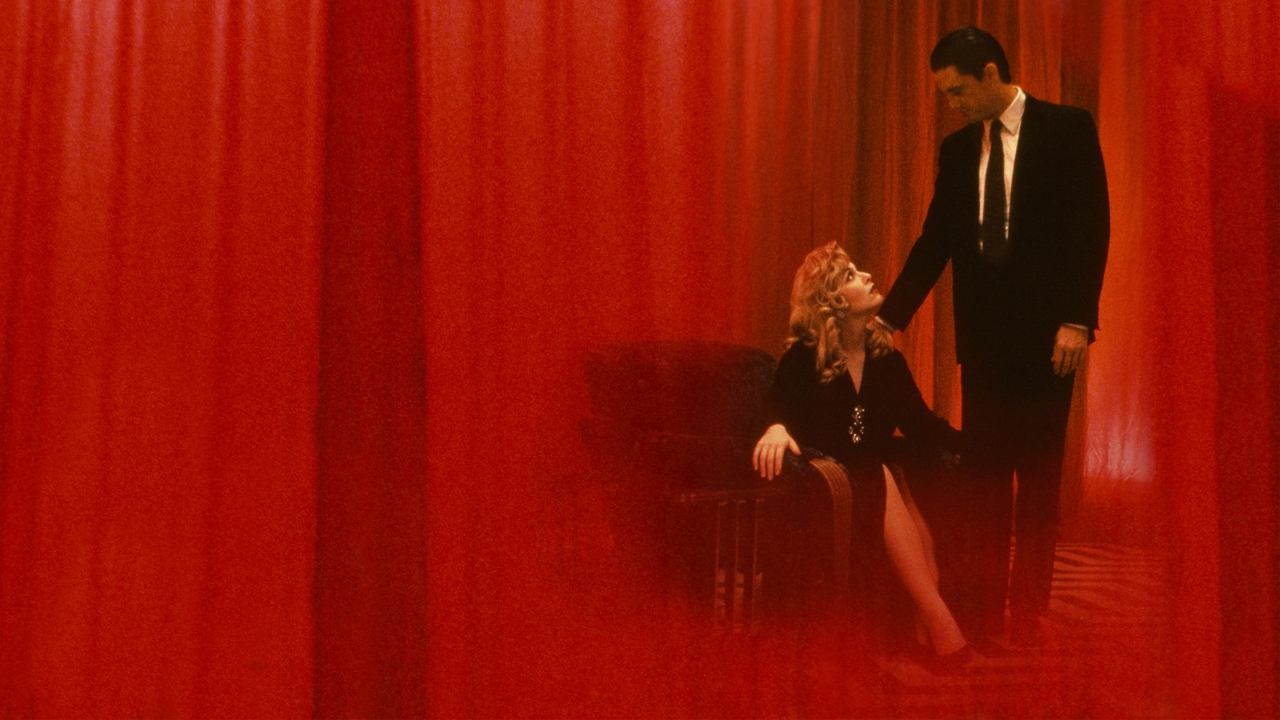
While the show used a soap-opera filter to mask its darkness, the film strips the gears. The "Pink Room" sequence—a long, strobe-lit descent into a Canadian bar where the music is so loud the dialogue has to be subtitled—is one of the most oppressive things I’ve ever sat through. Angelo Badalamenti, the maestro of the Twin Peaks sound, traded the cool jazz of the TV series for a score that feels like it’s being played on a pipe organ made of rusted metal.
The horror here isn't about jump scares, though a certain scene involving a mask and a staircase still makes me jump three decades later. Instead, Lynch creates a sustained atmosphere of spiritual rot. The first half-hour is a deliberate middle finger to the TV show’s fanbase, trading the beloved town of Twin Peaks for the miserable, rain-slicked dump of Deer Meadow. There’s no cherry pie here; there’s just a surly waitress and a trailer park. This prologue, featuring Chris Isaak and Kiefer Sutherland as agents hunting a different girl, establishes a world where the authorities are incompetent and the darkness is winning. Even David Bowie stops by for a baffling, haunting cameo as Phillip Jeffries, a man who "doesn't want to talk about Judy," adding a layer of cosmic conspiracy that the internet would spend the next thirty years decoding.
From Scorned Flop to Sacred Text
The journey of Fire Walk with Me from a box-office disaster to a foundational cult classic is a testament to the power of home video. In the mid-90s and early 2000s, it was the DVD release—complete with rumors of a legendary "lost" two-hour cut—that allowed fans to finally watch the film on its own terms, away from the expectations of the TV show. We realized that Lynch wasn't being "difficult"; he was being honest. He was depicting the reality of domestic abuse with a supernatural vocabulary that felt more "true" than a standard drama ever could.
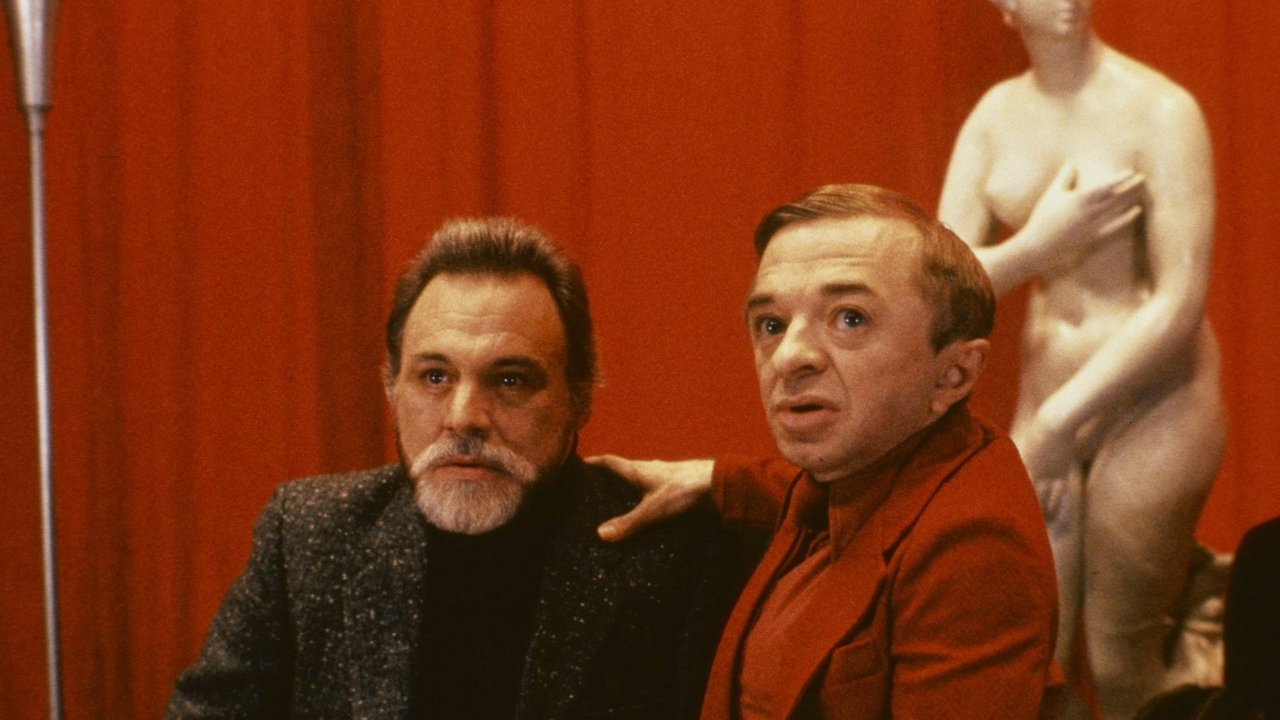
The film serves as a bridge between the 80s era of practical effects and the more experimental, digital-adjacent storytelling Lynch would later master in Mulholland Drive. There’s a scene where a character disappears from a security camera feed that feels like a precursor to modern "found footage" horror, yet the film remains rooted in the heavy, grainy textures of 35mm film. It’s a movie you can almost smell—cigarettes, forest pine, and stale beer.
If you come to Fire Walk with Me looking for a cozy mystery, you will leave bruised. But if you come for a deep, uncompromising dive into the heart of darkness, you’ll find a film that has only grown more powerful with age. It is the ultimate "for the fans" movie that actually challenges those fans to look at the tragedy they previously treated as a puzzle. It’s loud, it’s messy, and by the time the final frame flickers out, it’s strangely, heartbreakingly beautiful. Don't watch it for the answers; watch it for the blue rose.

Keep Exploring...
-
Lost Highway
1997
-
Inland Empire
2006
-
Mulholland Drive
2001
-
The Devil's Advocate
1997
-

Jacob's Ladder
1990
-
The Skin I Live In
2011
-
Eraserhead
1977
-

The Game
1997
-
The Skeleton Key
2005
-

Let Me In
2010
-
Blue Velvet
1986
-
Wild at Heart
1990
-

A Tale of Two Sisters
2003
-
Lucky Number Slevin
2006
-
Gone Baby Gone
2007
-
Funny Games
1997
-
Ghost
1990
-
Glengarry Glen Ross
1992
-
Batman: Mask of the Phantasm
1993
-

In the Mouth of Madness
1995