Under Siege
"The battleship is hijacked. The cook is pissed."
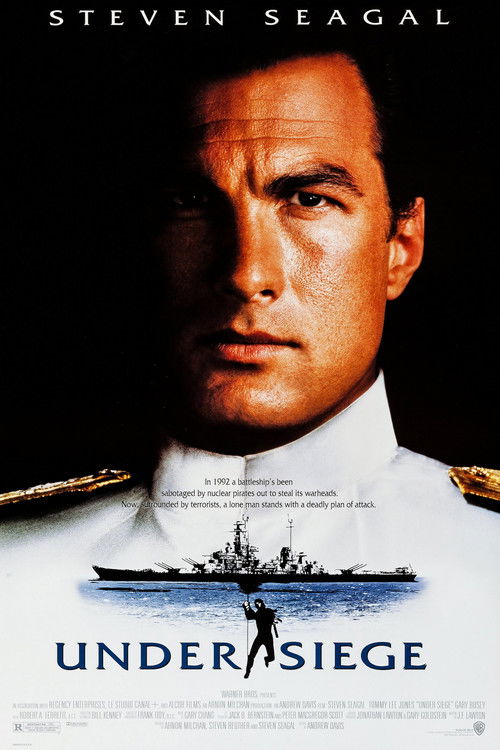
I remember the exact moment I realized Steven Seagal was a legitimate movie star, and it wasn’t because of his ponytail or his ability to break a man’s wrist in three places with a flick of his thumb. It was the 1990s, and I was watching a slightly warped VHS copy of Under Siege that I’d scavenged from a garage sale. The tape had a "Be Kind, Rewind" sticker that was peeling off, and it smelled faintly of a basement that hadn’t seen sunlight since the Reagan administration. Between the tracking flickers, I realized that while Seagal was the face on the box, the movie worked because it was actually a high-stakes, big-budget playground for some of the best character actors of the era to go absolutely nuclear.
Under Siege is often dismissed as "Die Hard on a Battleship," but that’s like calling a ribeye "just a piece of cow." In 1992, the "Die Hard" template was the gold standard, and director Andrew Davis (who would go on to give us The Fugitive) polished that template until it gleamed like the deck of the USS Missouri. This is the only Seagal movie that feels like a "real" film, largely because the production values are massive, the stakes feel heavy, and the villains are having the time of their lives.
Two Villains Having Way Too Much Fun
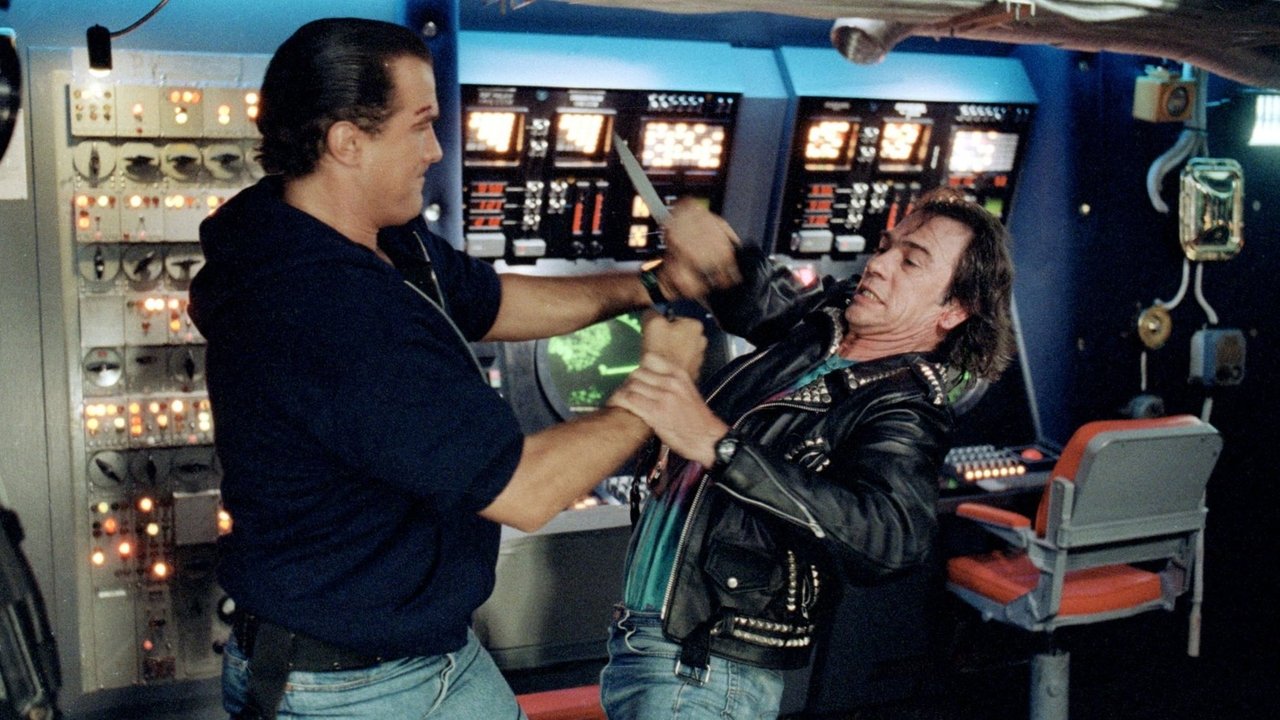
The secret sauce of Under Siege isn't the martial arts; it’s the sheer, unadulterated lunacy of Tommy Lee Jones and Gary Busey. Long before Jones was the grumpy straight man in Men in Black, he was William Strannix, a disgruntled ex-CIA operative who dresses like a rock star and plays "All Along the Watchtower" while hijacking a nuclear-armed battleship. He’s theatrical, witty, and terrifyingly casual about mass murder.
Then there’s Gary Busey as Commander Krill. If you ever wanted to see Busey in drag—complete with a blond wig and a dress—before he starts stabbing people, this is your movie. The chemistry between Jones and Busey is electric; they possess a manic energy that modern action villains, often bogged down by "relatable" backstories, seem to lack. They aren't just trying to steal nukes; they are actively throwing a party on the corpse of the Cold War.
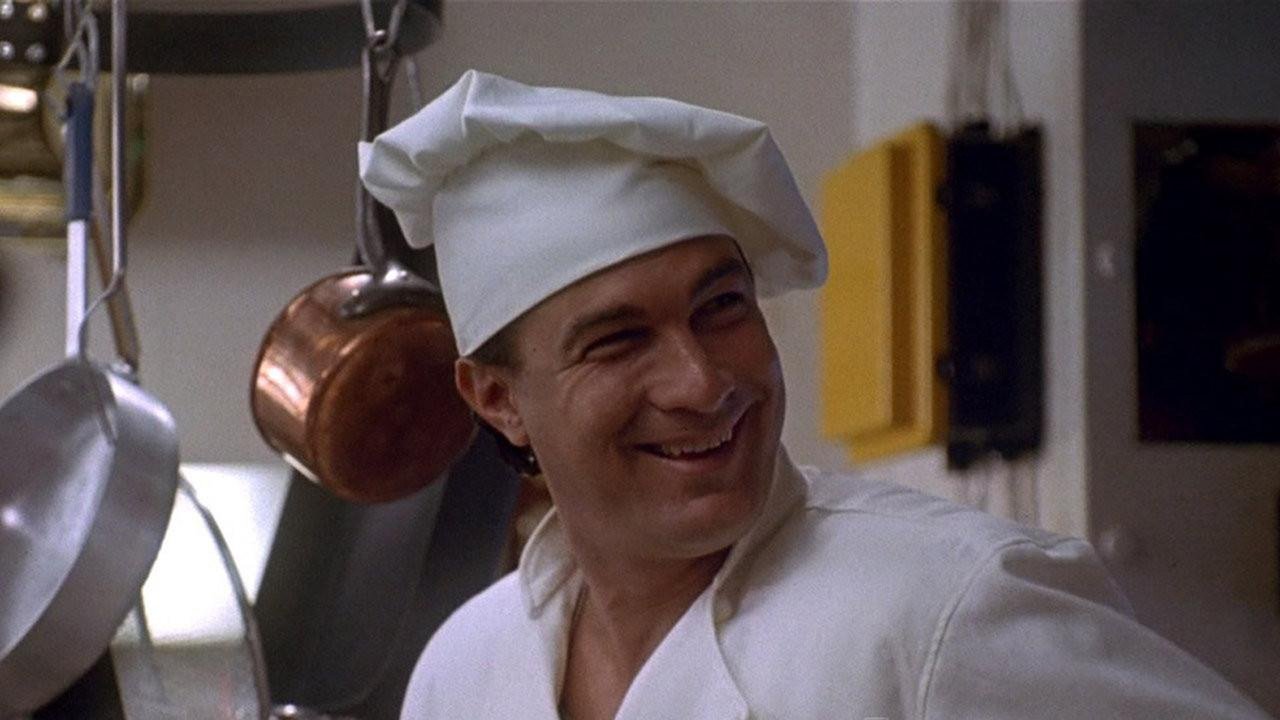
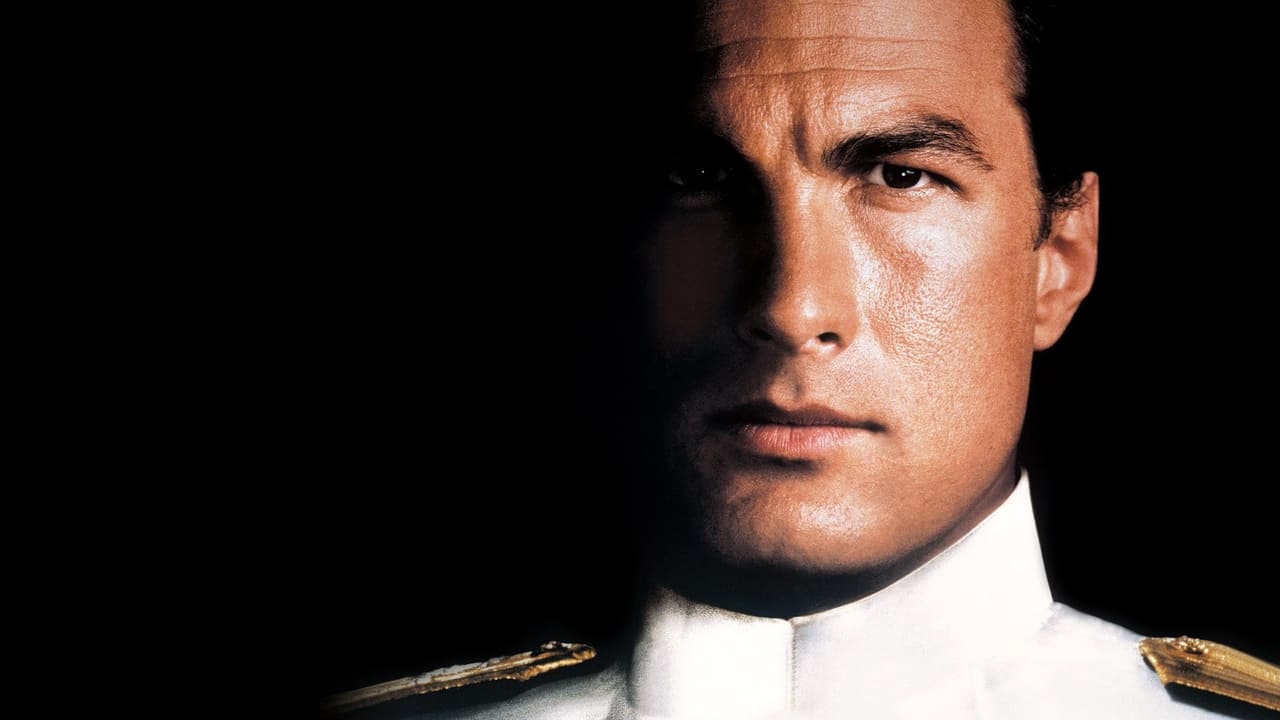
Against this chaotic duo, Seagal’s Casey Ryback is the perfect foil. He’s "just a cook"—who also happens to be a disgraced Navy SEAL with a black belt in everything. Seagal’s performance here is his most restrained and effective. He doesn't have to carry the emotional weight because the ship itself carries the atmosphere.
The Last Gasp of Practical Grandeur
One thing that strikes me looking back at Under Siege is how solid everything feels. This was 1992—CGI was still a fledgling monster lurking in the shadows of Jurassic Park. The explosions here are real. The fire is real. When things blow up on the USS Missouri, you feel the heat through the screen. There’s a weight to the action that digital effects struggle to replicate.
The cinematography by Frank Tidy makes the battleship feel like a claustrophobic maze of steel and steam. It’s a masterclass in using a single location to build tension. You know where Ryback is, you know where the terrorists are, and you understand the geography of the looming disaster. In an era where modern action often feels like a blur of "shaky cam" and green screens, the clarity of Andrew Davis’s direction is a breath of fresh air.
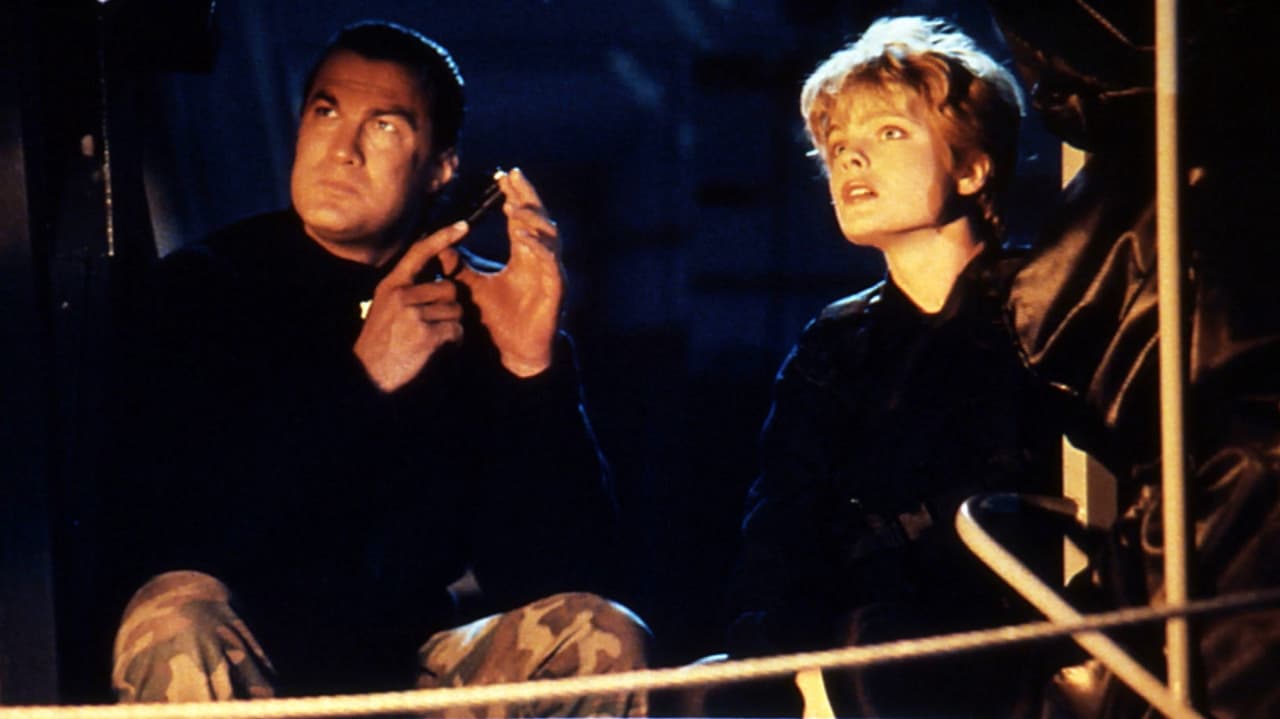
Even the supporting cast is stacked. You’ve got Colm Meaney (Chief O'Brien to us Star Trek fans) as a cold-blooded henchman and Erika Eleniak as Jordan Tate. While Eleniak is famous for the "cake scene"—a moment that launched a million rewinds in the 90s—she actually evolves into a decent sidekick, providing a human anchor to Ryback’s superhuman efficiency.
A Blockbuster That Knew the Assignment
Under Siege wasn't just a hit; it was a phenomenon. On a $35 million budget, it raked in over $156 million worldwide. It proved that the "lone hero in a confined space" trope had plenty of mileage left, provided you had the right director and a cast that didn't mind chewing the scenery. Interestingly, the film's success is what convinced Harrison Ford to work with Andrew Davis on The Fugitive a year later.
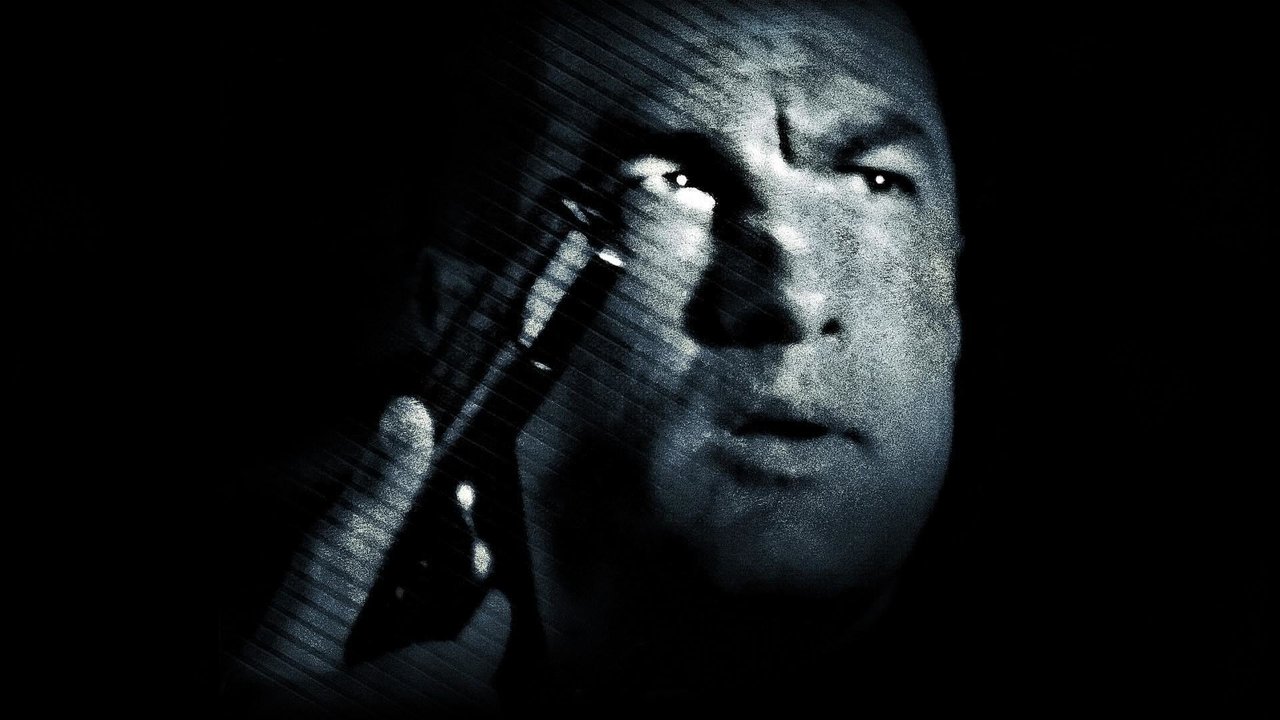
Looking back, Steven Seagal is essentially a supporting character in his own masterpiece. The film works because it surrounds him with people who can actually act, a director who understands pacing, and a script by J.F. Lawton (who, believe it or not, also wrote Pretty Woman) that keeps the quips sharp and the tension high.
It’s a relic of a time when action movies felt like they were made of iron and gunpowder rather than pixels. It’s unapologetic, loud, and incredibly efficient. If you haven't revisited the Missouri lately, it’s time to get back in the kitchen.
Under Siege remains the high-water mark for 90s "Die Hard" clones. It’s a beautifully shot, expertly paced thriller that manages to be both a gritty action flick and a flamboyant stage for two of the era's greatest villains. It’s the version of Steven Seagal we all want to remember: the one who let the movie be better than his ego. Put it on, grab some popcorn, and enjoy the sights and sounds of a battleship being dismantled by a man with a kitchen knife and a grudge.
Keep Exploring...
-

Under Siege 2: Dark Territory
1995
-
The Fugitive
1993
-
Chain Reaction
1996
-
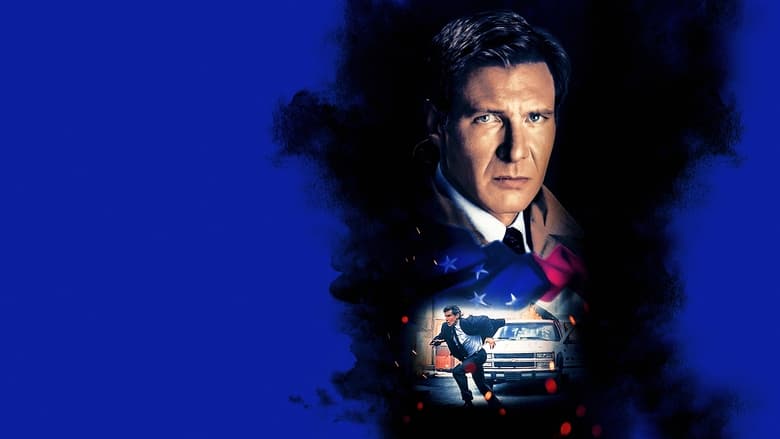
Clear and Present Danger
1994
-
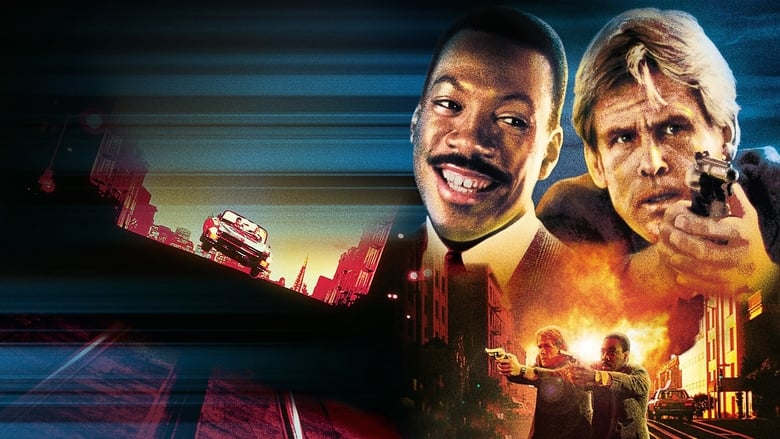
Another 48 Hrs.
1990
-
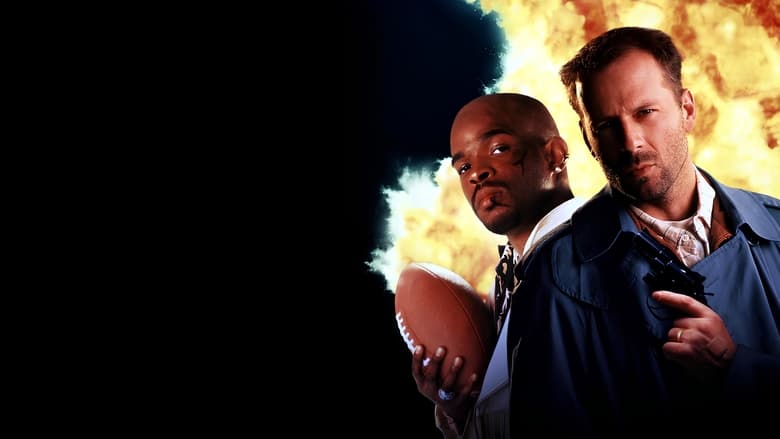
The Last Boy Scout
1991
-
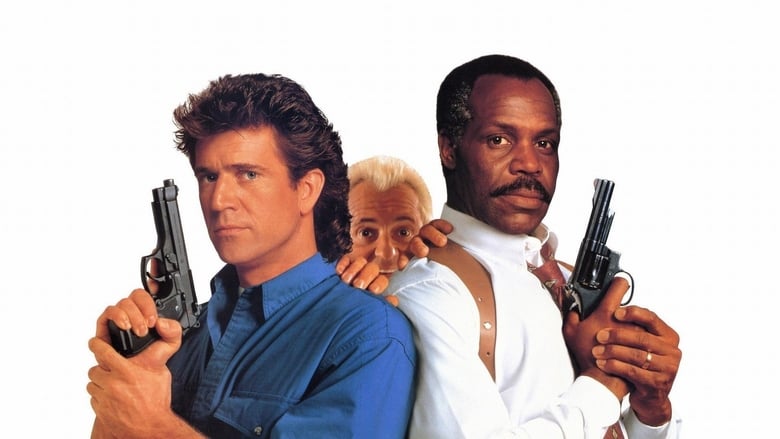
Lethal Weapon 3
1992
-
Patriot Games
1992
-
Universal Soldier
1992
-
In the Line of Fire
1993
-
Speed
1994
-
Star Trek: Generations
1994
-
Timecop
1994
-
Bad Boys
1995
-
The Net
1995
-
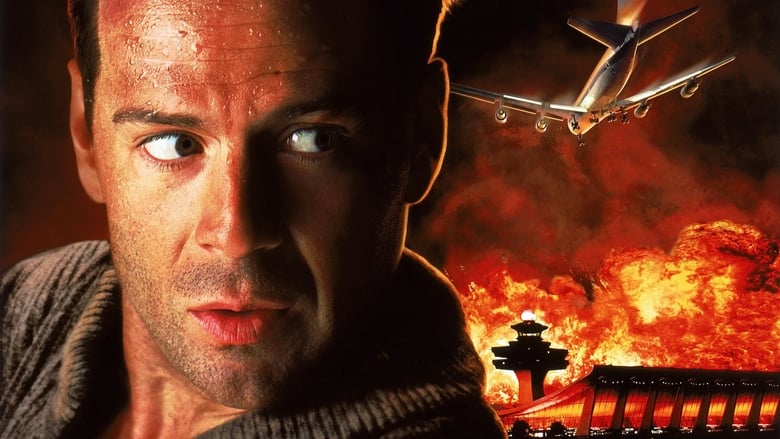
Die Hard 2
1990
-
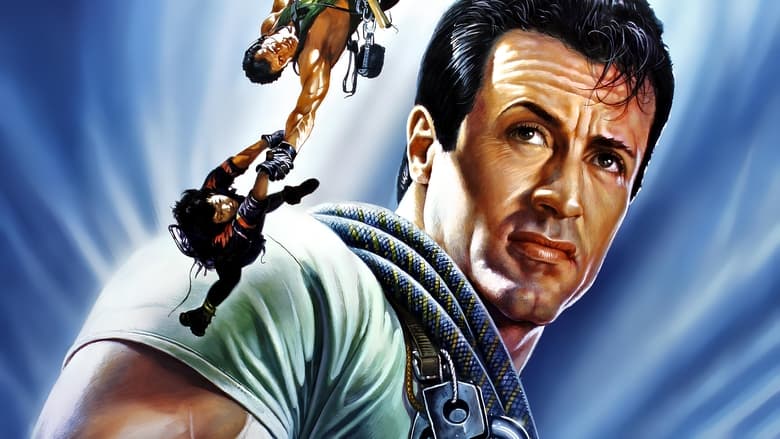
Cliffhanger
1993
-
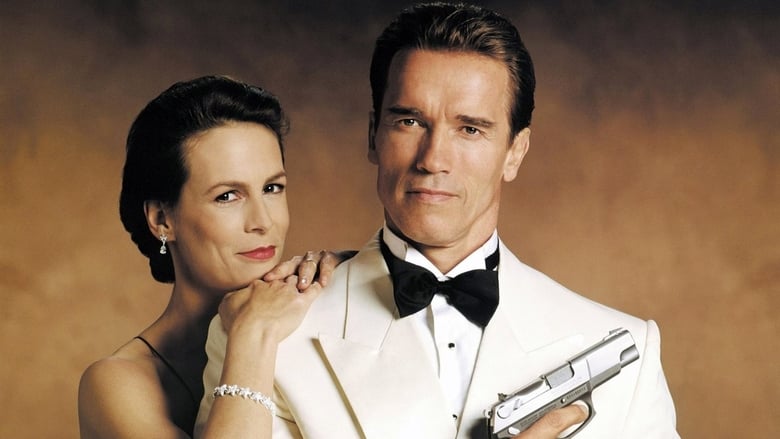
True Lies
1994
-
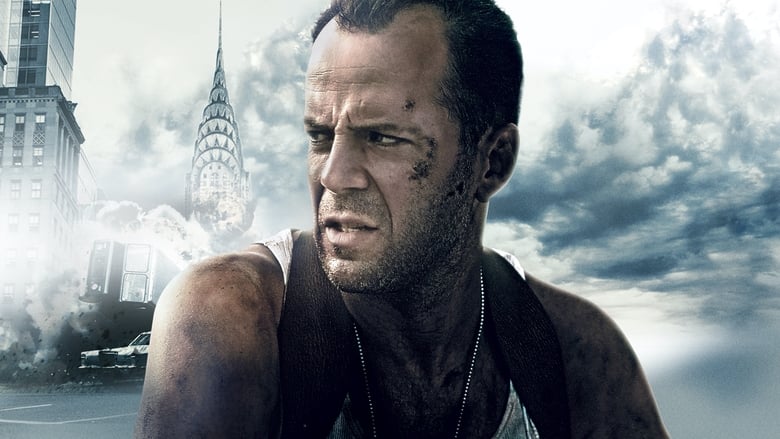
Die Hard: With a Vengeance
1995
-
Outbreak
1995