Unforgiven
"Deserving's got nothing to do with it."
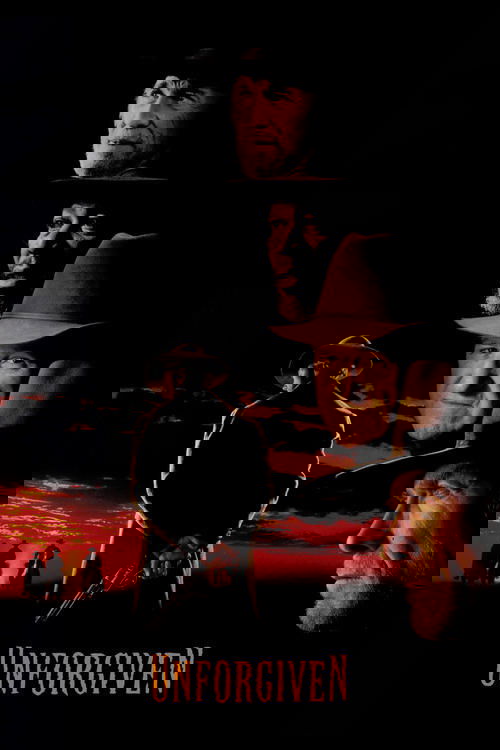
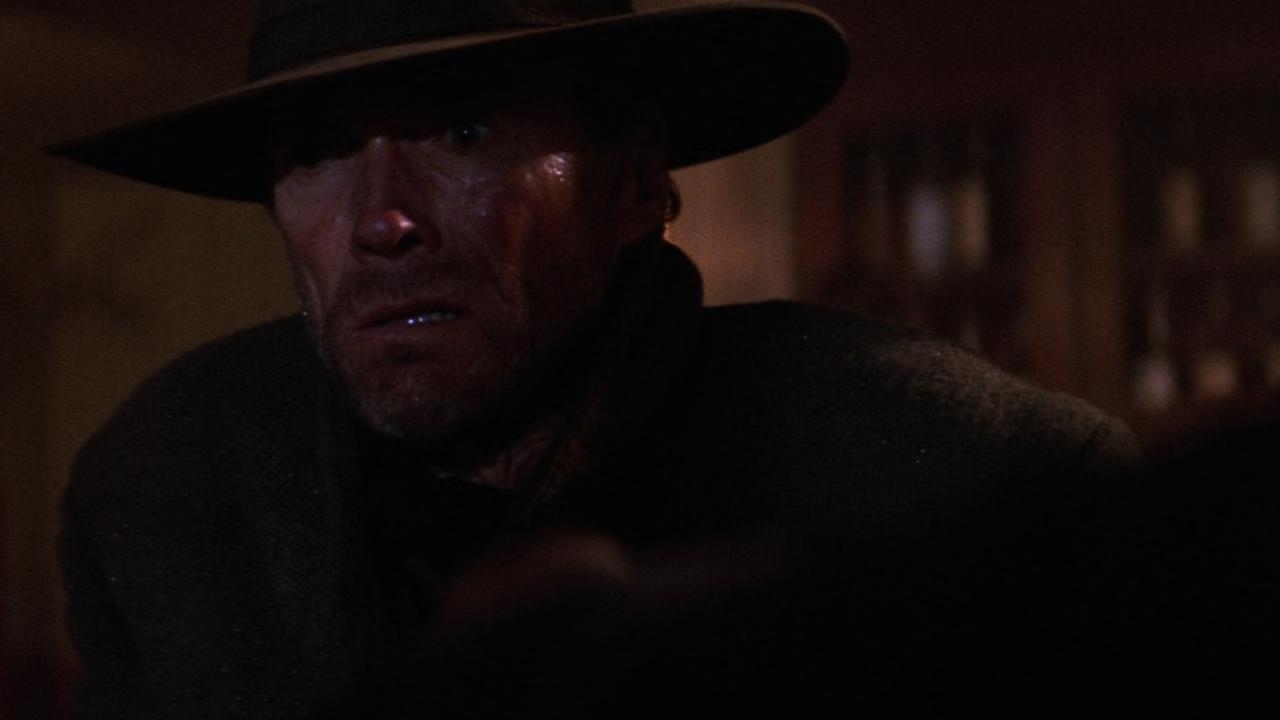
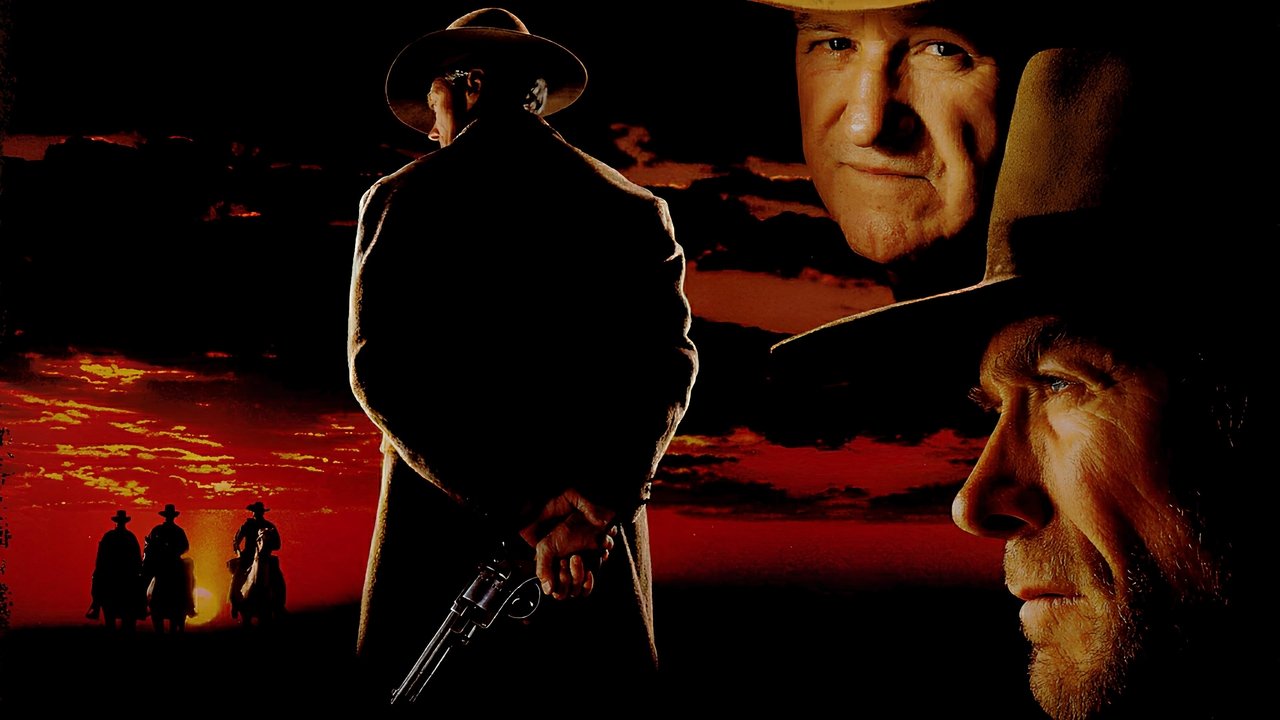
Most Westerns spend their time polishing the badges of heroes or the buffs on an outlaw’s boots, but Clint Eastwood’s Unforgiven is more interested in the blood that won't wash off the floorboards. In 1992, the genre was supposed to be a relic, a dusty memory of a simpler Hollywood era. Then Clint walked back into the frame, not as the invincible "Man with No Name," but as William Munny: a man who can’t even mount a horse without falling into the mud. It’s a film that doesn’t just deconstruct the myth of the Old West; it puts that myth in a coffin and nails it shut.
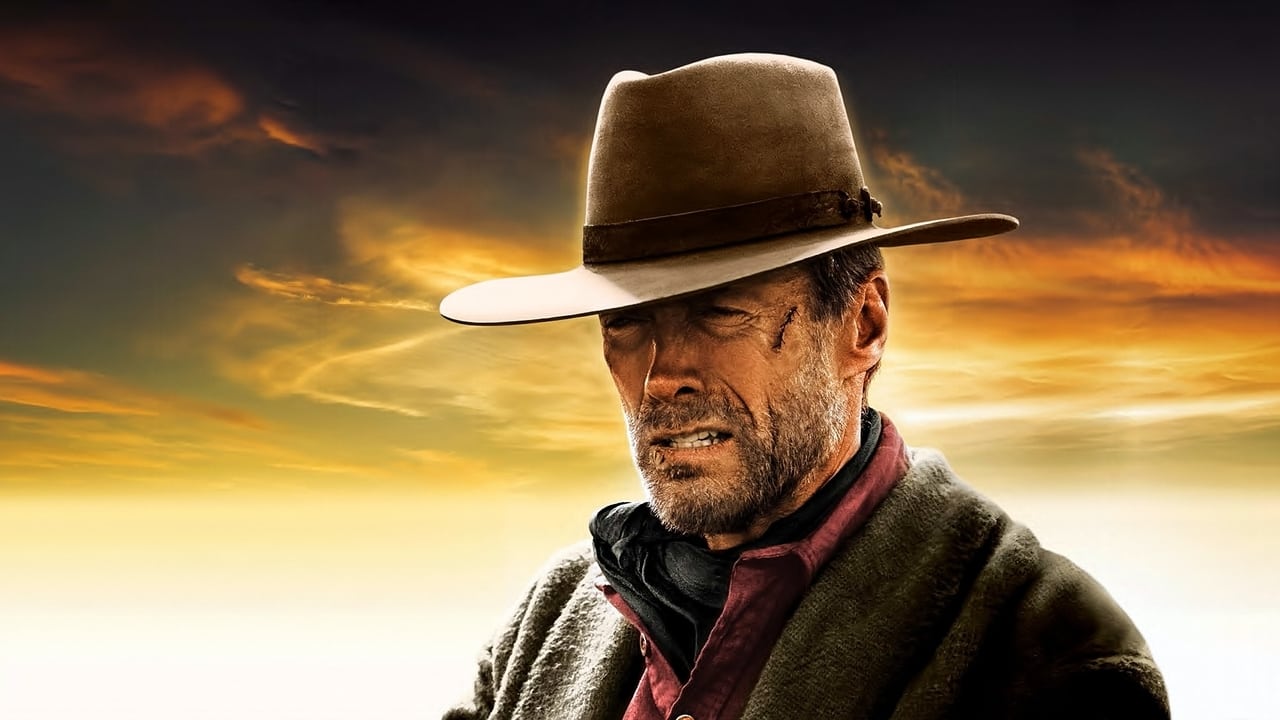
I watched this again on a Tuesday night while my neighbor was loudly assembling IKEA furniture in the apartment next door, and even the rhythmic thudding of a rubber mallet couldn’t break the tension. There is a stillness in this movie that is absolutely terrifying.
The Ghost of the Gunslinger
We meet Munny as a widower hog farmer, struggling to provide for his kids while literally rolling in filth. When a cocky kid who calls himself "The Schofield Kid" (Jaimz Woolvett) arrives to recruit him for a bounty—avenging a brutalized prostitute in Big Whiskey—Munny is hesitant. He’s "cured" of his wicked ways by his late wife. But poverty is a persistent ghost, and soon he’s digging up his old pistol and recruiting his old partner, Ned Logan, played with a weary, soulful grace by Morgan Freeman.
The brilliance of the script by David Webb Peoples (who also co-wrote Blade Runner) is that it treats violence like a disease rather than a skill. Munny keeps telling himself and anyone who will listen, "I ain’t like that no more." But we, the audience, are waiting for the relapse. Munny isn’t a hero returning to his roots; he’s a functional alcoholic whose drug of choice is gunpowder. Seeing a 62-year-old Clint Eastwood play a man who is genuinely afraid of his own soul is a level of vulnerability you just didn't see in 90s action stars.
The Myth-Maker and the Monster
While Munny is our protagonist, the film’s moral vacuum is filled by 'Little' Bill Daggett. Gene Hackman is terrifying here because he’s not a cartoon villain; he’s a man who genuinely believes he’s the "good guy" because he’s keeping the peace. He’s building a house that leaks, a metaphor for his own flawed construction of justice. Gene Hackman plays Little Bill like a middle-manager who enjoys firing people way too much.
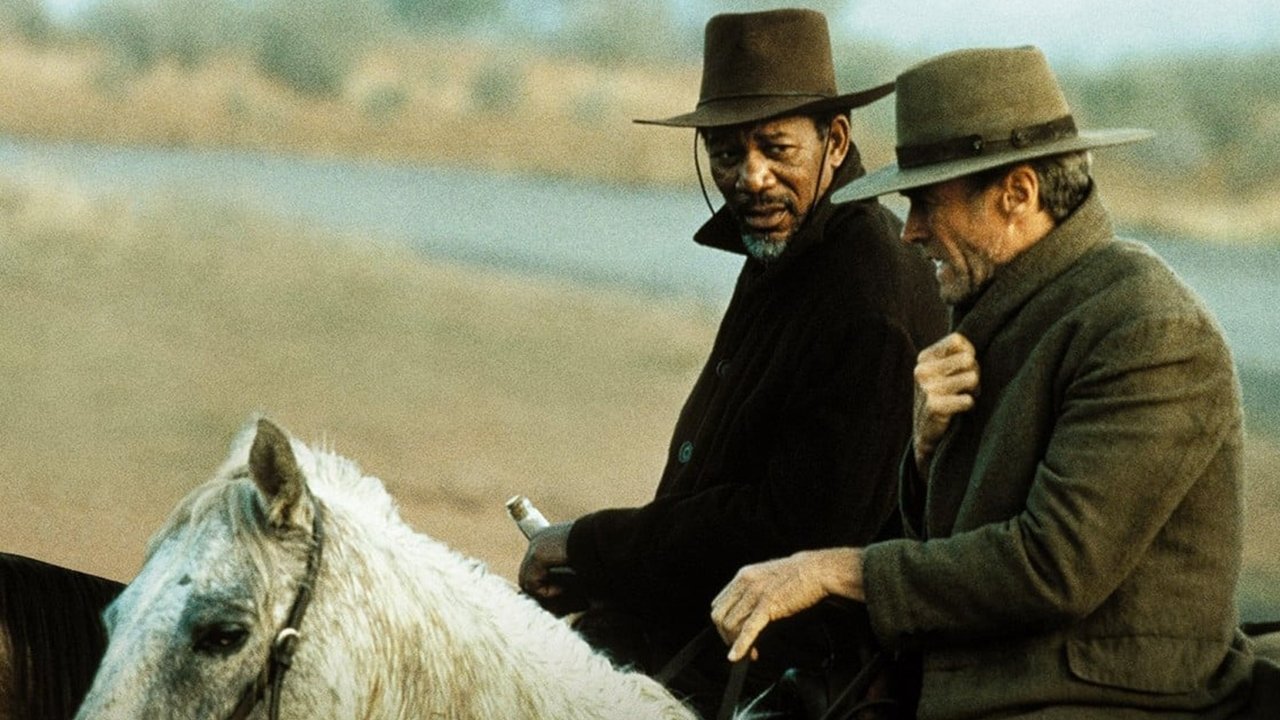
The film introduces a fascinating subplot with English Bob (Richard Harris) and his biographer, W.W. Beauchamp (Saul Rubinek). Through them, the movie examines how Western legends were manufactured. Beauchamp is a stand-in for us—the audience—who wants the "cool" version of the gunfight. When Little Bill beats Bob senseless and then forces the writer to hear the "real" (and much uglier) version of the story, the movie is lecturing us on our own bloodlust. It’s cerebral, meta-commentary that feels decades ahead of its time.
A Blockbuster Built on Silence
Despite its heavy themes, Unforgiven was a massive hit. It’s easy to forget in our era of superhero franchises that a somber, 130-minute meditation on death could pull in nearly $160 million on a $14 million budget. It dominated the cultural conversation because it felt like a final word. It was the highest-grossing Western since the 70s, proving that audiences were hungry for something that treated them like adults.
The production itself has become legendary. Apparently, the script had been floating around Hollywood since 1976. Clint Eastwood bought it in the early 80s but sat on it for a decade because he wanted to be old enough to play the part. That patience paid off. The film was shot in just 39 days in Alberta, Canada. Interestingly, the town of Big Whiskey was built in two months and was a fully functional "360-degree" set, which allowed for those long, immersive takes. During filming, a drought hit the area, so the "rain" in the final, climactic showdown had to be trucked in and sprayed through fire hoses.
Eastwood also famously dedicated the film to his mentors, Sergio Leone and Don Siegel. You can feel their influence in every frame, but the restraint is all Clint. He doesn't use CGI to fix the weather or hide the wrinkles on his face. This was the dawn of the digital era, but Unforgiven is a triumph of practical grit.
The Weight of the Act
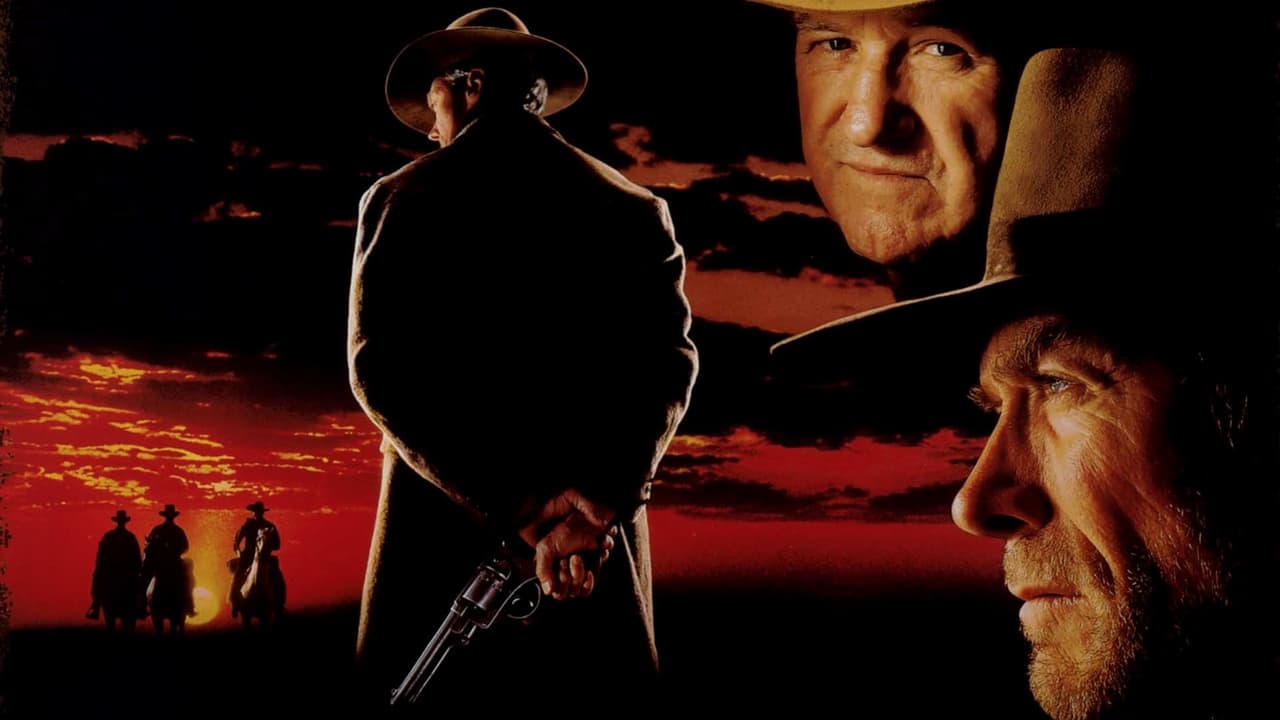
The final twenty minutes of this film are some of the most haunting in cinema history. There is no triumph here. When the violence finally erupts, it’s clumsy, dark, and hollow. The "Schofield Kid" realizes that taking a life doesn't make you a legend; it just makes you a person who has to live with a corpse in your memory.
Looking back from 2024, Unforgiven holds up better than almost any other "Modern Cinema" era Best Picture winner. It doesn't rely on the flashy editing or the "edgy" irony that would define much of the 90s indie boom. It’s a film that asks us to look at the cost of the stories we tell. It reminds us that "deserving" is a human concept, but the bullet doesn't care about your resume.
The movie ends with a simple text crawl about Munny’s life after the events of the film, suggesting he might have moved to San Francisco and "prospered in dry goods." It’s a quiet, almost domestic ending for a man who just walked through a storm of lead. That ambiguity is the film’s final gift. It leaves you sitting in the dark, wondering if a man can ever truly outrun his own shadow, or if we’re all just waiting for the rain to start falling.
Keep Exploring...
-
The Bridges of Madison County
1995
-
Million Dollar Baby
2004
-
A Perfect World
1993
-
Gran Torino
2008
-
Mystic River
2003
-
High Plains Drifter
1973
-
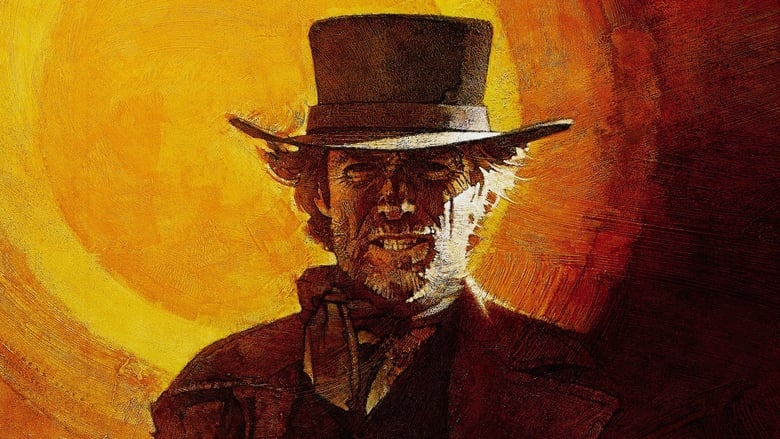
Pale Rider
1985
-
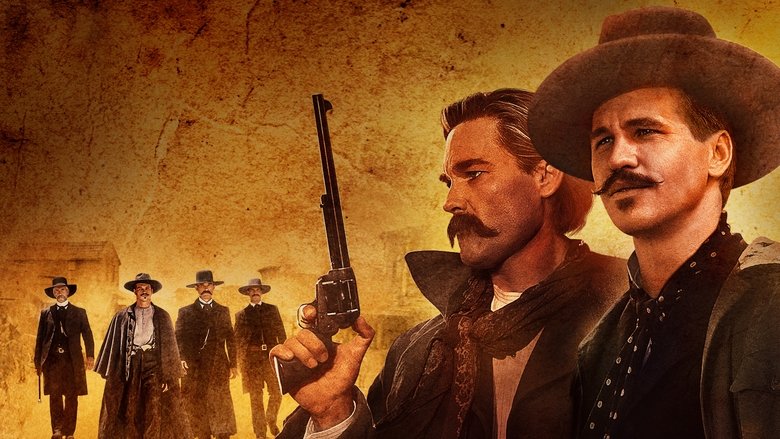
Tombstone
1993
-

Legends of the Fall
1994
-
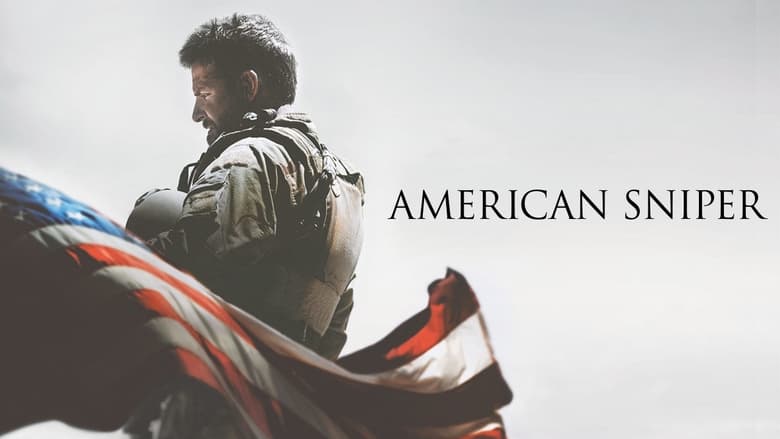
American Sniper
2014
-
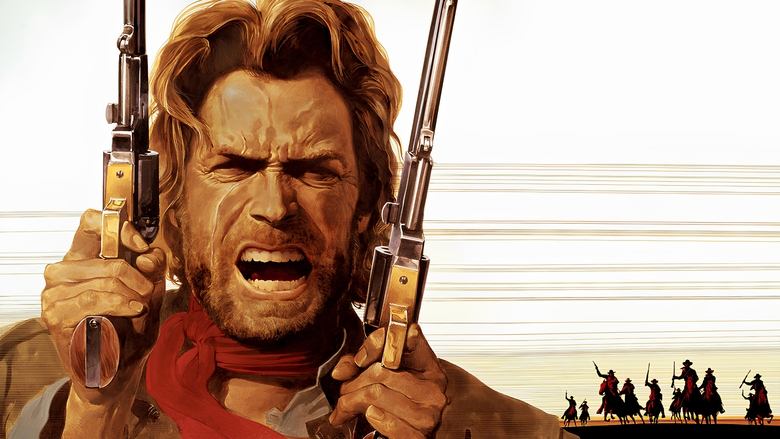
The Outlaw Josey Wales
1976
-
Dances with Wolves
1990
-
A Few Good Men
1992
-
In the Line of Fire
1993
-
Philadelphia
1993
-
Twelve Monkeys
1995
-
Princess Mononoke
1997
-
Letters from Iwo Jima
2006
-
No Country for Old Men
2007
-
True Grit
2010