Universal Soldier
"Two dead soldiers. One final grudge match."
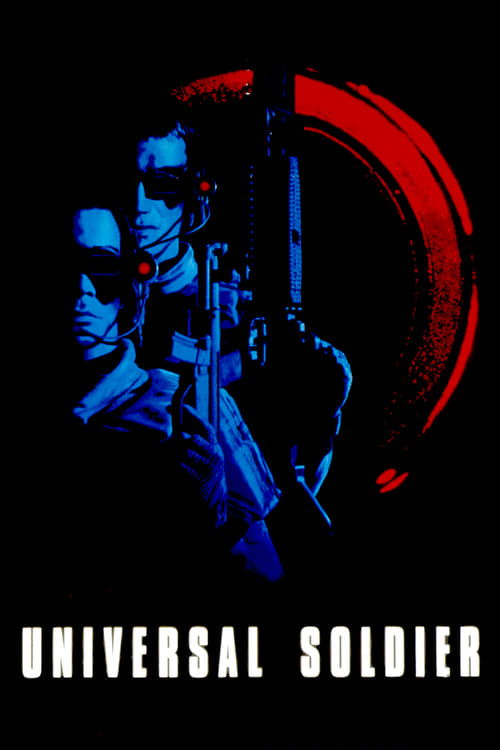
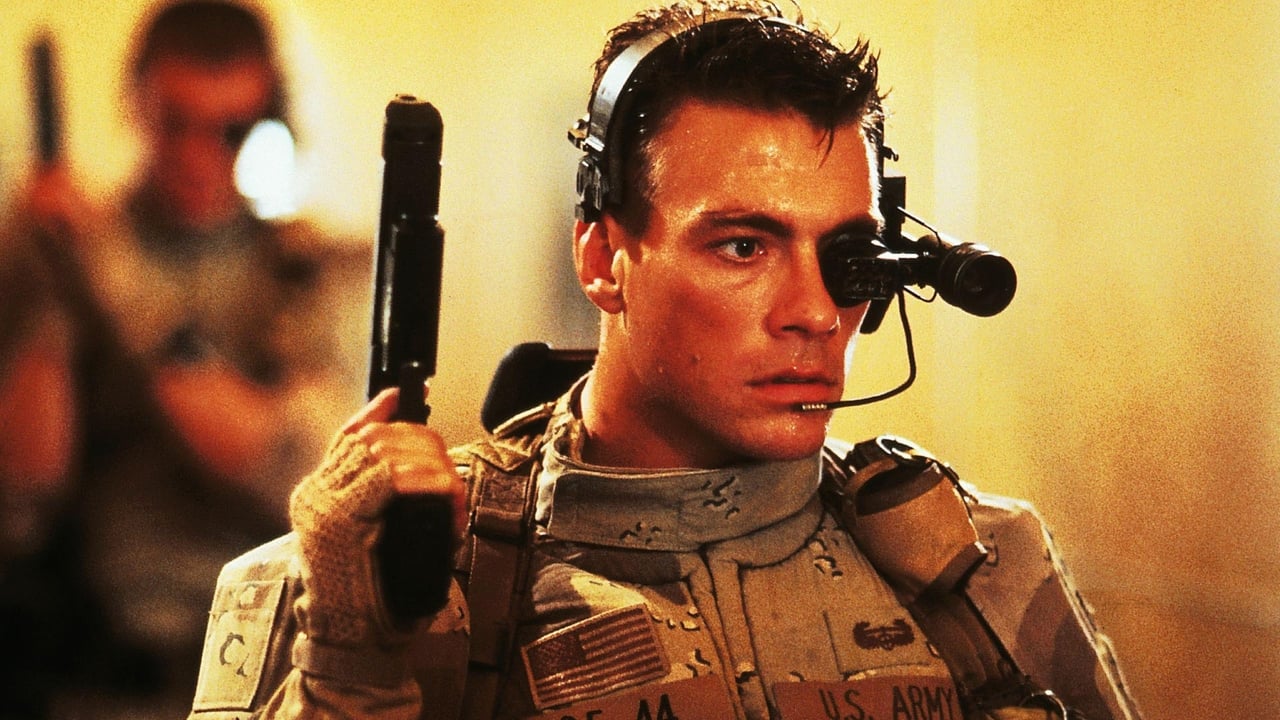
If you want to understand the exact moment the 1980s hyper-masculine action hero collided with the high-concept gloss of the 1990s, look no further than a necklace made of human ears. It hangs around the neck of a sweat-drenched, bug-eyed Dolph Lundgren, and it’s the perfect symbol for Universal Soldier. This movie is loud, slightly grotesque, intensely physical, and precisely the kind of "cable TV at 11 PM" gold that defined a generation of action fans.
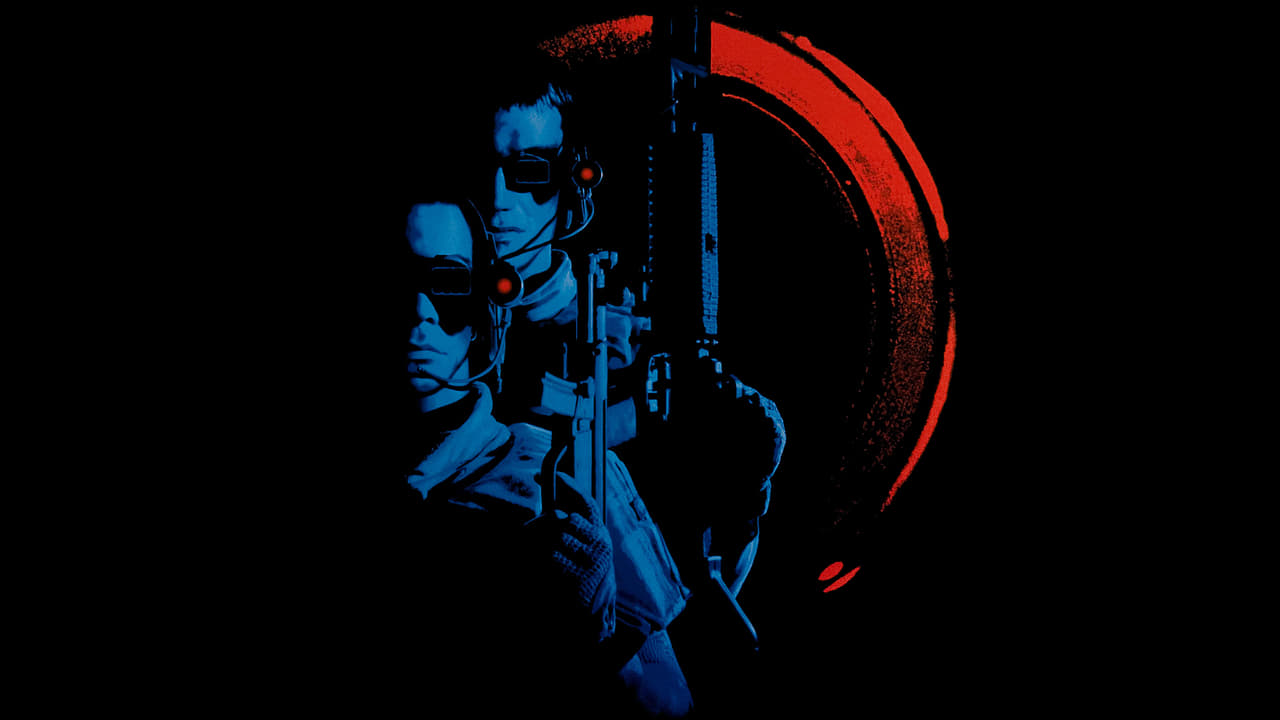
I watched this recently while my neighbor was power-washing his driveway, and the rhythmic, industrial drone of his machine perfectly synced up with the hum of the UniSol cooling truck on screen. It was accidentally immersive, and honestly, it’s the only way to experience a film that treats human bodies like overheating PCs.
The Ultimate Action Movie Publicity Stunt
Before we even get to the plot, we have to talk about the 1992 Cannes Film Festival. In a move that would make modern PR agents faint, Jean-Claude Van Damme and Dolph Lundgren staged a "real" fight on the red carpet to promote the film. It was pure theater—two titans of the VHS era jawing at each other while security "held them back"—but it worked. It signaled that this wasn't just another sci-fi flick; it was a heavyweight bout.
Directed by Roland Emmerich and written by Dean Devlin (the duo who would later gift us Independence Day and Stargate), Universal Soldier arrived at a fascinating crossroads in cinema history. We were moving away from the gritty, practical grime of the 80s into a more polished, tech-obsessed aesthetic. This was Carolco Pictures in their heyday—the same studio that gave us Terminator 2: Judgment Day—and you can see every cent of that $23 million budget on the screen. While $23 million sounds like a rounding error for a Marvel movie today, in 1992, it bought you real explosions, real truck chases, and enough practical squibs to paint a small town red.
Practical Mayhem Before the Digital Flood
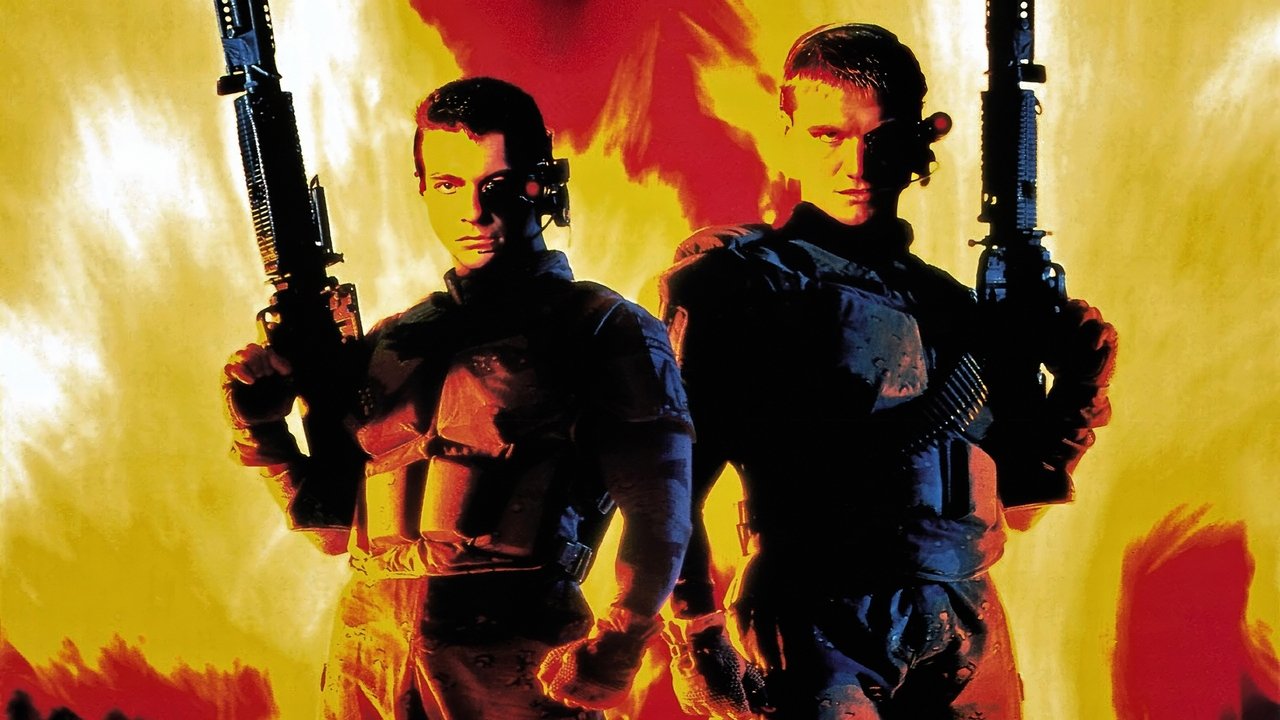
The plot is peak sci-fi pulp: Luc Deveraux (Jean-Claude Van Damme) and Andrew Scott (Dolph Lundgren) kill each other in Vietnam, only to be cryogenically frozen and resurrected decades later as "UniSols"—emotionless, elite counter-terrorism drones. The catch? Memory isn't as easy to delete as a hard drive. When Luc starts having flashbacks to his "human" life, the whole program begins to unravel, leading to a cross-country chase involving a resourceful journalist (Ally Walker) and a very angry, ear-collecting Dolph.
What strikes me looking back is how much more "weight" the action has compared to the CGI-heavy spectacles that followed. When a bus flips over a cliff in this movie, a real bus is flipping over a real cliff. Van Damme and Lundgren aren't fighting digital doubles; they are two massive humans throwing actual kicks and crashing through actual drywall. The choreography isn't the hyper-stylized "gun-fu" we see in John Wick—it’s more deliberate and punishing. Jean-Claude Van Damme’s performance here is roughly 40% karate and 60% looking confused at a diner, and it weirdly works. He plays the "blank slate" soldier with a genuine vulnerability that makes you root for him, even when he's doing the inevitable "JCVD split" to dodge a punch.
The High-Concept B-Movie That Conquered the World
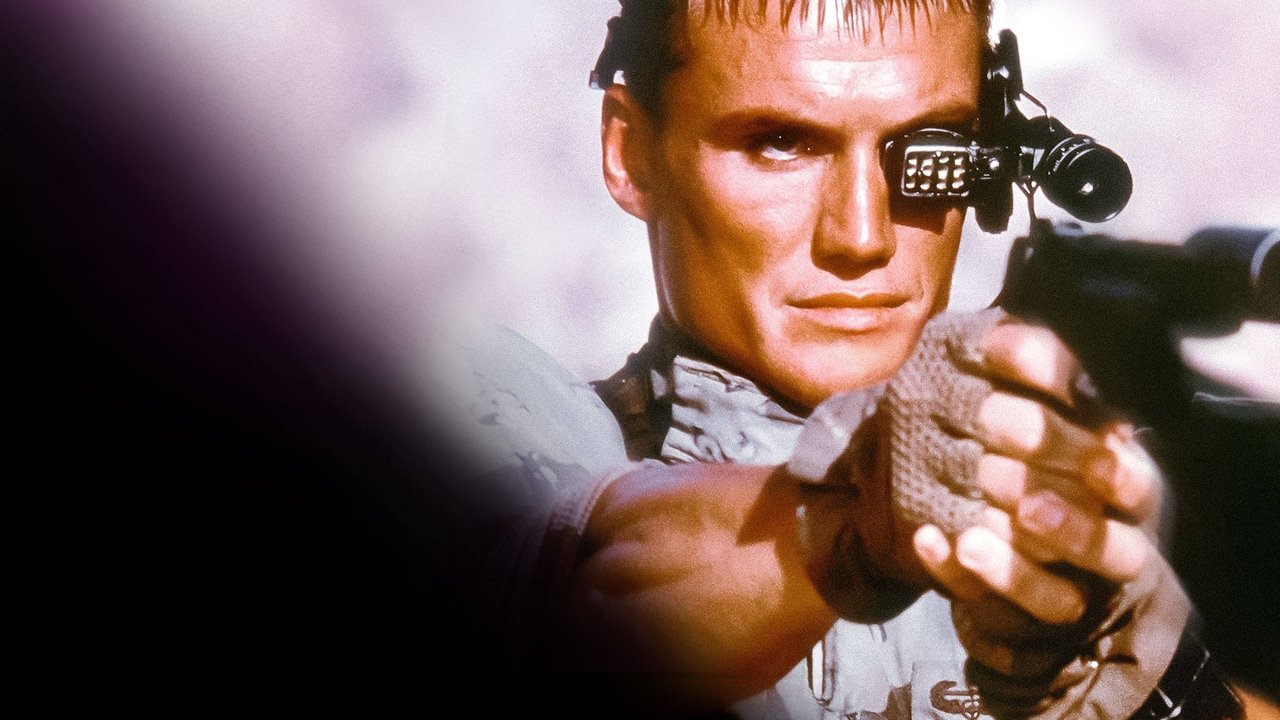
While Van Damme is the hero, Dolph Lundgren is the movie's secret weapon. As Sergeant Andrew Scott, he is terrifyingly unhinged. This isn't just a villain role; it’s a full-on descent into psychosis. Dolph Lundgren turns into a glorified, ear-collecting lawn ornament, and I am here for every second of it. He brings a frantic, terrifying energy that contrasts perfectly with Luc’s stoicism. And seeing a young Jerry Orbach (years before his iconic run on Law & Order) as the scientist caught in the middle adds a layer of "Wait, is that Lennie Briscoe?" charm that only 90s casting can provide.
The film was a massive hit, pulling in nearly $120 million worldwide. It proved that the "super soldier" trope had legs, spawning a dizzying array of sequels (some of which are surprisingly avant-garde, like Universal Soldier: Day of Reckoning). But the original remains the purest distillation of the era's anxieties about government overreach and the dehumanization of combatants, all wrapped in a shiny, explosive package. It captured that pre-9/11 sense of military invincibility that was just beginning to be questioned by the very tech intended to perfect it.
Universal Soldier is the kind of movie they truly don't make anymore—a high-budget, R-rated practical actioner that treats its ridiculous premise with total sincerity. It doesn't wink at the camera; it stares you down while reloading a desert eagle. It’s a relic of a time when movie stars were brands, and an explosion was a physical event you could feel in your teeth.
If you haven't revisited this one since the days of Blockbuster rentals, give it another spin. The tech might look like it belongs in a museum, and the outfits are aggressively 90s, but the chemistry between the leads is undeniable. It’s a loud, proud reminder of why we fell in love with these action icons in the first place. Just maybe skip the ear-necklace if you're planning on wearing it to brunch.

Keep Exploring...
-
Timecop
1994
-

Universal Soldier: The Return
1999
-
Stargate
1994
-
Independence Day
1996
-
Another 48 Hrs.
1990
-
RoboCop 2
1990
-
Godzilla
1998
-

Double Impact
1991
-
Hard Target
1993
-
Lethal Weapon 3
1992
-
Patriot Games
1992
-
In the Line of Fire
1993
-
Star Trek: Generations
1994
-
Bad Boys
1995
-
The Net
1995
-
Star Trek: First Contact
1996
-

The Day After Tomorrow
2004
-
2012
2009
-

Outbreak
1995
-
Face/Off
1997