Wayne's World
"Basement broadcast. Global takeover. Party on."
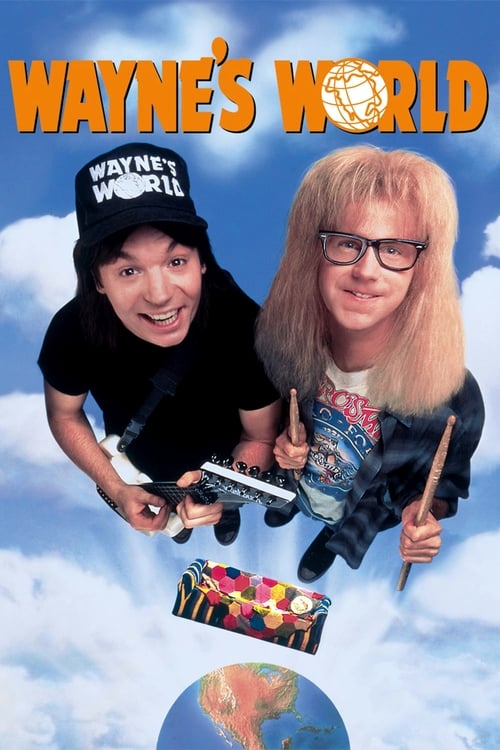
In February 1992, the cultural landscape was in a state of confused transition. Nirvana’s Nevermind had just dethroned Michael Jackson on the Billboard charts, signaling the death of 80s excess, yet hair metal was still twitching in its spandex grave. Into this friction stepped two "amiably aimless" metalheads from Aurora, Illinois, broadcasting from a wood-paneled basement. On paper, a feature-length film based on a recurring Saturday Night Live sketch shouldn’t have worked—and history is littered with the carcasses of those that didn't (looking at you, It’s Pat). But Wayne’s World didn’t just work; it defined a specific brand of meta-comedy that paved the way for everything from Family Guy to Deadpool.
I watched this recently while trying to peel a particularly stubborn price sticker off a thrifted coffee mug, and I was struck by how much the film’s "low-fi" aesthetic actually feels high-effort. For a movie about two slackers, the comedic engineering here is incredibly precise.
The Anatomy of the Riff
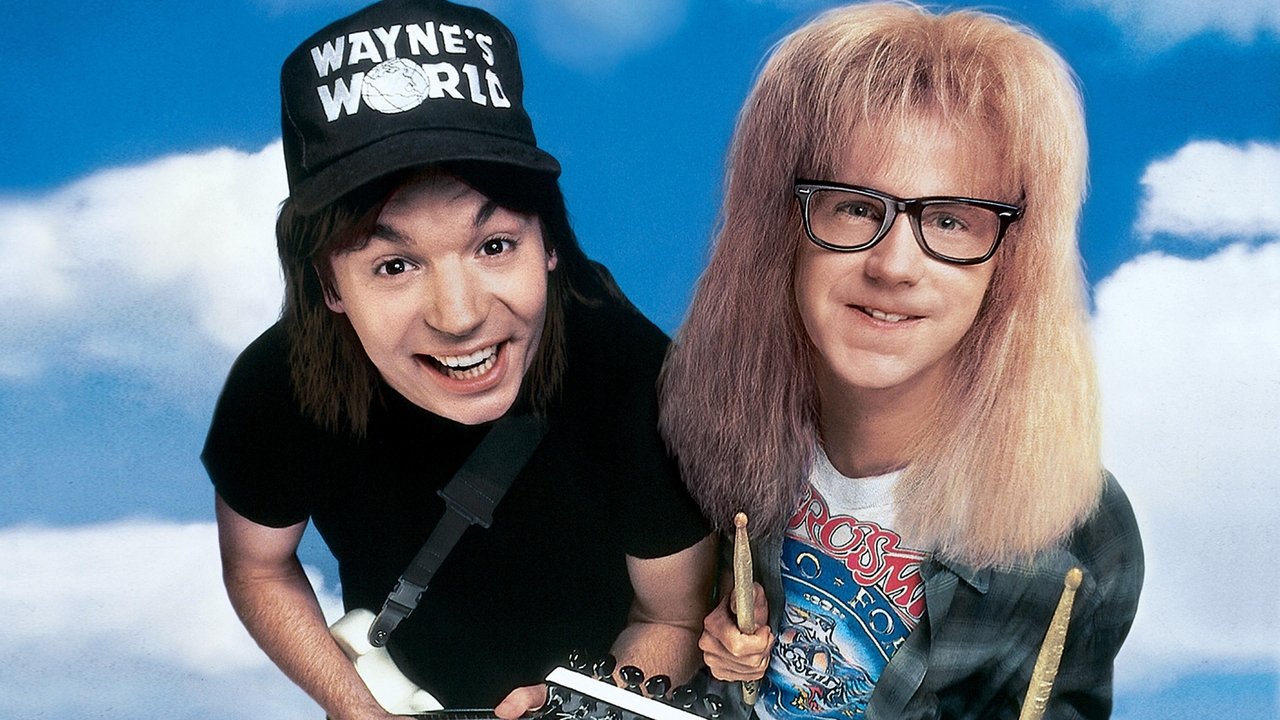
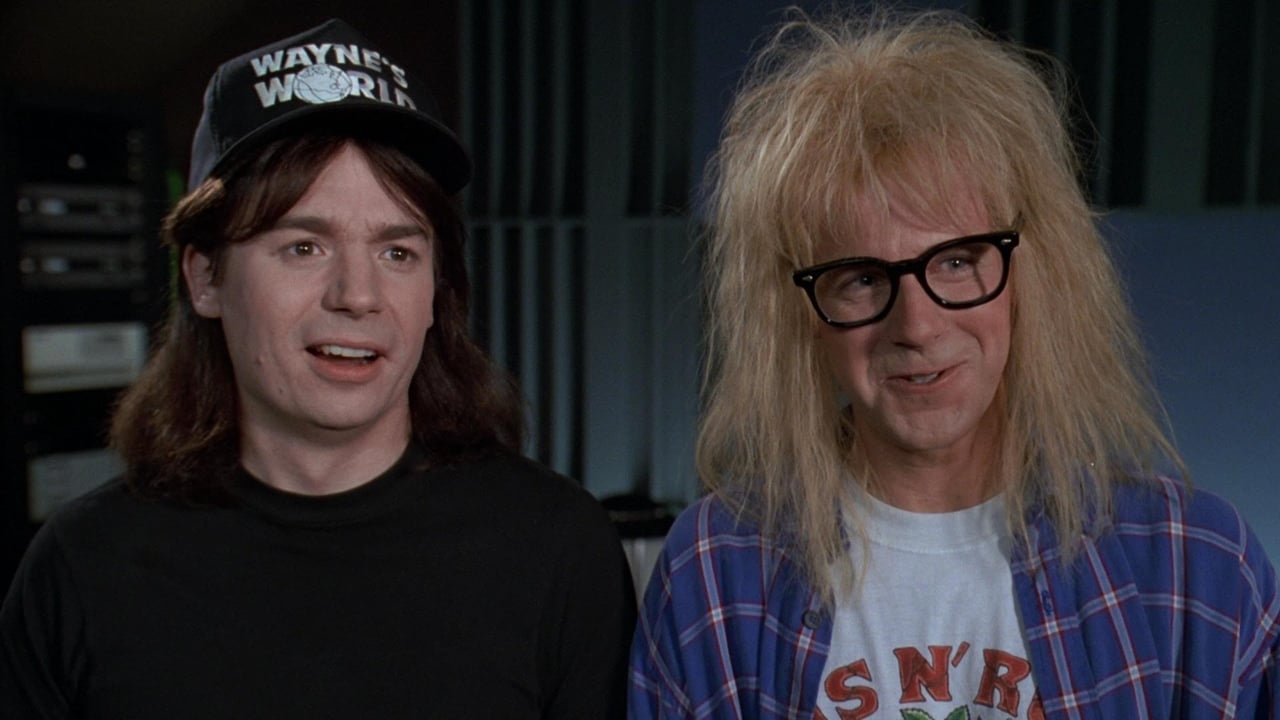
The genius of Mike Myers (who would later give us Austin Powers) and Dana Carvey is their lived-in chemistry. While Mike Myers carries the narrative momentum as Wayne, I’ve always felt that Garth is actually the more complex character, and I’ll die on that hill. Dana Carvey’s performance is a masterclass in specific, rhythmic tics—the way he drums on his thighs, the nervous "harshed my mellow" delivery, and that blank, wide-eyed stare that suggests he’s hearing a radio station no one else can pick up.
The film’s structure is a series of Russian nesting dolls of gags. It uses the "public access TV" premise to break the fourth wall constantly, inviting us into their world with a wink. When Wayne looks at the camera to tell us he won’t "bow to any sponsor" while aggressively holding a box of Pizza Hut and a can of Pepsi, it’s not just a joke; it’s a critique of the very corporate Hollywood system that was currently funding the film. This kind of self-awareness was groundbreaking for a studio comedy in the early 90s. Before the MCU started winking at the audience every five minutes, Wayne and Garth were literally stopping the movie to offer us three different endings.
The "Bohemian Rhapsody" Effect
You can’t talk about this film without talking about the scale of its success and its weird, lingering impact on the music industry. Produced for a relatively lean $20 million, it exploded into a $183 million global phenomenon. It didn’t just dominate the box office; it single-handedly resurrected Queen’s "Bohemian Rhapsody" in America. Freddie Mercury was reportedly shown the scene shortly before his death and loved it, and the song shot back to number two on the Billboard Hot 100 nearly twenty years after its release.
The "Bohemian Rhapsody" sequence is a perfect example of comedic timing and editing. Director Penelope Spheeris—who came from a background of documenting the gritty L.A. punk scene in The Decline of Western Civilization—shot that scene with a sense of authentic camaraderie. The way the five guys in the Mirthmobile hit the "Galileo!" head-banging beat in perfect, slightly-sloppy unison is pure joy. It’s one of the few moments in cinema that perfectly captures what it feels like to be young, bored, and obsessed with a song.
Behind the scenes, though, the production was famously tense. Penelope Spheeris and Mike Myers clashed frequently over the edit. Mike Myers was a perfectionist who wanted total control over the jokes, while Spheeris wanted to maintain the rock-and-roll edge. Looking back, that friction likely helped the film; it has a sharper, more cynical bite than the sequels or later Mike Myers projects. Even the casting of Rob Lowe as the "handsome-evil" executive Benjamin Kane was a brilliant subversion of his 80s "Brat Pack" persona, proving he had the comedic chops that would later define his career in Parks and Recreation.
A Time Capsule of the VHS Era
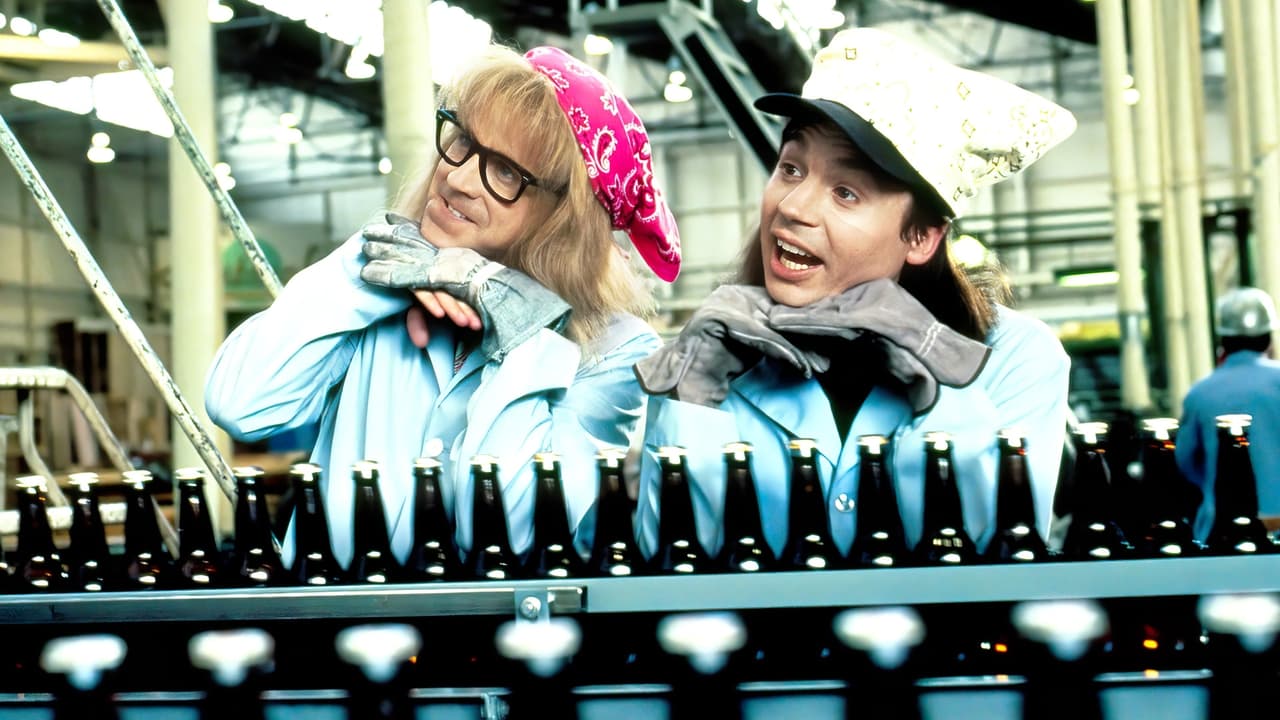
Watching Wayne’s World today is a trip through a very specific technological window. It’s a movie about television made just before the internet changed what "content" meant. The idea of a local public access show becoming a national sensation feels like a prehistoric version of a YouTube channel going viral.
The film is also packed with the kind of trivia that fueled DVD commentary tracks a decade later. For instance, the famous "Stairway to Heaven" joke in the guitar shop—where Wayne is stopped by a "No Stairway" sign—had to be edited for the home video release. Because the studio couldn't secure the rights to the actual Led Zeppelin song, the "forbidden riff" Wayne plays is actually just a generic series of notes that sound vaguely like it. It’s a tiny detail, but it speaks to the scrappy, "get away with what you can" energy of the production.
Then there’s the supporting cast. Tia Carrere as Cassandra wasn’t just a "love interest" trope; she was a legitimate rock presence who actually performed her own vocals, providing a necessary anchor of coolness to balance the guys' dorkiness. And Lara Flynn Boyle’s turn as the "psycho hose beast" Stacy remains one of the most quotable, if slightly dated, antagonistic roles of the era.
Ultimately, Wayne’s World holds up because it’s a movie about friendship that happens to be wrapped in layers of satire and "schwings." It manages to be both incredibly stupid and incredibly smart at the same time, a balance that is much harder to strike than it looks. Whether you’re here for the Alice Cooper cameo or the "Grey Poupon" jokes, the film remains the gold standard for how to turn five minutes of sketch comedy into ninety minutes of genuine heart. It’s a celebratory relic of an era when all you needed was a basement, a camera, and a friend who knew exactly when to head-bang.
Keep Exploring...
-

Wayne's World 2
1993
-
Austin Powers: The Spy Who Shagged Me
1999
-
Austin Powers: International Man of Mystery
1997
-

Austin Powers in Goldmember
2002
-

The Little Rascals
1994
-
Tommy Boy
1995
-
Shrek 2
2004
-
Shrek Forever After
2010
-
Another 48 Hrs.
1990
-
Back to the Future Part III
1990
-
Bird on a Wire
1990
-
Home Alone
1990
-
Kindergarten Cop
1990
-
Pretty Woman
1990
-
Teenage Mutant Ninja Turtles
1990
-
Fried Green Tomatoes
1991
-

Hot Shots!
1991
-
The Addams Family
1991
-
The Naked Gun 2½: The Smell of Fear
1991
-
A League of Their Own
1992