White Men Can't Jump
"Winning is temporary. The trash talk is forever."
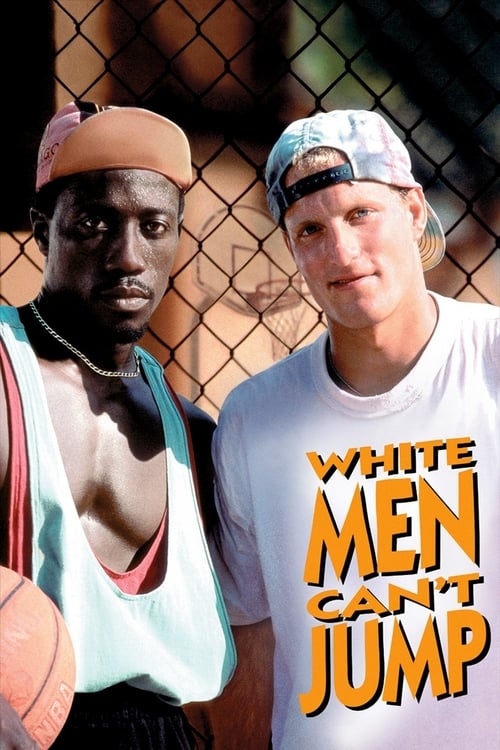
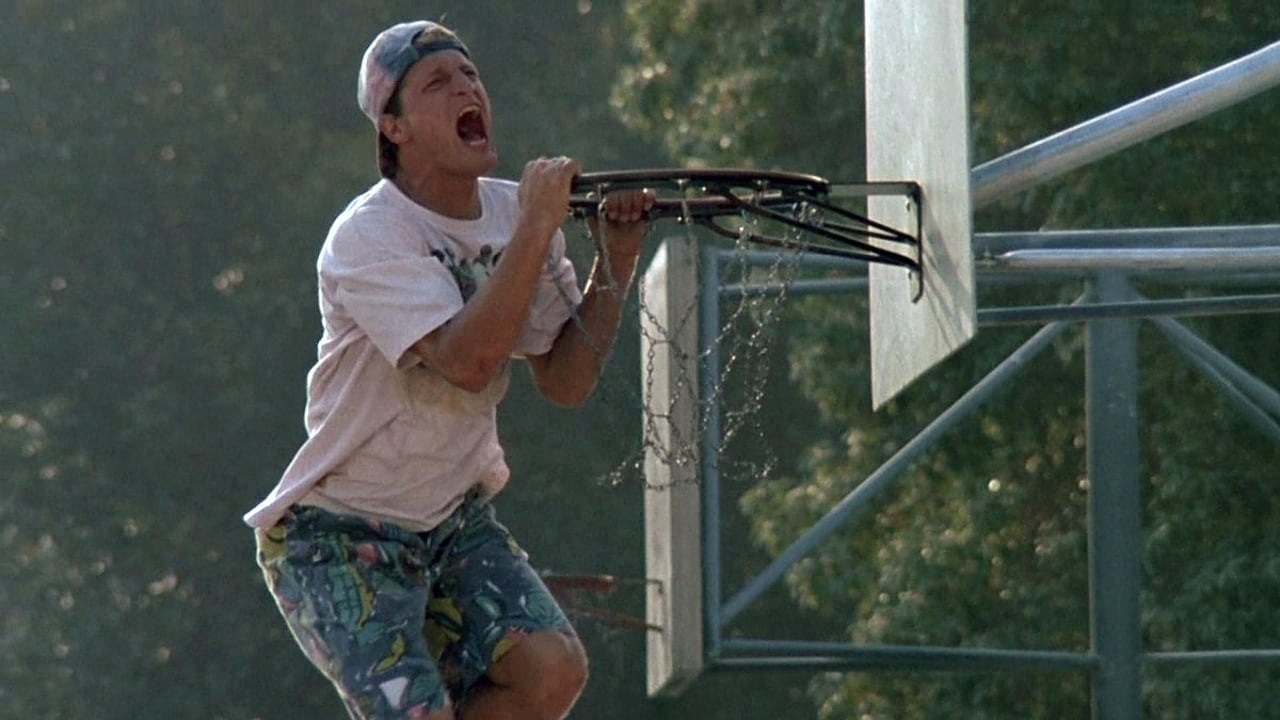
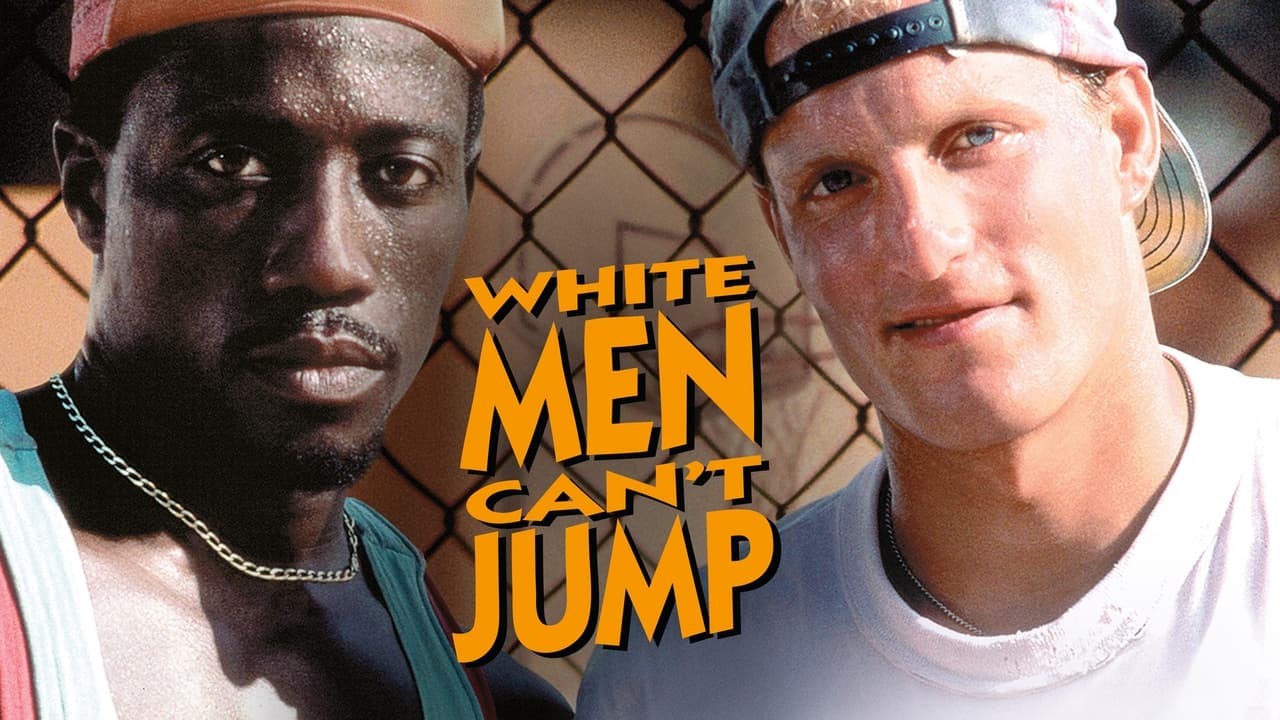
The first thing that hits you isn't the basketball; it’s the noise. It’s the rhythmic, percussive slap of a rubber ball on sun-baked asphalt, underscored by a steady stream of verbal napalm. In the opening minutes of White Men Can't Jump, Woody Harrelson wanders onto a Venice Beach court looking like a garage sale exploded on a toddler. He’s wearing a floppy hat, a tank top that’s seen better decades, and an expression of terminal confusion. He looks like easy money.
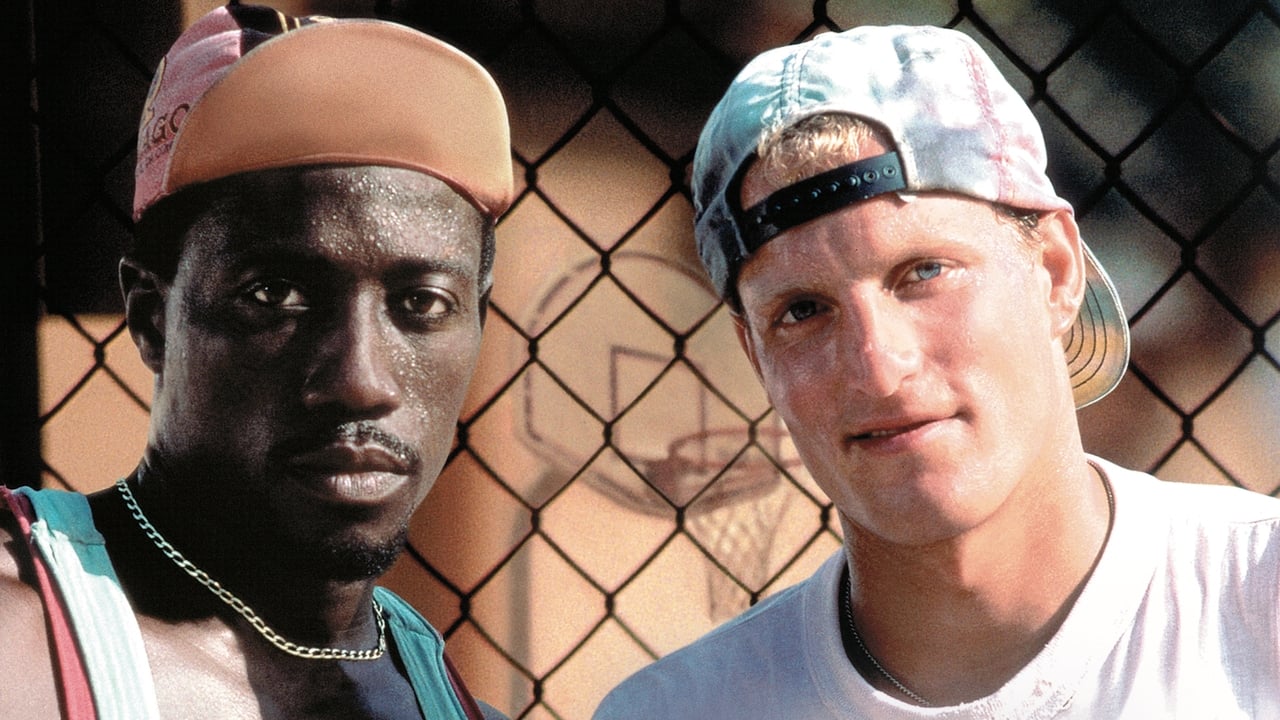
That’s the hook, of course. Watching Billy Hoyle (Harrelson) dismantle streetball legends while looking like he just got lost on his way to a frat party is one of the great cinematic joys of the early 90s. I recently rewatched this while wearing a pair of vintage Reebok Pumps I found in my attic—they smelled faintly of damp cardboard and 1994, but they really helped me get into the headspace of a man who lives and dies by the three-point line.
The Chemistry of the Con
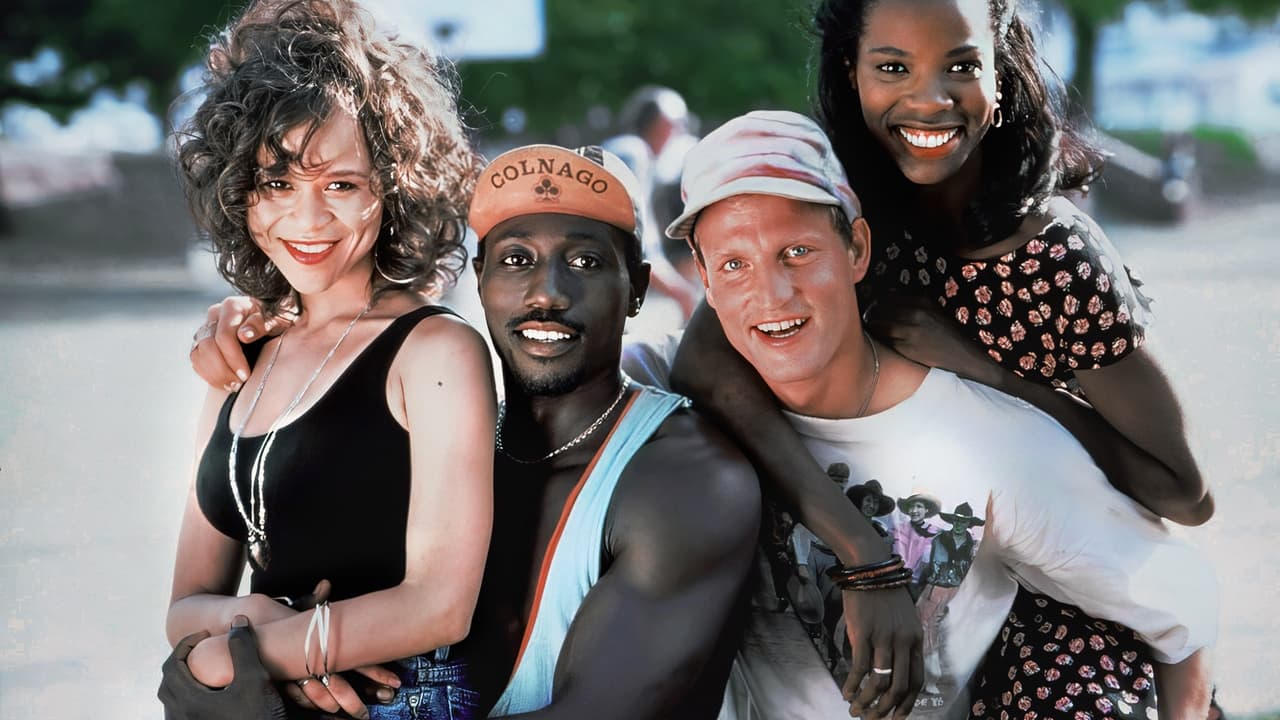
Director Ron Shelton is the undisputed heavyweight champion of the "smart sports movie." He gave us the minor-league poetry of Bull Durham and the mid-life crisis golf of Tin Cup, but here, he captures a very specific kind of urban energy that feels captured, not manufactured. The core of the film belongs to the electric friction between Billy and Sidney Deane, played by Wesley Snipes at the absolute peak of his "coolest man on the planet" era.
Snipes doesn't just play basketball; he weaponizes charisma. As Sidney, he represents the hustle as a lifestyle—it’s about the clothes, the car, the neighborhood, and the relentless need to prove you’re the smartest guy in the zip code. When he teams up with Billy to con other local ballers, the movie transcends the "sports" label. It becomes a buddy comedy about two guys who are fundamentally incapable of being honest with themselves, let alone each other.
The trash talk is legendary for a reason. It’s dense, rhythmic, and weirdly poetic. It reminds me of the era when comedies didn't rely on "bits" so much as they relied on character-driven banter. These two don't just trade insults; they perform surgery on each other's insecurities. Harrelson and Snipes actually did their own stunts, too. Apparently, the production brought in NBA legend Bob Lanier to coach them, and while Harrelson was a legitimate high-school baller, Snipes had to work twice as hard to look like he belonged on those courts. You can see that effort in the sweat—this is a movie you can practically smell.
The Gloria Factor
While the guys are out at the courts, the heart of the movie is vibrating back at the motel in the form of Gloria Clement. Rosie Perez is a force of nature here. In any other movie, the "girlfriend" role is a thankless task of waiting by the phone. In Shelton’s hands, Gloria is a walking encyclopedia of trivia with a singular, burning ambition: to appear on Jeopardy!.
The drama in White Men Can't Jump isn't about whether they win the final tournament; it’s about the tragic, cyclical nature of the gambling addict. Billy can’t stop. He’s a "chump," as Sidney points out, because he keeps betting his future on a game that doesn't love him back. The scenes between Harrelson and Perez are surprisingly tender and deeply frustrating. When Gloria finally gets her shot at the game show, it feels like a high-stakes heist. Perez brings a frantic, brilliant vulnerability to the role that balances out the testosterone-fueled ego of the street games.
I’ve always felt that Tyra Ferrell, who plays Sidney’s wife Rhonda, is the unsung hero of this ensemble. She provides the grounded perspective that Sidney desperately needs, turning their marriage into something that feels lived-in and real. She’s the personification of the stakes—she wants a house, a yard, and a life away from the constant grind of the blacktop.
A Venice Beach Time Capsule
Looking back at 1992 through the lens of Russell Boyd’s cinematography, you realize how much we’ve lost to the digital polish of modern film. The colors are loud—neon pinks, vibrant cyans, and that specific California gold—but the texture is grainy and tactile. You feel the heat coming off the pavement. It’s an era-specific aesthetic that hasn't aged so much as it has ripened.
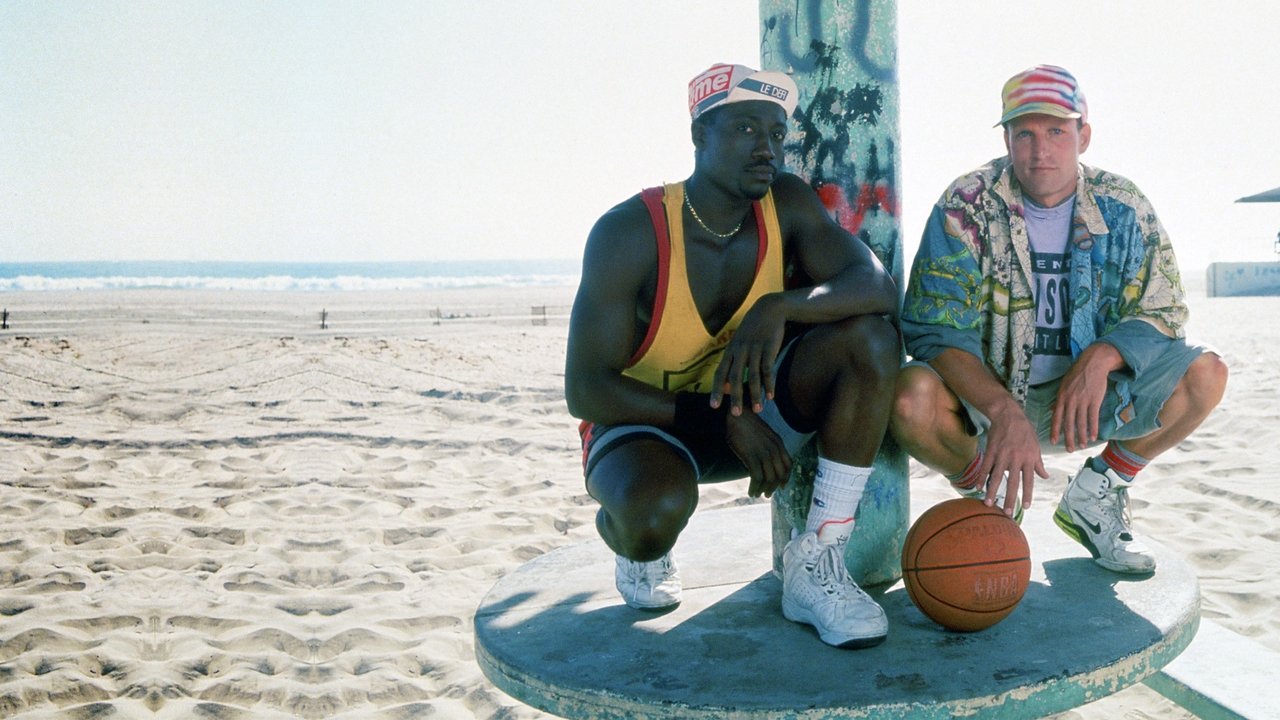
There’s a grit here that modern "urban" films often lack. It captures the transition from the analog 80s into the hyper-stylized 90s, where street culture was beginning to be commodified by big brands but still felt dangerous and local. The supporting cast, featuring Cylk Cozart and Marques Johnson, adds a layer of authenticity. These guys weren't just actors; they looked and moved like they spent twelve hours a day at the park.
The film also tackles race with a lightness of touch that somehow feels more profound than the heavy-handed approaches we see today. It acknowledges the stereotypes, laughs at them, and then moves past them to find the common ground of the hustle. It’s a movie about how we see each other, and how we want to be seen.
White Men Can't Jump is the rare sports movie that understands the game is usually the least interesting thing happening in an athlete's life. It’s a film about the desperation of the "almost-was," the poetry of the perfect insult, and the realization that sometimes, even when you win, you’ve already lost the thing that matters most. It’s funny, it’s loud, and it features Rosie Perez explaining why "being thirsty" is a state of mind. If you haven't seen it in a decade, trust me—it still has game.
Keep Exploring...
-
It Could Happen to You
1994
-
Barton Fink
1991
-
The Fisher King
1991
-
My Cousin Vinny
1992
-
The Mighty Ducks
1992
-

The Muppet Christmas Carol
1992
-
The Player
1992
-
The Hudsucker Proxy
1994
-
To Die For
1995
-
Bottle Rocket
1996
-
That Thing You Do!
1996
-
Deconstructing Harry
1997
-
Wag the Dog
1997
-
Kingpin
1996
-

The People vs. Larry Flynt
1996
-
Maverick
1994
-

EverAfter
1998
-
Blast from the Past
1999
-
Election
1999
-

Never Been Kissed
1999