A Bronx Tale
"The saddest thing in life is wasted talent."
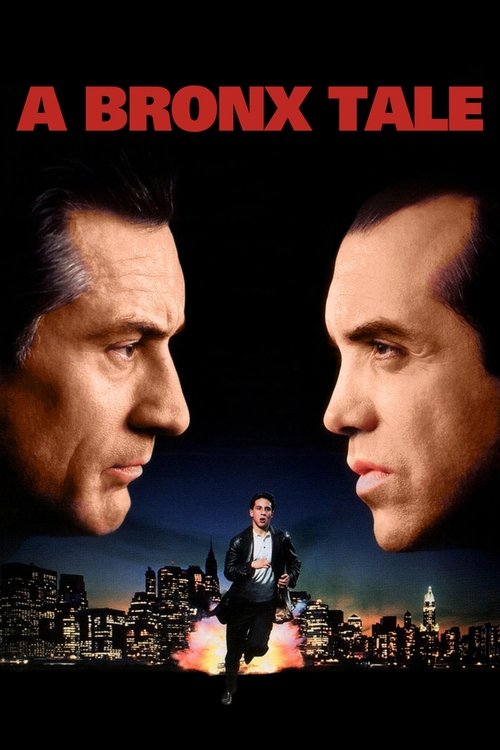
Most directorial debuts from acting titans feel like vanity projects—overstuffed, indulgent, and desperate for an Oscar. But when Robert De Niro stepped behind the camera for A Bronx Tale in 1993, he didn’t go for the flash. He went for the stoop. There’s a specific gravity to this film that feels different from the operatic violence of Martin Scorsese’s Goodfellas (1990) or the grand tragedy of The Godfather. It’s smaller, meaner, and ultimately much more heartbreaking.
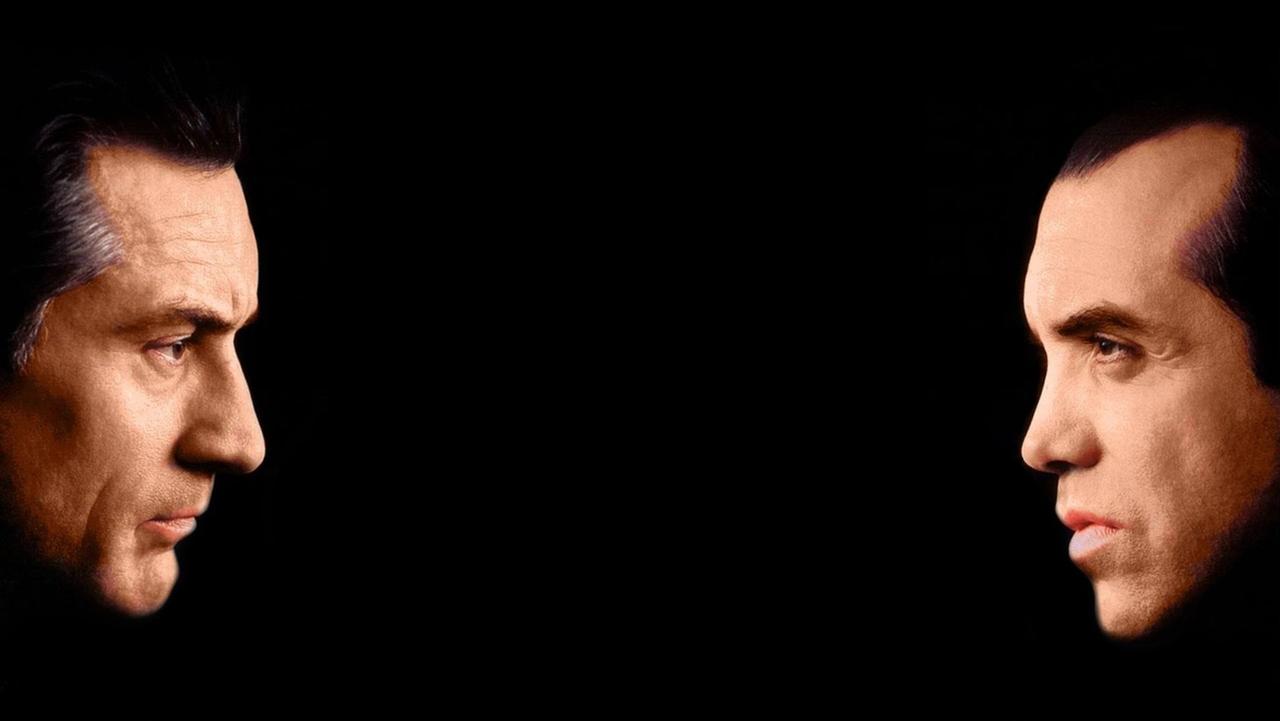
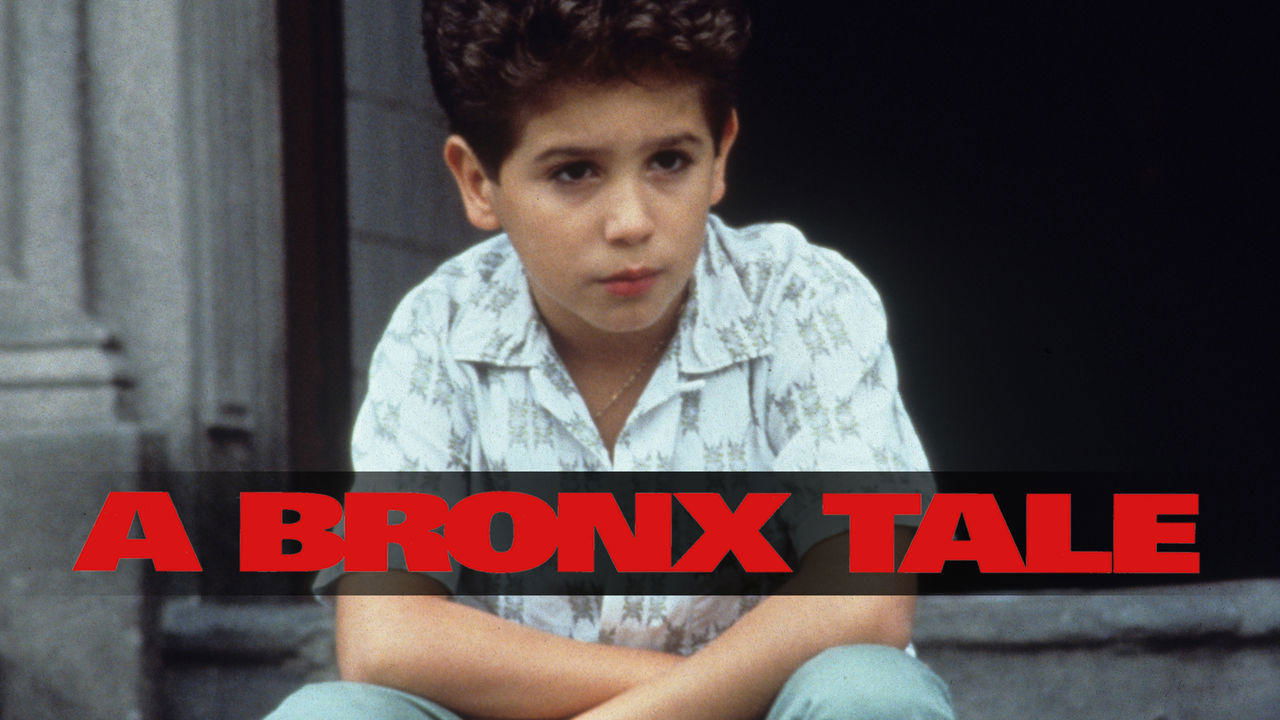
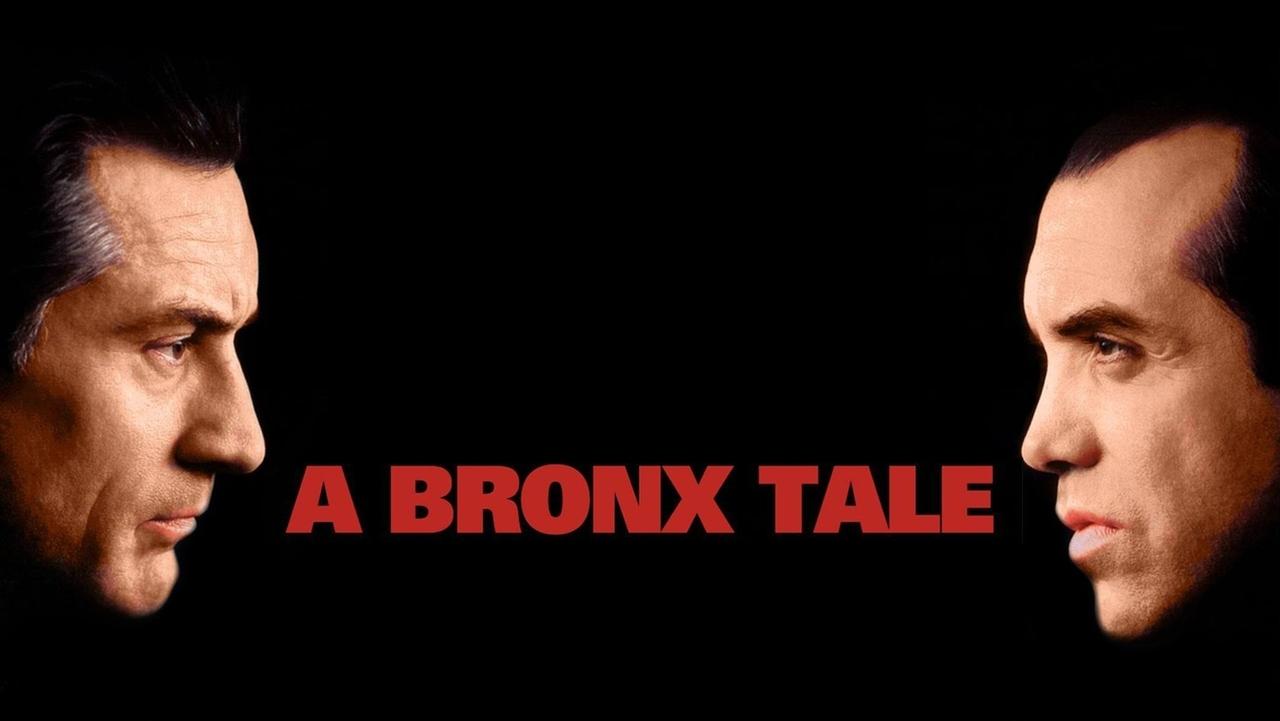
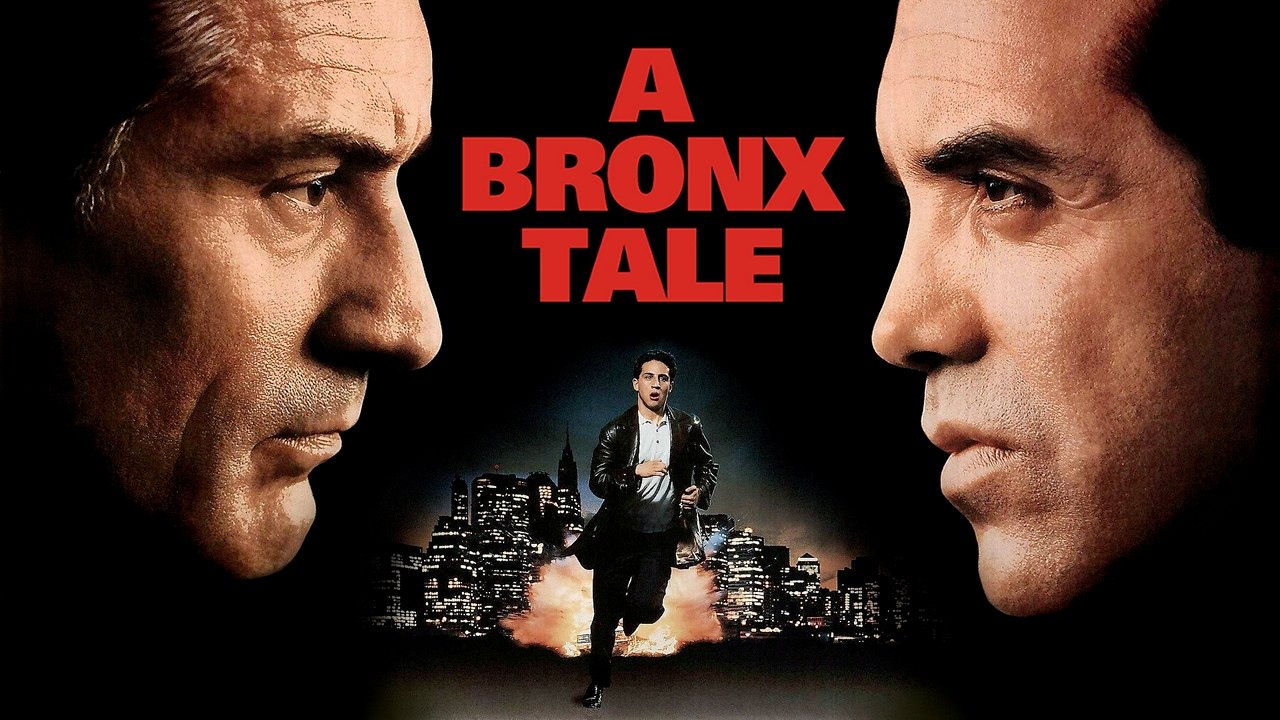
The film serves as a localized battle for the soul of a kid named Calogero, played with a wide-eyed, terrifyingly natural vulnerability by Francis Capra as a child and Lillo Brancato as a teenager. On one side, you have his father, Lorenzo (Robert De Niro), a bus driver who believes the working man is the real hero. On the other, you have Sonny (Chazz Palminteri), the local mob boss who treats the neighborhood like his personal chessboard.
The Dueling Idols
What makes this drama resonate so deeply isn't the crime; it’s the way Robert De Niro directs himself. He plays Lorenzo with a quiet, simmering dignity that feels like a rebuke to the "tough guy" roles he’d built his career on. Watching him handle a bus steering wheel with the same intensity he’d usually reserve for a snub-nose .38 is a revelation. He represents the "boring" life—the 9-to-5 grind that pays for the lights but doesn't offer the neighborhood's respect.
Opposite him, Chazz Palminteri delivers a performance that should have made him an overnight superstar. His Sonny isn't a cartoon villain; he’s a philosopher-king in a sharp suit. He offers Calogero (nicknamed "C") a brand of Machiavellian wisdom that is dangerously seductive. When Sonny explains the "Door Test"—the definitive 1960s dating metric involving whether a girl reaches over to unlock your car door—you realize why a kid would choose this life. Palminteri’s presence is so commanding that you almost forget he’s a murderer until the bullets actually start flying.
I watched this recently while sitting on a slightly unstable IKEA chair that kept creaking every time someone got shot on screen, and that rhythmic snapping sound strangely mimicked the sudden, percussive violence that erupts in the middle of these otherwise nostalgic scenes. It kept me on edge, which is exactly where this film wants you.
A Neighborhood Divided
While many crime dramas of the 90s were content to stay within the vacuum of their own subculture, A Bronx Tale takes a hard, ugly turn into the racial tensions of the 1960s. The romance between C and Jane (Taral Hicks) isn’t just a "forbidden love" trope; it’s the catalyst that exposes the rot in the neighborhood. The scenes involving C’s "friends"—a group of narrow-minded, violent losers—are genuinely difficult to watch.
The film doesn’t shy away from the tribalism of the era. The cinematography by Reynaldo Villalobos captures the Bronx in a way that feels both golden-hued and claustrophobic. The bars on the windows and the literal lines in the pavement define who belongs and who gets a beatdown. This is where the "Dark/Intense" modifier truly earns its keep; the tension in the latter half of the film is suffocating. You aren't just worried about C getting caught by the cops; you’re worried about him losing his humanity to the mob of angry boys he calls his brothers.
The Stoop and the Script
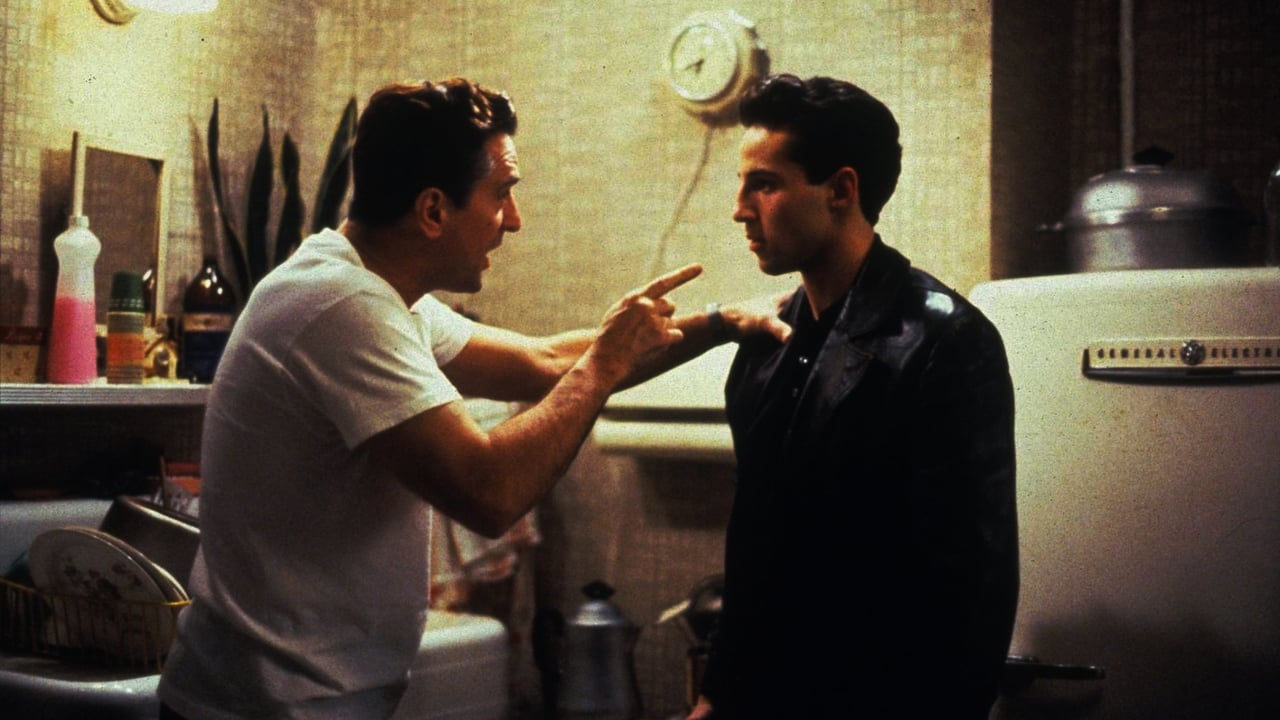
The behind-the-scenes DNA of this movie is just as compelling as the plot. Chazz Palminteri wrote the original one-man play after being fired from a club for refusing to let a certain guest in. He was broke, down to his last few dollars, and was offered $1 million for the film rights. He turned it down because the studio wouldn't let him write the script or play Sonny. It wasn't until Robert De Niro saw the play and gave Chazz his word—actor to actor—that they would do it right, that the movie moved forward.
Here are a few details that make the cult status of this film so enduring:
The opening scene where a young Calogero witnesses a murder? That actually happened to Chazz Palminteri when he was nine years old, sitting on his stoop. Lillo Brancato was discovered at a beach by a casting scout who thought he looked exactly like a young Robert De Niro. The film is dedicated to Robert De Niro’s father, Robert De Niro Sr., who passed away in 1993, adding a layer of personal grief to the father-son dynamics on screen. To keep the "neighborhood" feel, De Niro used many non-actors and local residents from the Bronx and surrounding areas for the background and bit parts. * The "Door Test" became such a cultural touchpoint that it’s still cited in dating advice circles thirty years later.
A Bronx Tale remains a standout of the 90s because it understands that the most dangerous thing in the world isn't a guy with a gun—it's a guy with a philosophy. It captures that specific moment in time when the analog world was shifting, and the rules of the street were being rewritten by a younger, more volatile generation. While the ending is somber and lacks the "cool" factor of other mob hits, its emotional honesty is what keeps it on our screens. It's a film that asks if it's better to be loved or feared, and then quietly reminds you that neither matters if you can't look your father in the eye.
Keep Exploring...
-
GoodFellas
1990
-
Casino
1995
-

Cape Fear
1991
-
Boyz n the Hood
1991
-
Thelma & Louise
1991
-

Falling Down
1993
-
Natural Born Killers
1994
-

Jackie Brown
1997
-
The Godfather Part III
1990
-

The Negotiator
1998
-
The Usual Suspects
1995
-
American Psycho
2000
-
Training Day
2001
-
25th Hour
2002
-

Adaptation.
2002
-
John Q
2002
-
21 Grams
2003
-
Monster
2003
-
Lucky Number Slevin
2006
-
Gone Baby Gone
2007