A Perfect World
"The road to freedom is paved with ghosts."
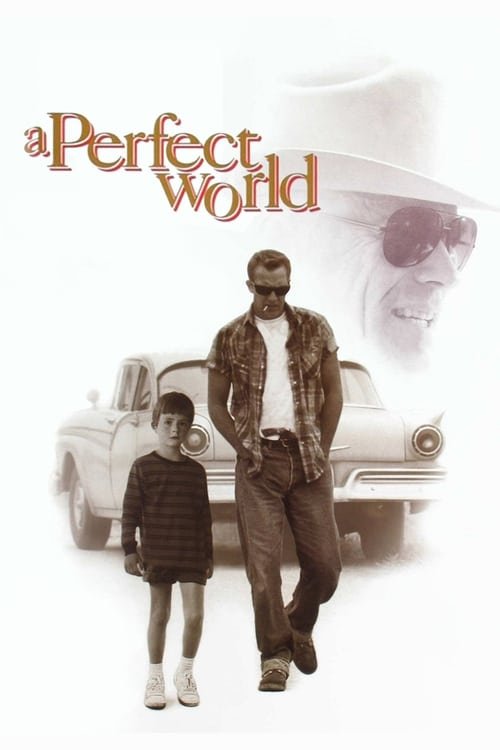
I remember watching A Perfect World for the first time on a sun-faded VHS tape I’d scored from a closing rental shop. The tape had a "Be Kind Rewind" sticker half-peeled off the side, which felt oddly poetic for a movie about a man trying to outrun a past that was already stuck in the machine. I’d gone in expecting a standard 1990s thriller—something along the lines of The Fugitive—but what I got was a haunting, humid character study that felt more like a 1970s outlaw poem.
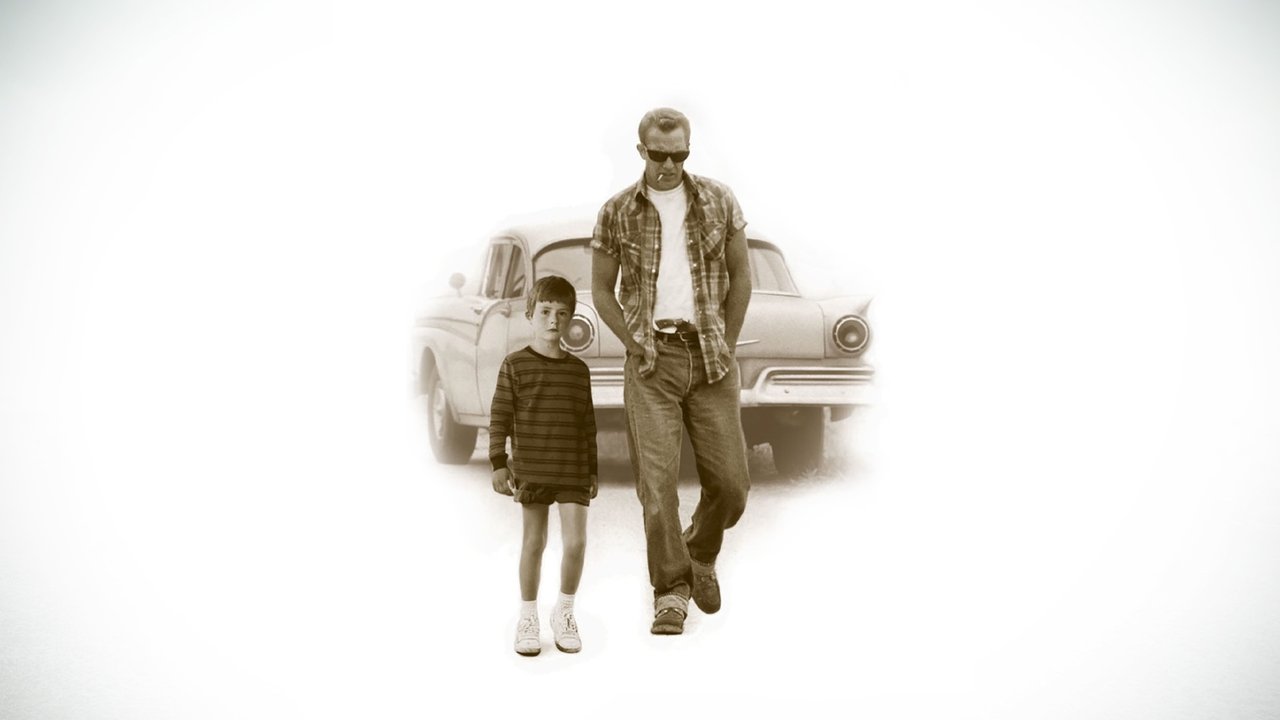
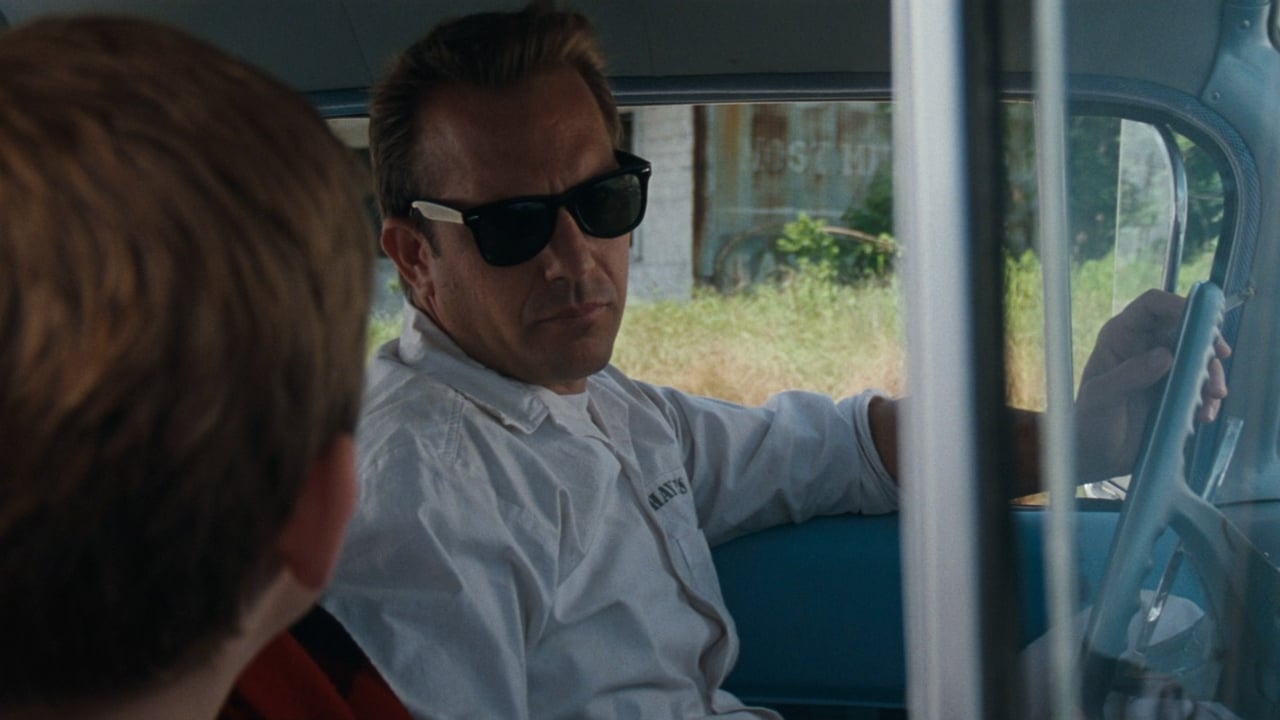
Released in 1993, the same year Steven Spielberg was busy redefining the blockbuster with Jurassic Park, Clint Eastwood was doing something much quieter and, in many ways, much braver. He took Kevin Costner, who was at the absolute zenith of his "American Golden Boy" era, and asked him to play a kidnapping convict who is one bad mood away from becoming a monster. It’s a performance that doesn’t get enough credit; Costner’s Butch Haynes is a reminder that we used to let movie stars be genuinely scary.
The Outlaw and the Astronaut
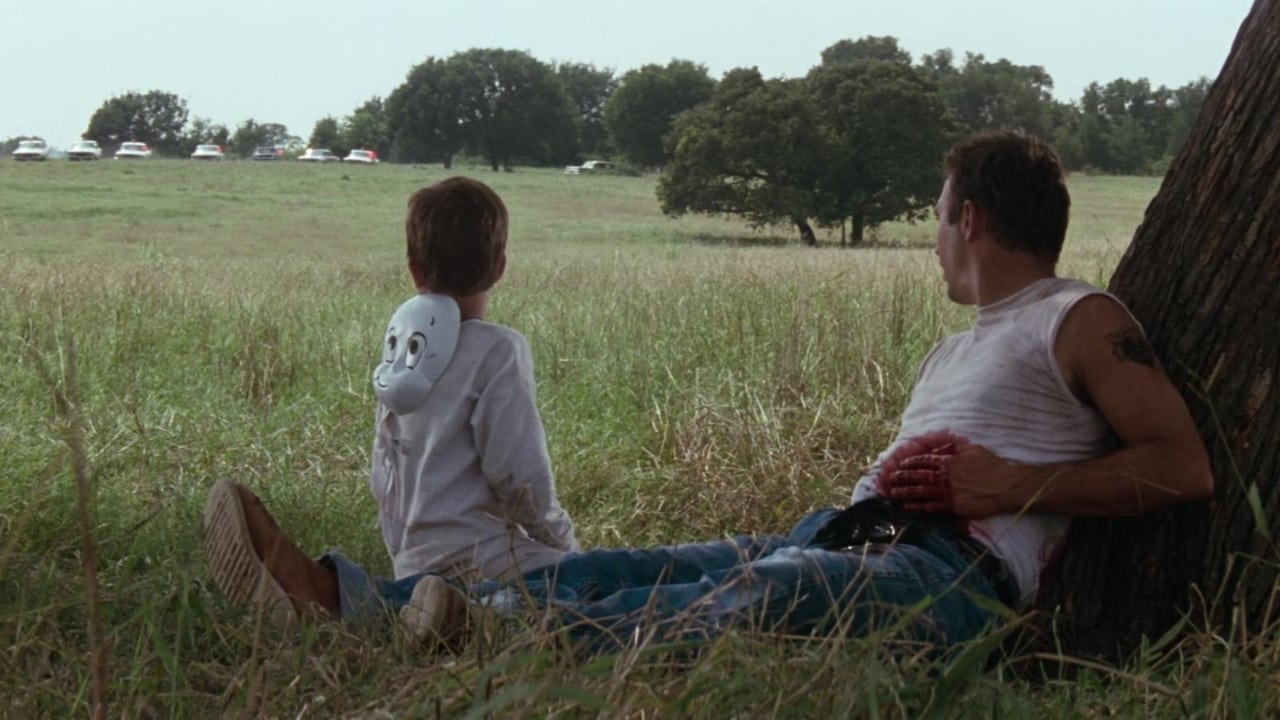
The plot is deceptively simple: Butch Haynes (Kevin Costner) escapes from a Texas prison and, in a moment of panicked desperation, kidnaps an eight-year-old Jehovah’s Witness boy named Phillip, or "Buzz" (T.J. Lowther). What follows isn't a high-speed chase, but a slow-motion drift through a 1963 Texas landscape that feels like it’s holding its breath.
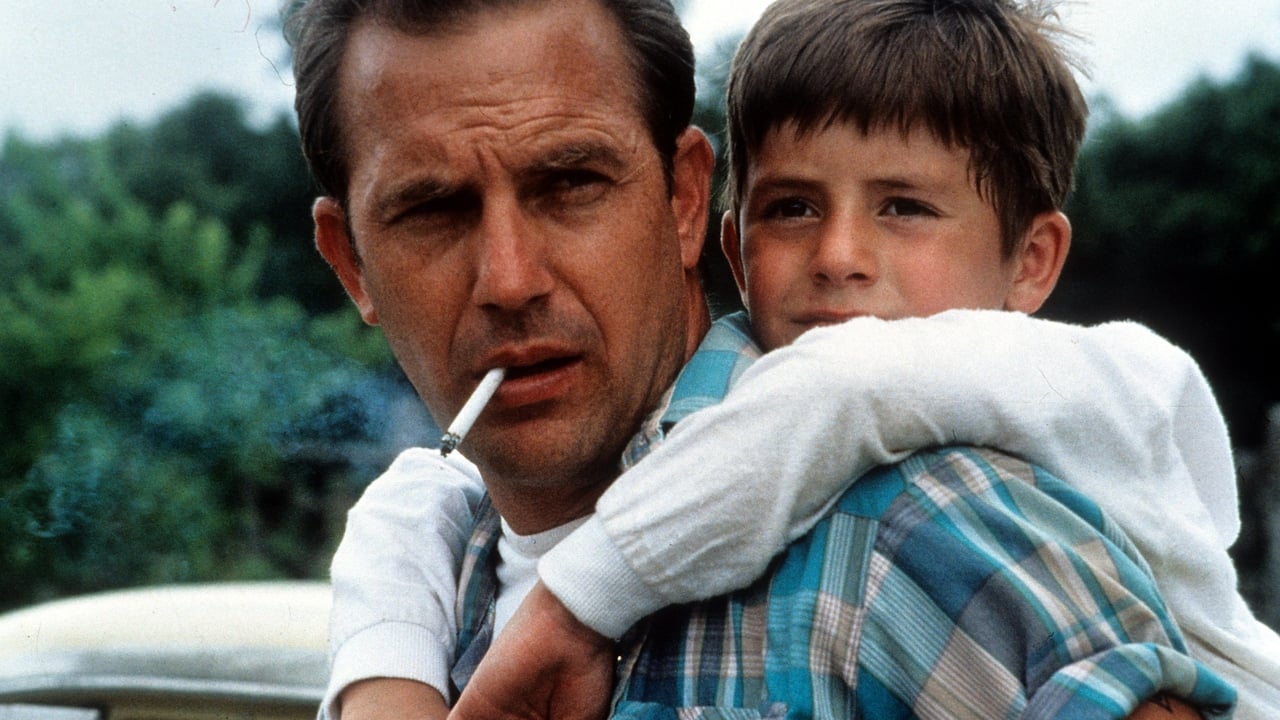
The chemistry between Costner and young Lowther is the soul of the film. Butch isn’t a "heart-of-gold" criminal; he’s a deeply damaged man who sees in Buzz the childhood he never had. They bond over "trick-or-treating" (which Buzz’s religion forbids) and the simple joy of a Caspar the Friendly Ghost mask. But Eastwood never lets us forget the danger. There’s a scene in a farmhouse later in the film involving a family and a Ford truck that is so agonizingly tense it makes most modern "gritty" thrillers look like Saturday morning cartoons. You realize that Butch’s affection for the boy is real, but his hair-trigger temper is just as authentic. He’s a man who wants to be a hero in a world that already decided he was a villain.
The Ranger in the Rearview
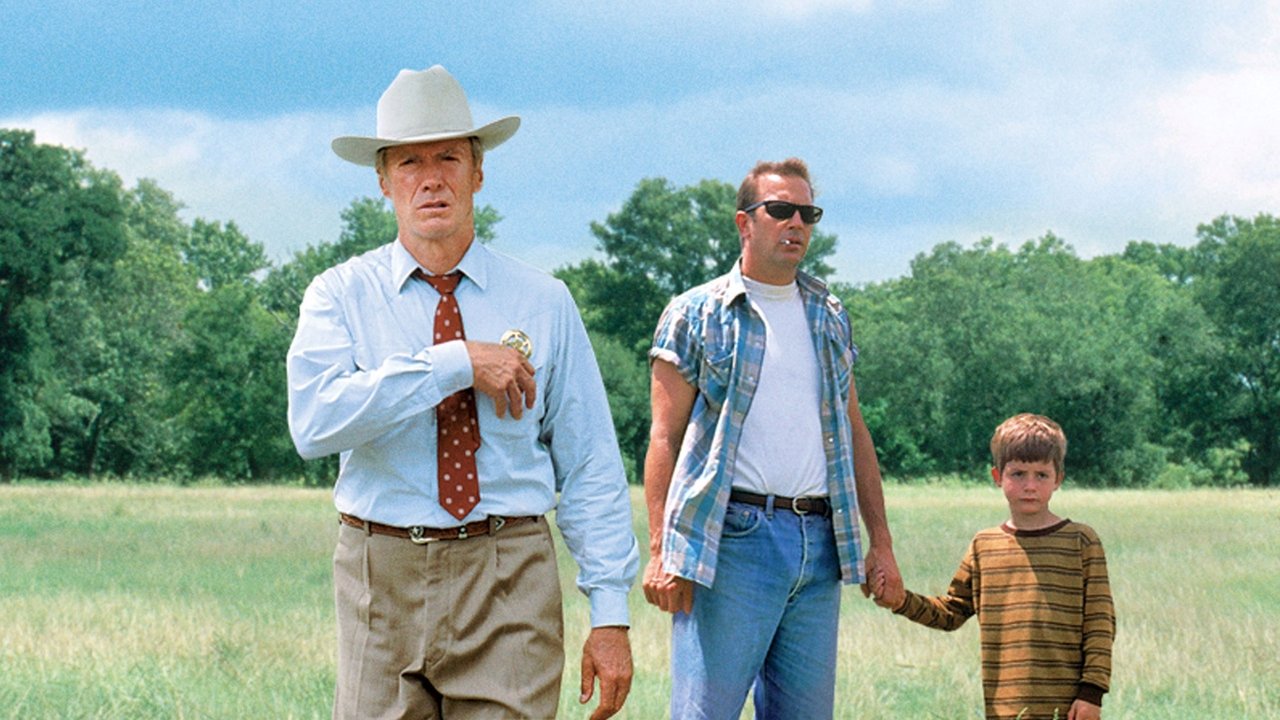
While Butch and Buzz are finding a twisted version of father-son bliss, they’re being hunted by Chief Red Garnett, played by Clint Eastwood himself. Eastwood is in classic "grizzled authority" mode here, but with a layer of guilt. He’s joined by Laura Dern as a pushy, intelligent criminologist and Bradley Whitford (long before The West Wing) as a slimy federal agent with a sniper rifle.
Eastwood’s directing is so invisible it almost feels like the movie just happened on its own. He avoids the flashy digital transitions that were starting to creep into cinema in the early 90s, opting instead for wide, dusty shots of the Texas plains captured by cinematographer Jack N. Green (Unforgiven). The film is set just days before the JFK assassination, and that historical shadow looms over everything. There’s a sense that the "Perfect World" the title mocks is about to end, not just for Butch, but for America.
Behind the Scenes and Box Office Blues
Despite the star power, A Perfect World didn't exactly set the domestic box office on fire. It pulled in about $31 million in the States—a pittance compared to Costner's usual hauls back then. However, it was a massive hit internationally, eventually clearing $135 million worldwide. It seems audiences overseas were more willing to accept a "Dark Costner" than Americans were in 1993.
The production was also famously a bit of a clash of titans. Clint Eastwood is legendary for his "one-take" philosophy—he likes to move fast and keep the energy raw. Kevin Costner, on the other hand, was coming off massive epics like Dances with Wolves and was used to a more meticulous, slow-paced style. Apparently, things got so heated that Costner actually walked off the set at one point after Eastwood started rolling cameras while Costner was still in his trailer. Clint, being Clint, just filmed the scene with a stunt double instead. That friction translates to the screen; there’s a restless, jagged energy to Butch that feels like it might have been fueled by some real-life frustration.
Looking back at it now, A Perfect World feels like a ghost of a movie. It’s a big-budget, star-driven drama that isn't afraid to be profoundly sad and morally messy. It doesn’t offer the easy catharsis of a typical thriller, and the ending—which I won’t spoil—remains one of the most devastating finales of the 90s. I remember eating a bowl of cold spaghetti while watching the final twenty minutes, and I completely forgot to keep chewing. It’s that kind of movie. It stays with you, like the dust of a Texas road that you can’t quite shake off your boots.
Keep Exploring...
-
Mystic River
2003
-
Cape Fear
1991
-
A Time to Kill
1996
-
Primal Fear
1996
-

Sleepers
1996
-
Donnie Brasco
1997
-
JFK
1991
-
The Talented Mr. Ripley
1999
-

Traffic
2000
-

Inside Man
2006
-
The Town
2010
-

Miller's Crossing
1990
-

The Silence of the Lambs
1991
-
Bound by Honor
1993
-
Carlito's Way
1993
-

Falling Down
1993
-
Natural Born Killers
1994
-
Strange Days
1995
-
The Usual Suspects
1995
-
Fargo
1996