Addams Family Values
"Eat your heart out, Malibu Barbie."
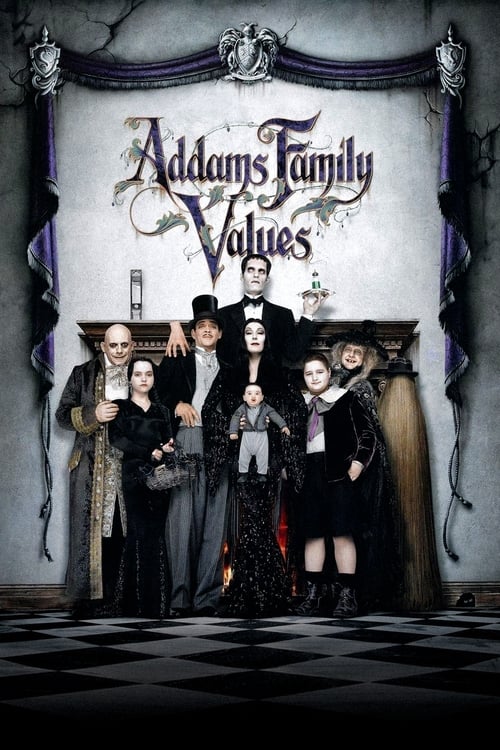
In 1992, the phrase "Family Values" was a political bludgeon used to suggest that anything outside the picket-fence norm was a threat to the American fabric. By 1993, director Barry Sonnenfeld and screenwriter Paul Rudnick decided to take that bludgeon and beat the status quo to a pulp with it. Addams Family Values isn't just a sequel that improves upon its predecessor; it’s a razor-sharp satire that uses its gothic, kooky exterior to dismantle the hypocrisy of "normal" American life. While I was watching this last night, I accidentally dropped a grape into my glass of ginger ale and spent five minutes fascinated by how the bubbles made it dance, which felt like a very Addams-esque way to ignore the world, but it also reminded me that this movie is all about the joy of being uniquely, beautifully strange.
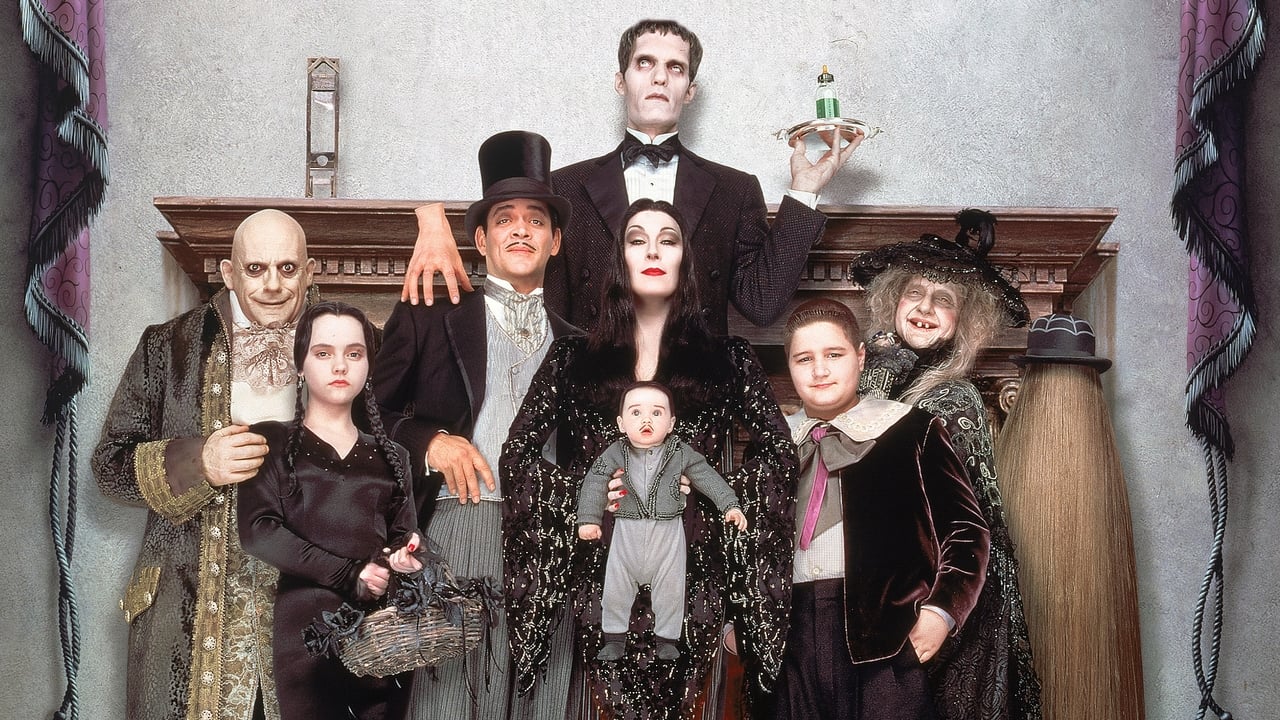
The Most Functional Dysfunctional Family
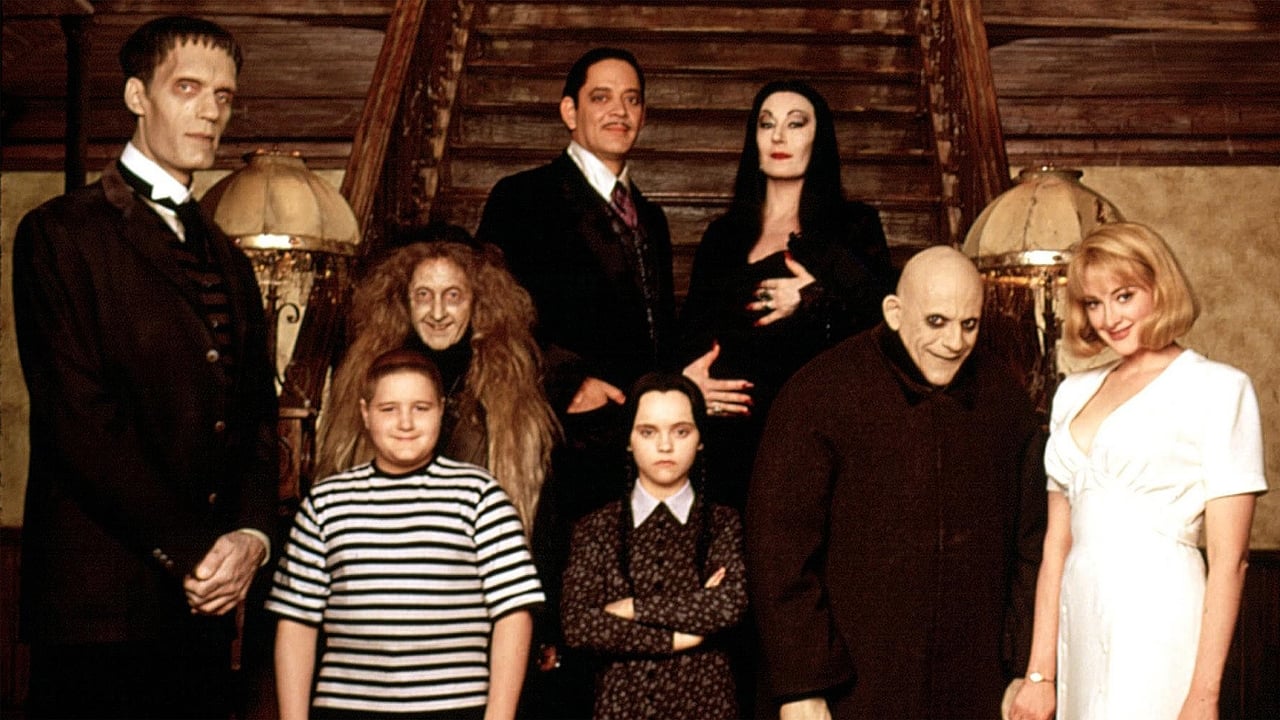
Most sequels from the early 90s—an era obsessed with rebooting 60s sitcoms like The Beverly Hillbillies or The Brady Bunch Movie—were content to just repeat the jokes from the first film. But Addams Family Values leans into a more sophisticated, sardonic wit. The central conflict involves the arrival of a new baby, Pubert (who is essentially a sentient bowling ball with a mustache), and a predatory nanny, Debbie Jellinsky.
Joan Cusack as Debbie is, quite frankly, a revelation. She plays the "Black Widow" archetype with a pastel-colored, frantic energy that provides a perfect foil to the monochromatic Addams clan. Her "Malibu Barbie" monologue is a piece of comedic scripture that I believe should be studied in every acting conservatory. While the first film felt like a series of sketches, this one feels like a cohesive war between two philosophies: the Addamses, who are terrifying but profoundly loving and honest, versus the "normal" world, which is bright, sunny, and utterly sociopathic. Anjelica Huston and Raúl Juliá remain the gold standard for cinematic marriage; their Gomez and Morticia aren't just partners, they are in a state of perpetual, ravenous lust that is somehow more wholesome than any other screen couple of the decade.
Camp Chippewa and the Great Thanksgiving Purge
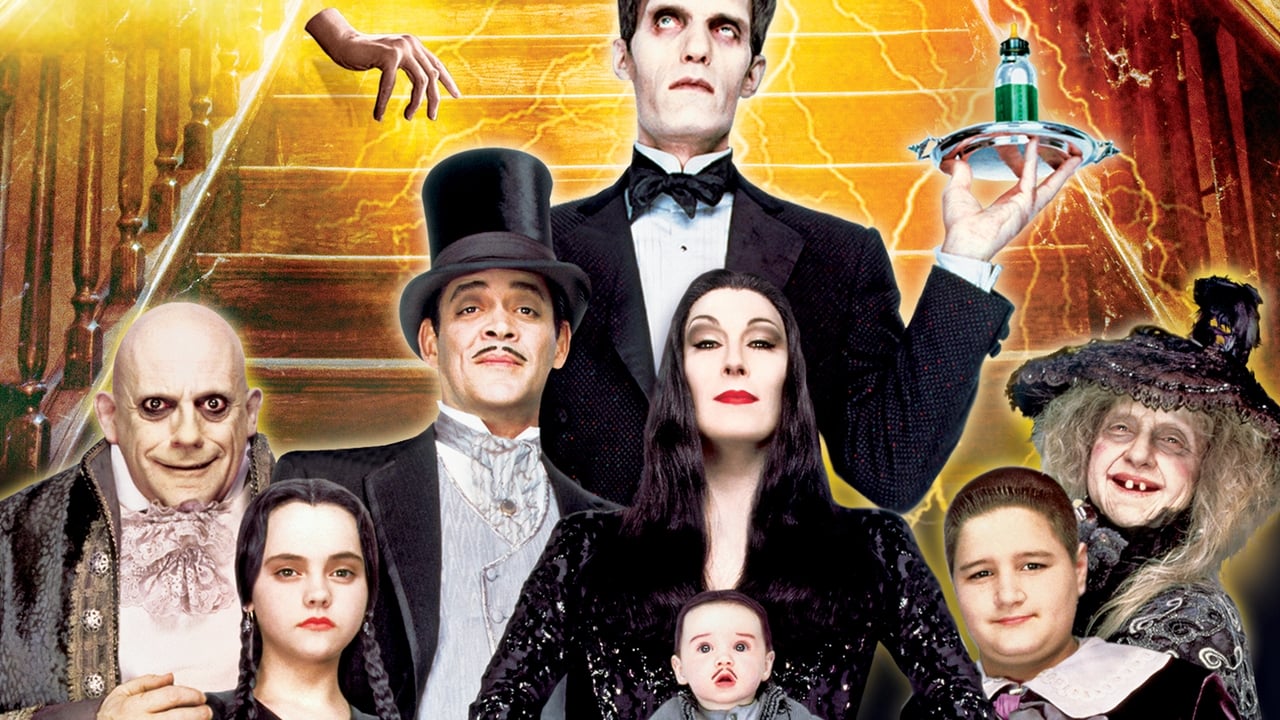
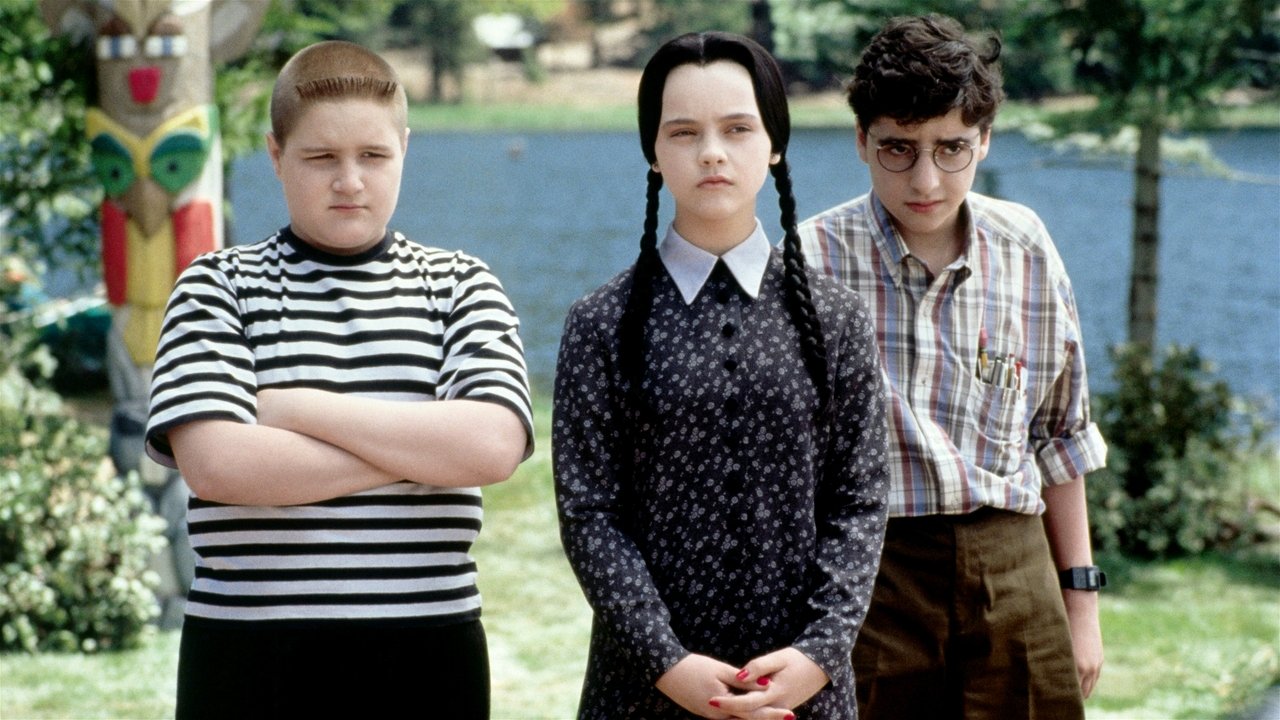
The real meat of the film, and the reason it has achieved such a massive cult following among goths, misfits, and the LGBTQ+ community, is the B-plot involving Wednesday and Pugsley being sent to summer camp. Christina Ricci's performance as Wednesday Addams is a masterclass in the power of the unblinking stare. Sending the ultimate dark-hearted cynic to a place that mandates "forced cheerfulness" is a stroke of genius.
The climax of this subplot—the Thanksgiving play—is one of the most subversive moments in 90s studio filmmaking. Watching Wednesday lead a revolt of the "social outcasts" (the kids who aren't blonde, wealthy, or neurotypical) to burn down a sanitized, white-washed version of history is cathartic in a way I didn't fully appreciate as a kid. This scene is a tactical nuke dropped on the idea of American exceptionalism, and it’s wrapped in a PG-rated comedy. The way Christina Ricci delivers her lines with the cold precision of a guillotine blade is a reminder of why she became the definitive version of this character.
Practical Magic and 90s Polish
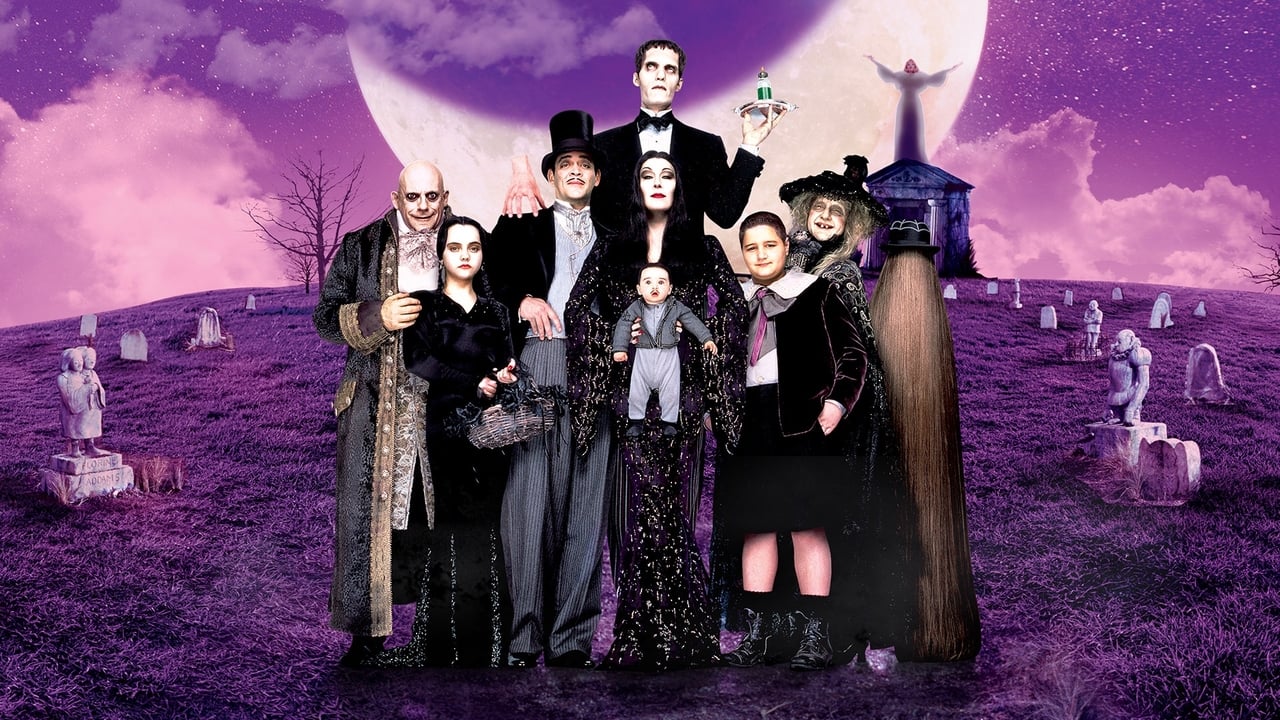
Looking back from our era of weightless, CGI-saturated comedies, the craftsmanship here is staggering. This was the peak of the transition period where digital effects were beginning to creep in (used mostly for Thing or the baby’s more dangerous stunts), but the world still felt tactile. The production design by Ken Adam (the man who designed the Bond villain lairs!) gives the Addams mansion a scale and depth that feels lived-in. The makeup work on Christopher Lloyd’s Uncle Fester and Carol Kane’s Granny is seamless, allowing the actors to emote through layers of latex.
Paul Rudnick’s script is the secret weapon. It’s filled with rapid-fire wordplay that feels more like a 1930s screwball comedy than a 1993 family film. The film trusts its audience to be smart, never stopping to explain a joke or soften a blow. It’s also a bittersweet watch in retrospect, as it was one of the final performances from Raúl Juliá, who was battling cancer during production. You’d never know it; he attacks the "Mamushka" and his romantic soliloquies with a zest for life that is infectious.
Addams Family Values is that rare cult classic that was a hit upon release but has only grown more relevant as we’ve become more skeptical of the "perfect" lives marketed to us. It celebrates the weirdo, the outsider, and the family that actually likes each other. It’s a film that suggests the real monsters aren't the ones living in the cemetery, but the ones hiding behind a fake smile and a cardigan. If you haven't revisited the Addamses lately, do yourself a favor and dive back in—the water is cold, dark, and perfectly inviting.
Keep Exploring...
-
The Addams Family
1991
-
Hocus Pocus
1993
-
Matilda
1996
-

Porco Rosso
1992
-
Last Action Hero
1993
-
Hercules
1997
-

DuckTales: The Movie - Treasure of the Lost Lamp
1990
-
The Santa Clause
1994
-
How the Grinch Stole Christmas
2000
-

The Muppet Christmas Carol
1992
-

Babe
1995
-

Asterix and Obelix vs. Caesar
1999
-
Stuart Little
1999
-

The Emperor's New Groove
2000
-
The Road to El Dorado
2000
-

Sinbad: Legend of the Seven Seas
2003
-
Monster House
2006
-
Brave
2012
-
The Book of Life
2014
-
Hook
1991