Alive
"How much of your soul would you trade to survive?"
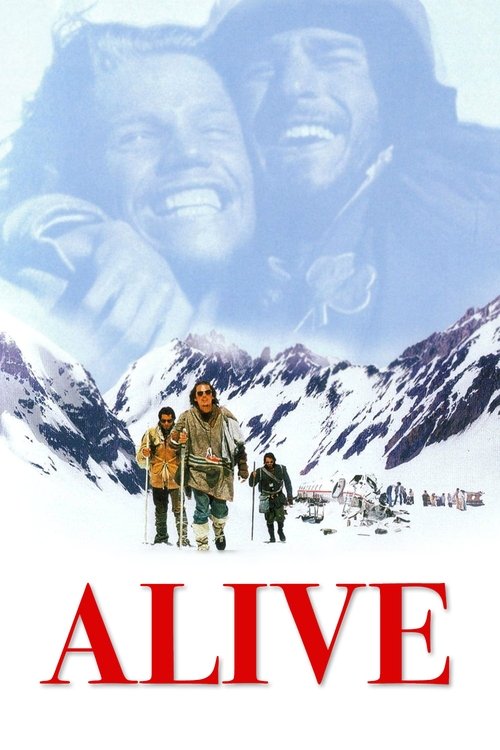
I watched Alive on a Saturday afternoon while nursing a massive bowl of steaming tonkotsu ramen, and the irony of slurping noodles while watching men starve on a glacier was not lost on me. It felt slightly ghoulish, but that is the inherent tension of this film. It’s a 1993 Hollywood production trying to navigate one of the most harrowing, "unfilmable" stories of the 20th century without tipping over into exploitation or becoming a sanitized Sunday school lesson.
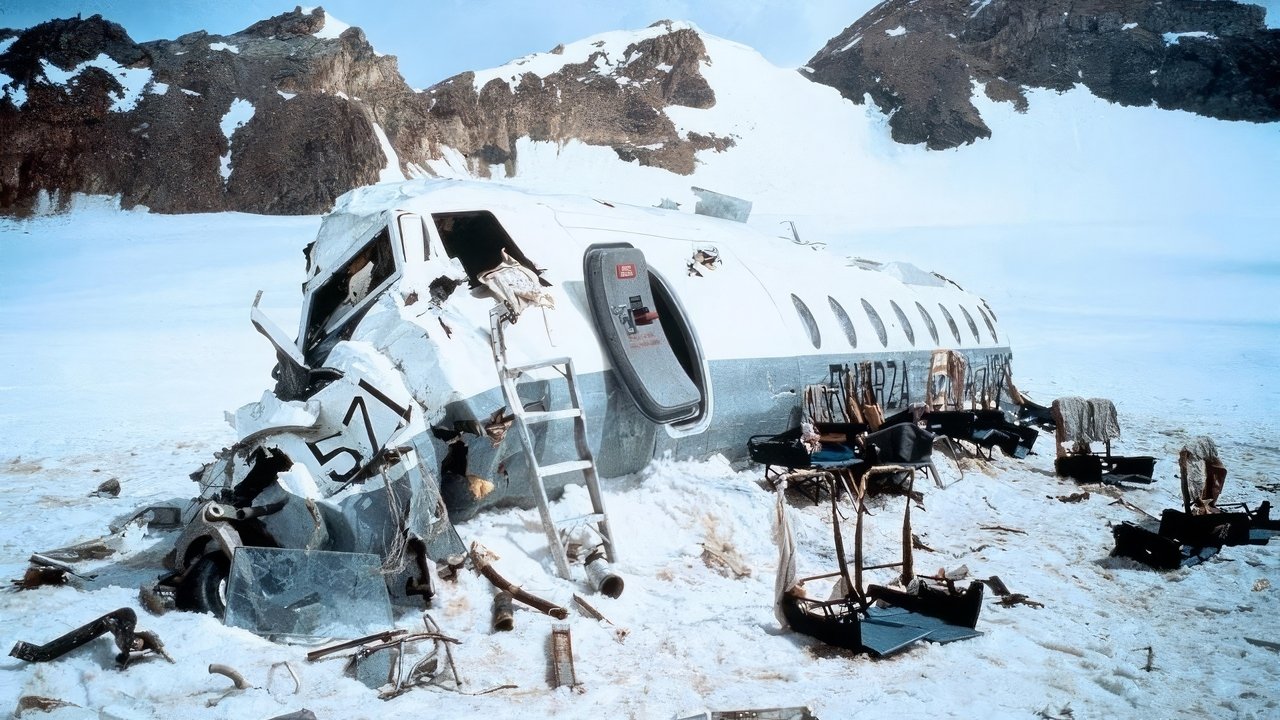
Most people today probably associate this story—the 1972 crash of Uruguayan Air Force Flight 571—with the recent, Oscar-nominated Society of the Snow. But for those of us who grew up with 90s cable, Alive was the definitive version. Looking back at it now, it’s a fascinating artifact from an era when major studios like Touchstone (Disney’s "grown-up" label) were willing to bet $32 million on a grim survival drama where the primary marketing hook was: "Hey, come watch these nice rugby players eat their friends."
The Scariest Flight You’ll Never Take
Director Frank Marshall was mostly known as a powerhouse producer for Steven Spielberg, but here he proves he learned a thing or two about tension on the sets of Indiana Jones. The crash sequence itself is a masterclass in practical effects that still puts modern CGI to shame. There is a weight to the way the fuselage slides down the mountainside, a sickening crunch of metal that feels far more terrifying than any digital explosion.
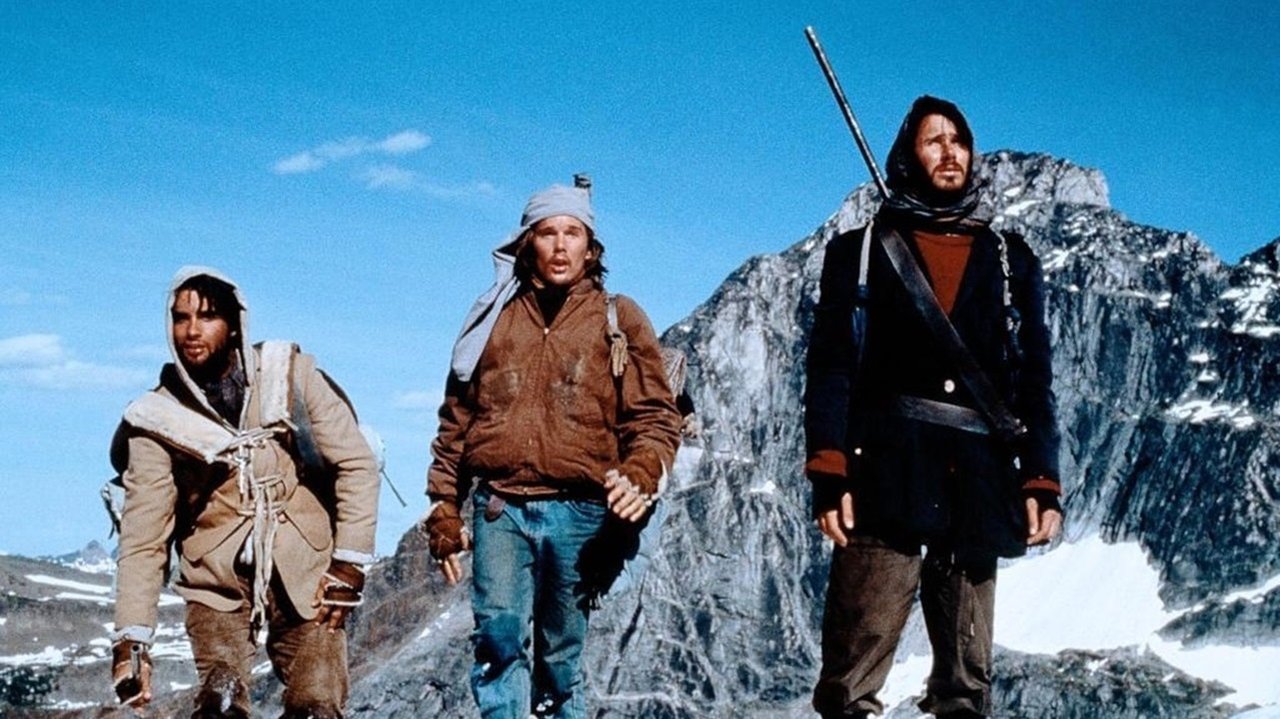
In 1993, we were right on the cusp of the digital revolution—Jurassic Park came out the same year—but Alive stays grounded in the physical. They shot much of this on location in the Purcell Mountains of British Columbia, and you can see it in the actors' breath. When Josh Hamilton or Ethan Hawke look cold, it’s because they’re actually standing in knee-deep snow at 10,000 feet. That physical reality keeps the film from feeling like a mere "movie of the week."
The script was penned by John Patrick Shanley, which is a wild trivia nugget for theater nerds. The man who wrote the whimsical, operatic Moonstruck and the austere Doubt had to figure out how to give voice to men facing total nihilism. He chooses a surprisingly spiritual path. The film isn't just about the mechanics of not dying; it’s about the preservation of the will.
More Than a "Cannibal Movie"
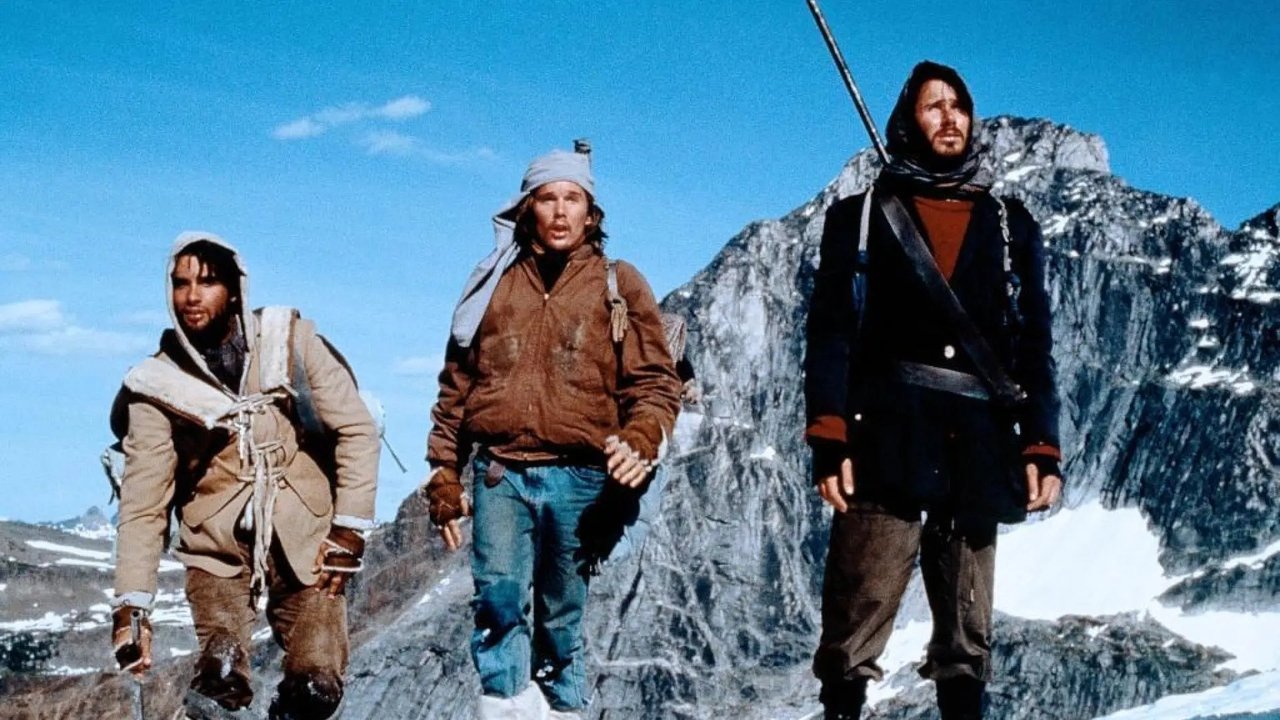
We have to talk about the elephant on the glacier. The survival cannibalism is handled with a level of 90s earnestness that I actually find quite moving. It doesn’t lean into the gore. Instead, it focuses on the agonizing moral and religious debates the survivors had. These were devout Catholic boys, and the film treats their decision as a horrific, necessary Eucharist.
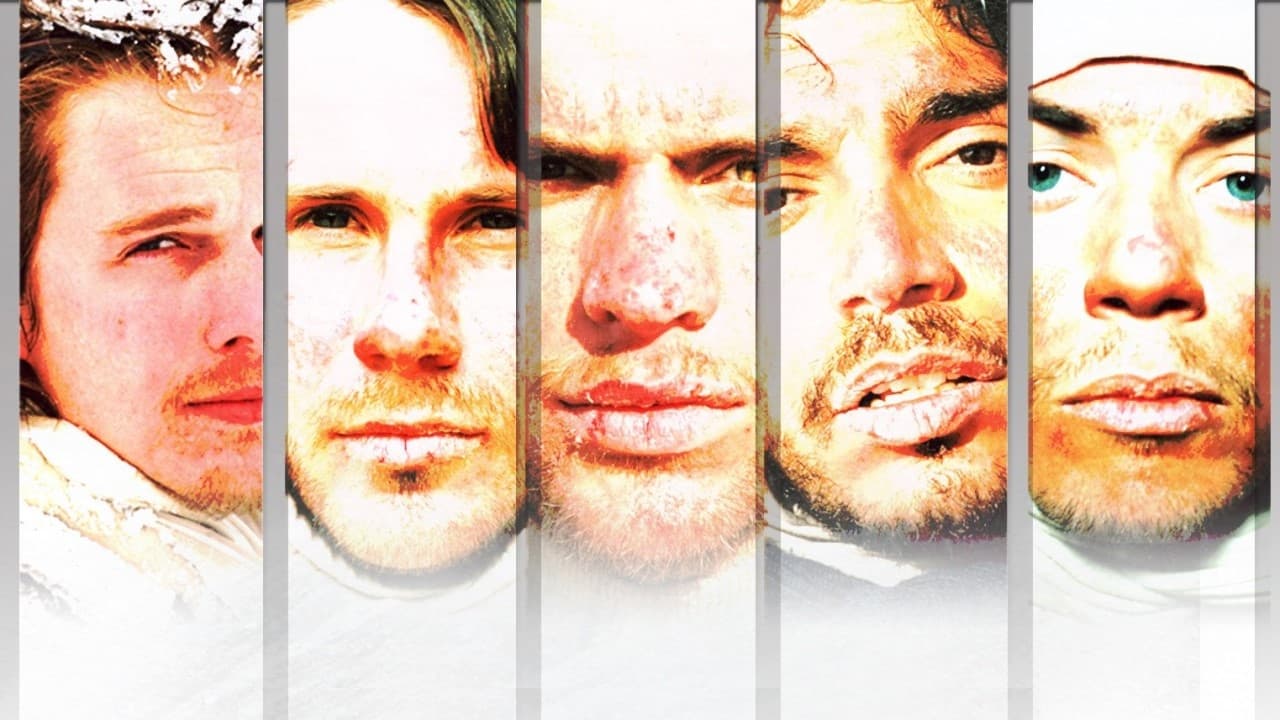
Ethan Hawke, playing Nando Parrado, is the engine of the film. This was pre-cult-icon Hawke, before the Before Sunrise trilogy made him the poster boy for Gen-X intellectualism. Here, he’s raw and feral. When his Nando decides that he simply refuses to die in the snow, you believe him. Alongside him, Josh Hamilton as Roberto Canessa provides the perfect foil—the pragmatic, stubborn medical student who realizes that hope is a dangerous but necessary commodity.
However, viewing this in a modern context, there is a glaring "90s-ism" that is hard to ignore: the casting. In 1993, Hollywood didn't think twice about casting a group of mostly white American and Canadian actors to play a plane full of Uruguayans. While the performances are strong, there is a distinct "American jock" energy to the ensemble that occasionally clashes with the reality of the people they are portraying. It’s a product of its time—the era of the "universal" (read: English-speaking) survival story.
A Forgotten Monument to Grit
Why did Alive somewhat vanish from the conversation before its recent re-evaluation? It might be because it’s a deeply uncomfortable watch that doesn't offer the easy escapism of other 90s blockbusters. It made a modest profit but didn't set the world on fire. It’s a "heavy" movie that lived most of its life on a loop on TNT and in the "Drama" section of Blockbuster.
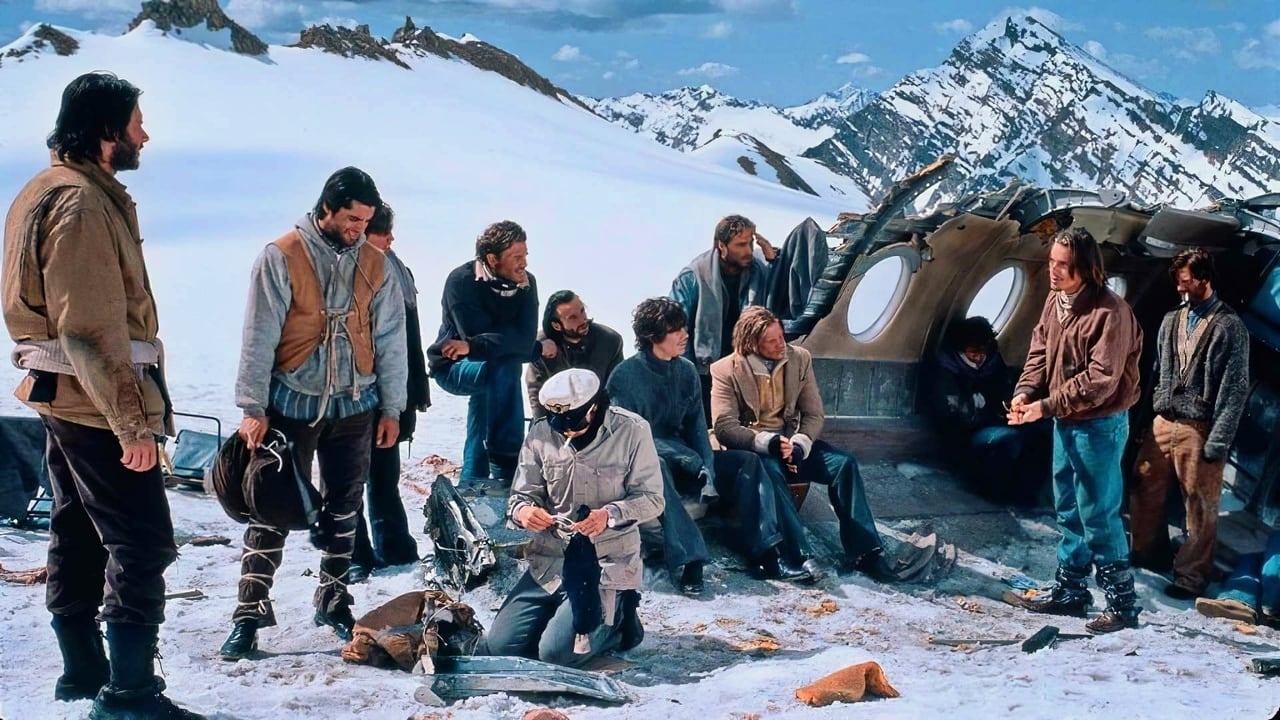
But there is something about James Newton Howard’s score—soaring, tragic, and grand—that demands you take it seriously. It captures the terrifying beauty of the Andes, a landscape that is both a cathedral and a graveyard. The film also benefited from having the real Nando Parrado as a consultant, which kept the production from drifting too far into Hollywood melodrama.
I suspect if you haven't seen this since a fuzzy VHS rental in 1996, you’ll be surprised by how well the tension holds up. It’s a film about the absolute limit of human endurance, made before we started using green screens to fake every struggle. It’s messy, it’s occasionally a bit melodramatic, and the "Uruguayan" accents are non-existent, but the heart of it—the sheer, baffling stubbornness of the human spirit—is captured perfectly.
Alive is a sturdy, well-crafted drama that manages to be respectful of its source material while still functioning as a high-stakes thriller. It lacks the cultural specificity and grit of more modern retellings, but it compensates with powerhouse practical filmmaking and a genuinely moving performance by a young Ethan Hawke. It’s the kind of mid-budget adult drama that Hollywood has largely stopped making, and it’s well worth a revisit if you have the stomach for it. Just maybe skip the ramen while you watch.
Keep Exploring...
-

1492: Conquest of Paradise
1992
-
The Count of Monte Cristo
2002
-

Eight Below
2006
-
The Way Back
2010
-

Agora
2009
-
The Physician
2013
-

Seven Years in Tibet
1997
-

The Messenger: The Story of Joan of Arc
1999
-
The Doors
1991
-
Malcolm X
1992
-

Quiz Show
1994
-
The River Wild
1994
-
Amistad
1997
-
Selena
1997
-
The Edge
1997
-
Days of Thunder
1990
-
Far and Away
1992
-
Maverick
1994
-
Wyatt Earp
1994
-
First Knight
1995