Batman: Mask of the Phantasm
"The ghost of a life he almost had."
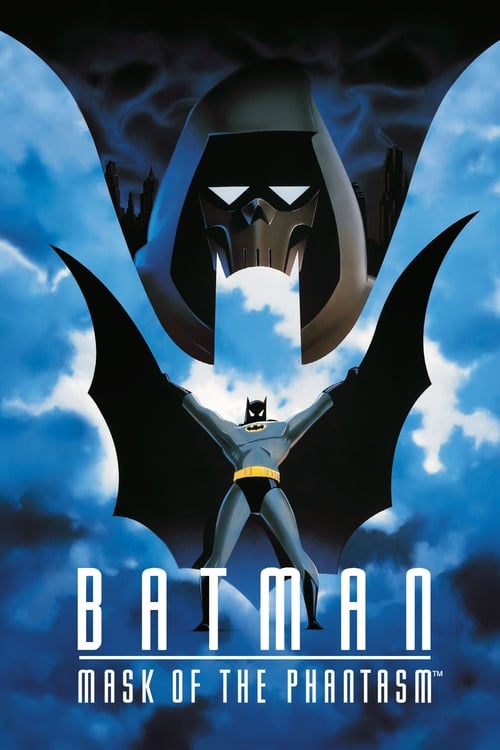
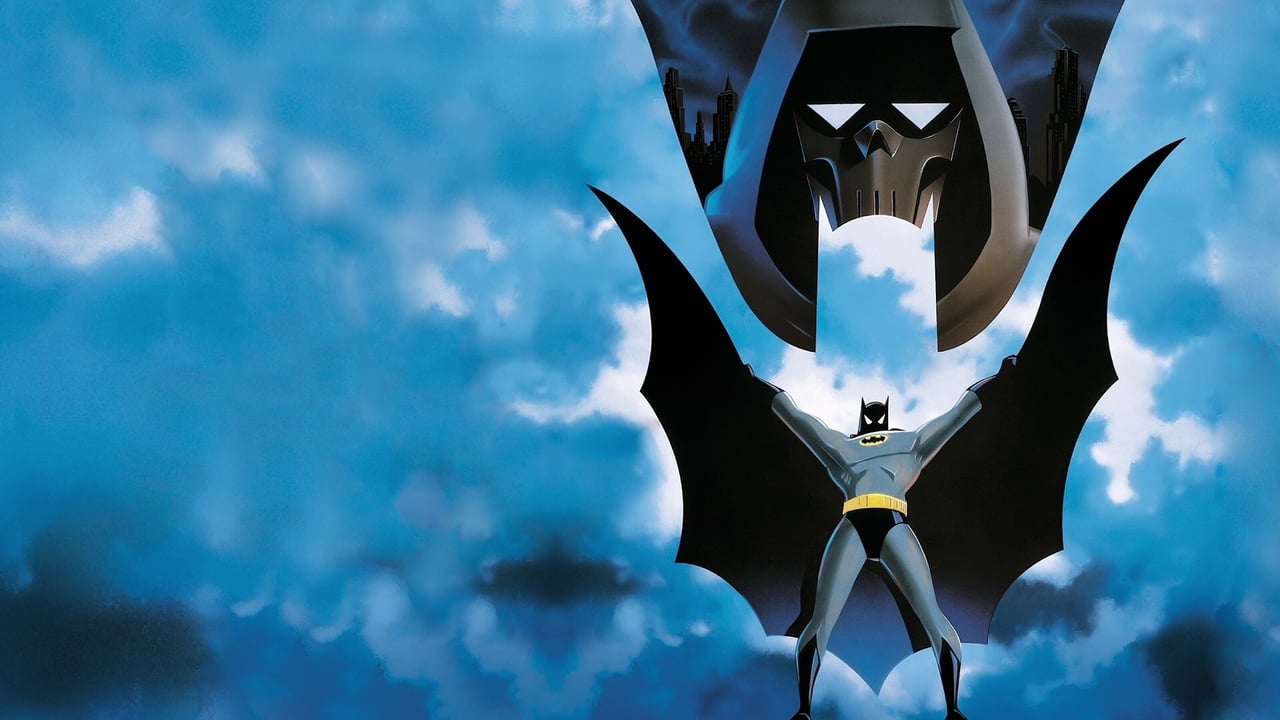
The opening frames of Batman: Mask of the Phantasm don’t greet you with the playful whimsy of 1990s Disney or the bright colors of Saturday morning cereal commercials. Instead, you’re plunged into a sweeping, operatic flight through a "Dark Deco" Gotham, propelled by Shirley Walker’s thunderous score. When those Latin-style chants kick in—which, fun fact, are actually the names of the orchestration team sung backward—you realize this isn’t just a "cartoon." It’s a tragedy wrapped in a shroud of gray smoke.
I watched my most recent viewing of this on a flickering CRT monitor while drinking a lukewarm Capri Sun, and honestly, the slight magnetic static on the screen actually enhanced the Gotham grime. It felt right. This film was born in that transition era where hand-drawn animation was reaching its peak just as CGI began to peek over the horizon, and it carries a weight that modern digital renders often struggle to replicate.
The Tragedy of the Choice
While live-action directors like Christopher Nolan or Matt Reeves have spent hundreds of millions of dollars trying to deconstruct Bruce Wayne, Bruce Timm and Eric Radomski did it better in 76 minutes for a fraction of the cost. The heart of the film isn't the mystery of the Phantasm—a grim reaper figure who is systematically "whacking" Gotham’s aging mob bosses—but rather the flashback sequences involving Andrea Beaumont (Dana Delany).
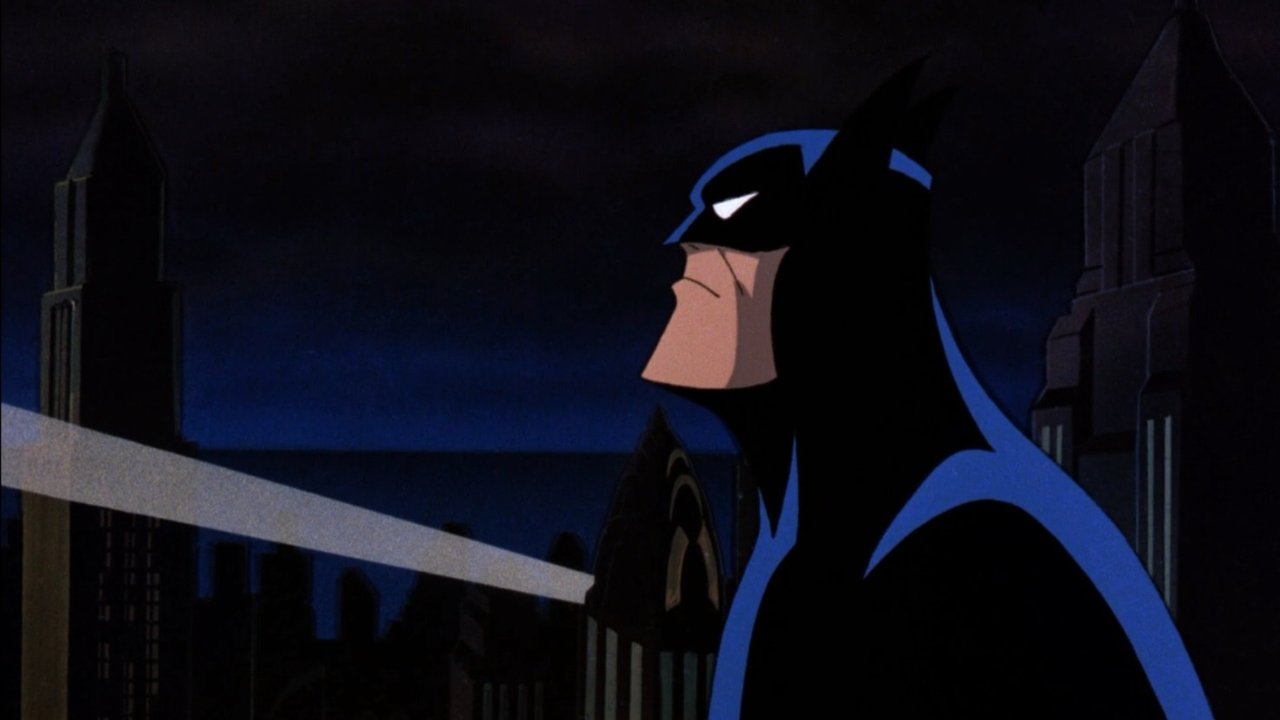
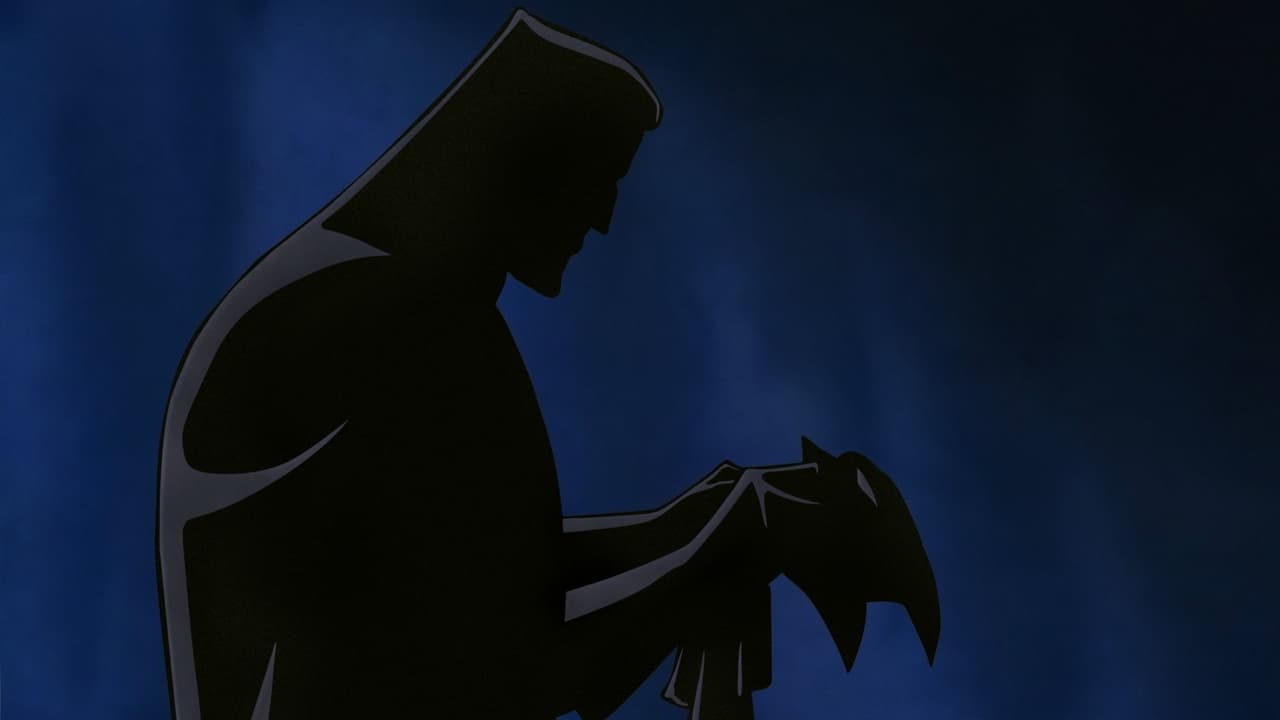
We see a version of Bruce Wayne (Kevin Conroy) we rarely get: a man who is genuinely happy. The scene where Bruce pleads at his parents’ grave, asking for a release from his vow because he’s fallen in love, is perhaps the most heartbreaking moment in the character’s 80-year history. Kevin Conroy delivers the lines with a vulnerability that grounds the entire gothic spectacle. It’s a reminder that Batman isn't just a hero; he’s a survival mechanism for a man who wasn't allowed to heal. This film understands Batman’s psychology better than any billion-dollar live-action blockbuster ever has.
Noir in Motion
Visually, Mask of the Phantasm is a masterclass in light and shadow. The action choreography isn't about rapid-fire cuts; it’s about momentum and consequence. When Batman is being chased by the GCPD across a construction site, you feel the physical toll. The animation team used light-on-dark techniques—drawing on black paper—which gives the shadows a depth that feels oppressive.
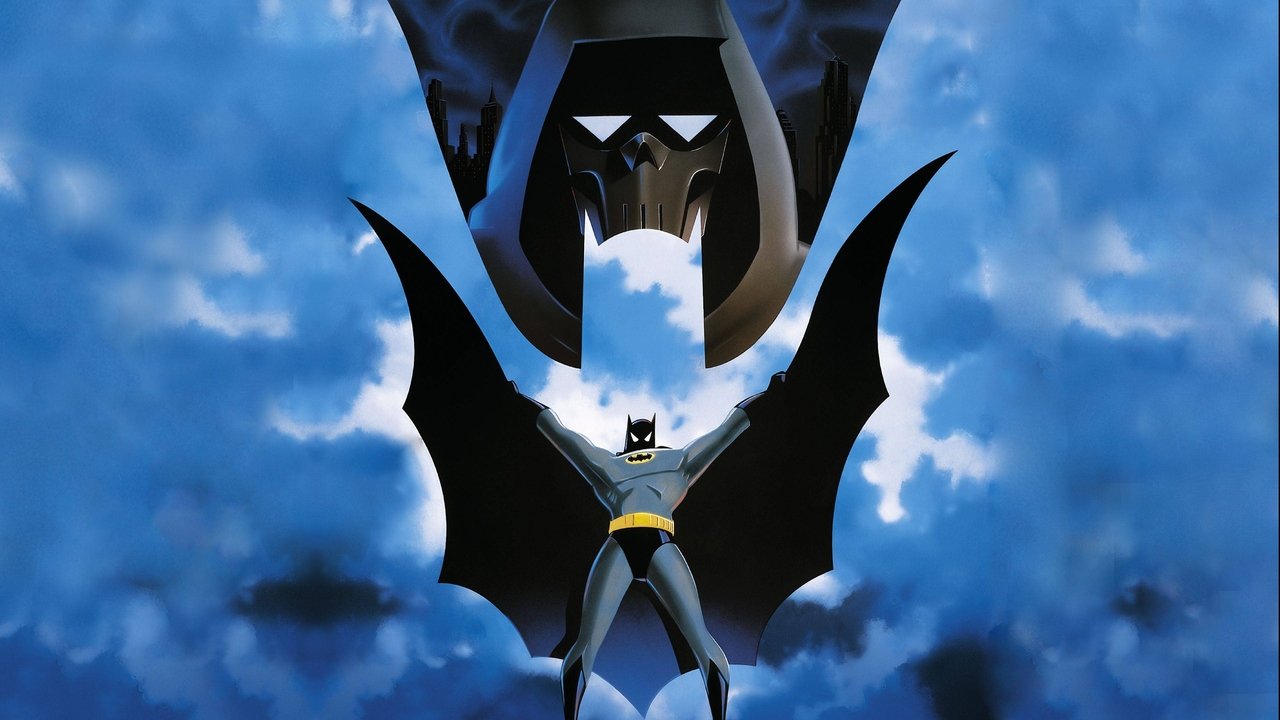
The Phantasm itself is a brilliant piece of character design. With its mechanical scythe and cloud of smoke, it feels like a genuine horror antagonist. The way the character moves—gliding rather than walking—creates a supernatural dread that contrasts perfectly with the grounded, gritty crime world of Salvatore Valestra (Abe Vigoda). The action builds to a climax in a literal "World of the Future" exhibit that has decayed into a rusted, apocalyptic playground—a perfect metaphor for the ruined lives of everyone involved.
The Joker’s Wild Card
Of course, we have to talk about the Clown Prince of Crime. While the Phantasm is the primary driver of the plot, the third act is high-jacked by Mark Hamill’s Joker in the best way possible. By 1993, Hamill had already defined the role for a generation, but here, freed from the censors of network television, he’s allowed to be truly menacing.
The Joker is brought in as a "consultant" for the terrified mob, and his interactions with the dying Valestra are chilling. Hamill’s laugh remains the gold standard, but it’s his ability to flip from a joke to a murderous snarl in a single breath that keeps the tension high. Some might argue his inclusion distracts from the Phantasm mystery, but I’d argue The Joker is actually the least interesting part of this movie, and that’s a compliment to the writing. He’s the chaotic force that forces Bruce and Andrea’s pasts to finally collide in fire and rubble.
A Forgotten Theatrical Gem
It’s a bit of a tragedy that Mask of the Phantasm was a box office failure. Warner Bros. made the last-minute decision to pivot from a Direct-to-Video release to a theatrical run with only a few weeks of marketing. It vanished from theaters almost instantly, earning only about $5.6 million. Because it was originally intended for 4:3 televisions, the filmmakers had to frantically crop the animation for the 16:9 theatrical widescreen, which is why some shots in the older versions feel a bit "tight."
Looking back, the film’s obscurity during its initial run only added to its cult status. For those of us who grew up with the DVD or the worn-out VHS tape, it felt like a secret we were all in on. It was a superhero movie that didn't feel the need to wink at the camera or set up five sequels. It was just a dark, intense, and deeply personal story about how the past never truly stays buried.
Batman: Mask of the Phantasm remains a towering achievement in the genre, proving that animation is a medium, not a target audience. It captures the essence of Gotham City with more soul and style than almost any other adaptation. If you haven't revisited this one since the 90s, or if you’ve never seen it because you "don't do cartoons," fix that immediately. It’s a haunting, beautifully scored reminder that under the cape and cowl, there’s a man who just wanted to be happy, and that might be the biggest tragedy of all.

Keep Exploring...
-
Batman: Under the Red Hood
2010
-
Batman: The Dark Knight Returns, Part 1
2012
-

Batman: The Dark Knight Returns, Part 2
2013
-
Infernal Affairs
2002
-
Batman: Year One
2011
-
Breakdown
1997
-
Batman: Assault on Arkham
2014
-
Glengarry Glen Ross
1992
-
Bound by Honor
1993
-
Arlington Road
1999
-
Undisputed II: Last Man Standing
2006
-
United 93
2006
-
In the Line of Fire
1993
-
Fallen Angels
1995
-
Ghost
1990
-
True Romance
1993
-

Legends of the Fall
1994
-
Primal Fear
1996
-
L.A. Confidential
1997
-
Batman Beyond: Return of the Joker
2000