Beethoven's 2nd
"More puppies, more drool, more Grodin-sized grief."

If you weren’t around in the early nineties, it’s hard to convey the sheer, gravitational pull of the St. Bernard. Before the MCU gave us a multi-versal expansion of heroes, the Beethoven cinematic universe was out here doing the heavy lifting for Universal Pictures. There is something fundamentally "1993" about a movie that bets the entire house on the concept of "The first one had one big dog, so the second one should have six dogs." It’s the kind of logic that fueled the decade’s sequels, and honestly, looking back at Beethoven's 2nd, I find myself missing that brand of simple, analog ambition.
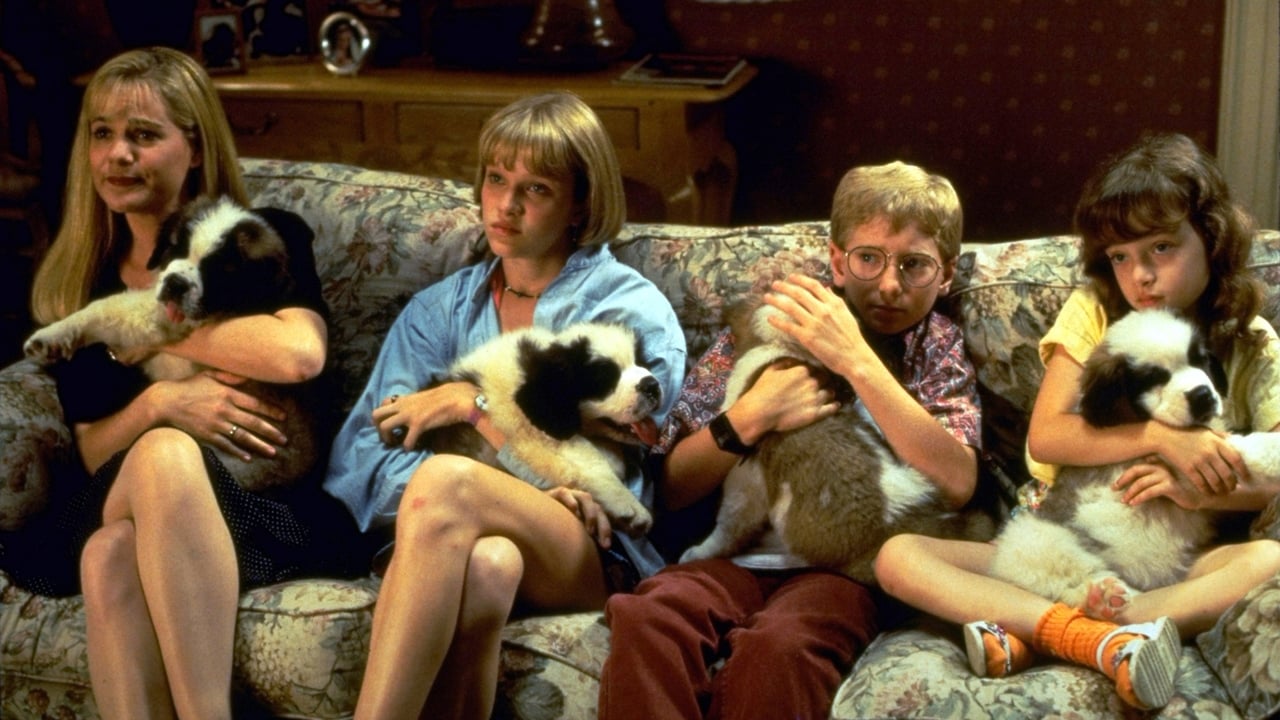
I recently rewatched this on a rainy Tuesday while eating a bowl of cereal that was definitely past its expiration date—the milk had a suspicious tang, but like the movie itself, I decided to just lean into the chaos. There’s a comforting, low-stakes energy here that modern family films, with their hyper-saturated CGI and frantic meta-humor, often fail to replicate.
The Art of the Slow-Burn Simmer
The MVP of this entire operation—and I will fight anyone in a Burger King parking lot over this—is Charles Grodin. Grodin, who had already perfected the "man on the verge of a nervous breakdown" archetype in Midnight Run (1988), treats George Newton not as a cartoon dad, but as a man suffering from a very specific, canine-induced PTSD. He isn't just annoyed; he is spiritually exhausted.
There is a scene involving a gourmet food tasting where Grodin’s deadpan delivery reaches a level of high art. Watching him play off Bonnie Hunt—who is effortlessly charming and arguably the most overqualified "mom" in 90s cinema—reminds me of why these movies worked. They weren’t just "dog movies"; they were domestic comedies where the dog happened to be a catalyst for property damage. Grodin's ability to look at a puppy and convey a sense of impending financial ruin is the finest straight-man performance of the decade.
Real Dogs in a Digital Dawn
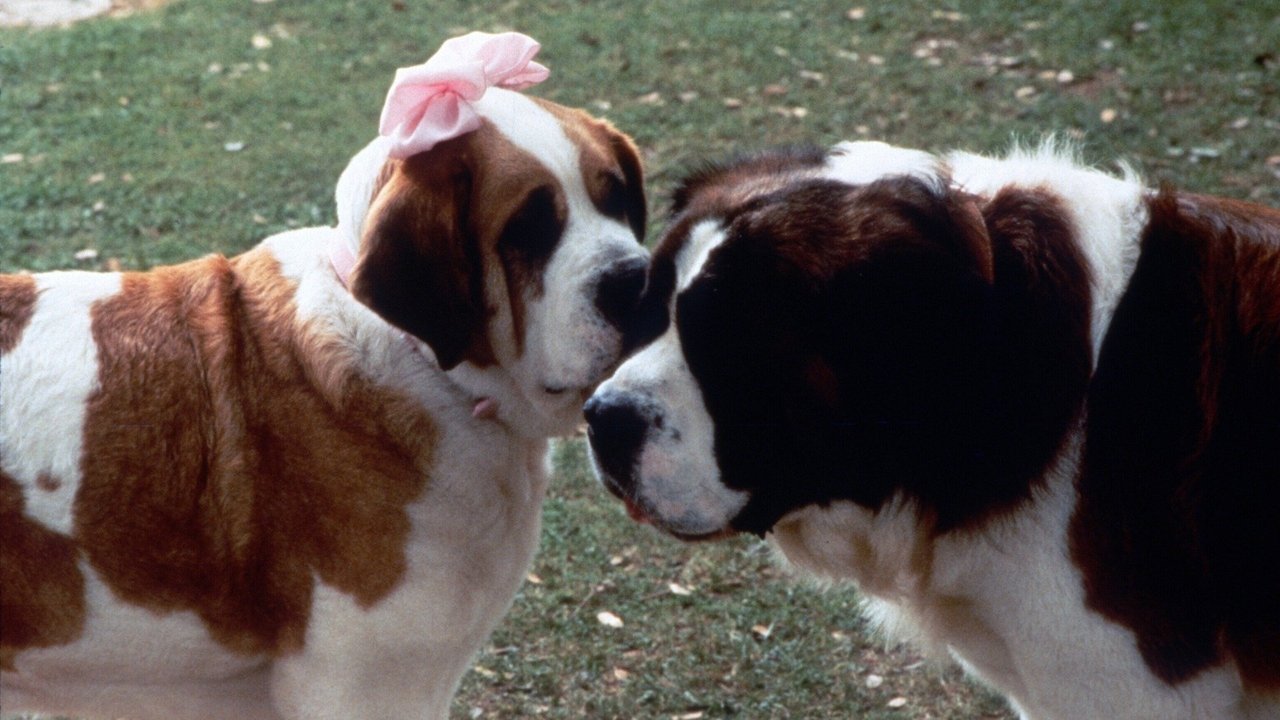
Watching this in the 2020s, the most striking element is the lack of digital interference. We are currently living in an era where a dog’s mouth is often CGI-ed to make it "smile" or "talk," which usually ends up looking like a sleep paralysis demon. In 1993, Rod Daniel (who also gave us the underrated K-9) had to rely on actual animal training and clever editing. When Missy and Beethoven share a "date" over a shared ice cream cone, it’s charming precisely because it’s real.
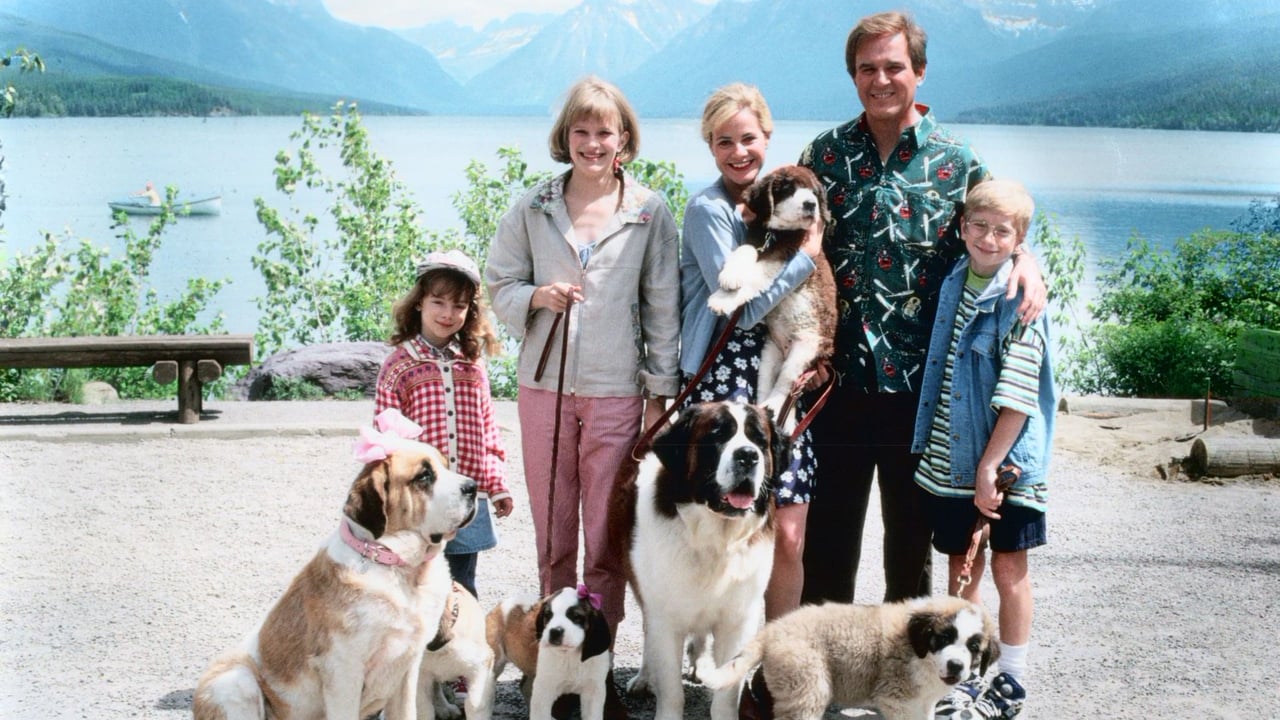
The plot is a classic 90s construction: Beethoven falls for Missy, they have a brood of puppies, and the villainous Regina (Debi Mazar) wants to use the dogs as a bargaining chip in a divorce settlement. Debi Mazar is clearly having the time of her life here, channeling a sort of suburban Cruella de Vil with a wardrobe that screams "I have a standing appointment at a salon called 'The Clip Joint'." It’s campy, it’s broad, and it’s exactly what the film needs to balance out the sugar-sweet puppy montages.
The $118 Million Drool-Fest
It’s easy to dismiss this as a "kids' flick," but the financial reality tells a different story. With a modest $15 million budget, Beethoven's 2nd barked its way to over $118 million worldwide. That is an astronomical return on investment. This wasn’t just a hit; it was a cultural footprint. It arrived right as the "Home Video" era was peaking, meaning this movie lived on a permanent loop in minivans across America.
The film also captures that weird transition in teen culture. We have Nicholle Tom as Ryce Newton, dealing with a high school party subplot that feels like a G-rated version of a John Hughes movie. The soundtrack, featuring the Oscar-nominated "The Day I Fall in Love" by James Ingram and Dolly Parton, is the ultimate 90s adult-contemporary ballad. It’s the kind of song that played in every dentist's office from 1993 to 1996, and hearing it now triggers a very specific kind of sensory memory involving the smell of fluoride and old copies of Highlights magazine.
A Relic Worth Revisiting?
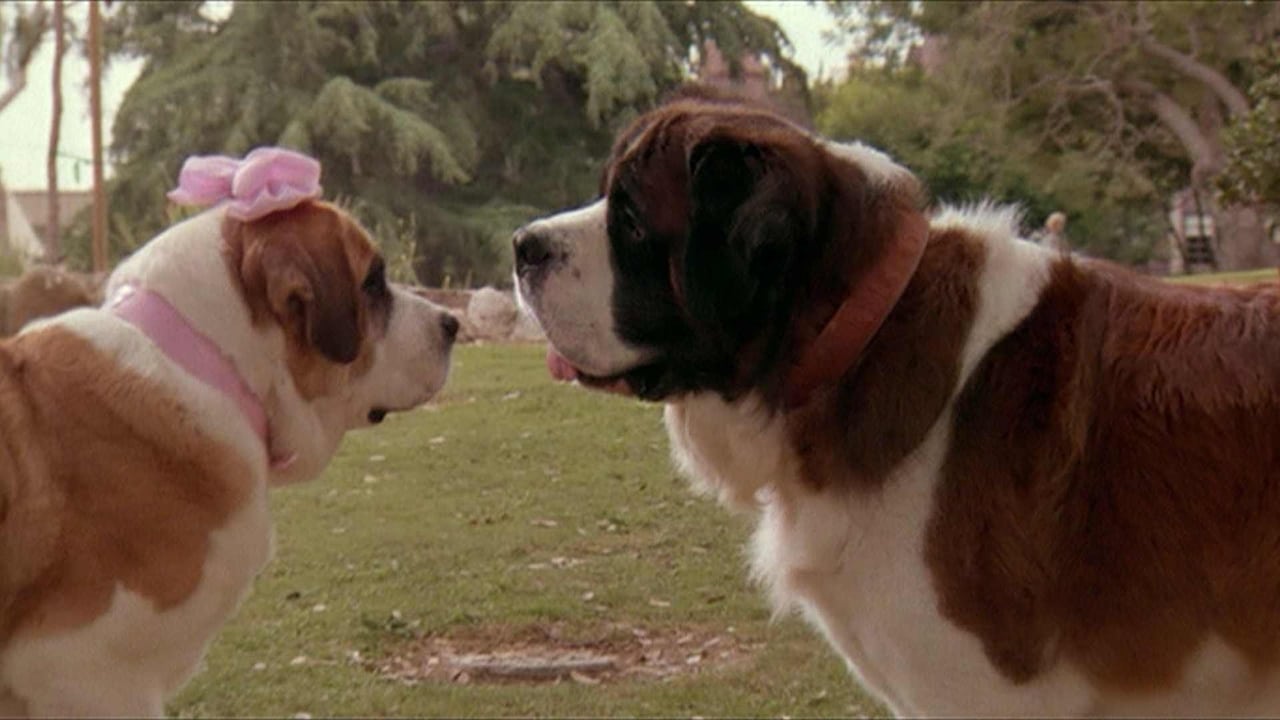
Is it a masterpiece? Of course not. But as a specimen of the 1990-2014 "Modern Cinema" era, it’s a fascinating look at how Hollywood used to manufacture wholesome blockbusters. It relies on physical comedy—Christopher Castile and Sarah Rose Karr as the younger Newton siblings are great at the "earnest kid" shtick—and the cinematography by Bill Butler (who shot Jaws!) gives the suburban California setting a warm, golden-hour glow that feels like a lost world.
Looking back, the movie’s biggest strength is its lack of irony. It isn't trying to wink at the adults with "shrek-style" double entendres. It’s just a movie about a man who hates drool, a dog who loves his family, and a group of puppies who are objectively more charismatic than half the A-listers working today.
Ultimately, Beethoven's 2nd is the cinematic equivalent of a grilled cheese sandwich. It’s not fancy, it’s a bit greasy, and you know exactly what it’s going to taste like before you take a bite. It’s a testament to the power of a practical, well-trained animal cast and the comedic genius of Charles Grodin being miserable. If you have 89 minutes and a soft spot for the days before every dog in a movie was a pixelated mess, give this one another look. Just skip the expired cereal.
Keep Exploring...
-

Beethoven
1992
-
Dennis the Menace
1993
-
The Santa Clause
1994
-
Casper
1995
-
101 Dalmatians
1996
-
Bean
1997
-

George of the Jungle
1997
-
Spy Kids
2001
-
Spy Kids 2: The Island of Lost Dreams
2002
-
Hoodwinked!
2005
-

Alexander and the Terrible, Horrible, No Good, Very Bad Day
2014
-
Teenage Mutant Ninja Turtles II: The Secret of the Ooze
1991
-

Babe
1995
-
Shark Tale
2004
-
Robots
2005
-
Happy Feet
2006
-
Mr. Bean's Holiday
2007
-
Shrek the Third
2007
-
Horton Hears a Who!
2008
-
Madagascar: Escape 2 Africa
2008