Bound by Honor
"Three brothers, three paths, one life-shattering bond."
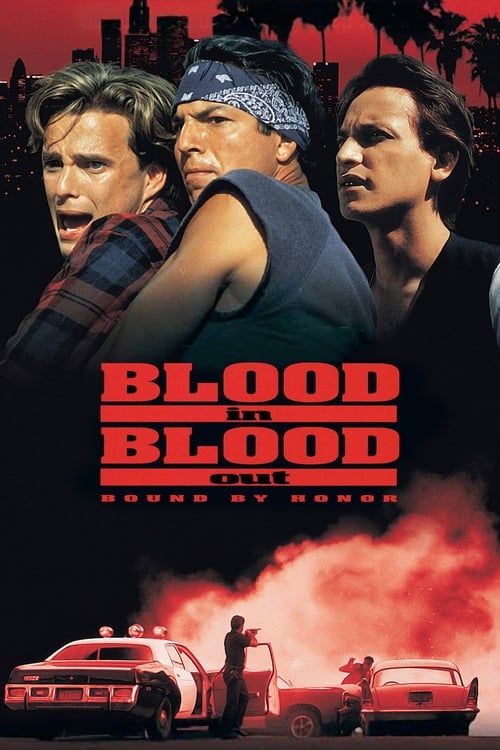
The three-hour running time usually signals a stuffy historical biopic or a bloated fantasy epic, but in 1993, Taylor Hackford (the man behind An Officer and a Gentleman) decided to swing for the fences with a sprawling, Shakespearean tragedy set in the barrios of East Los Angeles. Disney, under their adult-oriented Hollywood Pictures banner, dumped $35 million into this project—a staggering sum for a Chicano-centric crime drama at the time—only to get cold feet. Spooked by the civil unrest of the L.A. Riots a year prior, the studio scrubbed the more aggressive title Blood In Blood Out, renamed it the more generic Bound by Honor, and essentially let it wither in a limited theatrical run. I first caught it on a scratched DVD during a flight delay in Albuquerque where the terminal air conditioning was broken, and honestly, the sweltering heat only made the film’s stifling, dusty atmosphere feel more authentic.
The Mural of East L.A
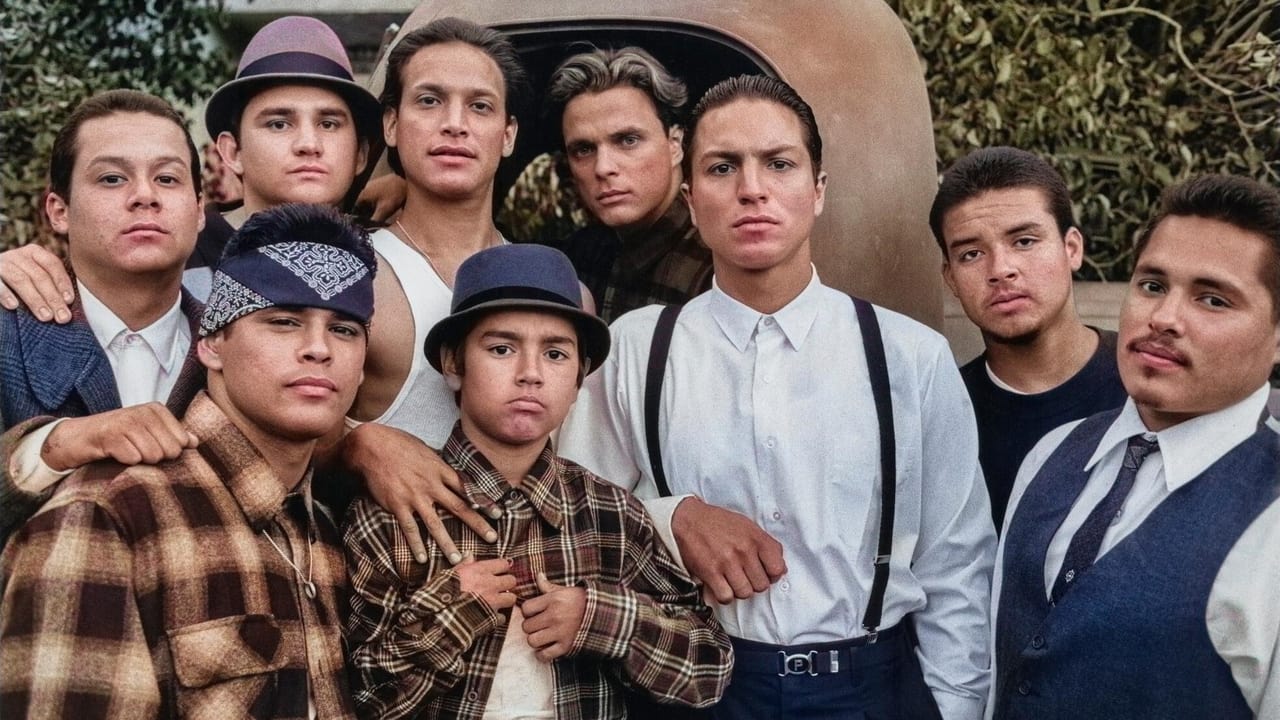
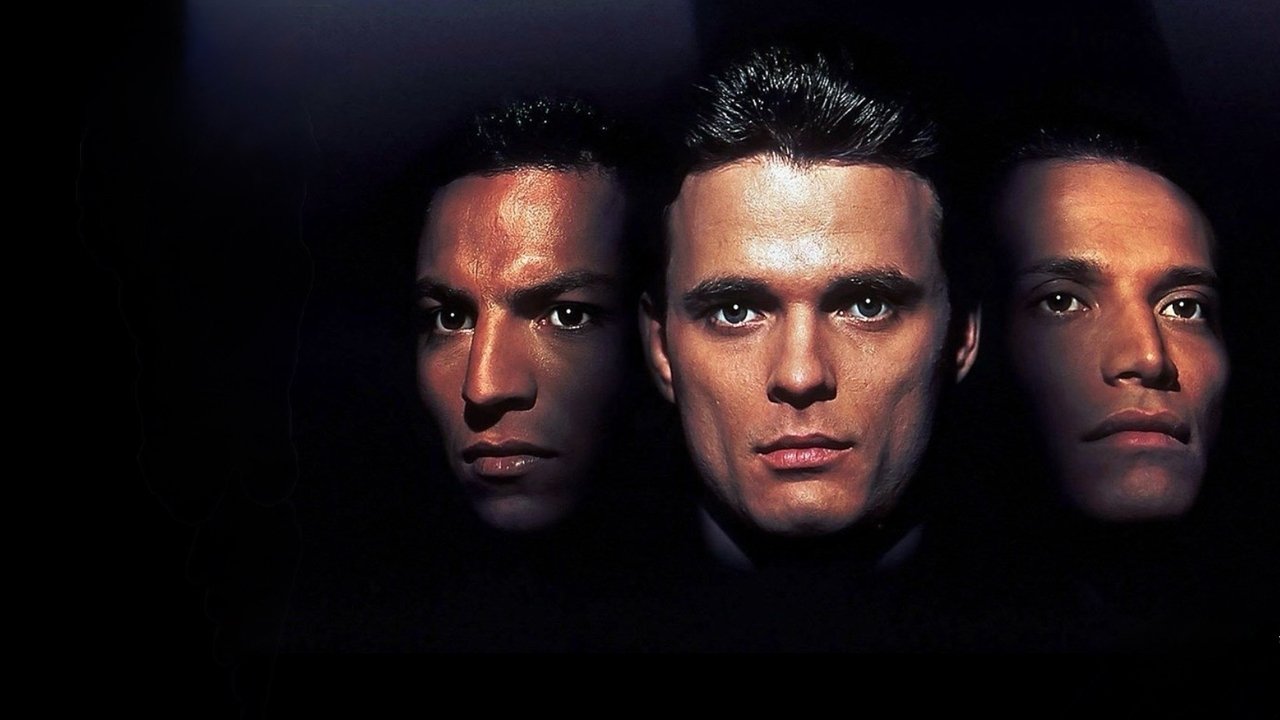
The story follows three cousins—"carnales"—who start as the Vatos Locos gang in 1972. You have Miklo, played by Damian Chapa (Under Siege), the biracial outsider with blue eyes who is desperate to prove his "brown" credentials. Then there’s Paco, a charismatic powerhouse played by Benjamin Bratt (Traffic), and Cruz, a sensitive artist played by Jesse Borrego (Con Air). After a retaliatory gang hit goes sideways, their lives splinter into three distinct American nightmares: prison, the police force, and the hollowed-out world of heroin addiction.
What strikes me looking back is how beautifully Gabriel Beristain’s cinematography captures the shift in their worlds. The early scenes in East L.A. are bathed in a golden, nostalgic haze, reminiscent of the neighborhood’s vibrant murals. But once Miklo enters San Quentin, the palette shifts to a cold, metallic blue that feels like a physical weight on your chest. This isn't just a "hood movie"; it’s a gargantuan attempt to map out the Chicano experience through the lens of a Greek tragedy. Damian Chapa’s performance starts at a level ten intensity and somehow climbs to a twelve by the time he’s running San Quentin. While some critics at the time found his performance a bit theatrical, I’d argue it perfectly captures a man who has to perform his identity every single second just to survive.
The Walls of San Quentin
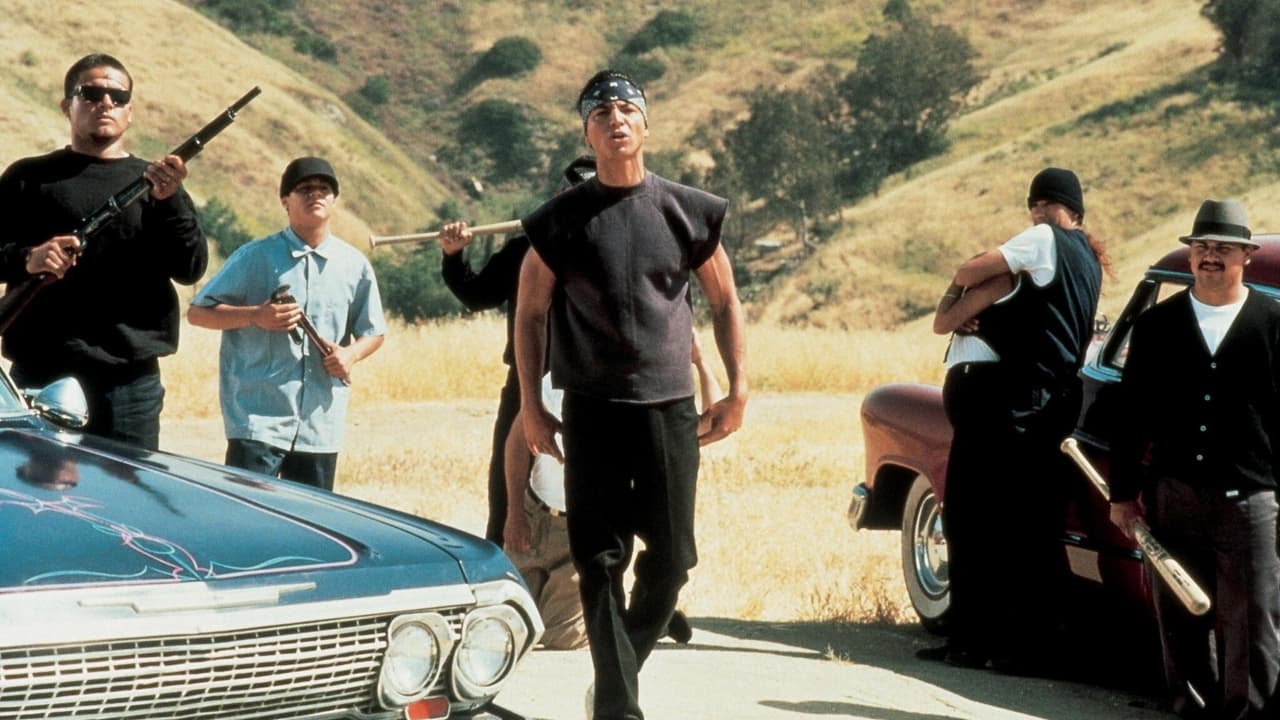
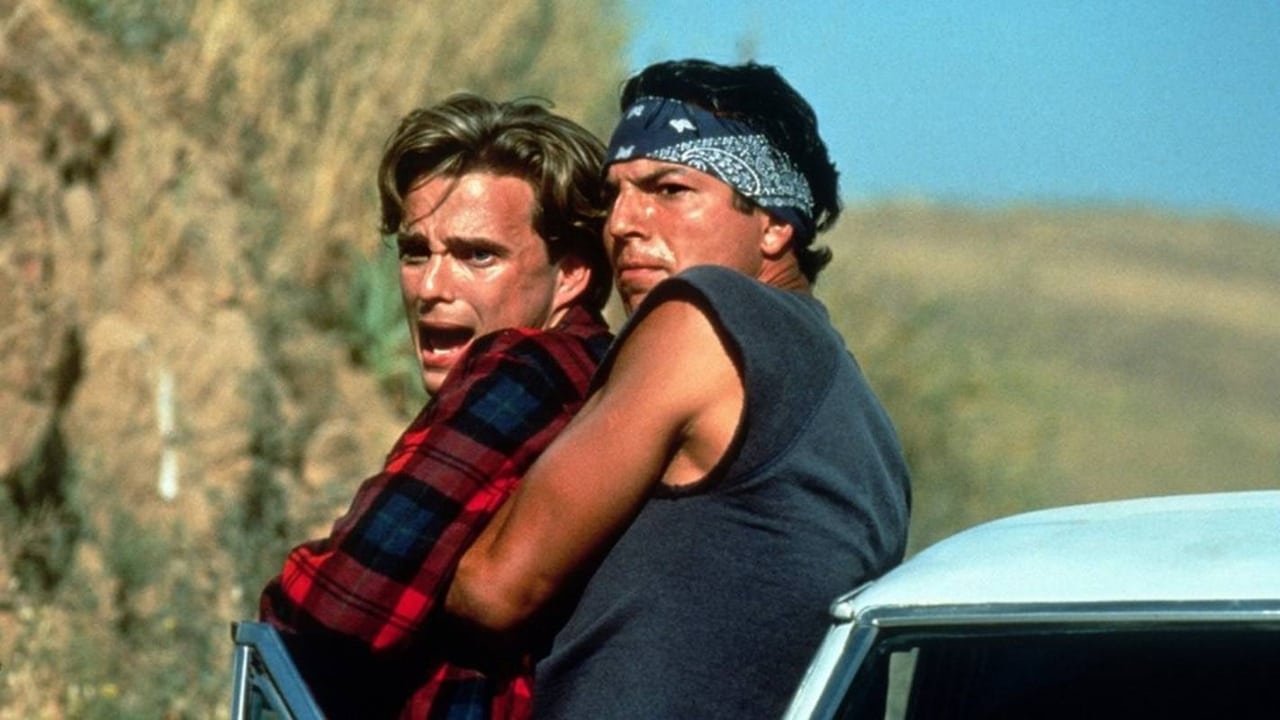
The middle hour of the film is a masterclass in prison-drama tension. In an era where most prison sets looked like painted plywood, Hackford insisted on filming inside the actual San Quentin State Prison. They used real inmates as extras, which adds a layer of quiet, looming threat that no CGI crowd could ever replicate. Watching Miklo navigate the racial hierarchy of the prison—interacting with Enrique Castillo’s stoic Montana or the terrifyingly charismatic Delroy Lindo (Da 5 Bloods) as Bonafide—feels genuinely dangerous.
The action choreography here is less about stylized gunplay and more about the sudden, sharp brutality of the "shank." It’s messy and fast. There’s a specific sequence involving a gambling debt and a boiler room that still makes me wince. Hackford doesn’t treat the violence as spectacle; he treats it as the inevitable consequence of a system that leaves these men with nothing but their pride to trade. The film makes the act of making a sandwich in a prison cell feel like a high-stakes tactical maneuver. This is where the film earns its "Dark" modifier—there are no easy redemptions here, just people trying to carve out a kingdom in a graveyard.
A Legacy in Ink and Paint
It is fascinating to reassess Bound by Honor in the context of the 90s indie explosion. While Tarantino was busy making crime "cool" with pop-culture dialogue, Hackford was making it operatic. The film’s failure at the box office is one of those classic "wrong place, wrong time" tragedies. Audiences weren't ready for a three-hour epic that didn't feature a white lead or a traditional hero's journey. However, the film found a massive second life on VHS and DVD, becoming a sacred text in the very communities it depicted.
The score by Bill Conti (Rocky) deserves a shout-out too. It leans into the melodrama without becoming cheesy, anchoring the emotional beats of Jesse Borrego’s tragic downward spiral as Cruz. Seeing Cruz go from a talented muralist to a man lost in the "tecato" lifestyle is the most heartbreaking thread of the film. It balances the high-octane prison politics with a very human, very ugly look at how trauma ripples through a family.
Ultimately, Bound by Honor is a titan of 90s cinema that deserves to be spoken of in the same breath as The Godfather or Goodfellas. It’s a film of immense ambition and even bigger heart, refusing to sanitize the brutality of its world while still finding beauty in the bond of brotherhood. It’s long, it’s loud, and it’s unrepentantly intense, but by the time the credits roll, you feel like you’ve lived an entire lifetime alongside the Vatos Locos. If you can find the full three-hour director’s cut, clear your afternoon—it’s a journey worth every minute.
Keep Exploring...
-
Undisputed II: Last Man Standing
2006
-
Infernal Affairs
2002
-
Mesrine: Killer Instinct
2008
-
Mesrine: Public Enemy #1
2008
-
Batman: Year One
2011
-

Miller's Crossing
1990
-
Batman: Mask of the Phantasm
1993
-
A Simple Plan
1998
-
Crimson Tide
1995
-
United 93
2006
-
The Last Castle
2001
-
Felon
2008
-
The Dark Knight
2008
-

Blood and Bone
2009
-
Undisputed III: Redemption
2010
-
The Count of Monte Cristo
2002
-
The Protector
2005
-

The Dark Knight Rises
2012
-
Marathon Man
1976
-
Cape Fear
1991