Carlito's Way
"The past has a long reach."
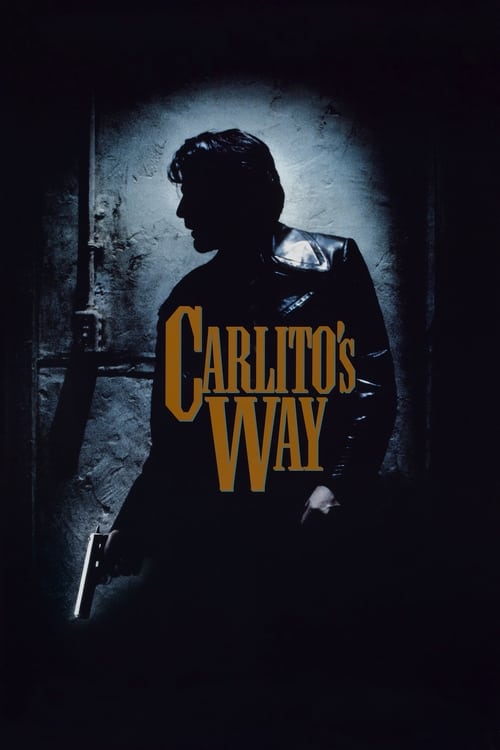
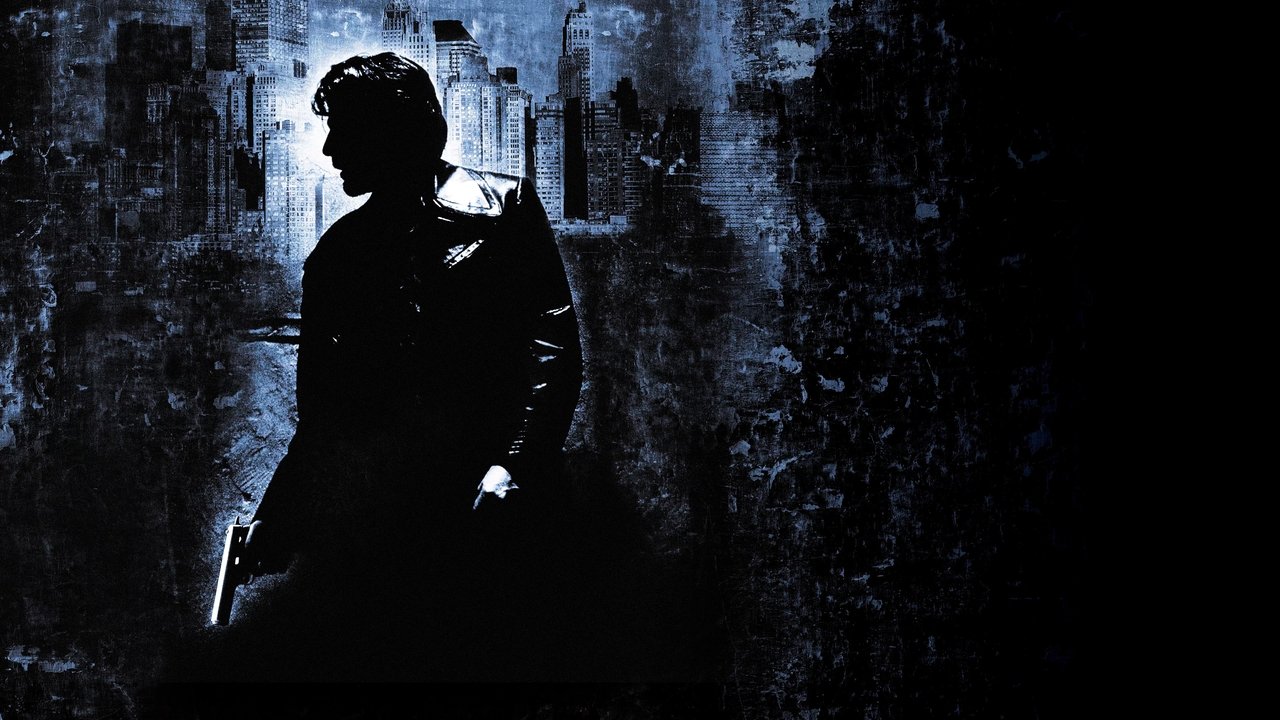
The movie starts with a bullet and ends with a train, and in between, we get the most heartbreaking "just when I thought I was out" story ever committed to celluloid. I first watched Carlito’s Way on a flickering CRT TV while eating a bowl of cold spaghetti, and the heavy blue tint of the opening sequence seemed to bleed right out of the screen and into my living room. It’s a film that feels perpetually soaked in the neon-lit regret of a man who knows he’s already dead but decides to run anyway.

While everyone usually gravitates toward the operatic, cocaine-fueled madness of Scarface, I’ve always felt that the 1993 reunion of Al Pacino and director Brian De Palma is the superior, more soulful sibling. If Tony Montana is a high-speed car crash, Carlito Brigante is the slow, quiet ache of the hospital room afterward. It’s a prestige crime drama that doesn't just want to show you the underworld; it wants you to feel the exhaustion of trying to survive it.
The Tired King of Spanish Harlem
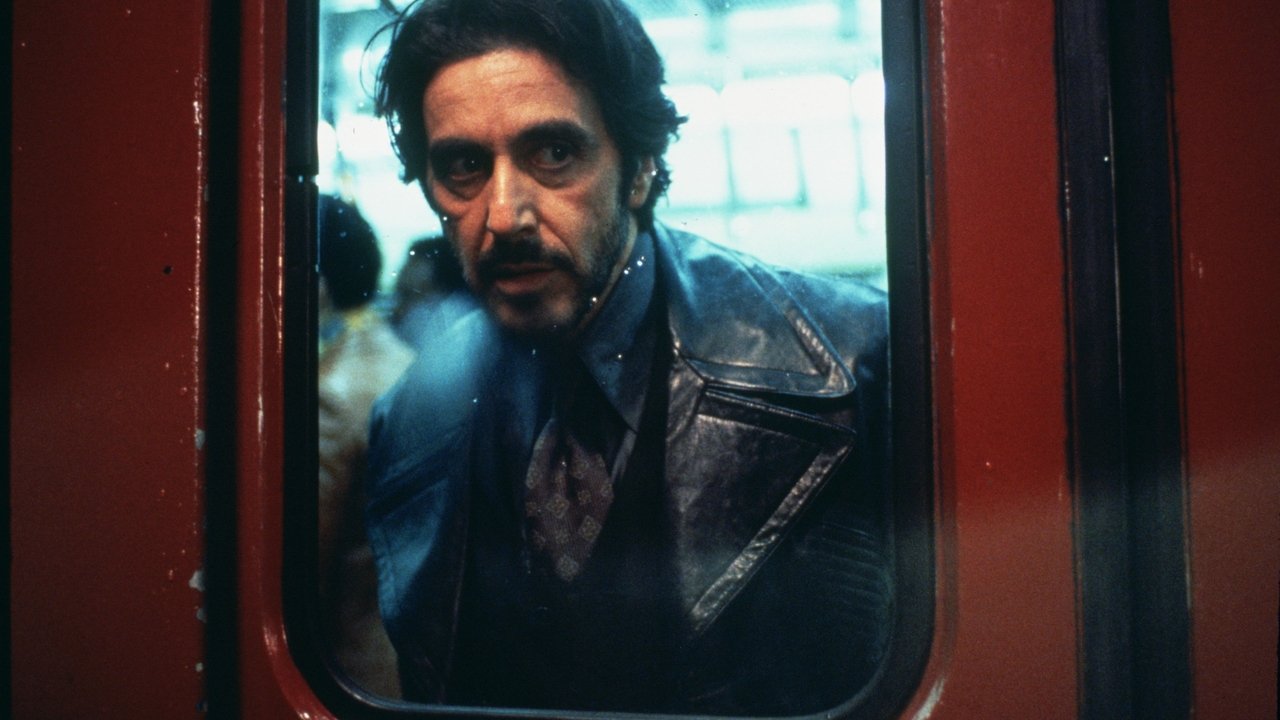
Al Pacino gives what I consider one of his last truly disciplined performances here. This was the early '90s, right around the time he won the Oscar for Scent of a Woman, and he was beginning to lean into that "Hoo-ah!" shouting style that would eventually become his caricature. But under De Palma’s direction, he pulls back. As Carlito, he’s weary. He’s spent five years in the joint, and he’s done. He wants to sell used cars in the Bahamas. He wants to wear loud shirts and breathe air that doesn't smell like floor wax and despair.
But the 1990s was a decade obsessed with the "one last job" trope, and Carlito’s Way executes it with a crushing sense of inevitability. The tragedy isn't that Carlito is a bad guy; it’s that he’s a guy trying to be honorable in a world that has traded its code for cheap suits and mindless violence. Enter John Leguizamo as Benny Blanco "from the Bronx." He represents the new breed—flashy, disrespectful, and utterly devoid of the "old school" rules Carlito lives by. Leguizamo is a hyperactive mosquito you just want to swat, and his performance is so gratingly perfect that you realize Carlito’s biggest mistake isn't a crime, but an act of mercy.
A Masterclass in Sleaze
If Pacino is the soul of the film, Sean Penn is its rotting teeth. I didn't even recognize him the first time I saw this. With a receding, permed hairline and a wardrobe that screams "corrupt lawyer on a bender," Sean Penn looks like he was dipped in a vat of lukewarm grease and perm solution. His David Kleinfeld is one of the most detestable characters in 90s cinema—a man who has everything but craves the "tough guy" validation he can’t earn.
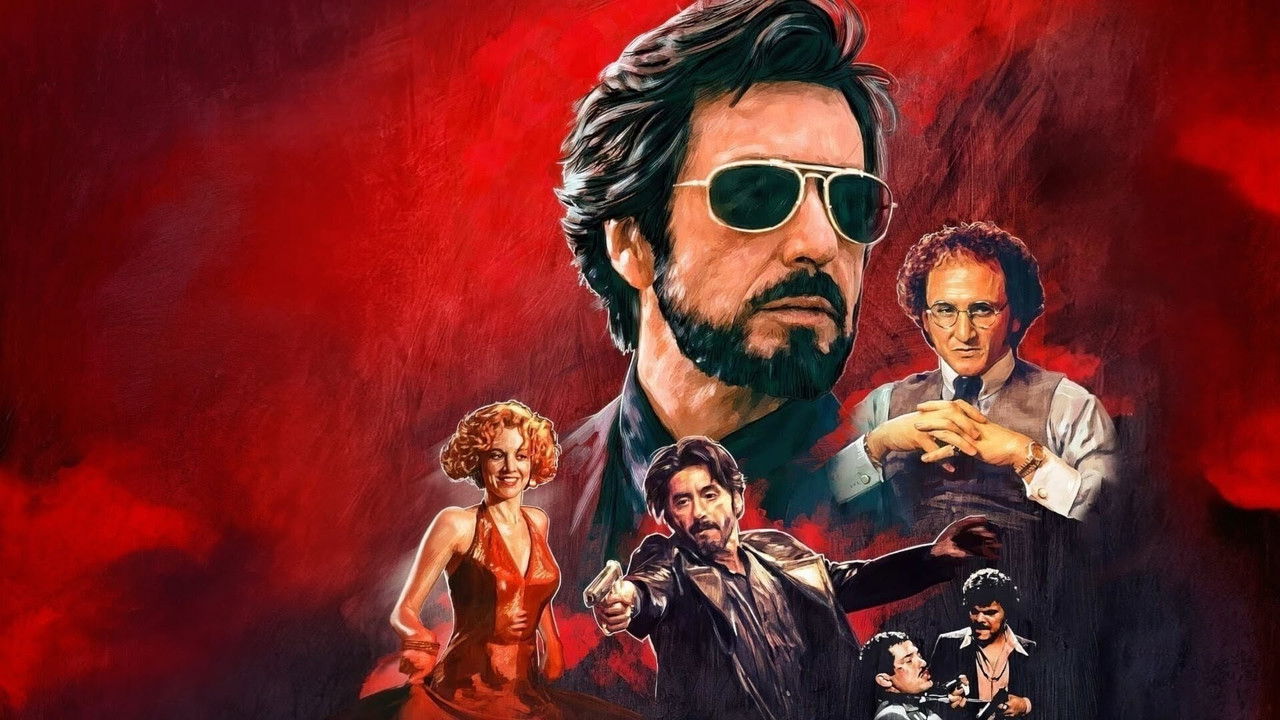
The chemistry between the two is fascinating because it’s built on a lopsided debt. Carlito owes Kleinfeld his freedom, and that debt becomes a noose. Watching the legendary Sean Penn play a coward trying to act like a gangster is a meta-treat, and it’s no wonder he snagged a Golden Globe nomination for the role. He brings a frantic, coke-paranoia energy that perfectly balances Pacino’s stoic calm.
And we have to talk about Penelope Ann Miller as Gail. Often, the "girlfriend" role in crime epics is thankless, but she provides the only light in Carlito’s world. Their romance doesn't feel like a subplot; it feels like the stakes. When they’re together, you actually believe the Bahamas might happen.
De Palma’s Visual Poetry
This was a time when Brian De Palma was still operating at the peak of his technical powers, right before the digital revolution started to flatten the look of big-studio movies. The cinematography by Stephen H. Burum (who also shot Mission: Impossible) is lush and predatory. The camera doesn't just watch the scenes; it stalks them.
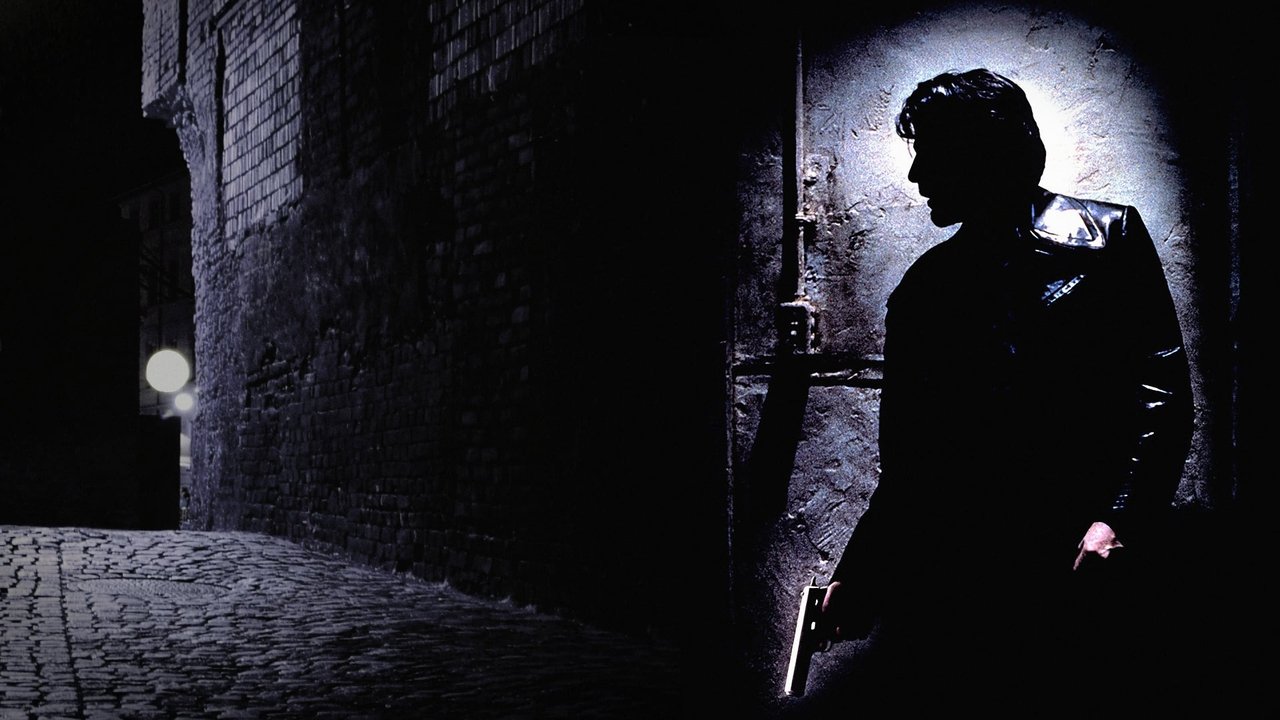
The pool hall sequence is a perfect example of this. It’s a masterclass in tension, using reflections and a simple silver dollar to build a sense of dread that is almost unbearable. I’m convinced that scene is a better thriller than most modern horror movies. Then, of course, there is the climax at Grand Central Station. In an era before CGI could just "fix" a sequence, De Palma spent months choreographing this chase. It’s a sprawling, mechanical ballet of escalators and blue-uniformed cops that remains one of the greatest set pieces in film history. It captures that frantic, Y2K-adjacent energy where the world felt like it was moving too fast to catch.
Stuff You Might Not Know
John Leguizamo actually turned down the role of Benny Blanco three times. He was worried about being typecast as a Latin thug, but eventually realized the character was a pivotal "catalyst" for the entire story. The film is actually based on two novels by Edwin Torres (Carlito's Way and After Hours), but they used the title of the first book and the plot of the second because Pacino was too old to play the younger Carlito. The script was written by David Koepp, who had a monster year in 1993—he also wrote a little indie movie called Jurassic Park. The legendary score by Patrick Doyle provides a melancholic, operatic weight that moves the film away from "action movie" territory and firmly into "tragedy."
Carlito’s Way is the rare 90s drama that has actually improved with age. It doesn't rely on the "cool" factor of being a gangster; in fact, it goes out of its way to show how pathetic and circular that life is. It’s a film about a man who finally found the right path, only to realize the road was already washed out. If you’ve only ever seen the poster or heard the name, do yourself a favor and watch it for the ending alone. Just make sure you have a drink nearby—you’re going to need it by the time the credits roll over that "Escape to Paradise" billboard.
Keep Exploring...
-
The Silence of the Lambs
1991
-
The Usual Suspects
1995
-
Fargo
1996
-
L.A. Confidential
1997
-
The Godfather Part III
1990
-
Scarface
1983
-
Heat
1995
-
Prisoners
2013
-
Mission: Impossible
1996
-

Miller's Crossing
1990
-
Cape Fear
1991
-
A Perfect World
1993
-
Bound by Honor
1993
-

Falling Down
1993
-
Natural Born Killers
1994
-
Strange Days
1995
-
A Time to Kill
1996
-
Primal Fear
1996
-

Sleepers
1996
-
Donnie Brasco
1997