Cliffhanger
"The ultimate vertical adrenaline rush."
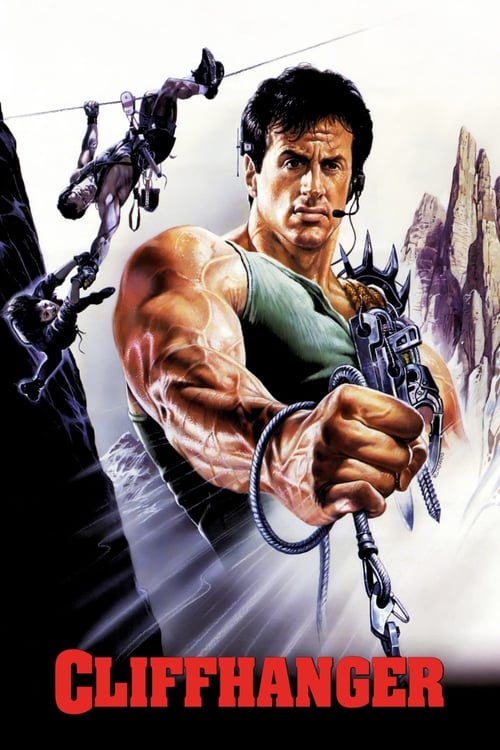
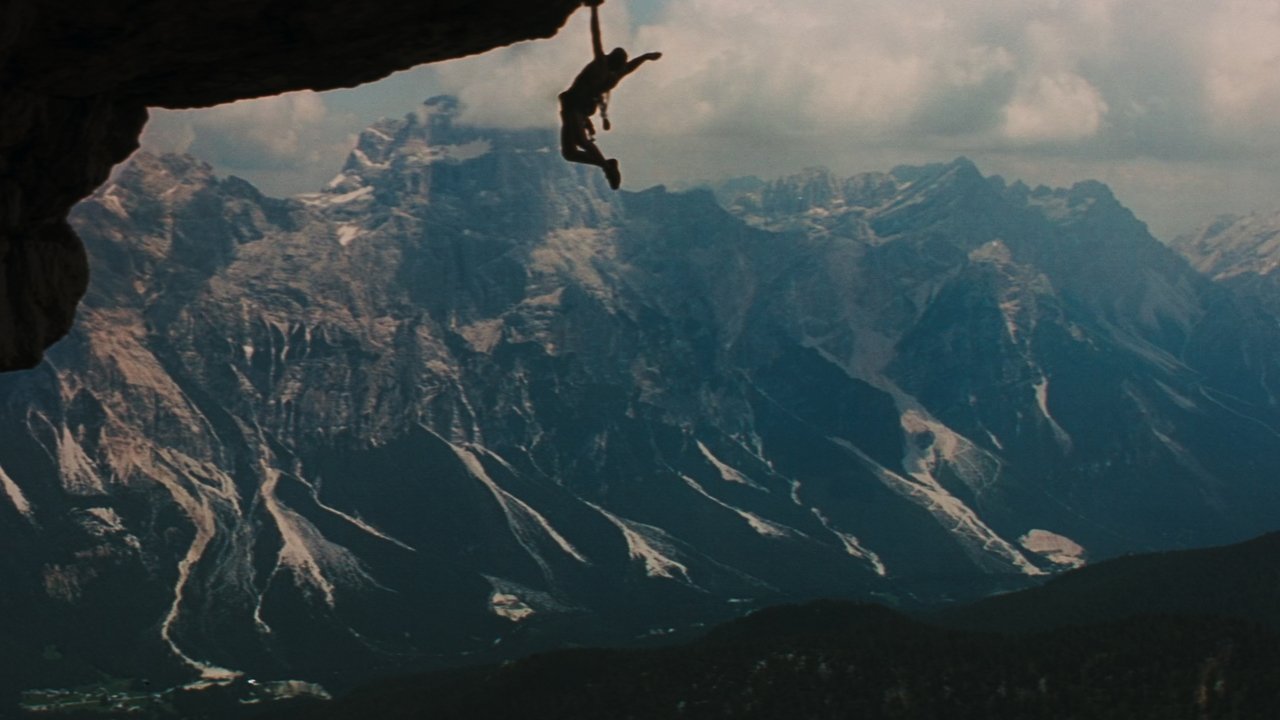
There is a specific kind of phantom pain that lives in the arches of your feet when you watch Sylvester Stallone dangle by a single finger over a 4,000-foot drop. It’s a physical response that modern green-screen spectacles rarely trigger. In 1993, Cliffhanger arrived as a loud, cold, and terrifyingly high-altitude answer to the "Die Hard on a [Blank]" trend of the early 90s. While Jurassic Park was busy ushering in the CGI revolution that same summer, director Renny Harlin was out in the Italian Dolomites proving that nothing beats the sight of real humans doing really dangerous things in really high places.
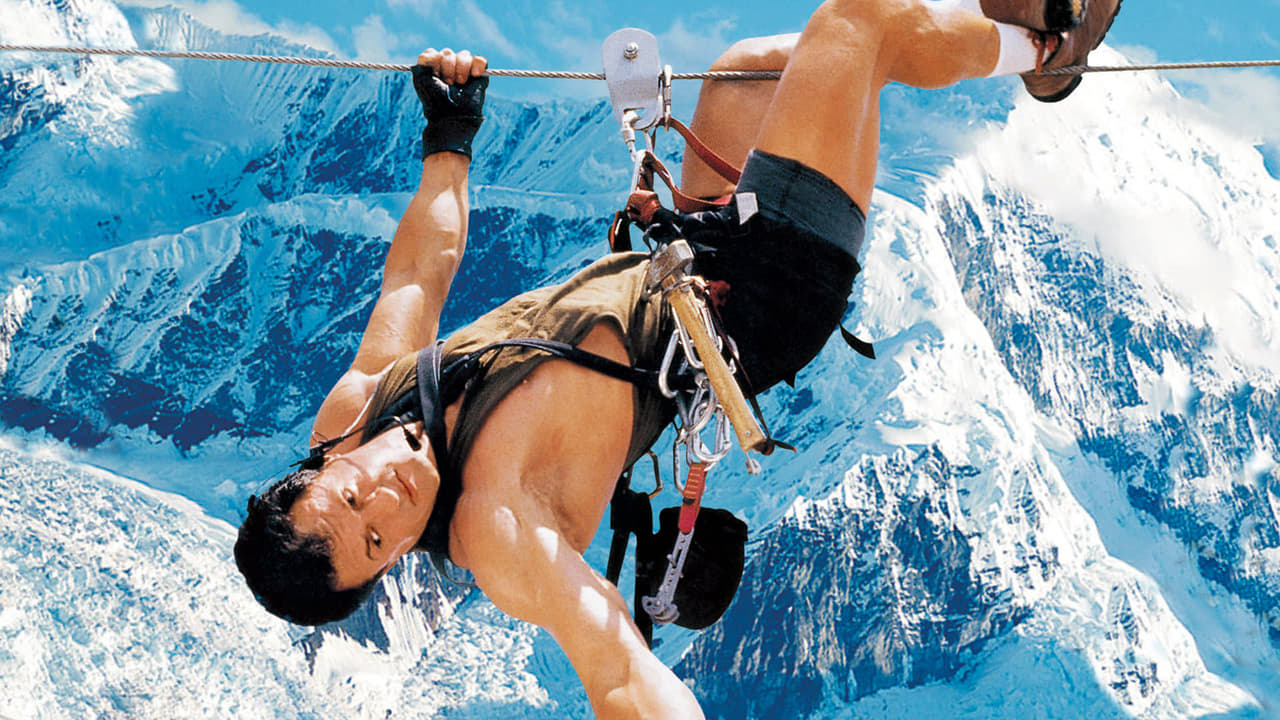
I watched this recently on a Tuesday night while trying to ignore the smell of a burnt popcorn bag lingering in the microwave, and honestly, the smoky aroma added a weirdly immersive "mountain crash site" vibe to the whole thing. It’s a film that demands you feel the chill, even if you’re sitting on a sofa in your pajamas.
Vertical Terror and the $1 Million Leap
The opening of Cliffhanger is arguably one of the most effective—and traumatizing—prologues in action cinema history. We meet Gabe Walker (Sylvester Stallone) and Hal Tucker (Michael Rooker) mid-rescue. It’s sunny, the vistas are breathtaking, and then a piece of equipment snaps. I’ve seen this movie five times, and I still hold my breath when that buckle gives way. It’s a masterclass in establishing stakes; it robs the hero of his invincibility and the audience of their safety net within the first ten minutes.
What keeps the tension high throughout the runtime is the sheer scale of the practical production. This wasn't a backlot in Burbank. The crew spent months in the freezing temperatures of the Dolomites, and that physical hardship translates to the screen. You can see the genuine exhaustion on the actors' faces and the way the wind whips their gear.
There’s also the legendary mid-air heist sequence. Stuntman Simon Crane performed a plane-to-plane transfer at 15,000 feet without a safety wire or any digital trickery. Insurance companies refused to cover it, so Sylvester Stallone reportedly gave up $1 million of his own salary to ensure the stunt happened. Looking back, that million dollars bought the film a level of "how did they do that?" credibility that today's $200 million Marvel movies can't touch with a decade of rendering.
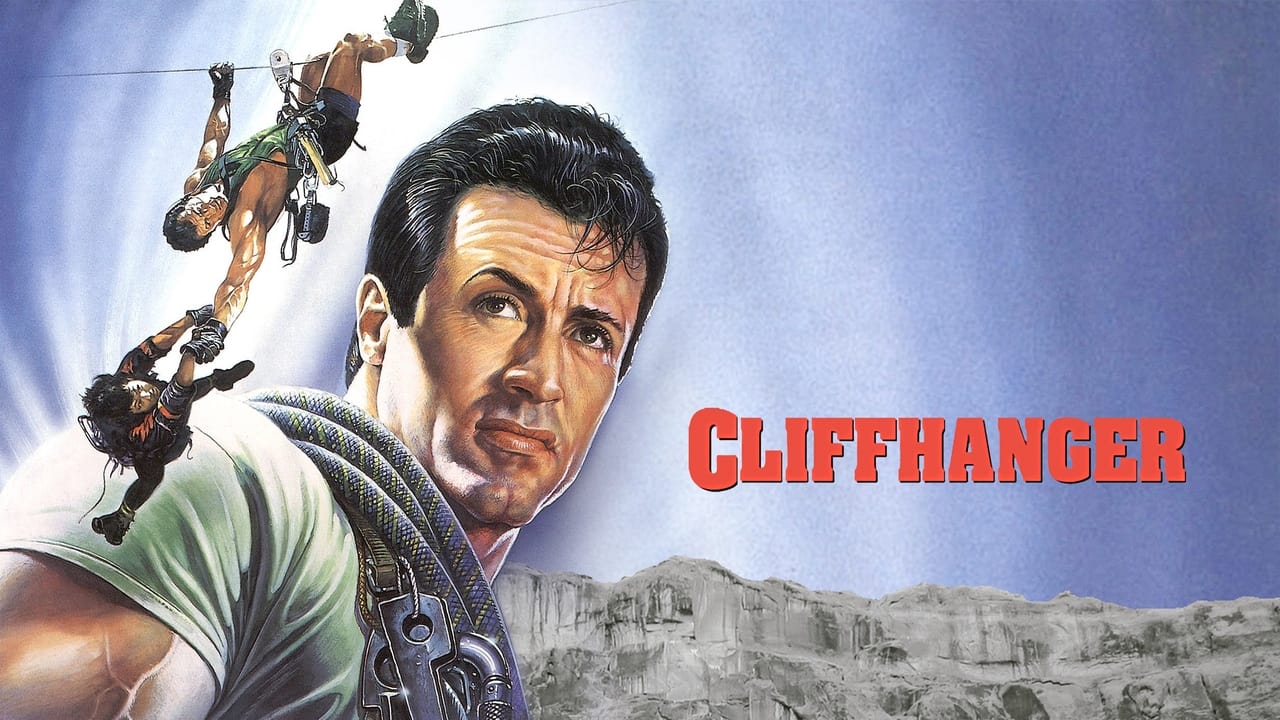
A Masterclass in High-Altitude Camp
While the action is grounded in terrifying reality, the plot is delightfully unhinged. A group of rogue Treasury agents, led by the slippery Richard Travers (Rex Linn), attempts to steal $100 million in mid-air, only to crash-land their loot across three mountain peaks. To find the money, they need mountain guides, so they lure Gabe and Hal into a trap.
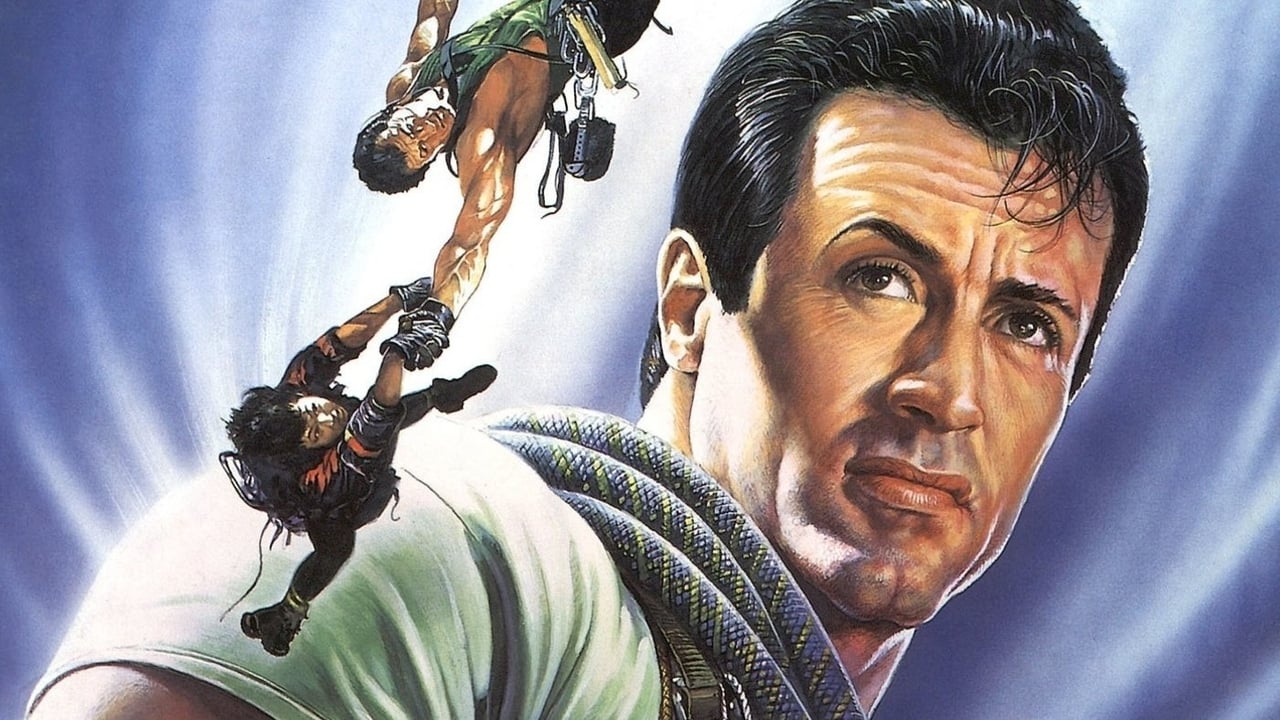
Enter John Lithgow as Eric Qualen. If you only know John Lithgow as the kindly father from 3rd Rock from the Sun, his performance here is a revelation in high-decibel villainy. Lithgow sounds like he’s doing a bad impression of a British aristocrat who just swallowed a bag of gravel, and I love every second of it. He’s theatrical, ruthless, and prone to killing his own henchmen for minor inconveniences. He provides the perfect oily contrast to Sylvester Stallone, who plays Gabe with a quiet, bruised dignity.
By 1993, Sylvester Stallone was moving away from the "invincible cartoon" era of Rambo III. Here, he’s vulnerable. He gets hurt, he makes mistakes, and he’s clearly haunted by the opening tragedy. His chemistry with Michael Rooker—who spends most of the movie being incredibly grumpy and rightfully traumatized—gives the film an emotional anchor that keeps it from floating off into pure absurdity. Even Janine Turner, playing a rescue pilot and Gabe’s love interest, gets more to do than the standard "damsel" trope of the era, though she’s still mostly there to fly the getaway vehicle.
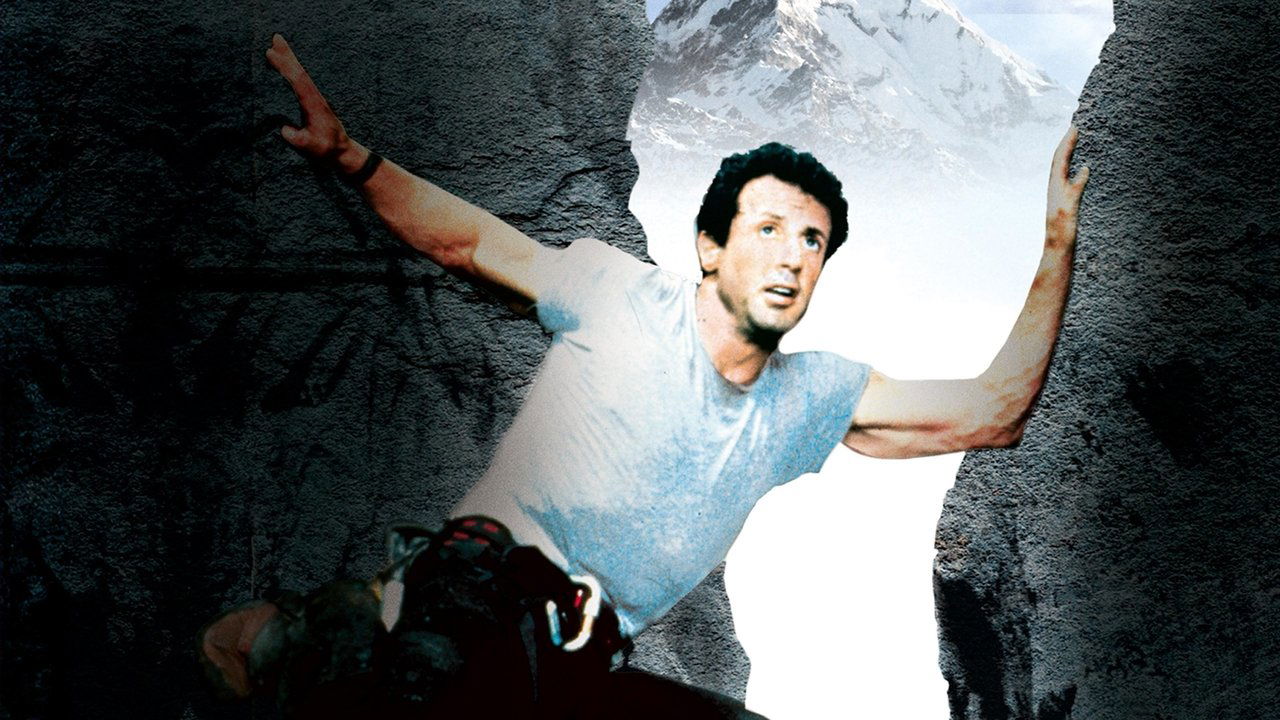
The Last Gasp of the Practical Era
From a technical standpoint, Cliffhanger is a fascinating relic of the "Modern Cinema" transition. It features early digital matte paintings and some blue-screen work, but the heart of the film is pure analog craft. The cinematography by Alex Thomson captures the mountains as both beautiful cathedrals and jagged graveyards. The score by Trevor Jones is equally essential; it’s sweeping and heroic, reminiscent of old-school adventure films, elevating the "Die Hard" formula into something that feels more mythic.
Watching it now, I’m struck by how much I miss this era of action filmmaking—the kind where you can tell exactly where the camera is and how much the actors are shivering. It lacks the rapid-fire "shaky cam" editing that would come to define the 2000s, choosing instead to let the audience soak in the vertigo. It’s a film that respects the geography of its set pieces. You always know where Gabe is in relation to the bad guys, and you always know exactly how far down the "down" really is.
Cliffhanger is a peak 90s blockbuster that knows exactly what it is: a high-stakes, high-altitude thriller with a top-tier villain and some of the best stunt work ever committed to celluloid. It’s the kind of movie that makes you want to turn up the heat in your living room and maybe never go near a mountain again. If you can forgive a few physics-defying moments—like Gabe climbing in a T-shirt while everyone else is in parkas—it remains a gripping, visceral experience. It’s Stallone at his most rugged and Renny Harlin at his most disciplined. Just remember to keep your feet flat on the floor and try not to look down.
Keep Exploring...
-
The Expendables
2010
-
The Expendables 2
2012
-
Die Hard 2
1990
-
Rambo III
1988
-
Assassins
1995
-
Daylight
1996
-
Mission: Impossible
1996
-

The Long Kiss Goodnight
1996
-
The Rock
1996
-
Armageddon
1998
-
Star Trek: Generations
1994
-
GoldenEye
1995
-
Star Trek: First Contact
1996
-
Tomorrow Never Dies
1997
-
The Expendables 3
2014
-
First Blood
1982
-
Rambo: First Blood Part II
1985
-
Mission: Impossible II
2000
-

Jurassic Park III
2001
-
xXx
2002