Cool Runnings
"Tropical pride meets the deep freeze."
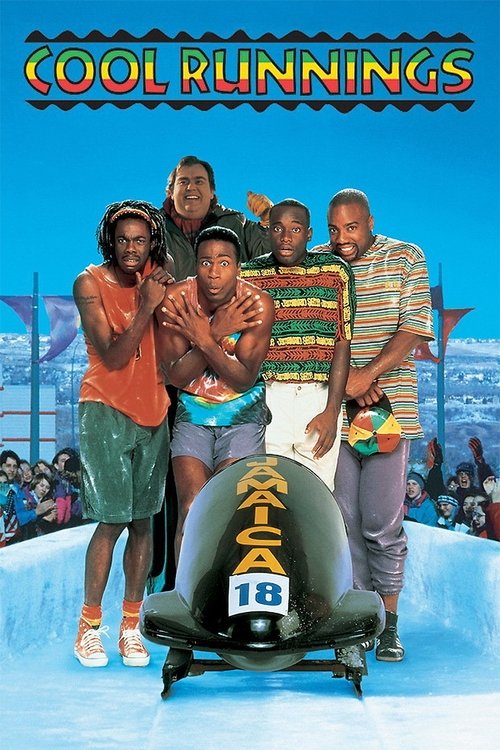
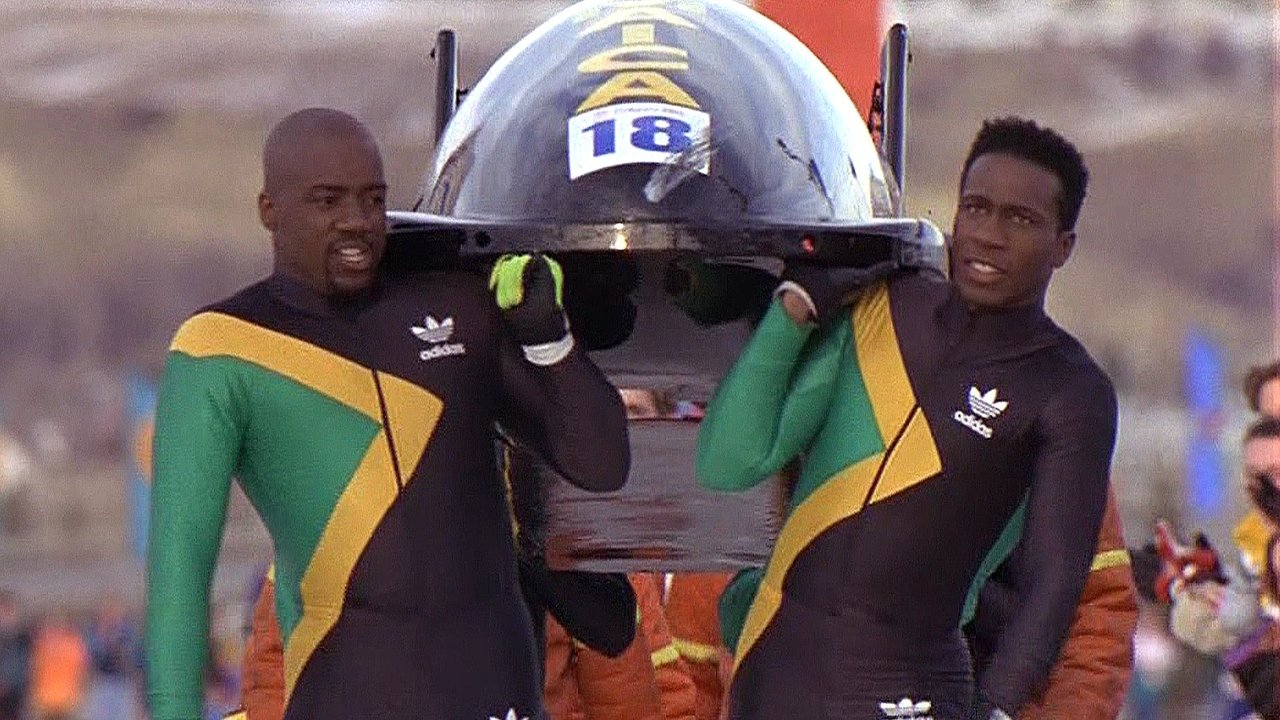
In the summer of 1993, while every other kid was losing their mind over CGI dinosaurs in Jurassic Park, I was sitting in a humid living room eating a bowl of cereal that had gone dangerously soggy because I was too mesmerized by a group of guys trying to sprint in a bathtub. Looking back, Cool Runnings shouldn't have worked. It’s a Disney sports movie about bobsledders from a country that hasn't seen a snowflake in ten thousand years. On paper, it sounds like a rejected pitch from a weekend bender at a mid-tier ad agency.
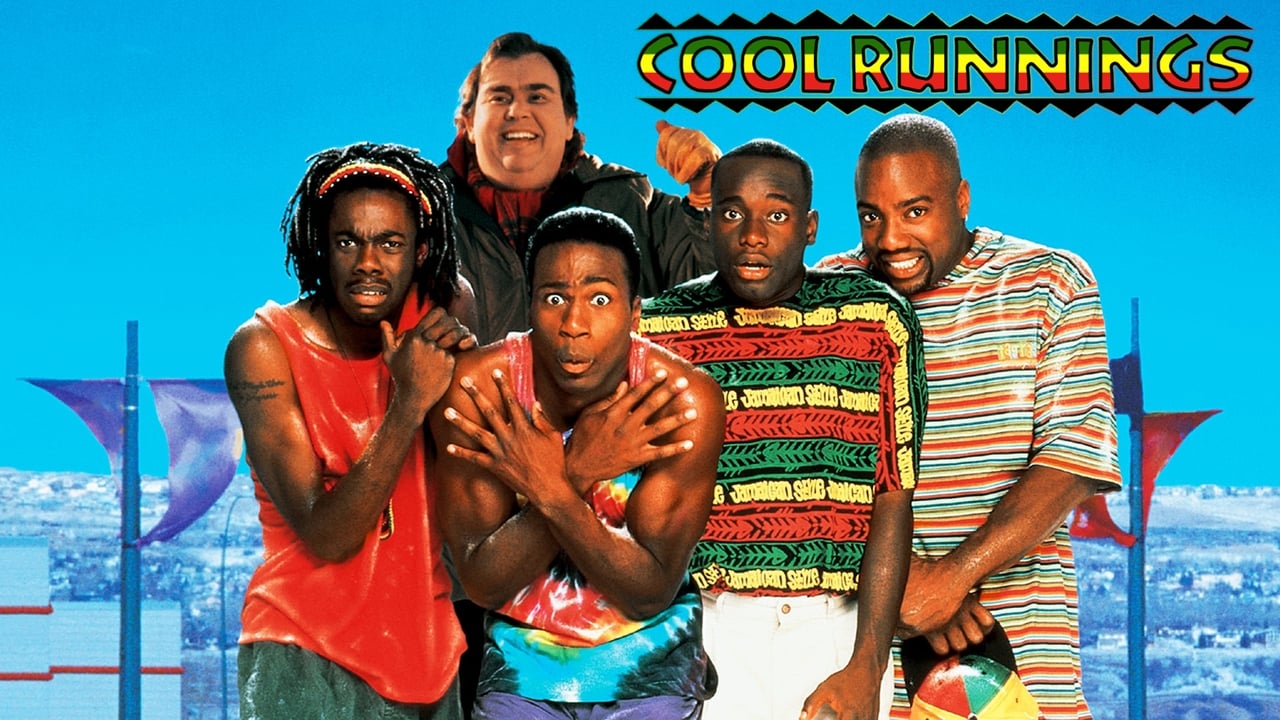
Yet, decades later, this film remains the gold standard for the "unlikely underdog" subgenre. It’s a Modern Cinema relic that captures that specific 90s transition: it has the earnest heart of an 80s drama but the slick, high-energy production value that would define the blockbuster era. It’s also surprisingly deep for a movie that features a man carrying a lucky egg in his spandex.
The Weight Beneath the Winter Gear
While marketed as a zany comedy, the engine of Cool Runnings is fueled by genuine dramatic tension. At its core, the film is about the crushing weight of failed dreams. Leon (playing Derice Bannock) isn't just a "fast guy"; he’s a man whose entire identity is tied to an Olympic legacy that is snatched away in a freak accident. Leon brings a stiff, almost desperate dignity to the role that balances out the more eccentric energy of his teammates.
Then there’s the John Candy factor. This was one of the legendary comedian's final roles, and he delivers a performance that feels weary and lived-in. As Irv Blitzer, the disgraced American medalist who cheated to win, Candy doesn't play it for easy laughs. There’s a scene where he explains to Derice why he cheated—"A gold medal is a wonderful thing, but if you're not enough without it, you'll never be enough with it"—that hits with a psychological precision you don’t expect from a PG Disney flick. He’s essentially playing a ghost seeking a second chance at life, and his chemistry with the four leads provides the emotional anchor the movie needs to keep from drifting into pure slapstick.
A Masterclass in Character Dynamics
The chemistry among the four bobsledders is the film's secret weapon. You have Doug E. Doug as Sanka Coffie, providing the high-octane comic relief, but he’s perfectly counterbalanced by Malik Yoba as Yul Brenner. Yoba is fantastic here; he plays Yul with a simmering, defensive rage that slowly thaws into brotherhood. Watching him help the timid Junior Bevil (Rawle D. Lewis) find his self-worth is genuinely moving.
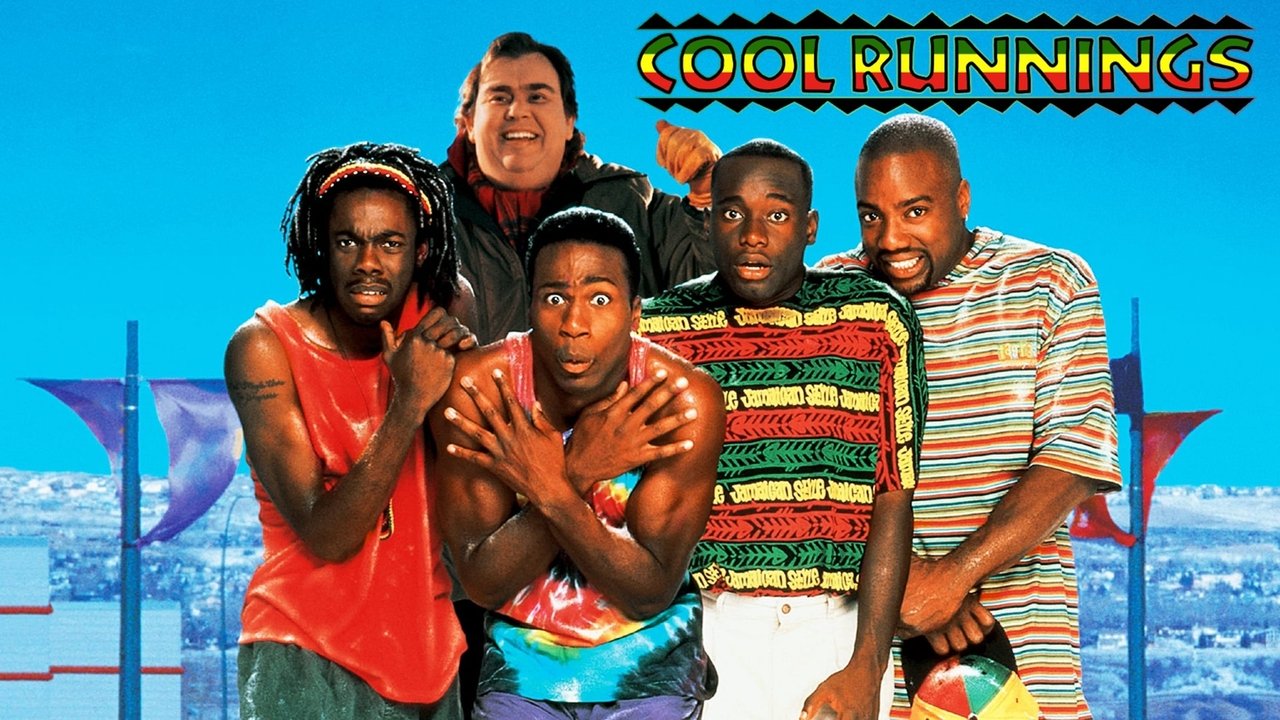
I’ve always felt that the Swiss team looks like they were recruited exclusively from a catalog of 'Villainous Aryan Extras', which is a classic 90s trope—giving our heroes a literal cold, robotic foil to contrast their vibrant, rhythmic humanity. It’s a bit on the nose, sure, but in the context of the film's "Modern Cinema" era, it works. This was a time when Hollywood still loved a clearly defined "other" to root against, and the snooty winter sports elite served that purpose perfectly.
The film also benefits from an early Hans Zimmer score. Long before he was drowning out dialogue with massive "BRAAAM" sounds in Christopher Nolan movies, Zimmer was blending Caribbean rhythms with orchestral swells. It’s a soundtrack that makes you want to dance while simultaneously making you feel like you could punch a hole through a glacier.
The $150 Million Underdog
From a production standpoint, Cool Runnings was a monster. Produced by Dawn Steel on a relatively modest $14 million budget, it went on to gross over $154 million worldwide. That’s roughly $330 million in today’s money. It stayed in theaters for months, fueled by word-of-mouth that transcended its "kids' movie" label. It was a cultural touchstone that launched catchphrases—"Feel the rhythm! Feel the rhyme!"—into the permanent lexicon of anyone who grew up with a VCR.
Interestingly, the film takes massive liberties with the true story. In reality, the 1988 Jamaican team was actually treated quite well by the other athletes, and there was no "disgraced American coach" lurking in the shadows. But the screenplay by Tommy Swerdlow and Michael Goldberg understands that the truth is often less compelling than a good redemption arc. By framing the Jamaicans as outcasts fighting for respect in a world that views them as a punchline, director Jon Turteltaub creates a narrative that feels universal.
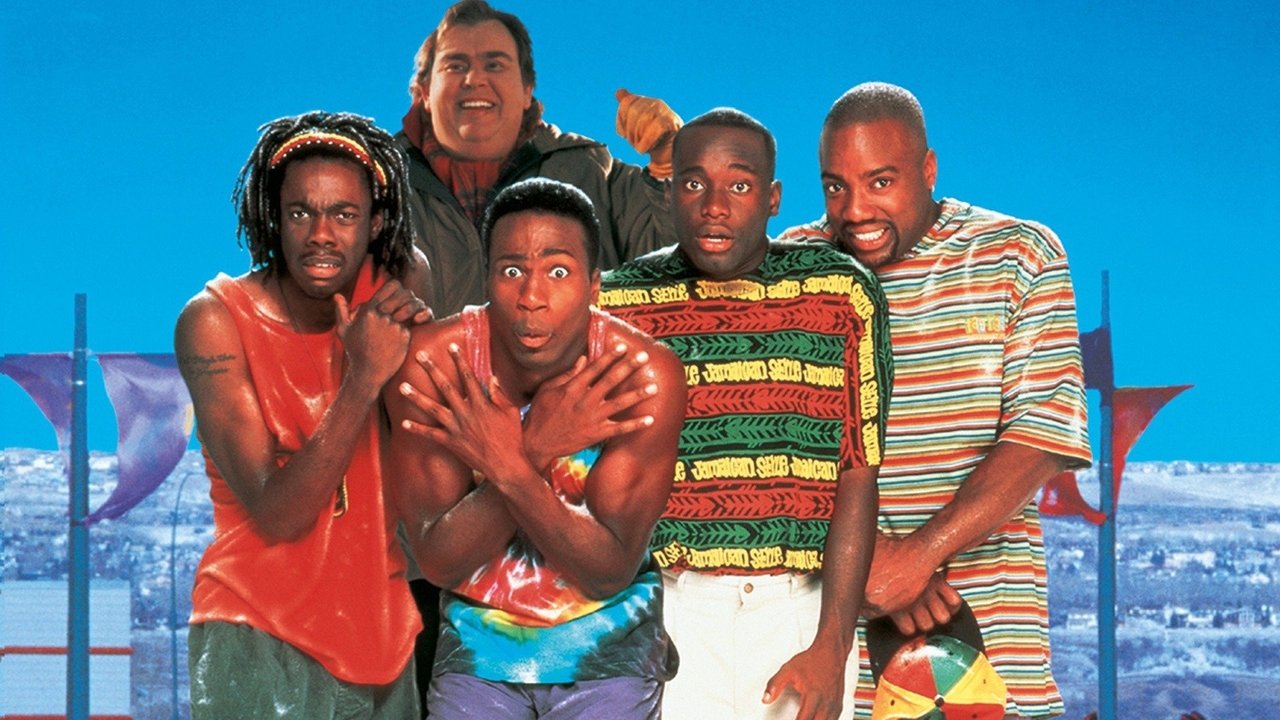
Apparently, the actors actually spent time in a cold storage facility to prepare for the filming of the Calgary scenes, and that physical discomfort translates well on screen. You can see the genuine shock on their faces when they first step into the "Twenty below zero" environment mentioned in the tagline. It’s that blend of practical physical comedy and sincere character growth that prevents the movie from feeling like a hollow studio product.
Ultimately, Cool Runnings succeeds because it earns its ending. It’s a drama that understands that winning isn't always about the medal count; it’s about the refusal to be defined by your failures. It’s the cinematic equivalent of a warm hug that smells like cocoa butter and motor oil. If you haven't revisited it since the days of wood-paneled television sets, give it another look—it’s much smarter, and much heartier, than its wacky premise suggests.
The film's final walk—slow, quiet, and defiant—remains one of the most effective emotional payoffs in 90s cinema. It’s a moment that reminds me that even when the "sled" of our lives falls apart, how we finish the race is the only thing people actually remember. It’s a feel-good movie with actual teeth, and that’s a rare find in any era.

Keep Exploring...
-

While You Were Sleeping
1995
-

Phenomenon
1996
-
Fear and Loathing in Las Vegas
1998
-
Last Vegas
2013
-
Maverick
1994
-
Back to the Future Part III
1990
-
Bird on a Wire
1990
-
Teenage Mutant Ninja Turtles
1990
-
Fried Green Tomatoes
1991
-

Robin Hood: Prince of Thieves
1991
-
A League of Their Own
1992
-
Forever Young
1992
-
Home Alone 2: Lost in New York
1992
-
Sneakers
1992
-
Free Willy
1993
-
Mrs. Doubtfire
1993
-
Sleepless in Seattle
1993
-
The Three Musketeers
1993
-
The Santa Clause
1994
-
Ace Ventura: When Nature Calls
1995