Dennis the Menace
"Hide the slingshot. Lock the door. Dennis is home."
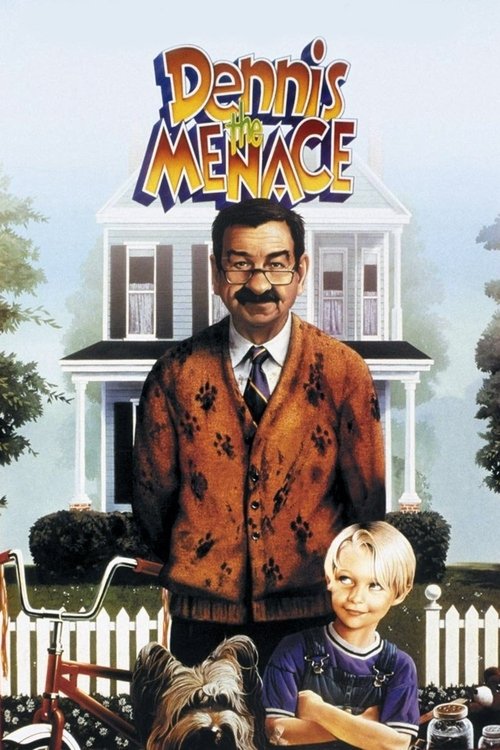
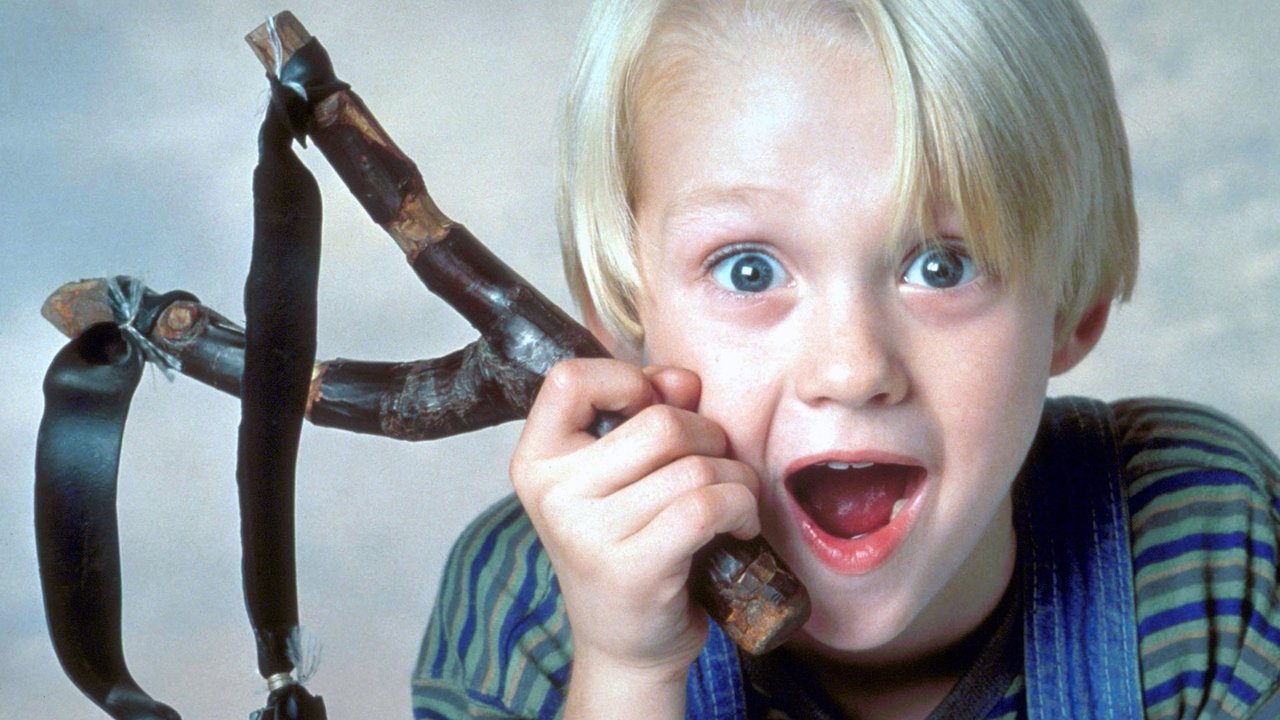
In 1993, the American suburb was a designated battlefield, and the primary weapon of choice was a blonde six-year-old with a cowlick and a slingshot. Following the supernova success of Home Alone, the industry realized there was an insatiable appetite for movies where adults were systematically humiliated by children. Into this landscape stepped John Hughes (who also penned Beethoven and 101 Dalmatians), ready to translate the classic Hank Ketcham comic strip into a live-action slapstick extravaganza. I watched this most recent viewing while nursing a lukewarm mug of chamomile tea that I’d accidentally dropped a Ritz cracker into—a soggy, unintended disaster that felt like exactly the kind of thing Dennis would cause.
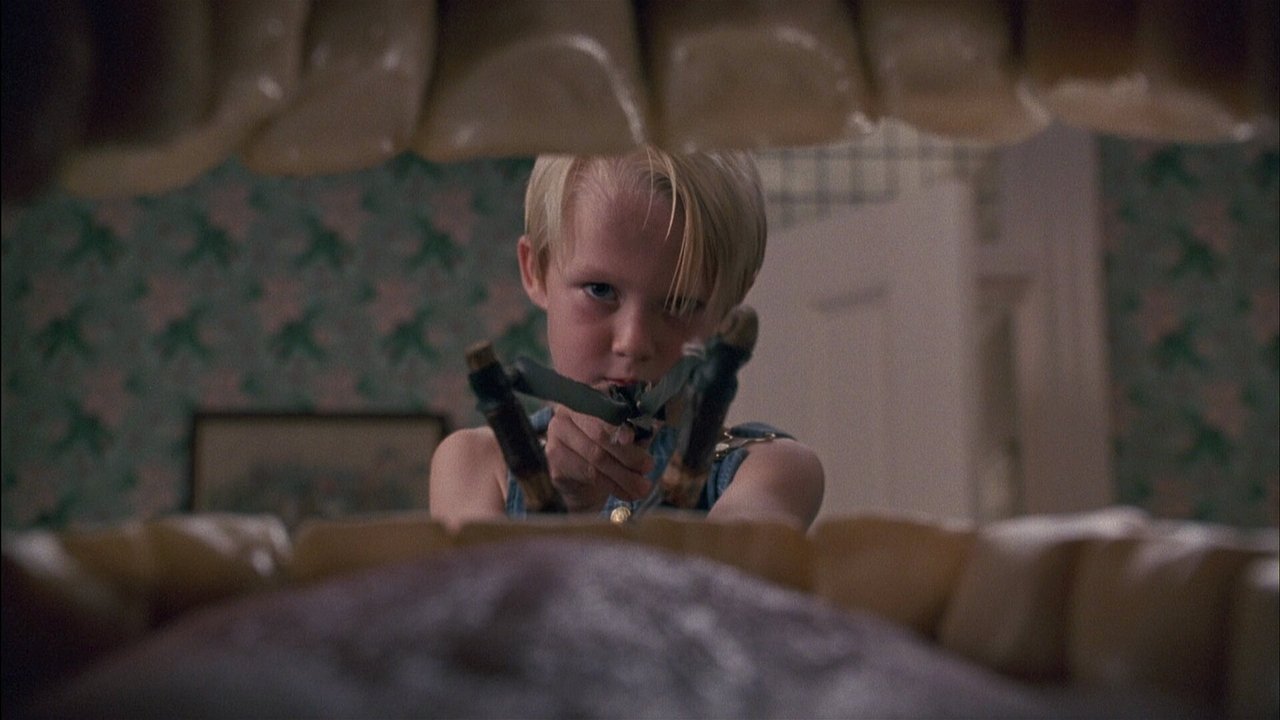
The Grump and the Golden Boy
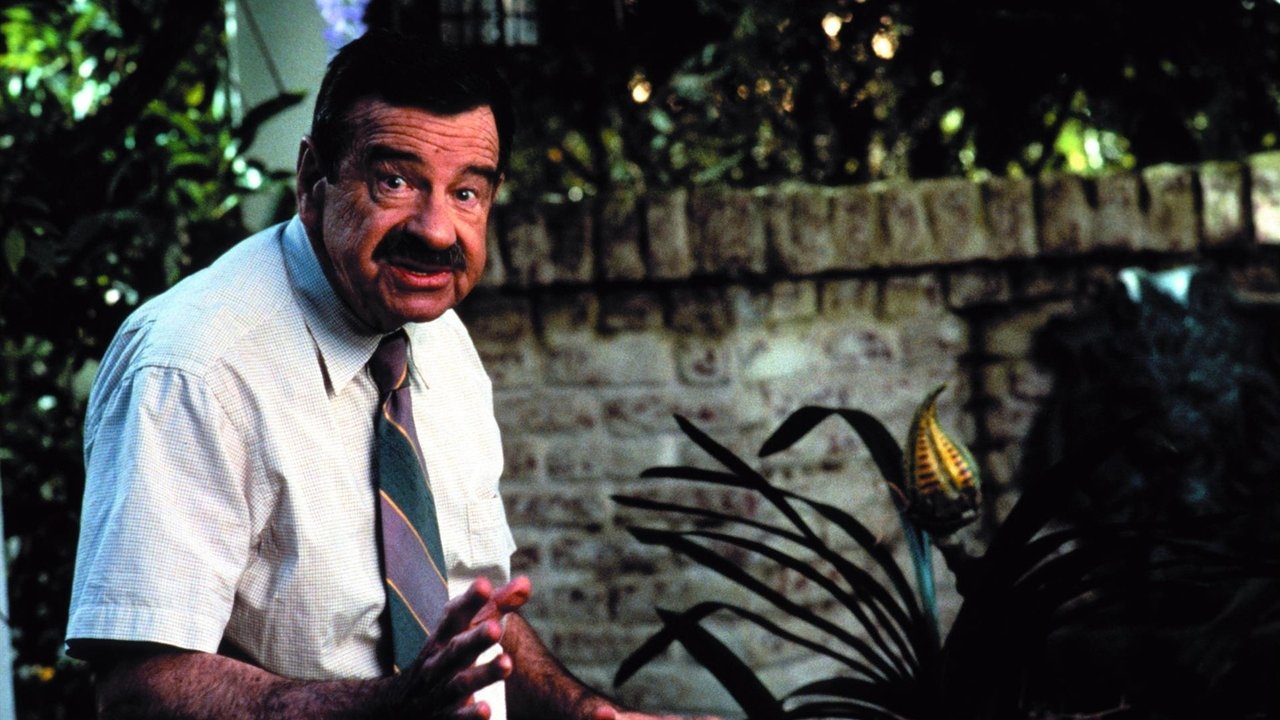
The gravitational center of Dennis the Menace isn't actually the titular child, but rather the man who has to endure him. Walter Matthau as George Wilson is, quite simply, a stroke of casting genius. Matthau possessed a face that looked like a crumpled paper bag that had been sat on by a very large dog, and he used every wrinkle to telegraph a soul-deep exhaustion. Watching him try to enjoy a quiet afternoon while Mason Gamble’s Dennis Mitchell looms in the background is a masterclass in slow-burn comedic timing.
Mason Gamble was selected from a pool of 20,000 hopefuls, and he brings a terrifyingly sincere energy to the role. Unlike Kevin McCallister, who was a tactical genius with a mean streak, Dennis is a walking natural disaster who genuinely likes his neighbor. He doesn’t want to ruin Mr. Wilson’s life; he just happens to be a localized atmospheric disturbance. The chemistry between them works because Matthau plays it straight. He isn't "movie mad"—he is genuinely, existentially miserable. Joan Plowright (who I always associate with Enchanted April) provides the necessary sweetness as Martha Wilson, acting as the bridge between the two, while Lea Thompson and Robert Stanton do what they can with the somewhat thankless roles of the Mitchell parents.
The John Hughes Factory Line
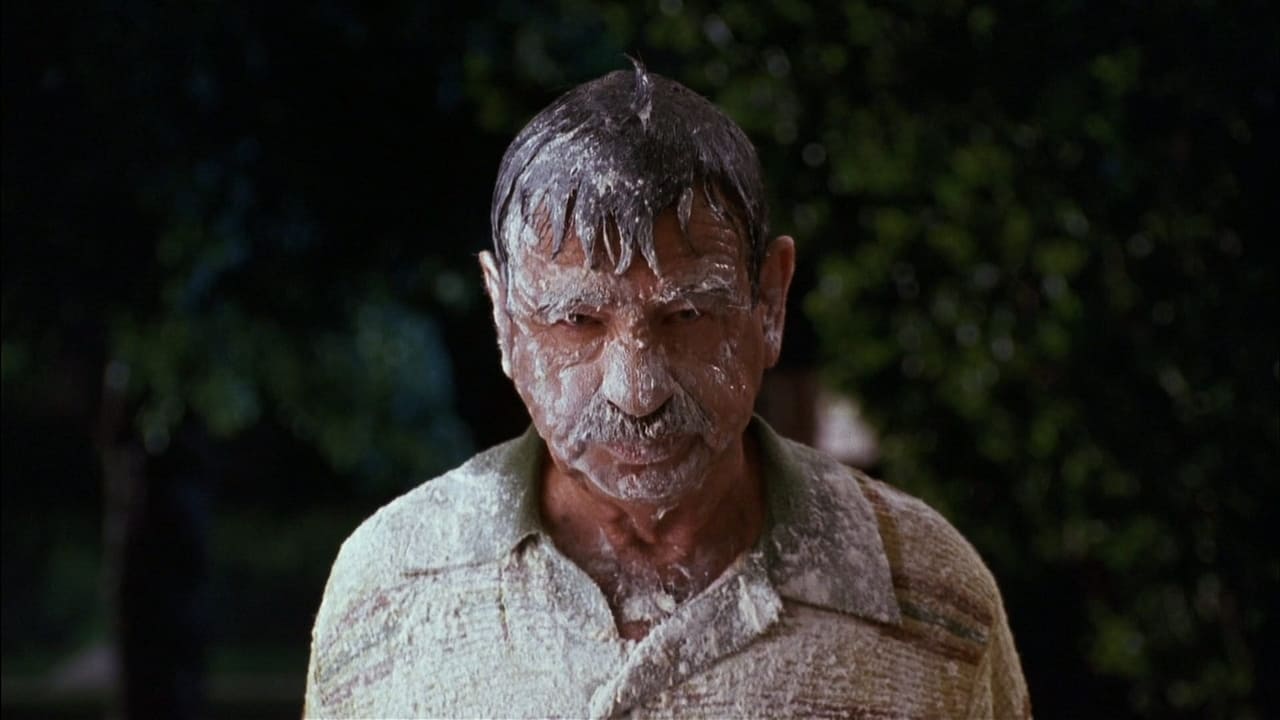
By 1993, the John Hughes production machine was a well-oiled engine of suburban chaos. You can feel his fingerprints on every frame, from the pristine lawns to the Rube Goldberg-esque traps. Director Nick Castle (who, in a bizarre bit of trivia, was the original Michael Myers in Halloween) keeps the pace brisk, but there’s an unmistakable "Modern Cinema" sheen to the whole affair. This was the era where practical effects still reigned supreme—before CGI took over the world—and the tactile nature of the mess is what makes it work. When paint spills or flour explodes, it feels heavy and real.
The film was a massive commercial juggernaut, raking in over $117 million against a $35 million budget. It wasn't just a movie; it was a 90s cultural event. I remember the merchandising being inescapable—the SEGA Genesis video game, the action figures, and the constant tie-ins. Looking back, it captures that specific pre-internet window where a "blockbuster" could just be a movie about a kid being a nuisance in a quiet neighborhood. It didn't need a multiverse or a sky-beam; it just needed a man getting a grilled cheese sandwich stuck to his forehead. The sheer amount of property damage Dennis inflicts would realistically lead to a multi-state legal battle today.
A Surprisingly Gritty Antagonist
If there is one element that feels truly jarring in a retrospective light, it’s Christopher Lloyd as Switchblade Sam. Christopher Lloyd’s Switchblade Sam belongs in a slasher movie, not a family comedy. With his rusted knife, unwashed coat, and legitimate "stranger danger" aura, he feels like he wandered off the set of a gritty 70s thriller and into the wrong zip code.
However, his presence serves a vital narrative purpose. Without a "real" villain, the movie would just be ninety minutes of an old man being bullied by a child. By introducing Sam, the film allows Dennis to accidentally use his powers of annoyance for good. The final confrontation between the two is a highlight of 90s physical comedy, utilizing Thomas E. Ackerman’s cinematography to emphasize the scale of the slapstick. It’s a sequence that wouldn't feel out of place in a Looney Tunes short, yet Christopher Lloyd commits to the role with a terrifying intensity that keeps the stakes surprisingly high. It’s that weird tonal friction—the warmth of the Wilsons' home clashing with the darkness of the railroad tracks—that keeps the movie from being entirely forgettable.
Ultimately, Dennis the Menace is a fascinating artifact of its time. It’s a film that thrives on the "grumpy old man" archetype that Walter Matthau perfected in Grumpy Old Men later that same year, blended with the kid-centric mayhem that defined the early 90s box office. It isn't high art, and some of the jokes are about as subtle as a brick to the face, but it possesses a genuine heart that many modern family films lack. It's a reminder of a time when the biggest threat to suburban peace was just a curious kid with too much free time and a neighbor who really just wanted to take a nap.
Keep Exploring...
-
Major Payne
1995
-
101 Dalmatians
1996
-
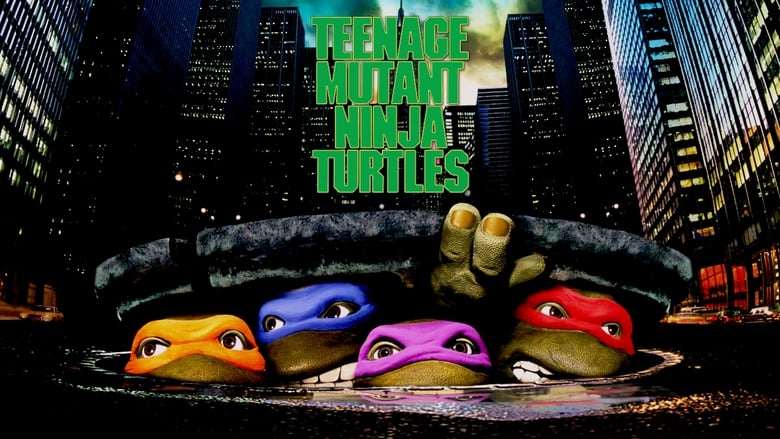
Teenage Mutant Ninja Turtles
1990
-

Beethoven's 2nd
1993
-
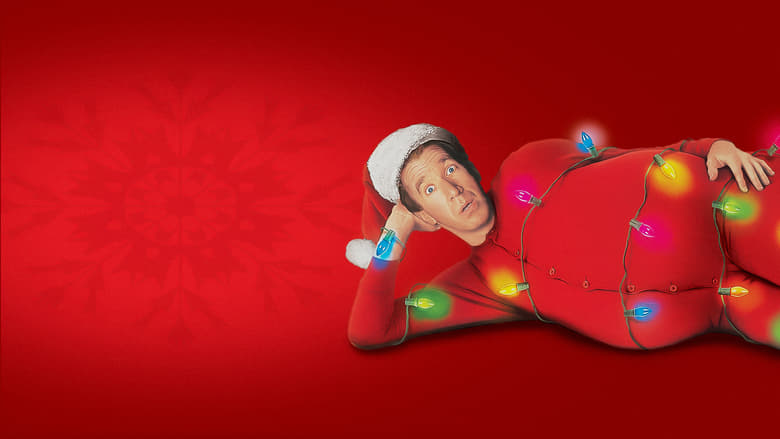
The Santa Clause
1994
-
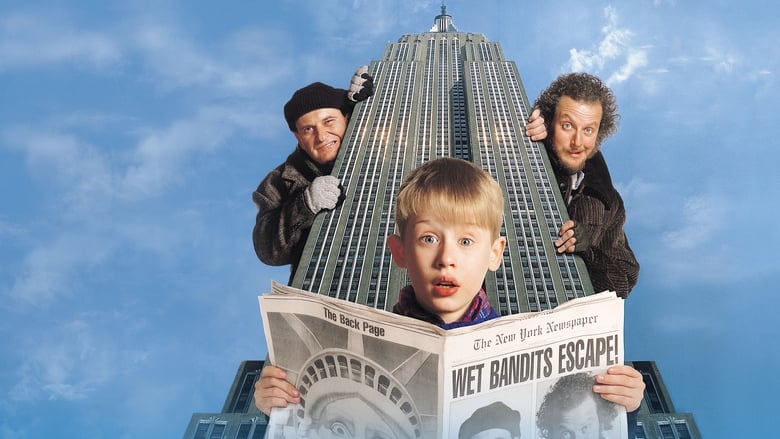
Home Alone 2: Lost in New York
1992
-
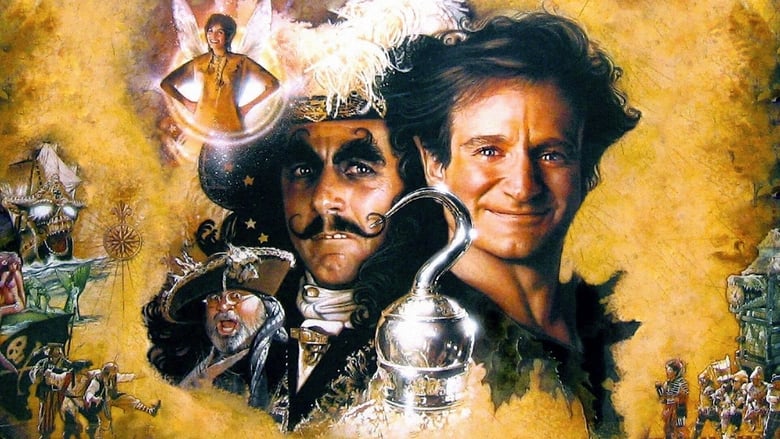
Hook
1991
-

Beethoven
1992
-
Casper
1995
-

Bean
1997
-

George of the Jungle
1997
-

DuckTales: The Movie - Treasure of the Lost Lamp
1990
-
Spy Kids
2001
-
Spy Kids 2: The Island of Lost Dreams
2002
-
Freaky Friday
2003
-
Hoodwinked!
2005
-
Nanny McPhee
2005
-

Arthur Christmas
2011
-
The Muppets
2011
-

Alexander and the Terrible, Horrible, No Good, Very Bad Day
2014