Dragon Ball Z: Broly - The Legendary Super Saiyan
"Pure muscle, green fire, and a very long grudge."
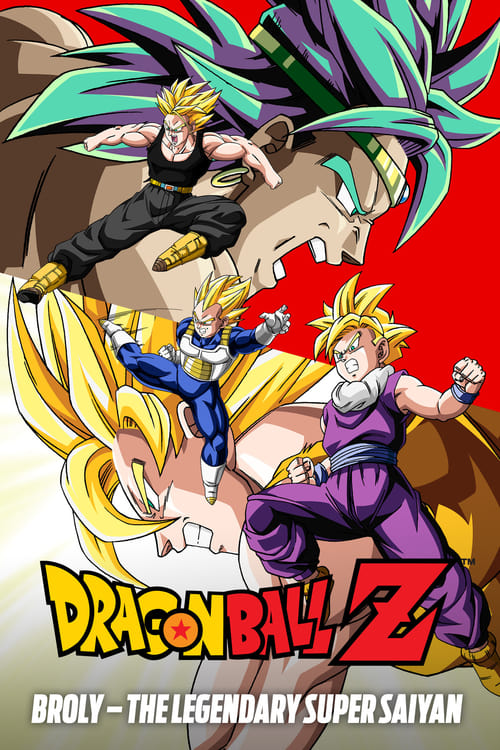
I recently revisited Dragon Ball Z: Broly - The Legendary Super Saiyan while my neighbor was loudly pressure-washing his driveway, and I have to say, the rhythmic thrum of the water against the pavement actually synced up perfectly with the screaming on screen. It’s a film that exists in a very specific pocket of my brain—the one reserved for 1990s VHS tapes with questionable tracking and the smell of microwave popcorn.
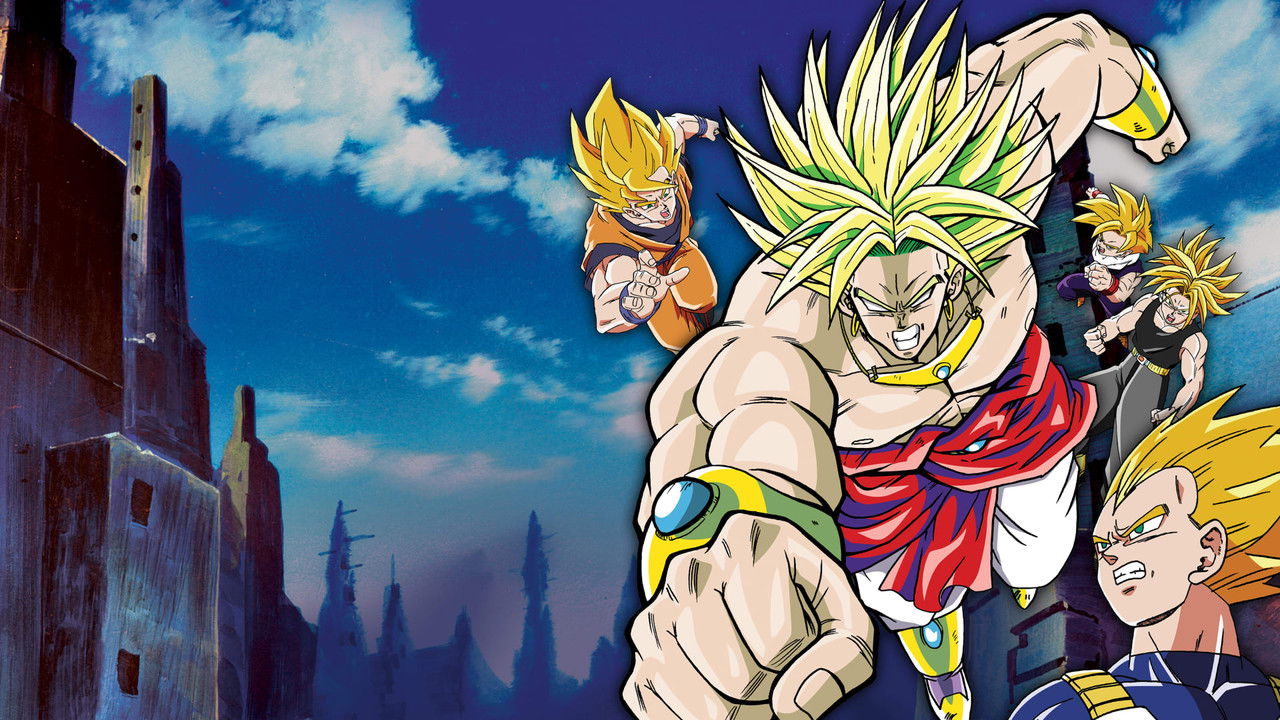
Released in 1993, this 70-minute punch-fest arrived during the absolute peak of Dragon Ball’s global saturation. Looking back, it’s a fascinating relic of the cel-animated era, a time before every energy beam was a clean digital vector. There’s a grit and a weight to the hand-drawn destruction here that the modern, polished reboots struggle to replicate. It’s also the film that introduced a character so popular he basically forced his way into the official series canon decades later through sheer fan-will.
The Grime and Glamour of the New Planet Vegeta
The plot is effectively a trap. A one-eyed Saiyan named Paragus (voiced with Shakespearean gravity by Iemasa Kayumi) arrives on Earth to beckon Vegeta (Ryo Horikawa) to rule a new Saiyan throne. It’s a classic "too good to be true" setup that feels like a space-opera version of a haunted house movie. Director Shigeyasu Yamauchi, who also directed the wonderfully moody Cassehern Sins, brings a surprisingly atmospheric touch to the first half. The lighting is harsh, the environments feel desolate, and there’s an underlying sense of dread that usually doesn't exist in the daytime-saturated world of the TV show.
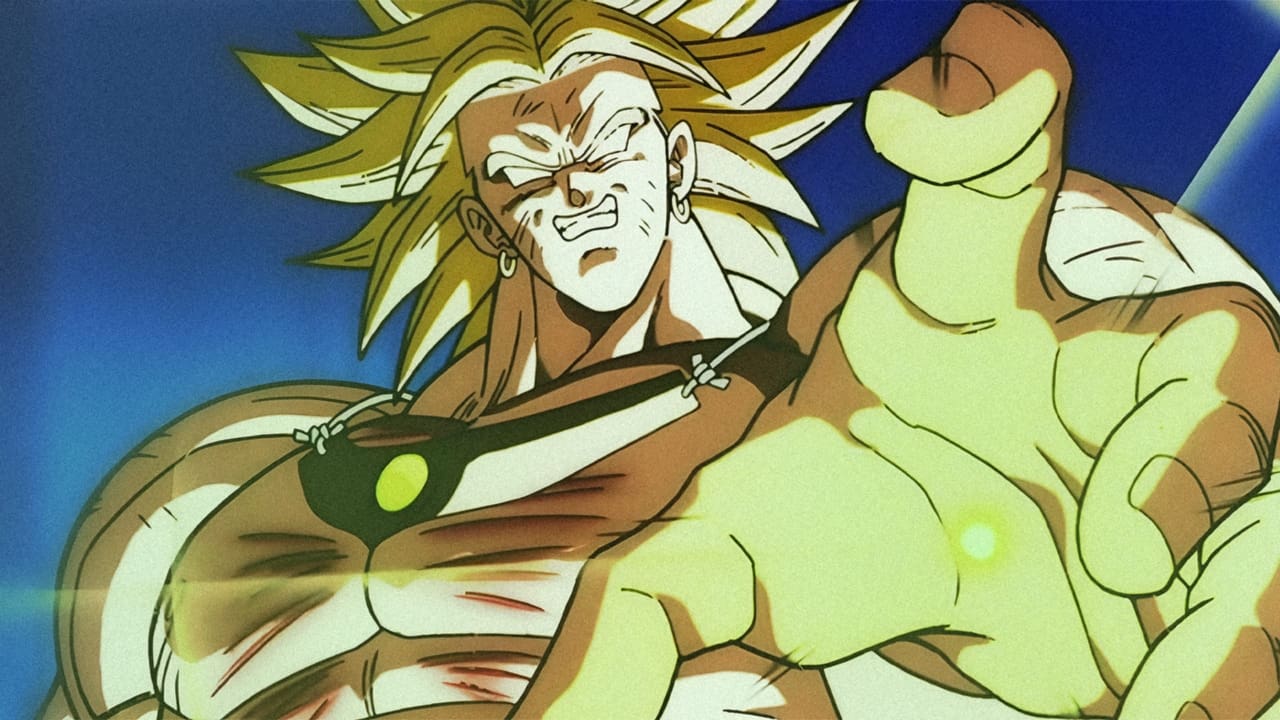
Watching Vegeta get led around by his own ego is always a treat, but it’s the arrival of Goku (Masako Nozawa) that sets the powder keg off. The film transitions from a political mystery into a survival horror movie where the monster happens to be a seven-foot-tall man with glowing green hair. Bin Shimada’s performance as Broly is a masterclass in escalating insanity; he starts as a quiet, repressed bodyguard and ends as a cackling force of nature that treats the main cast like stress balls.
Choreography of a One-Sided Massacre
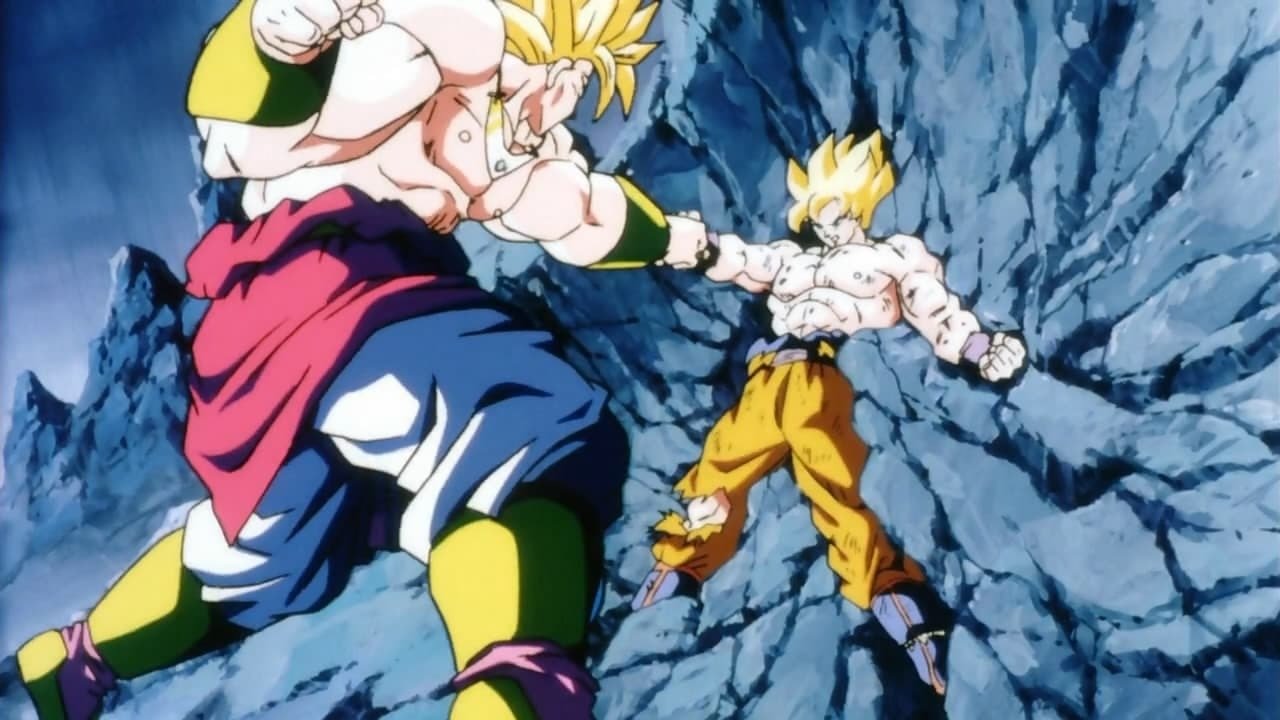
The action in Broly is different from your standard Dragon Ball fare. Usually, there’s a back-and-forth, a tactical exchange of blows. Here, the choreography is designed to showcase total helplessness. I love the way Yamauchi stages the fight—Broly doesn't just punch people; he clotheslines them through buildings and drags their faces across rock walls. There’s a physical consequence to the animation that makes you feel every impact.
Vegeta gets humiliated so thoroughly he basically spends the second act in a fugue state, which is a bold choice for a character usually defined by his pride. It forces the rest of the crew—Trunks (Takeshi Kusao), Gohan, and even Piccolo—to step up in a fight they clearly cannot win. The pacing is unrelenting once the fighting starts. It’s 45 minutes of sustained escalation that never really lets you breathe.
The score by Shunsuke Kikuchi is the secret sauce here. He utilizes these haunting, trumpet-heavy tracks that make the destruction feel ancient and inevitable. It doesn’t feel like a superhero brawl; it feels like a natural disaster. It’s a reminder of how much the aural landscape of 90s anime contributed to its "epic" feel before the transition to more generic, synth-heavy soundtracks.
The Legend That Refused to Fade
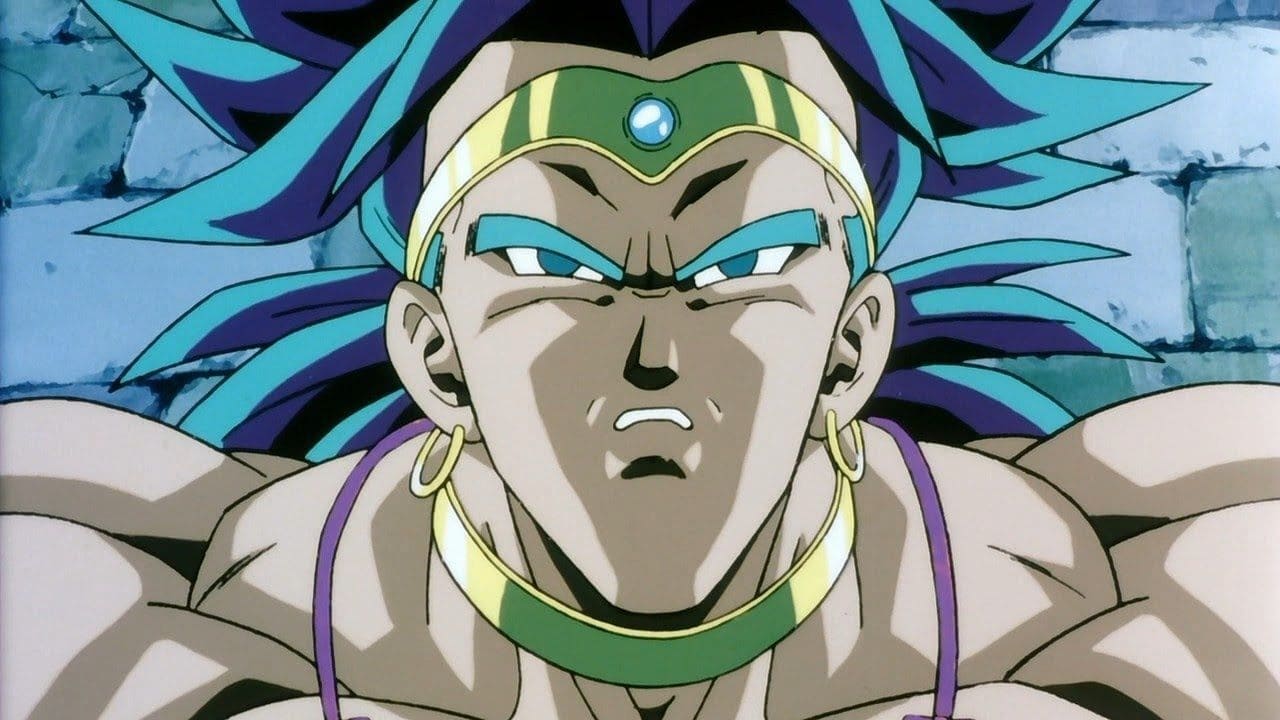
Looking back at this film in the context of the 2018 Broly reboot, the 1993 original is arguably much weirder. Broly’s motivation—that he hates Goku because they shared a nursery and Goku wouldn’t stop crying—is objectively the dumbest thing in the history of motivation, yet it somehow works. It taps into this primal, irrational Saiyan instinct that bypasses logic entirely. It’s a pure "90s" villain trope: all power, zero nuance, and a design that was tailor-made for middle-school notebooks.
The film also serves as a time capsule for the transition from analog to digital. You can see the hand-painted backgrounds and the subtle imperfections in the line work that give the characters a "solid" feel. This was before the industry moved toward the "assembly line" feel of the late 2000s. There’s a soul in the cel-shading, even if the screenplay by Takao Koyama is essentially just a delivery system for explosions.
Apparently, the character of Broly was so popular in the US that Funimation's marketing for the DVD release helped keep the franchise afloat during the "lean years" before Dragon Ball Super. It’s a testament to the power of a good character design and a director who knows how to stage a beatdown.
This isn't high art, but as a pure distillation of what made 90s action anime a global phenomenon, it’s hard to beat. It’s short, punchy, and visually arresting in a way that modern CGI-heavy features often miss. If you can get past the ridiculous "crying baby" backstory, you're left with a gorgeous, brutal spectacle that earns every minute of its runtime. It’s the cinematic equivalent of a heavy metal album cover—loud, slightly nonsensical, and undeniably cool.

Keep Exploring...
-

Dragon Ball Z: Fusion Reborn
1995
-

Dragon Ball Z: The Return of Cooler
1992
-
Dragon Ball Z: Battle of Gods
2013
-
Dragon Ball Z: Resurrection 'F'
2015
-

Ghost in the Shell
1995
-

Cowboy Bebop: The Movie
2001
-
Final Fantasy VII: Advent Children
2005
-

Evangelion: 1.0 You Are (Not) Alone
2007
-
Resident Evil: Degeneration
2008
-
Evangelion: 2.0 You Can (Not) Advance
2009
-

Evangelion: 3.0 You Can (Not) Redo
2012
-
Resident Evil: Damnation
2012
-
Batman Beyond: Return of the Joker
2000
-
Titan A.E.
2000
-
Osmosis Jones
2001
-
Astro Boy
2009
-

Superman/Shazam!: The Return of Black Adam
2010
-
Batman: The Dark Knight Returns, Part 1
2012
-
Justice League: Doom
2012
-

Batman: The Dark Knight Returns, Part 2
2013