El Mariachi
"Seven thousand dollars, one guitar, no turning back."
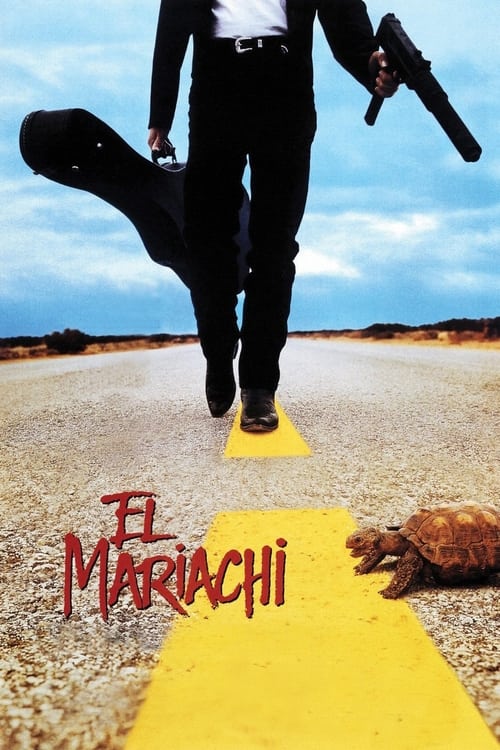
Most Hollywood directors spend seven thousand dollars on a single day’s supply of artisanal sparkling water and kale salads for the craft services table. In 1992, Robert Rodriguez used that exact amount to kickstart a revolution. I recently re-watched El Mariachi while nursing a lukewarm cup of instant coffee that had a weird oily film on top, and honestly, the gritty, low-rent vibe of the beverage only enhanced the experience. This isn't just a movie; it’s a miracle of sheer, stubborn willpower captured on 16mm film.
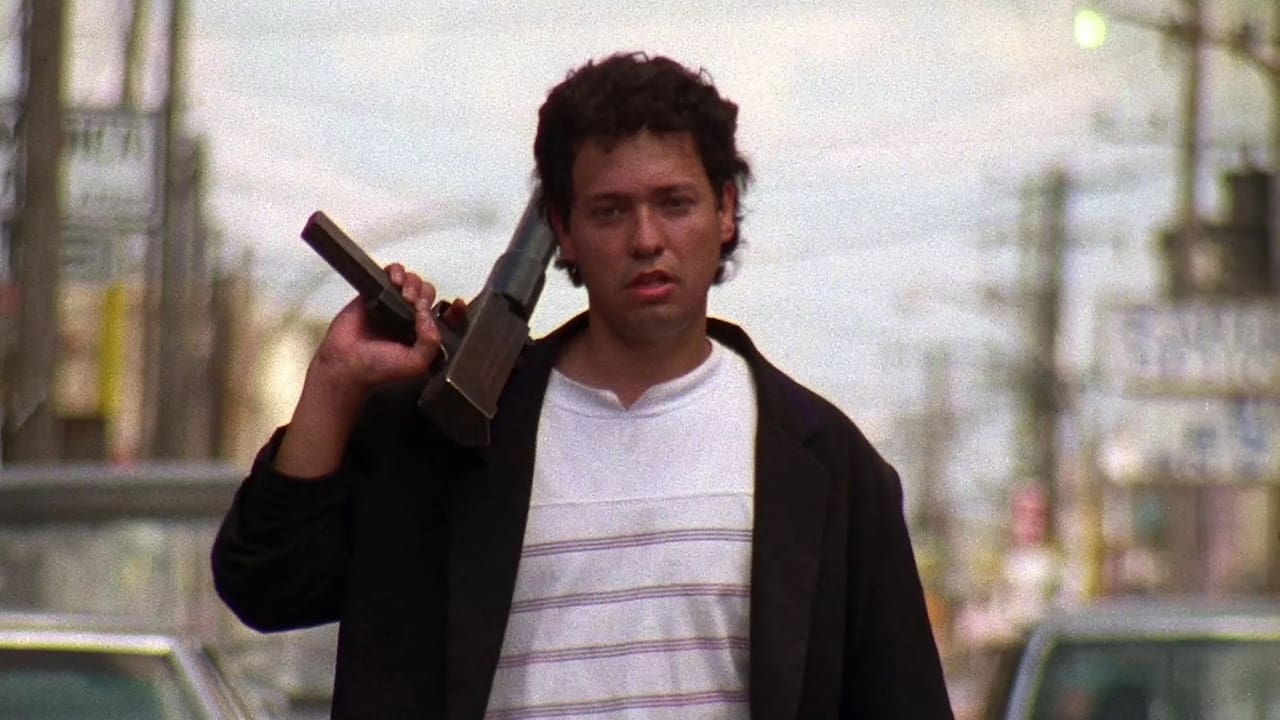
In the early 90s, the "Indie Film Renaissance" was just starting to boil over. While Quentin Tarantino (who would later become Rodriguez's blood-brother-in-cinema through From Dusk Till Dawn) was busy revitalizing dialogue in Reservoir Dogs, Rodriguez was in a Mexican border town proving that you didn't need a crew, a permit, or even a working sync-sound camera to make a pulse-pounding action flick.
The Art of the "Guinea Pig" Budget
To understand why El Mariachi feels so urgent, you have to understand where the money came from. Rodriguez famously checked himself into a medical research facility as a "human laboratory rat" to earn the cash. That sense of desperation and "do-or-die" energy is baked into every frame. Because he couldn't afford a crew, he functioned as the director, writer, cinematographer, and editor. He didn't even have a dolly; he just sat in a wheelchair and had someone push him to get those smooth tracking shots.
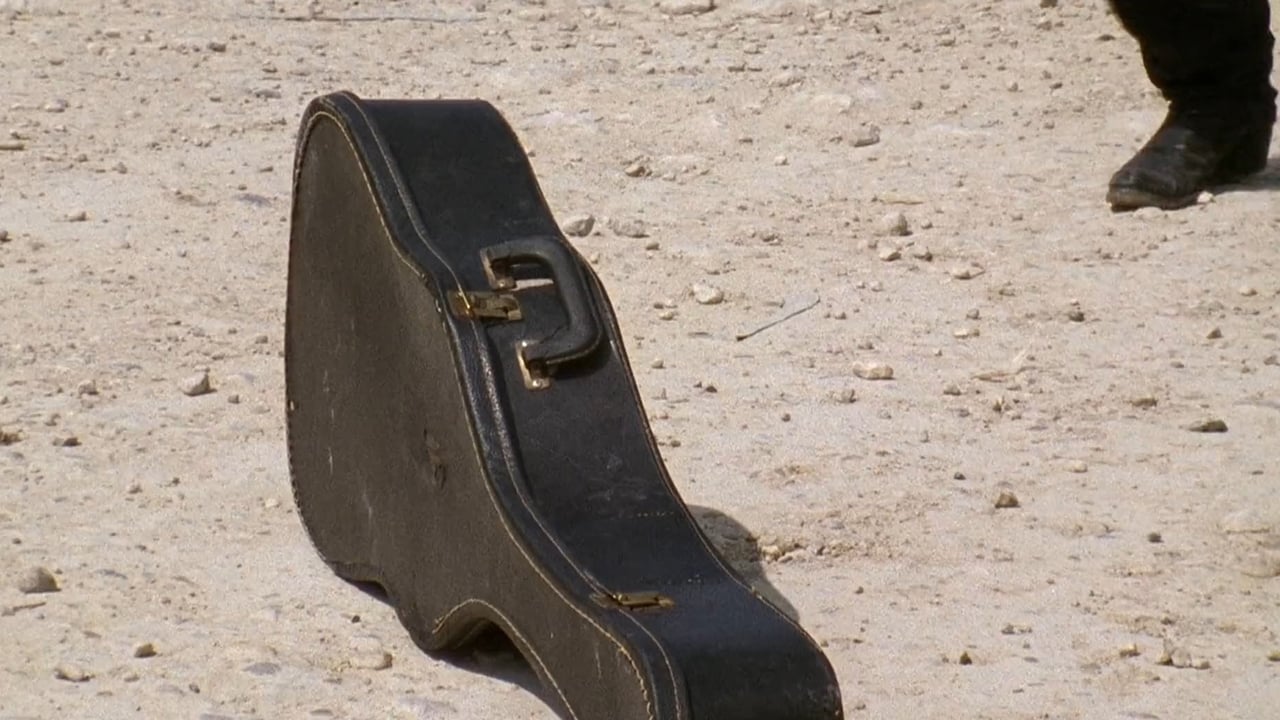
Carlos Gallardo stars as our unnamed titular hero, a simple man who just wants to carry on his family's musical tradition. He’s the antithesis of the 80s action hero. He isn't looking for a fight, and he isn't a muscular killing machine. He’s just a guy with a guitar case who happens to be in the wrong town at the same time as Azul (Reinol Martinez), a hitman who carries his arsenal in an identical guitar case. Gallardo brings a wide-eyed, frantic sincerity to the role that makes you genuinely root for him—he spends most of the movie looking like a man who realized he left the stove on while being chased by a pack of wolves.
Action Without the Safety Net
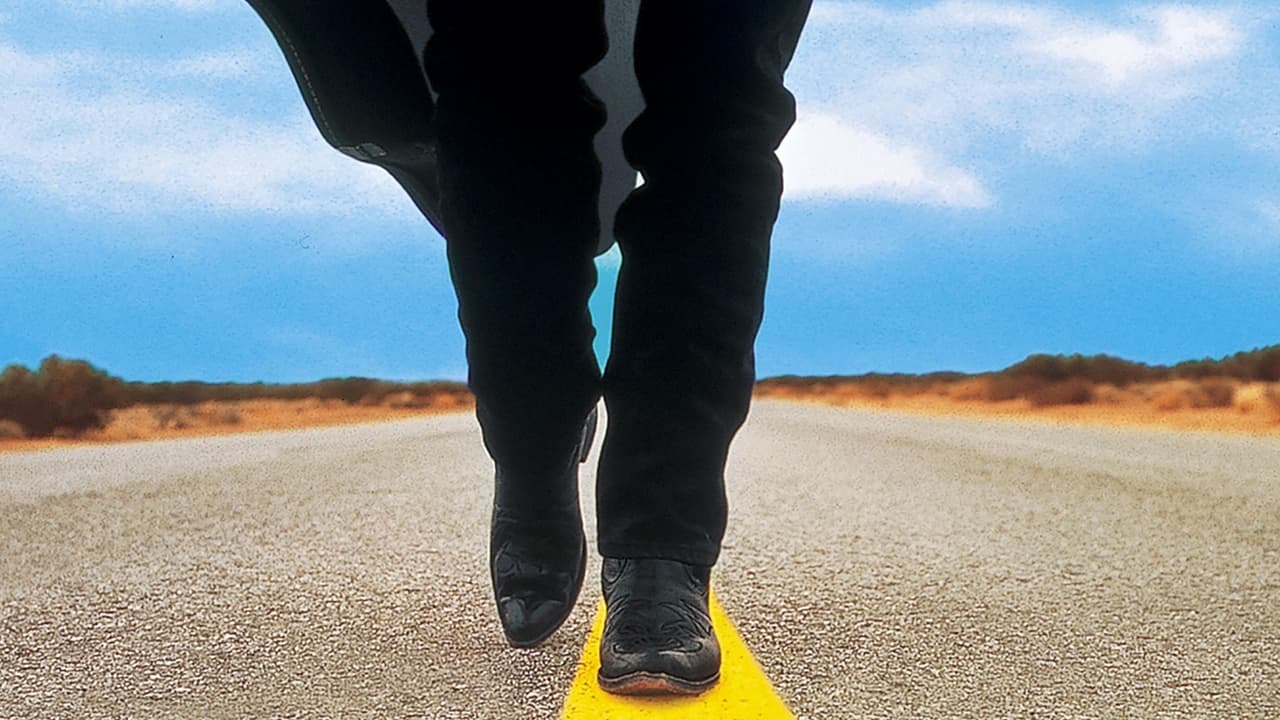
The action in El Mariachi is a masterclass in "cheating" for the camera. Since they couldn't afford multiple takes or expensive setups, the stunts have a raw, dangerous edge that modern CGI-heavy blockbusters completely lack. When you see a character jump onto a moving bus or slide down a wire, you’re seeing the real Carlos Gallardo doing it because they couldn't afford a stunt double.
Rodriguez’s editing is the secret weapon here. The film was shot silent—the actors’ voices were recorded on a cheap tape deck and synced later—so the visual rhythm has to do all the heavy lifting. The cuts are fast, the zooms are aggressive, and the camera is always moving. It creates a "whipping" sensation that keeps the momentum at a fever pitch. There’s a shootout in a lab and a chase through the dusty streets that feel more kinetic than films with a thousand times the budget because the stakes feel physical. You can almost feel the heat of the Mexican sun and the grit of the gravel on the screen.
The villains are equally charming in their low-budget glory. Peter Marquardt, playing the drug lord Mauricio, reportedly didn't speak a word of Spanish and had to learn his lines phonetically. He looks like he was cast because he owned the only nice suit in the production, yet his detached, cold demeanor works perfectly against the chaos unfolding around him.
A Relic That Refuses to Age

Looking back from the era of the MCU and $300 million budgets, El Mariachi is a refreshing slap in the face. It reminds me of a time when "independent film" meant someone literally risking their health and sanity to put a story on celluloid. It captures that pre-digital transition where filmmakers had to be magicians to hide their lack of resources.
The film isn't perfect—the lighting is occasionally flat, and some of the supporting performances are a bit "community theater"—but those flaws are its badges of honor. It’s the ultimate calling card. It led to the bigger, glossier Desperado and eventually Once Upon a Time in Mexico, but there’s an underdog spirit in this original 81-minute sprint that the sequels never quite replicated. It’s a reminder that a guitar case full of guns is a great hook, but a director with a vision and $7,000 is a force of nature.
If you've ever thought about making something but felt you lacked the "proper" equipment, you need to watch this immediately. El Mariachi is the antidote to the "I can't do it" mentality. It’s a loud, fast, dusty, and brilliant piece of action history that proves heart and hustle will always beat a massive catering budget. Grab a cold drink, ignore the occasional grainy shot, and enjoy the birth of a legend.
Keep Exploring...
-
Desperado
1995
-
Once Upon a Time in Mexico
2003
-
From Dusk Till Dawn
1996
-
Sin City
2005
-

Planet Terror
2007
-
Hard Boiled
1992
-
Machete
2010
-
Sin City: A Dame to Kill For
2014
-
Felon
2008
-

Blood and Bone
2009
-
Undisputed III: Redemption
2010
-
The Girl Who Kicked the Hornet's Nest
2009
-
The Girl Who Played with Fire
2009
-

The Man from Nowhere
2010
-
The Raid
2012
-
The Raid 2
2014
-
Another 48 Hrs.
1990
-
RoboCop 2
1990
-
Backdraft
1991
-

Double Impact
1991