Falling Down
"The short, violent walk from frustration to fury."
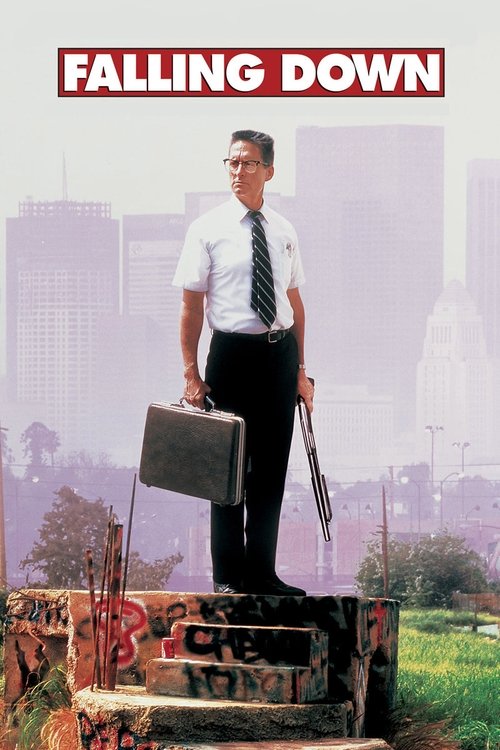
The sound of that fly buzzing in the opening scene of Falling Down still makes my skin itch. It’s 1993, Los Angeles is a pressure cooker of smog and gridlock, and William Foster—known simply as D-Fens thanks to his vanity plate—is about to reach his boiling point. I remember watching this on a sagging corduroy sofa while drinking a lukewarm Diet Coke that had lost its fizz, and the flat, oppressive heat of the film seemed to seep right out of the screen and into my living room.

Directed by Joel Schumacher (the man who gave us the neon-soaked The Lost Boys and, less fortunately, the Bat-nipples), Falling Down is a fascinating, jagged piece of early 90s cinema. It’s a film that captured a very specific American anxiety: the feeling of a middle-class man who played by the rules and found out the game was rigged. Looking back from our digital, hyper-connected era, the analog frustrations of Foster feel quaint yet terrifyingly relevant.
A Walk Across a Cracking City
The premise is deceptively simple. Foster, played with a terrifying, twitchy precision by Michael Douglas, abandons his car in a traffic jam and decides he’s walking home for his daughter’s birthday. The problem is that "home" is a place where he’s no longer welcome, and "Foster" is a man who has lost his job, his family, and his grip on reality.
As he traverses the urban sprawl, Foster encounters a series of "everyday" obstacles—a price-gouging convenience store owner, a gang-infested park, a construction site that serves no purpose—and he meets them with escalating violence. Michael Douglas is the anchor here. It’s easily the best work of his career. He trades his Wall Street silk suits for a short-sleeved white shirt and a pocket protector, embodying a man who is the ultimate Karen with a rocket launcher. He isn’t a hero, though a surprising number of people in 1993 tried to claim him as one. He’s a cautionary tale wrapped in a crew cut.
Running parallel to Foster’s descent is the story of Sergeant Prendergast, played by the legendary Robert Duvall. It’s his last day before retirement (a classic trope that Duvall makes feel fresh), and he’s the only one connecting the dots of the "guy with the briefcase" tearing through the city. The chemistry between the two leads is non-existent because they barely share the screen until the end, yet their ideological collision is the film's heartbeat.

The Gritty Reality of 1993
What strikes me now is how much the film reflects the actual tension of the era. Falling Down was actually filming during the 1992 L.A. Riots. Production had to be shut down and moved to the Warner Bros. lot for safety because the city was literally on fire. You can feel that genuine atmospheric dread in the cinematography by Andrzej Bartkowiak. The colors are washed out, yellowed by smog and sweat. There’s no CGI to polish the edges; it’s all practical, grimy, and uncomfortably close.
The film faced a mountain of controversy upon release. It was accused of being racist, of glorifying white male rage, and of being a "vigilante" fantasy. In reality, the script by Ebbe Roe Smith is much more cynical. It doesn't celebrate Foster; it dissects him. There’s a scene involving a neo-Nazi surplus store owner, played with skin-crawling intensity by Frederic Forrest, that serves as a mirror. When the owner assumes Foster is "one of us," Foster is horrified. It’s a brilliant moment that shows Foster doesn't see himself as a monster—he thinks he’s the only sane person left.
Cult Status and the "Breakfast Scene"
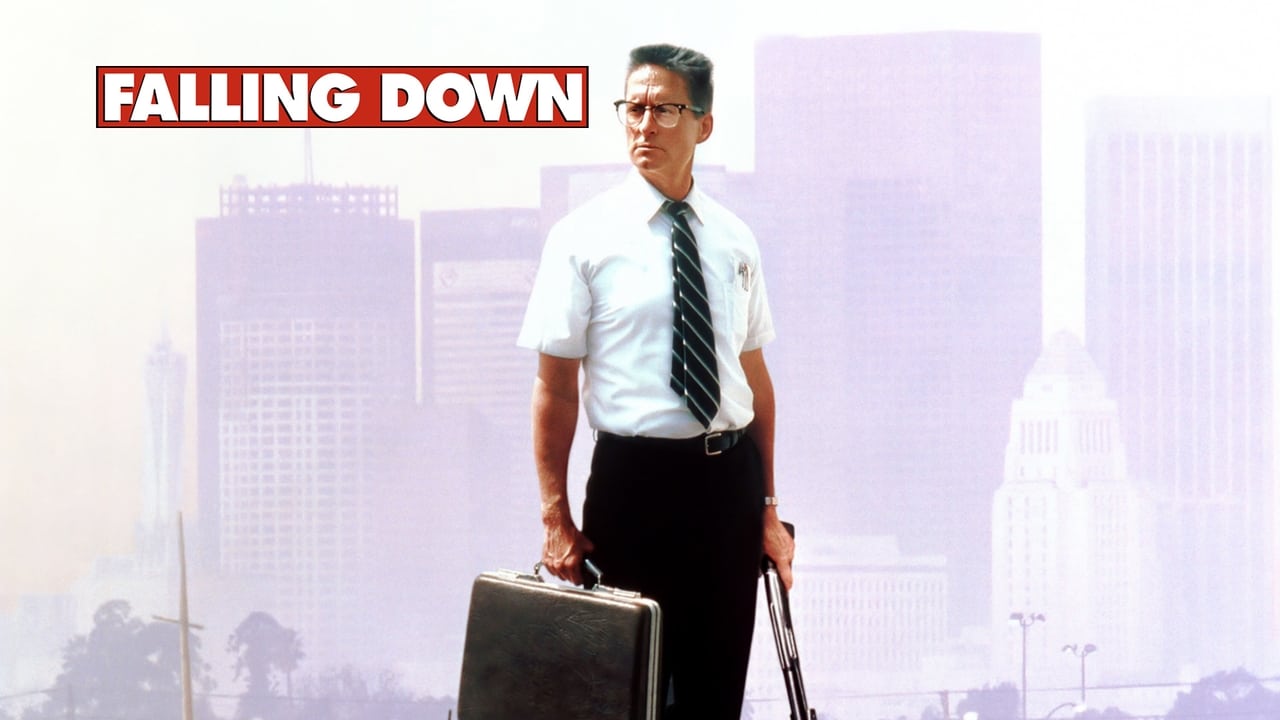
Despite being a modest success at the box office, Falling Down found its true life on VHS and cable. It became a cult classic because of its darkly comedic, episodic nature. Everyone has a favorite "stop" on Foster’s journey. For me, it’s the Whammy Burger scene. Foster trying to order breakfast at 11:03 AM and being told he’s three minutes too late is the most relatable moment in cinema history. We’ve all wanted to pull a submachine gun on a fast-food manager over a soggy muffin, even if we’d never actually do it.
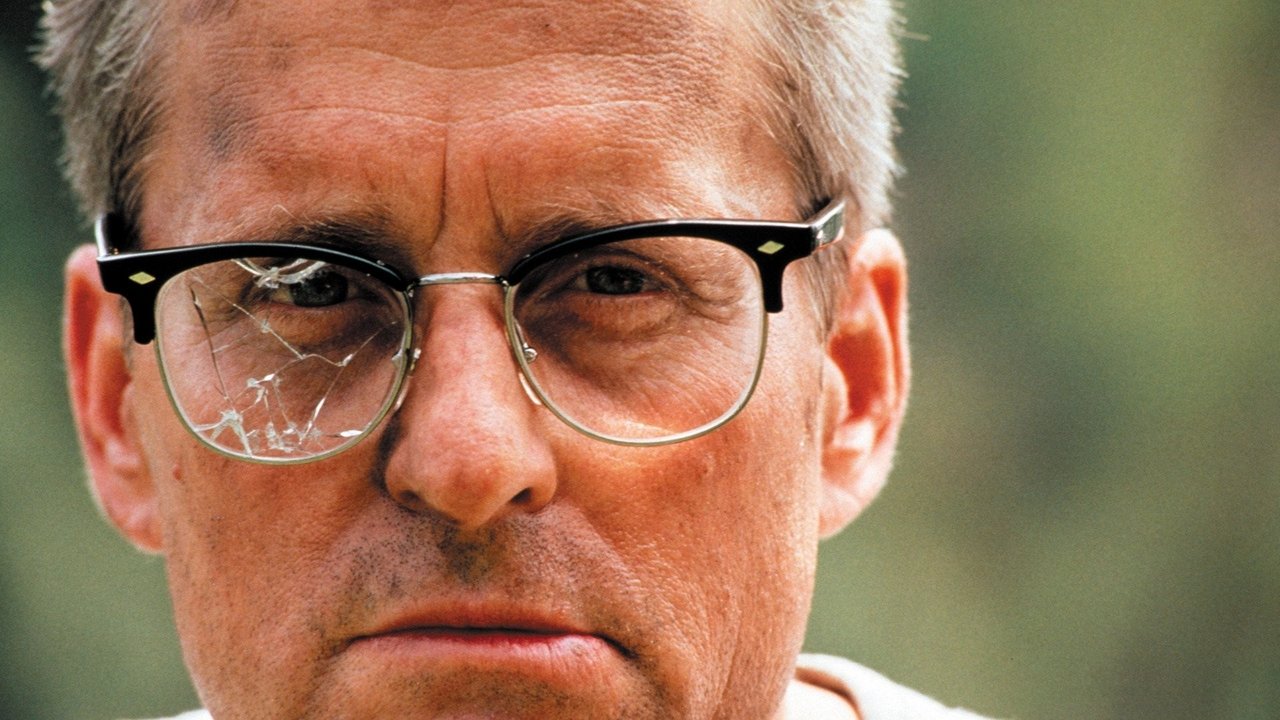
The film’s legacy is complicated. It’s been referenced in everything from The Simpsons to Iron Maiden songs. Michael Douglas has often said this is his favorite role, and it’s easy to see why. He manages to make a character who is objectively a domestic abuser and a murderer feel like a tragic figure—at least until the final, devastating line: "I’m the bad guy?"
Falling Down isn't a comfortable watch, and it shouldn't be. It’s a high-tension tightrope walk that balances social commentary with a gritty thriller aesthetic. While some of the supporting characters, like Tuesday Weld as Prendergast’s nagging wife, feel like dated caricatures, the core of the film remains unshakable. It’s a snapshot of a man and a city losing their minds in tandem. If you haven't revisited it lately, do so—just maybe skip the lukewarm soda.
Keep Exploring...
-
A Time to Kill
1996
-
The Client
1994
-
Natural Born Killers
1994
-

Jackie Brown
1997
-
John Q
2002
-
The Godfather Part III
1990
-

The Negotiator
1998
-

Traffic
2000
-

The Game
1997
-
American Psycho
2000
-
21 Grams
2003
-
Lucky Number Slevin
2006
-
The Next Three Days
2010
-
Drive
2011
-
The Lincoln Lawyer
2011
-
End of Watch
2012
-
Nightcrawler
2014
-
8MM
1999
-
Phone Booth
2003
-

Miller's Crossing
1990