Free Willy
"A boy, a whale, and the leap of faith that defined a generation."
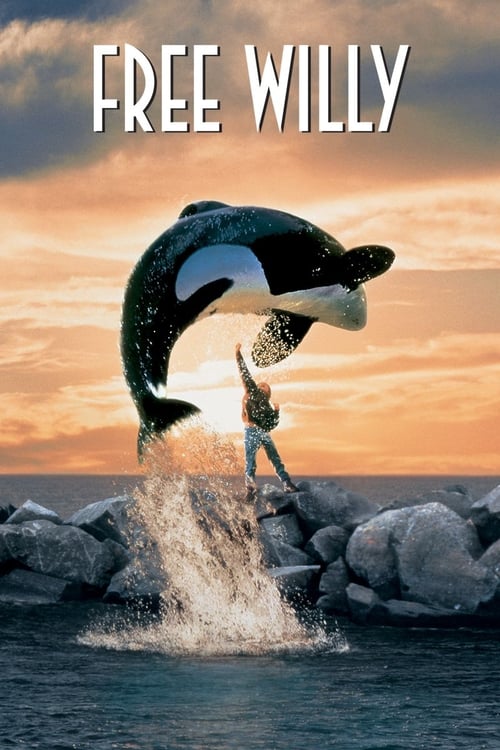
Long before every blockbuster relied on a digital menagerie of pixels, the summer of 1993 asked audiences to fall in love with seven tons of very real, very grumpy blubber. While Steven Spielberg was busy making us fear prehistoric reptiles over at Universal, Warner Bros. and director Simon Wincer took a gamble on a more soulful creature. The result wasn't just a movie; it was a bona fide cultural phenomenon that turned a captive orca named Keiko into the world’s most famous resident of a Mexican amusement park.
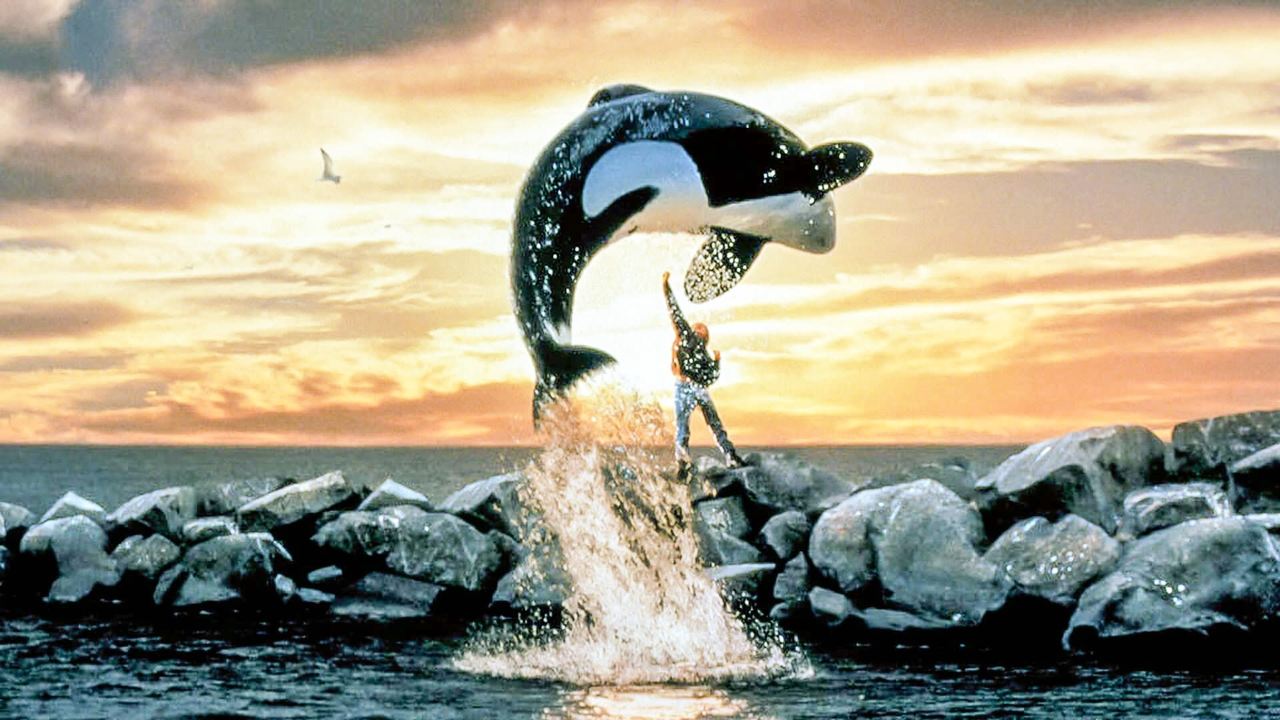
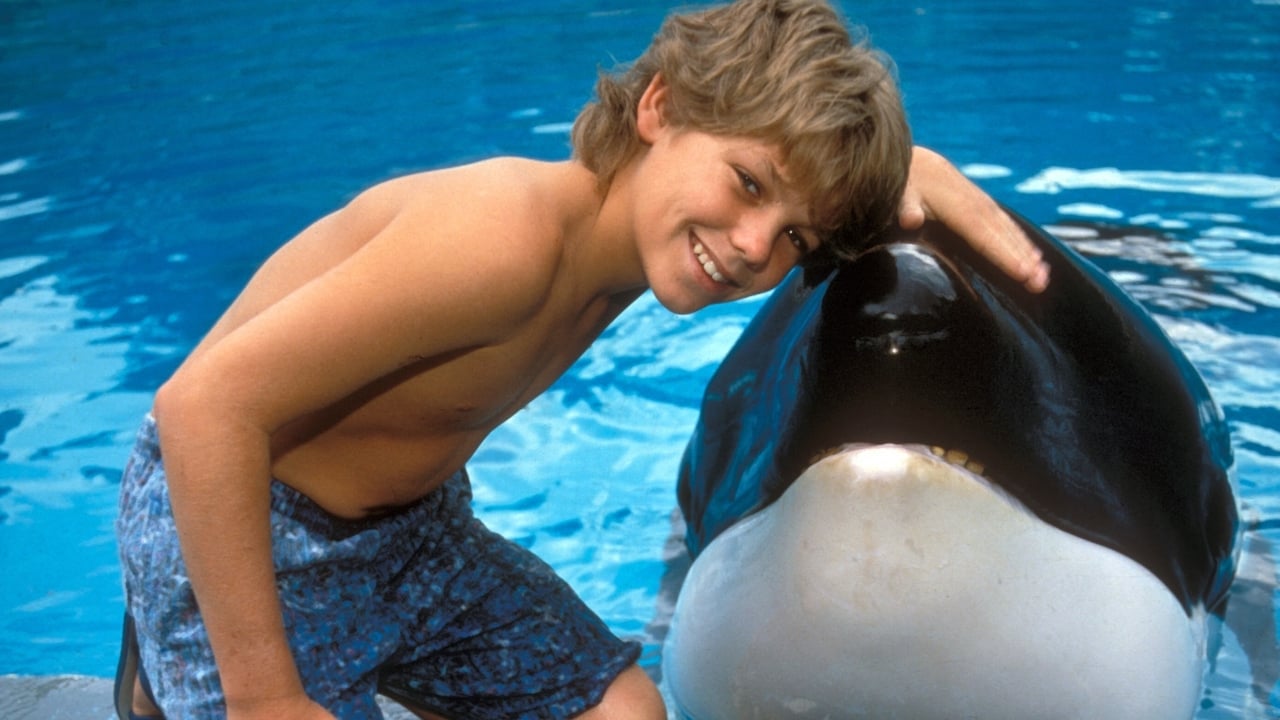
Looking back, the "Modern Cinema" transition of the early 90s is perfectly encapsulated here. We were right on the cusp of the CGI revolution—Jurassic Park had just kicked the door down—but Free Willy still relied heavily on the tangible. They used a mix of a real whale, a $1 million animatronic double designed by Walt Conti, and a few clever camera angles. There’s a weight to the scenes between the boy and the whale that modern films often lose in the "fix it in post" shuffle. When Jesse touches Willy’s tongue, you can practically smell the salt water and fish breath.
More Than a Boy and His Dog (With Fins)
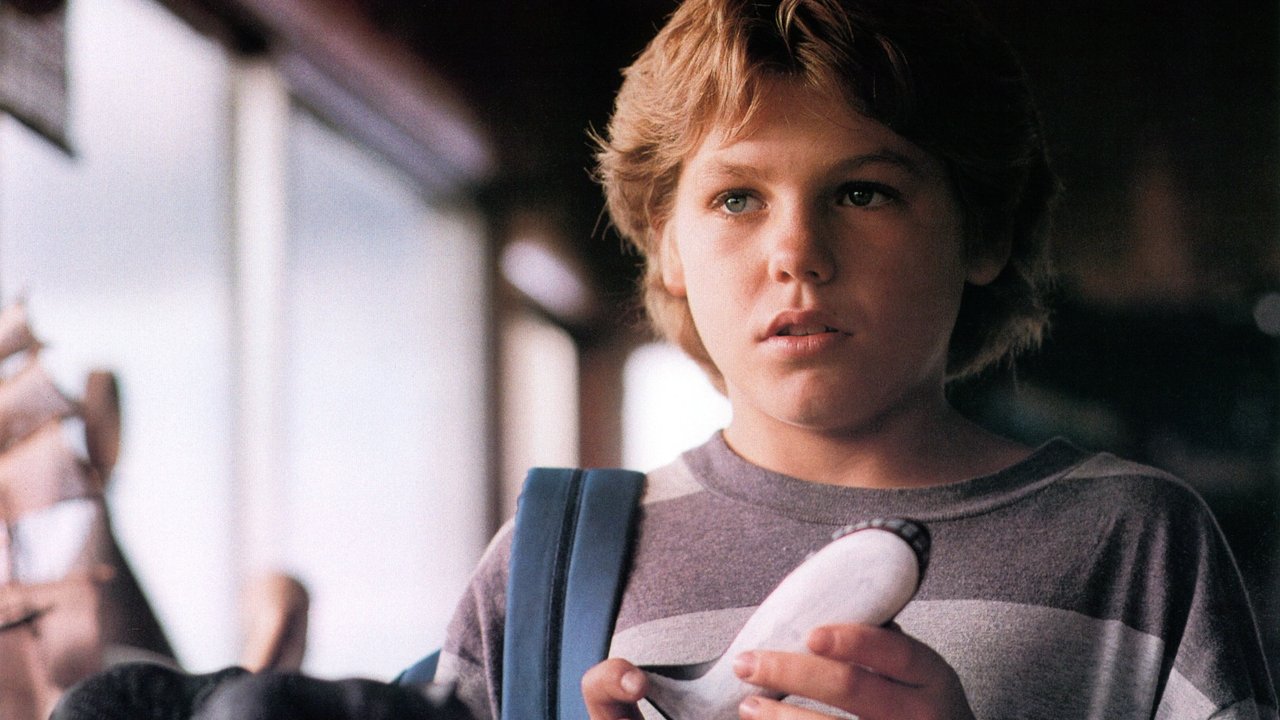
The heart of the film isn't just the environmental message; it's the parallel between two "maladjusted" orphans. Jason James Richter makes his debut as Jesse, a kid who isn't your typical cinematic moppet. He’s a vandal and a runaway with a genuine chip on his shoulder. I appreciate that the script doesn't soften him up too quickly. He’s a brat because he’s been abandoned, and his bond with Willy works because they both understand what it’s like to be stuck in a cage they didn't ask for.
The supporting cast is unexpectedly stacked for a family adventure. Lori Petty brings a refreshing, quirky energy as the trainer Rae, while August Schellenberg provides the necessary gravitas as Randolph. But the real surprise, even thirty years later, is seeing Michael Madsen as Glen, the foster father. Fresh off cutting off ears in Reservoir Dogs, Michael Madsen as a patient, flannel-wearing foster dad is the most unbelievable special effect of the decade. He’s great, though—subtle and grounded—alongside Jayne Atkinson, who plays the foster mother Annie with a warmth that never feels cloying.
The $150 Million Splash
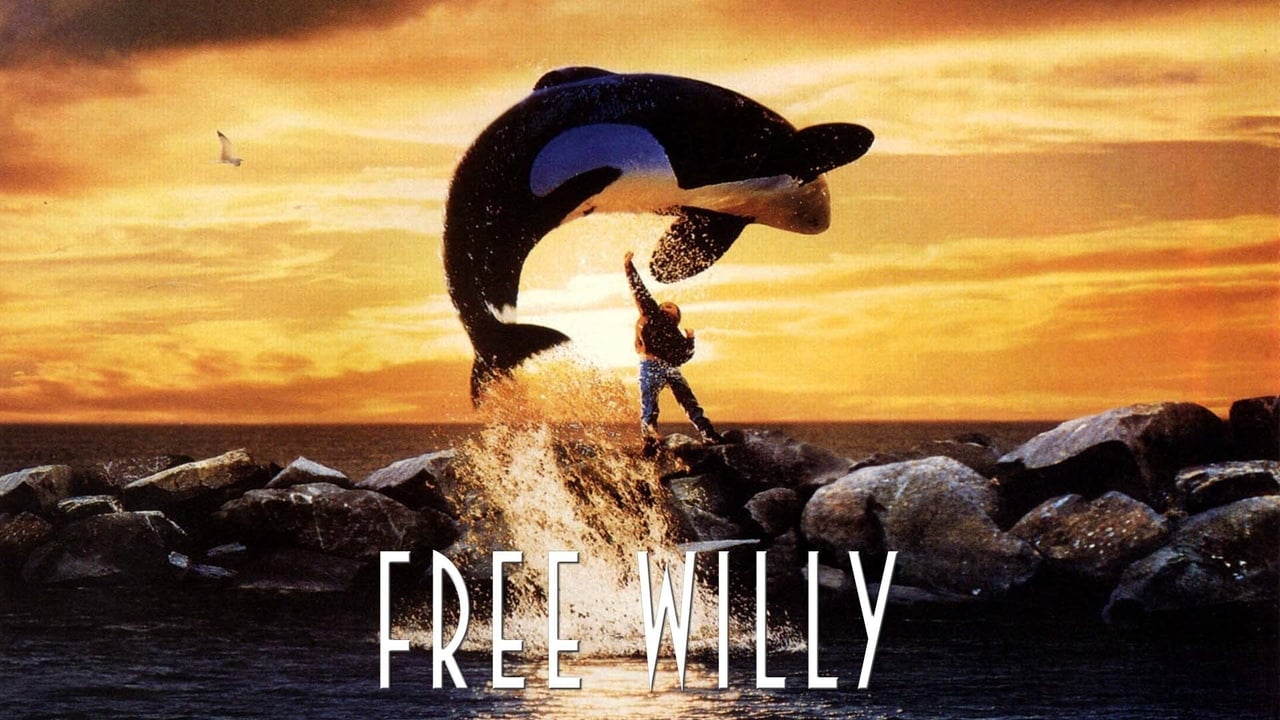
For a film with a modest $20 million budget, Free Willy was an absolute titan at the box office, raking in over $153 million. It’s a classic example of a mid-budget "sleeper hit" that would likely be sent straight to a streaming service today. In 1993, however, it dominated the watercooler talk. I remember my local theater was so packed for this that I had to sit in the front row, which made the final jump sequence look like a literal mountain of water was falling on my head. I spent the entire car ride home trying to find my left sneaker, which I’d kicked off in excitement during the climax and never found.
The film’s legacy is arguably larger than the movie itself. The "Save Willy" campaign was a massive undertaking, fueled by the 1-800 number that famously appeared during the end credits. It eventually led to the real-life Keiko being flown to Oregon and then to Iceland. It was a rare moment where a Hollywood ending actually tried to manifest in reality, even if Keiko’s actual transition back to the wild was far more complicated and tragic than the movie suggested.
A Score for the Ages
We have to talk about the music. Basil Poledouris, the man who gave us the thunderous brass of Conan the Barbarian and the metallic pulse of RoboCop, turned his hand to something much more lyrical here. The main theme is sweeping and triumphant, perfectly capturing the vastness of the Pacific Northwest. It’s the kind of score that does the heavy lifting in scenes that might otherwise feel a bit cheesy.
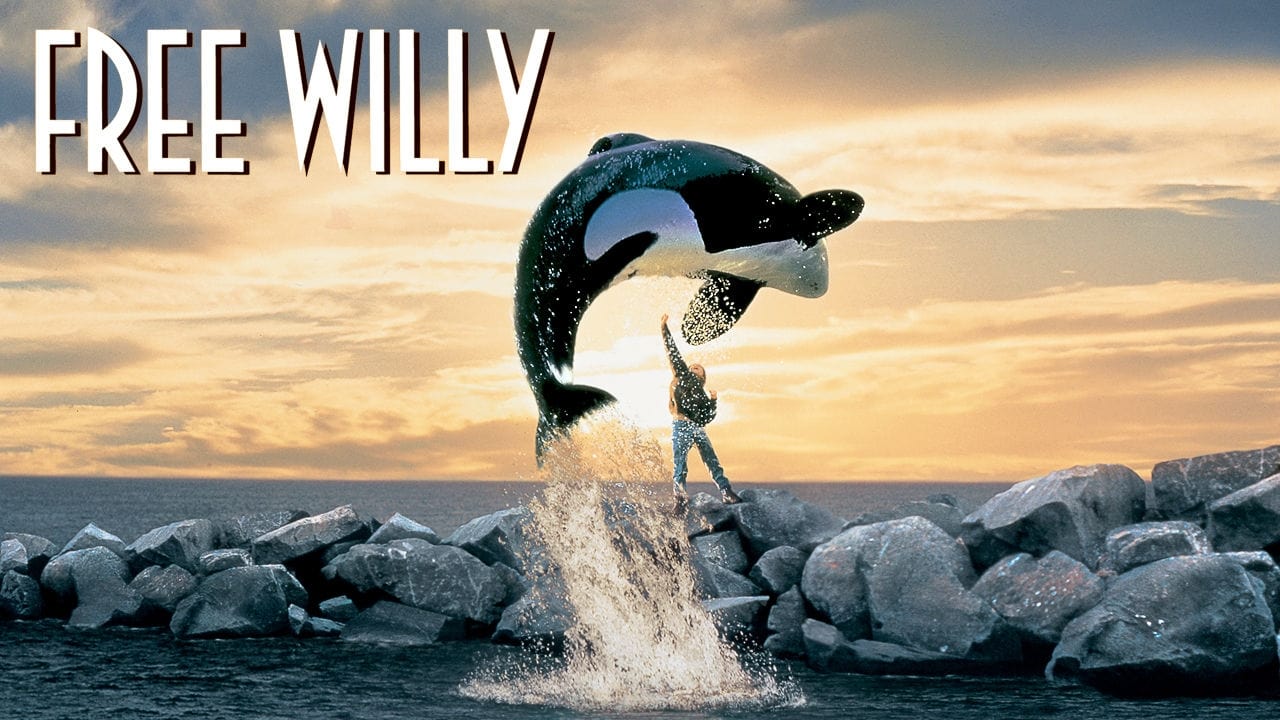
And then, of course, there’s Michael Jackson’s "Will You Be There." You couldn't turn on a radio in '93 without hearing that gospel-infused opening. It’s the quintessential 90s power ballad, and its association with the film is ironclad. When those credits roll and the choir kicks in over footage of whales breaching in the wild, you’d have to be made of stone not to feel a little something.
Is the plot predictable? Absolutely. The film’s biggest villain isn't the greedy owner; it's the 90s obsession with ponytail-wearing businessmen who clearly never watched a nature documentary. But the predictability is part of the charm. It’s a drama that earns its catharsis through genuine character work and a stunning use of its location.
Free Willy remains a high-water mark for 90s family cinema because it treats its audience—and its characters—with respect. It doesn't rely on frantic humor or pop-culture references; it relies on the simple, powerful image of a boy standing on a rock wall, reaching out to something wild. It’s a reminder that sometimes the best way to move an audience is to just let the camera linger on a face—even if that face belongs to an orca. Whether you're watching for the nostalgia or introducing it to a new generation, that final jump still feels like a victory.
Keep Exploring...
-

Eight Below
2006
-
The Karate Kid
2010
-
The NeverEnding Story II: The Next Chapter
1990
-
The Lion King II: Simba's Pride
1998
-
Teenage Mutant Ninja Turtles
1990
-

Robin Hood: Prince of Thieves
1991
-
Forever Young
1992
-
Home Alone 2: Lost in New York
1992
-
Cool Runnings
1993
-
The Santa Clause
1994
-

Babe
1995
-

The Man in the Iron Mask
1998
-

The Prince of Egypt
1998
-
Holes
2003
-

Babe: Pig in the City
1998
-
Hook
1991
-

Pocahontas
1995
-
The Hunchback of Notre Dame
1996
-
Twister
1996
-
Bean
1997