Groundhog Day
"Tomorrow is overrated."
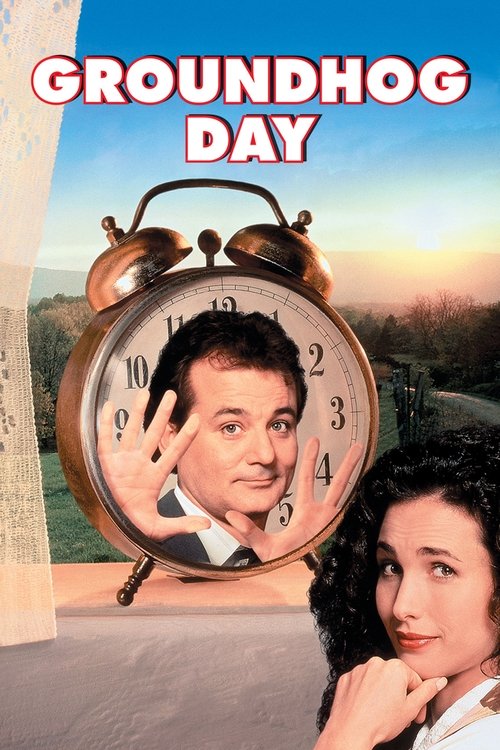
Sonny & Cher’s "I Got You Babe" is a perfectly fine piece of 1960s pop fluff, but after the fiftieth time hearing those opening oboe notes, it begins to sound like a digital death knell. Every morning at 6:00 AM, the clock flips, the music swells, and Phil Connors wakes up in the same sagging bed in the same drafty bed-and-breakfast. It is a nightmare disguised as a Hallmark card.
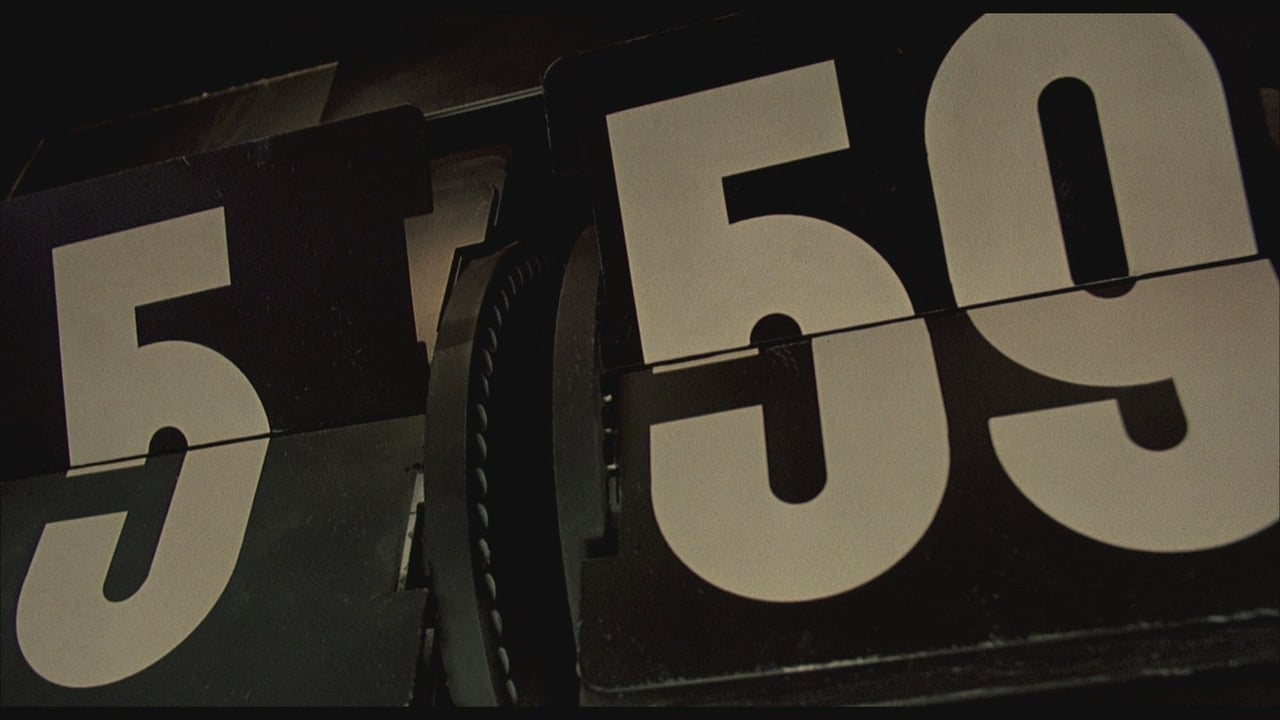
I watched this most recent time on a Tuesday while eating a bowl of lukewarm oatmeal, which felt spiritually appropriate given the setting. There is something fundamentally "Tuesday" about Punxsutawney, Pennsylvania—a place that is pleasant enough, but hardly where you’d want to spend an eternity. Yet, thirty years later, Harold Ramis’s Groundhog Day remains the gold standard for high-concept comedy, proving that you don’t need a $200 million budget or a cape to create a cinematic universe. You just need a very grumpy man and a very confused rodent.
The Art of the Infinite Do-Over
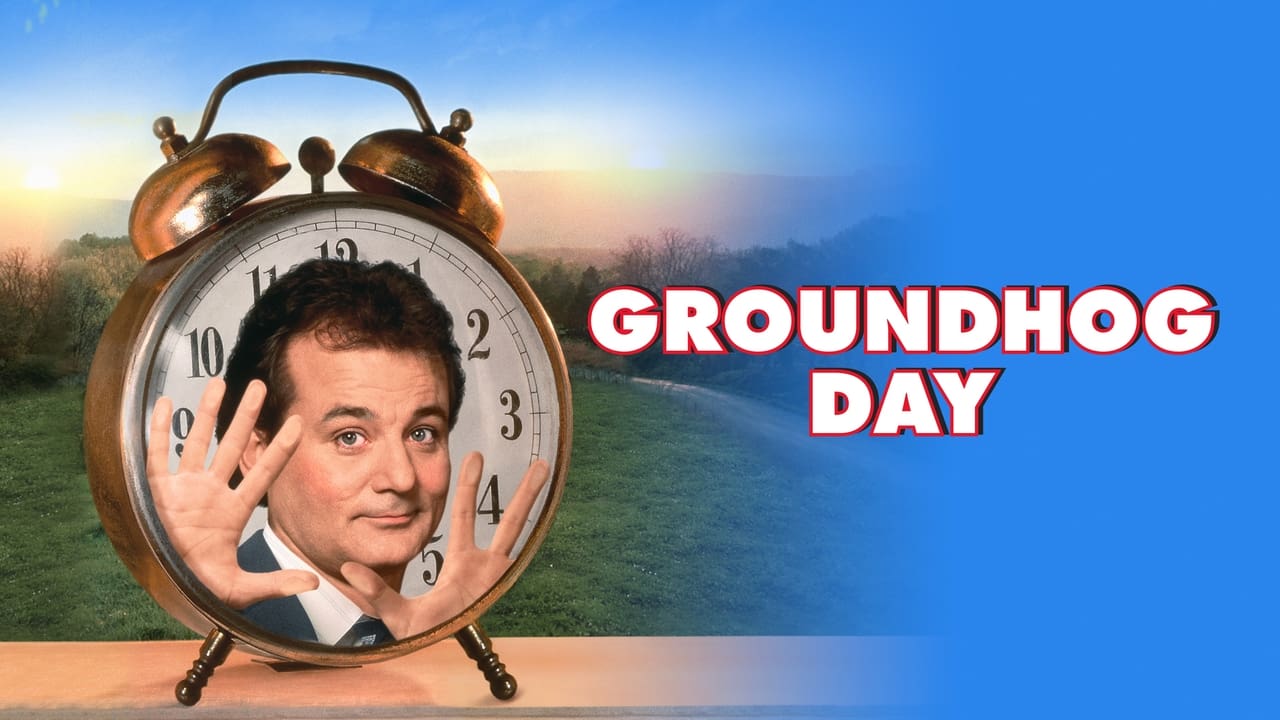
In the early 90s, we were seeing a shift. The era of the "Slobs vs. Snobs" 80s comedy was waning, and the "Indie Film Renaissance" was just starting to peek over the horizon. Groundhog Day sits right in the sweet spot. It has the DNA of a studio blockbuster but the brain of a philosophy seminar. Bill Murray plays Phil Connors not as a lovable rogue, but as a genuine jerk. He’s a big-city weatherman who treats the world like a giant inconvenience, making him the perfect candidate for a cosmic timeout.
What I find most impressive looking back is how the film handles its "rules." In a modern franchise, we’d get twenty minutes of exposition explaining why the time loop is happening. Maybe a mystical meteor? A disgruntled witch? Harold Ramis and co-writer Danny Rubin wisely realized that the "why" doesn’t matter. What matters is what a human being does when the consequences of their actions are deleted every twenty-four hours. Phil Connors is essentially a precursor to the modern 'Reply Guy,' trapped in a thread he can't win until he stops trying to be the smartest person in the room.
When Snark Meets Spirituality
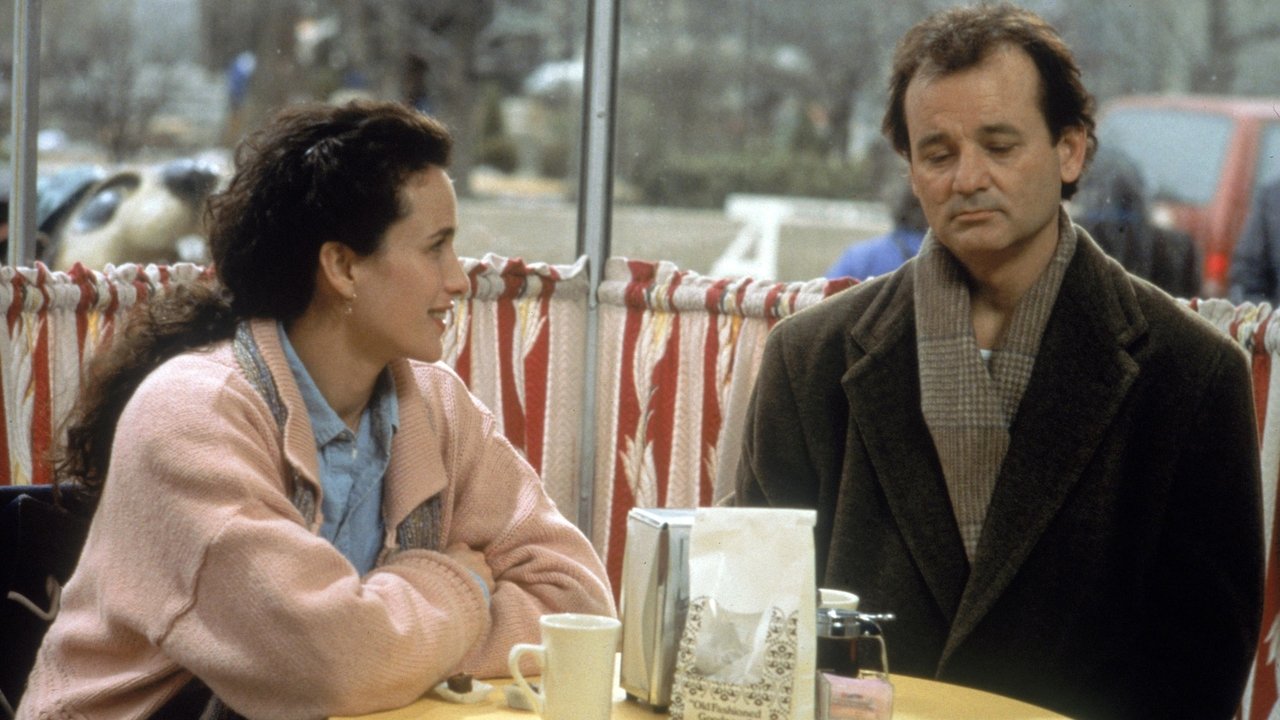
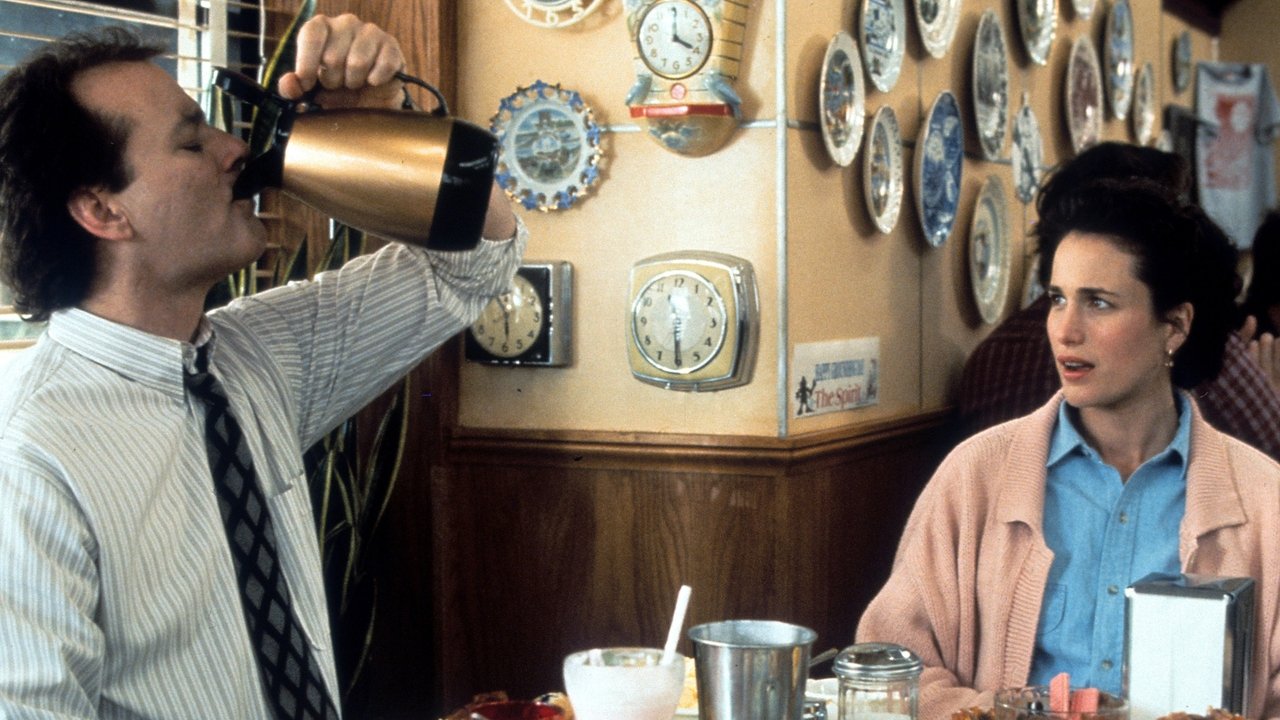
The chemistry between Bill Murray and Andie MacDowell is fascinatingly lopsided, which works for the story. Rita is "attractive-but-distant," as the plot overview says, but she represents something Phil can’t simply trick into liking him. He tries, of course. He spends countless loops learning her favorite drink (vermouth on the rocks with a twist), her favorite French poetry, and her childhood dreams.
But the film’s real genius is in the transition from manipulation to genuine self-improvement. Watching Phil go from "god-like" arrogance to the utter despair of the "toaster in the bathtub" sequence is dark territory for a PG-rated comedy. Yet, the film never loses its light touch. Bill Murray’s performance is a tightrope walk; he’s cynical, suicidal, and eventually, soulful. It’s the role that transitioned him from the "funny guy from SNL" to the "venerable indie icon" we know today.
The Bite Behind the Scenes
The production of Groundhog Day wasn't exactly a bed of roses, despite the cozy onscreen atmosphere. Turns out, the "comfort food" vibe of the movie hid some real-world friction:
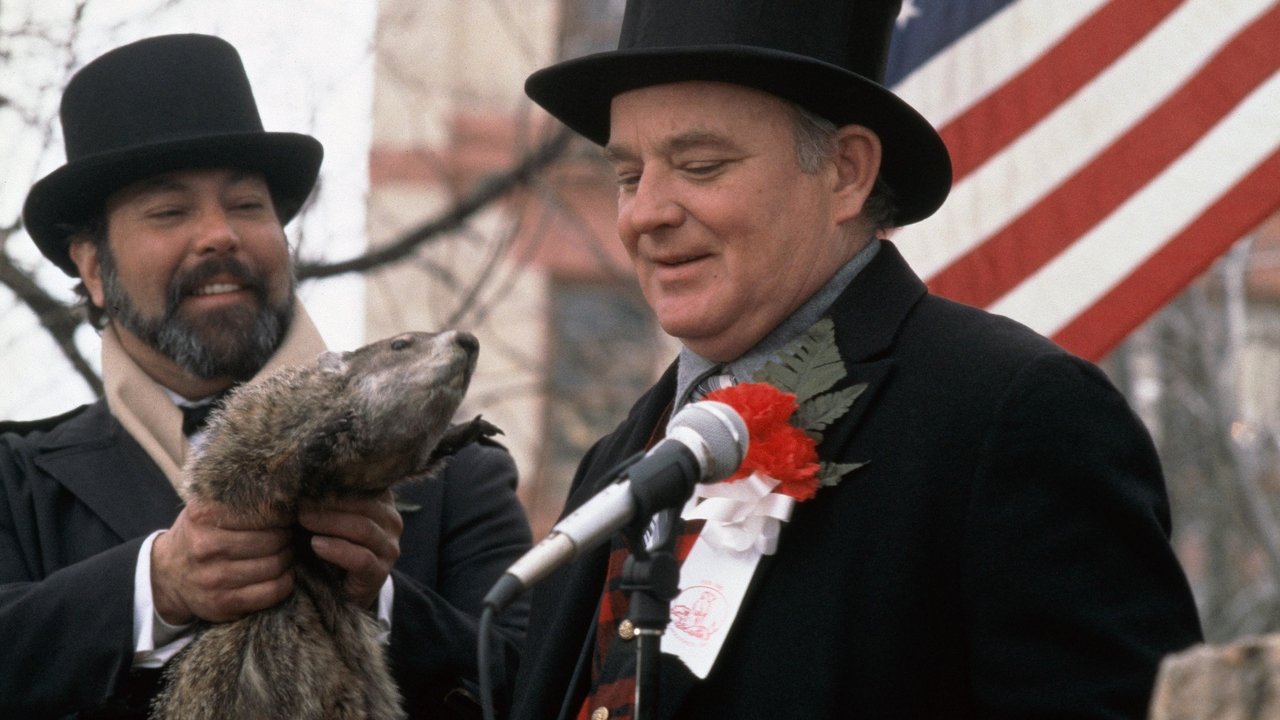
The Groundhog Attack: The groundhog (named Scooter) actually bit Bill Murray twice during filming. Murray had to get several anti-rabies injections because the little guy was apparently not a fan of the "weatherman" bit. The Script War: Original writer Danny Rubin wanted the movie to start in media res, with Phil already in the loop for years. Harold Ramis insisted on showing the first day to keep the audience grounded. Ned Ryerson's Secret: Stephen Tobolowsky’s iconic "Needlenose Ned" was a last-minute casting triumph. He actually improvised the "whistling through his teeth" bit, which makes Ned one of the most delightfully annoying characters in cinema history. The Long Game: How long was Phil actually stuck? Estimates range from 10 years to 10,000 years. Ramis eventually suggested it was about 10 years, though the original script implied a much longer stay. * The Creative Fallout: Sadly, this film caused a massive rift between long-time collaborators Ramis and Murray. They didn't speak for nearly 20 years afterward, only reconciling shortly before Ramis passed away.
Groundhog Day is that rare comedy that gets better the more you repeat it—which is a meta-victory if I’ve ever seen one. It’s funny, sure, but it’s also a profound look at the slow, agonizing process of becoming a decent person. In an era of CGI spectacles, it’s a reminder that the most interesting "special effect" is a character changing their mind. If you haven't seen it lately, go back to Punxsutawney; it’s exactly how you remembered it, yet somehow completely different.
Keep Exploring...
-
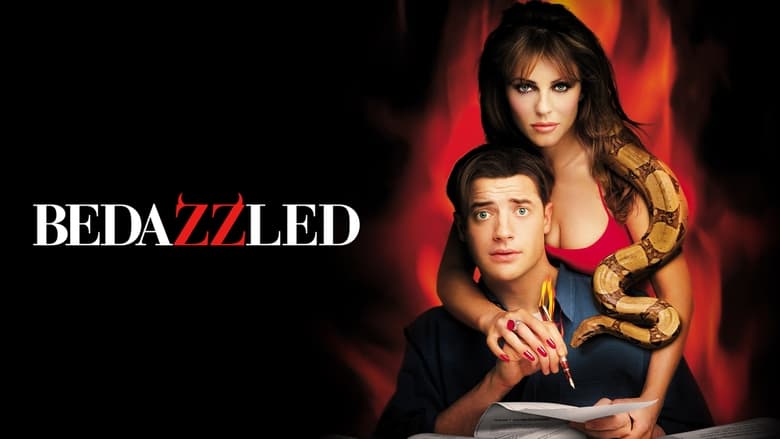
Bedazzled
2000
-
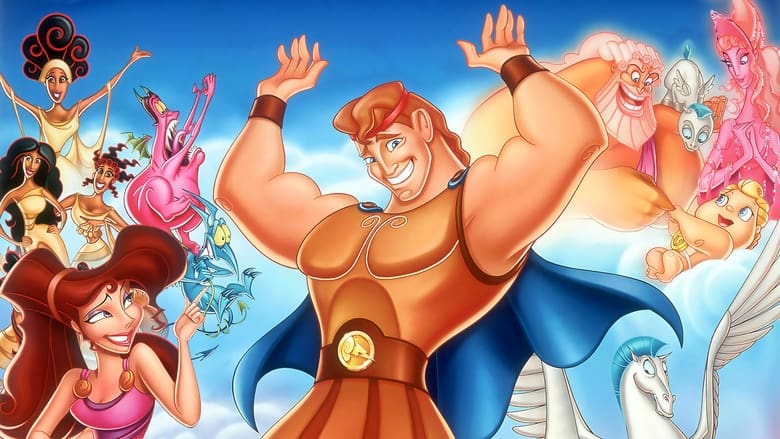
Hercules
1997
-
Stranger Than Fiction
2006
-
The Mask
1994
-
Just Like Heaven
2005
-

Practical Magic
1998
-
Army of Darkness
1992
-
Hocus Pocus
1993
-

The Nutty Professor
1996
-

Penelope
2007
-
Midnight in Paris
2011
-
Porco Rosso
1992
-
The Visitors
1993
-

13 Going on 30
2004
-

There's Something About Mary
1998
-
Shrek 2
2004
-

Dogma
1999
-
High Fidelity
2000
-
Punch-Drunk Love
2002
-
The Family Man
2000