Hocus Pocus
"Wicked fun that refused to stay buried."
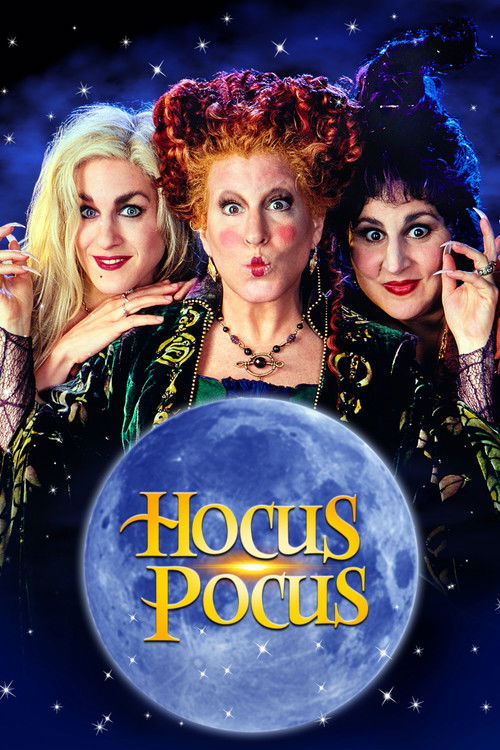
July 16, 1993. While the rest of the world was busy ducking raptors in Jurassic Park, Disney decided to drop a movie about soul-sucking 17th-century witches into the middle of a sweltering summer. It was a baffling scheduling move that led to a lukewarm box office reception and a shrug from critics who didn't quite know what to make of its "drag-show-for-toddlers" energy. But history, much like the Sanderson Sisters, has a way of coming back to life. I watched this again recently while trying to fold a fitted sheet—I eventually gave up and just made a nest out of the laundry, which felt like the appropriately chaotic way to consume this cult classic.
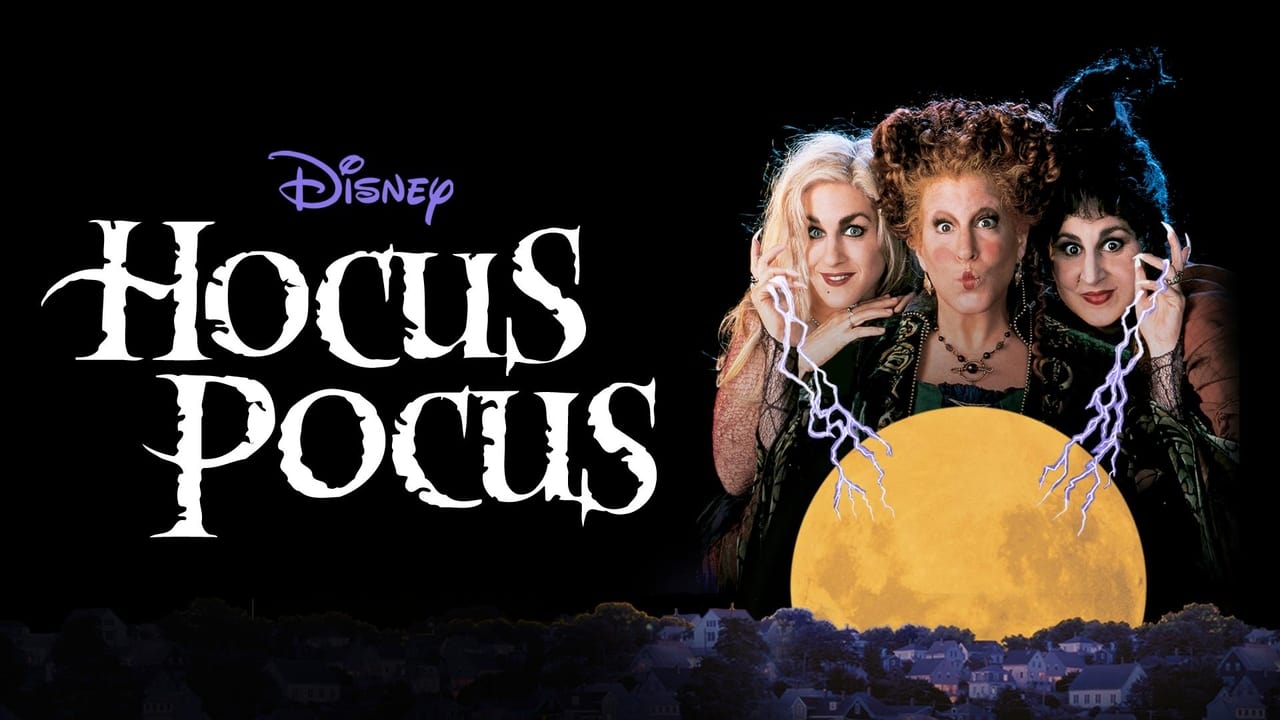
The Divine Miss M and the Art of the Camp
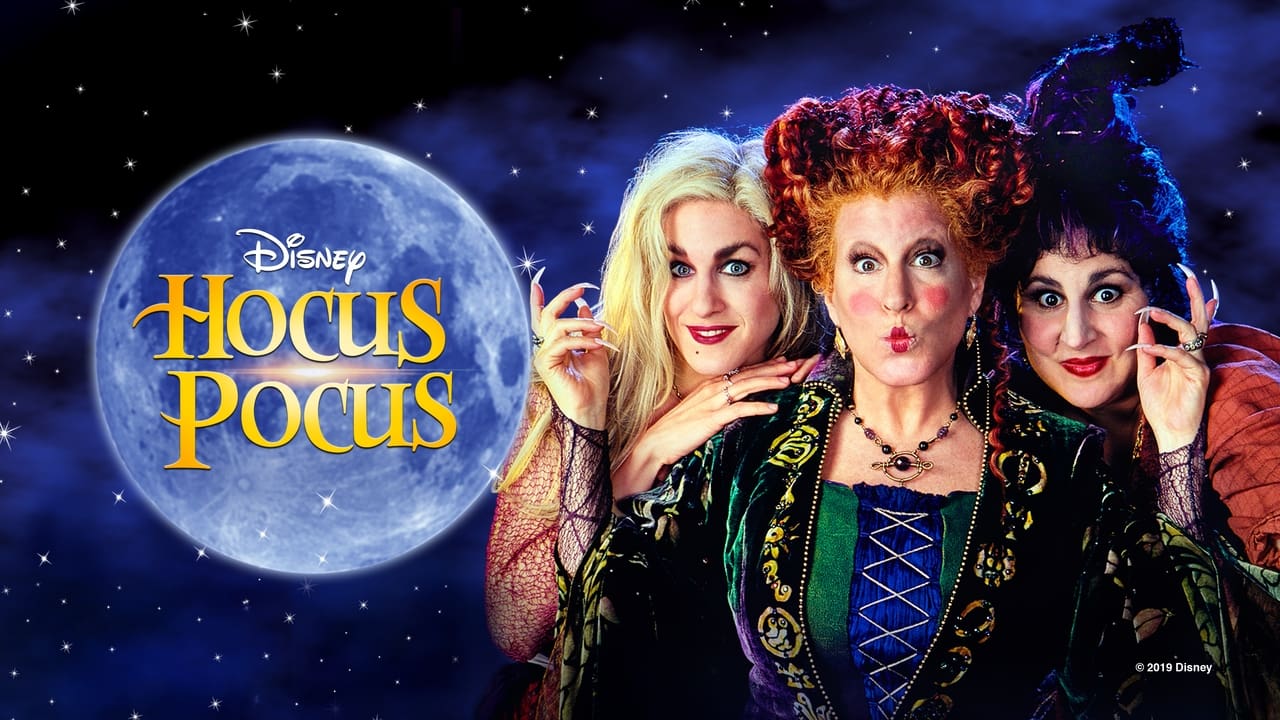
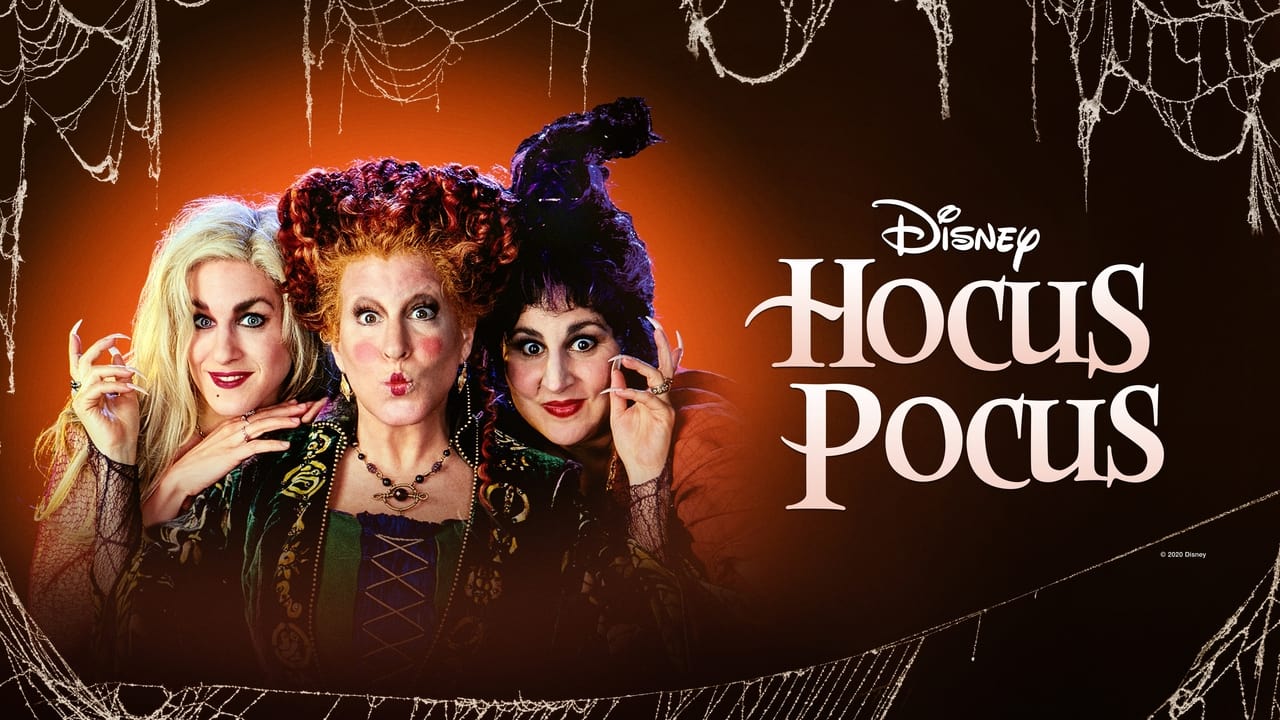
The reason we’re still talking about Hocus Pocus thirty years later isn't the plot—which is a standard "kids find a MacGuffin and run away" structure—but the sheer, unadulterated commitment of the three leads. Bette Midler (fresh off For the Boys), Sarah Jessica Parker, and Kathy Najimy aren't just acting; they are performing at a frequency that only dogs and theater nerds can hear.
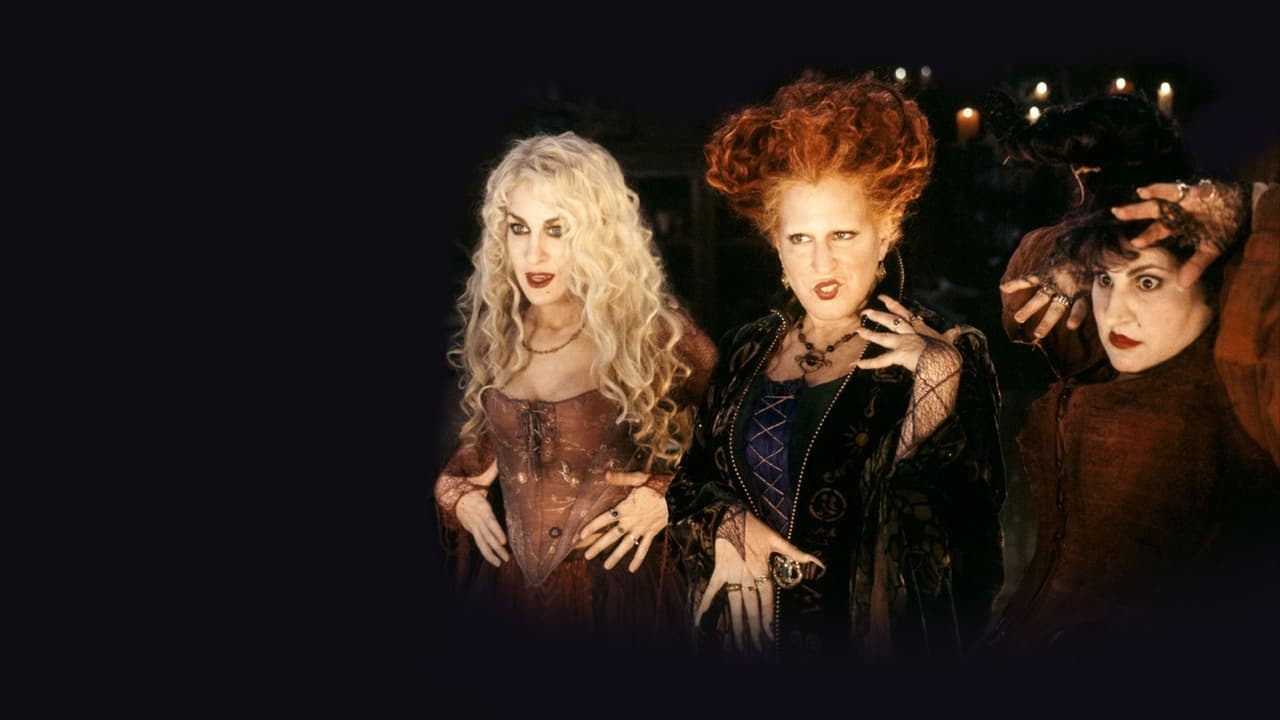
Bette Midler is the sun around which this movie orbits. As Winifred Sanderson, she treats every line like a Broadway 11-o’clock number, her buck-toothed sneer and "Broom-Ho!" commands anchoring the film’s tonal shifts between genuine menace and slapstick. Sarah Jessica Parker is delightfully vacuous as the siren Sarah, while Kathy Najimy provides the physical comedy backbone as Mary, the sister who literally barks at children.
The chemistry here is a masterclass in ensemble timing. Watch the way they walk in sync—the "Sanderson Strut"—it’s a piece of choreography that Kenny Ortega (who had just directed Newsies) used to turn a comedy into a rhythmic experience. It’s interesting to note that Mary’s signature crooked mouth was something Najimy just came up with during rehearsals; eventually, the crew had to remind her which side it was on because she’d keep switching.
Practical Magic in a Digital Dawn
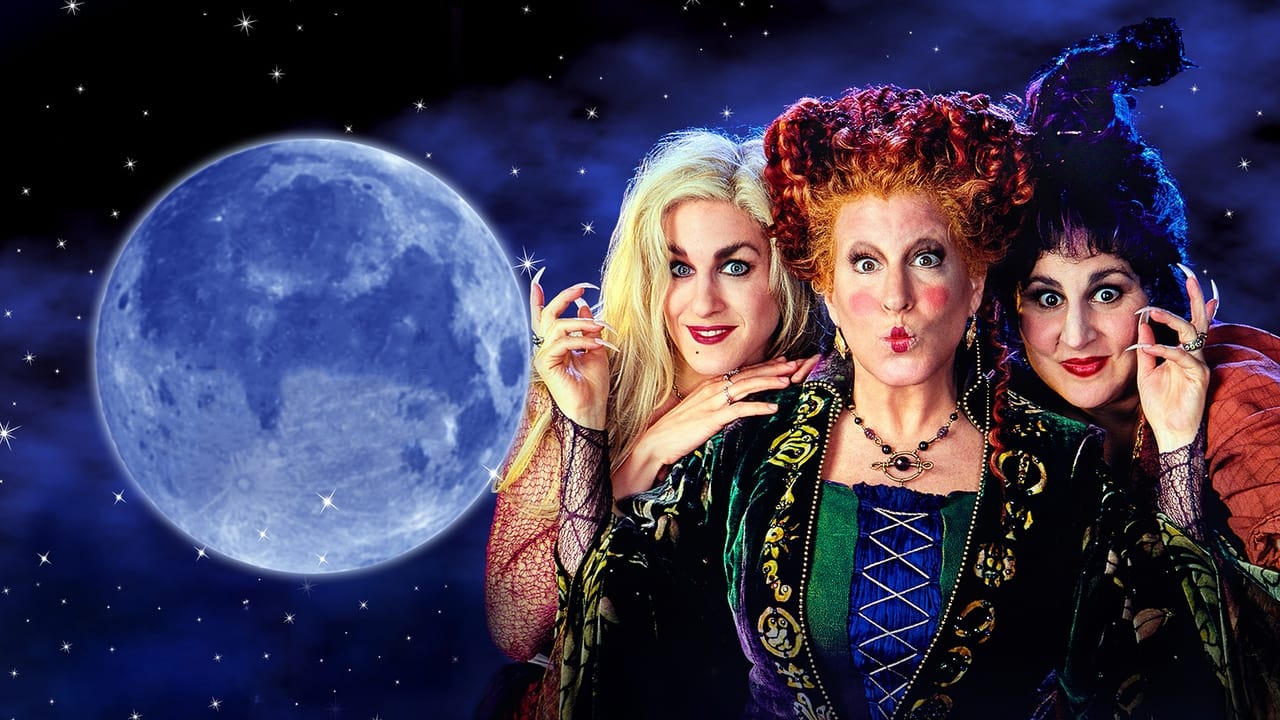
Looking back, Hocus Pocus sits right on the fault line of cinema’s digital revolution. It arrived the same year as the CGI breakthrough of the Brachiosaurus, yet it relies heavily on the kind of practical stagecraft that feels endearingly tactile today. Most of the flying sequences involved a complex "flight rig" of wires and pulleys that required a massive crew to operate manually. There’s a weight to those broomstick flights that modern green-screen work often misses.
Then there’s Thackery Binx, the immortal cat. Binx was a technical headache, utilizing a mix of real cats, animatronics, and very early digital facial replacement. While the talking cat effects have that "uncanny valley" jitteriness common to the early 90s, the practical work on Billy Butcherson—played by the legendary creature performer Doug Jones—is flawless. Jones (who later became Guillermo del Toro’s go-to monster in The Shape of Water) brings a silent-film physicality to the "good" zombie. Fun fact: the moths that fly out of Billy’s mouth when he finally cuts his stitches were real. The crew built a special "pocket" inside Jones’s mouth to keep them dry and alive until the take.
The Slow Burn of a Halloween Staple
If you were a kid in the 90s, you didn’t discover this movie in a theater; you discovered it on a fuzzy VHS tape or during the annual "13 Nights of Halloween" marathon on ABC Family. This is the quintessential DVD-era success story. It’s a film that was reassessed by a generation that grew up with it, transforming it from a "Disney flop" into a lifestyle brand.
I’ll be honest: the "hero" characters are the weakest link. Omri Katz as Max is fine, but he is arguably the most annoying protagonist of the 90s, and we only tolerate him because he’s our tour guide to the witches. His "cool kid from L.A." posturing hasn't aged nearly as well as the sisters' 1693 slang. However, Thora Birch (long before American Beauty) as the young Dani is a revelation; she has more screen presence in her little finger than the rest of the teenage cast combined.
The film's "I Put a Spell on You" sequence remains the ultimate high point. It shouldn’t work—it’s a sudden musical number in the middle of a chase—but because it’s Bette Midler, you just surrender to it. It’s the moment the film fully embraces its identity as a campy, spooky variety show. Apparently, the role of Mary was originally offered to Rosie O'Donnell, who turned it down because she didn't want to be a "scary witch" who killed kids. Watching the film now, it’s hard to imagine anyone but Najimy doing that hovering-vacuum-cleaner bit.
Hocus Pocus is a movie that shouldn't work on paper. It's tonally confused, the pacing is frantic, and the stakes feel weirdly low for a story about child-eating hags. Yet, it possesses a specific, nostalgic alchemy that is impossible to replicate. It captures that exact feeling of a crisp October night when you’re just old enough to stay out late but young enough to still be a little afraid of the dark corners of the neighborhood. It’s a celebration of the theatrical, a time capsule of practical effects, and the best argument for why sometimes, the "villains" are the only ones worth watching.
Keep Exploring...
-
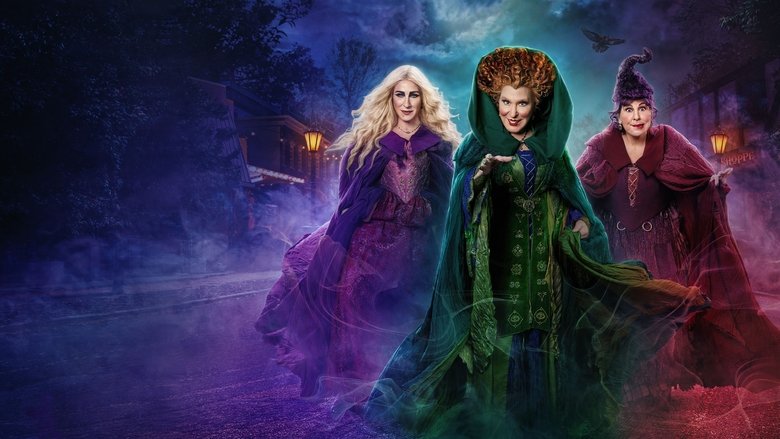
Hocus Pocus 2
2022
-
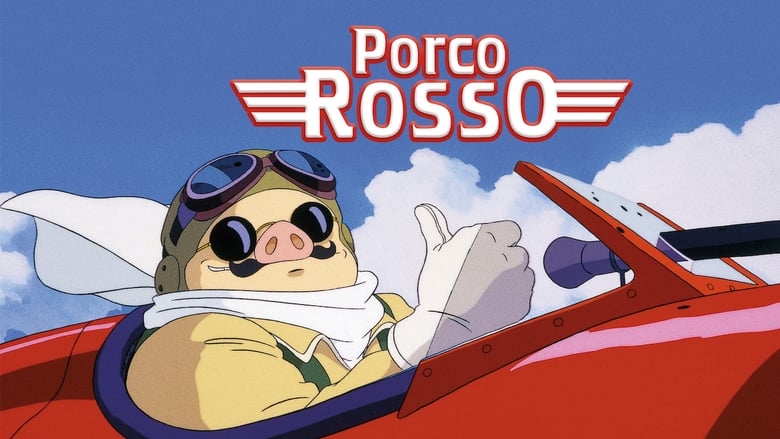
Porco Rosso
1992
-
Last Action Hero
1993
-
Hercules
1997
-

High School Musical 2
2007
-

DuckTales: The Movie - Treasure of the Lost Lamp
1990
-

The Muppet Christmas Carol
1992
-

The Santa Clause
1994
-

The Swan Princess
1994
-

Babe
1995
-
Stuart Little
1999
-

How the Grinch Stole Christmas
2000
-

The Emperor's New Groove
2000
-

The Road to El Dorado
2000
-

Sinbad: Legend of the Seven Seas
2003
-
Monster House
2006
-

Bedtime Stories
2008
-
Night at the Museum: Battle of the Smithsonian
2009
-
Brave
2012
-
Night at the Museum: Secret of the Tomb
2014