Homeward Bound: The Incredible Journey
"Three pets. One mountain. No GPS."
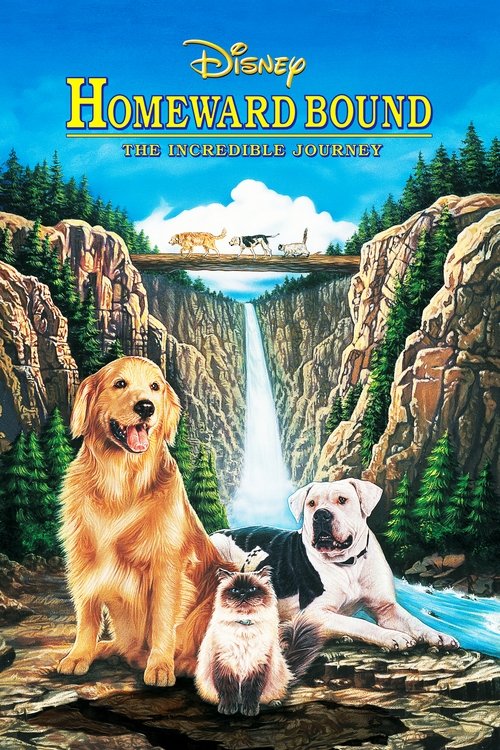
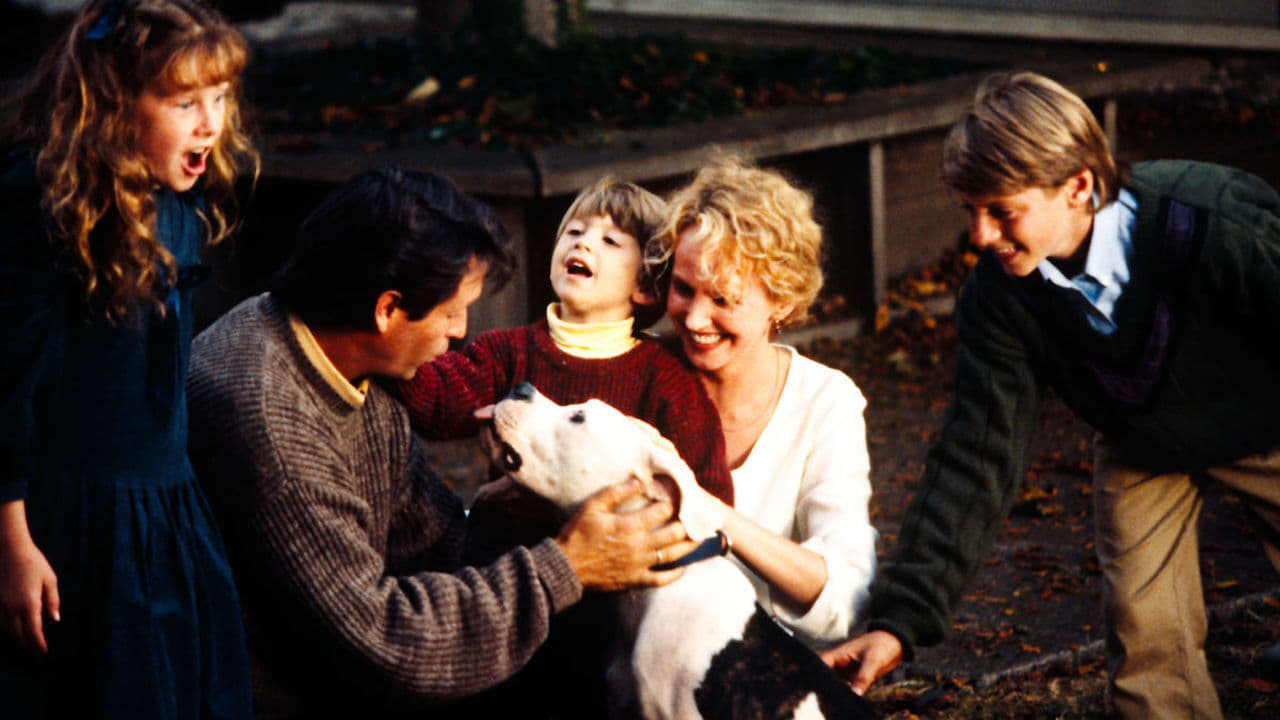
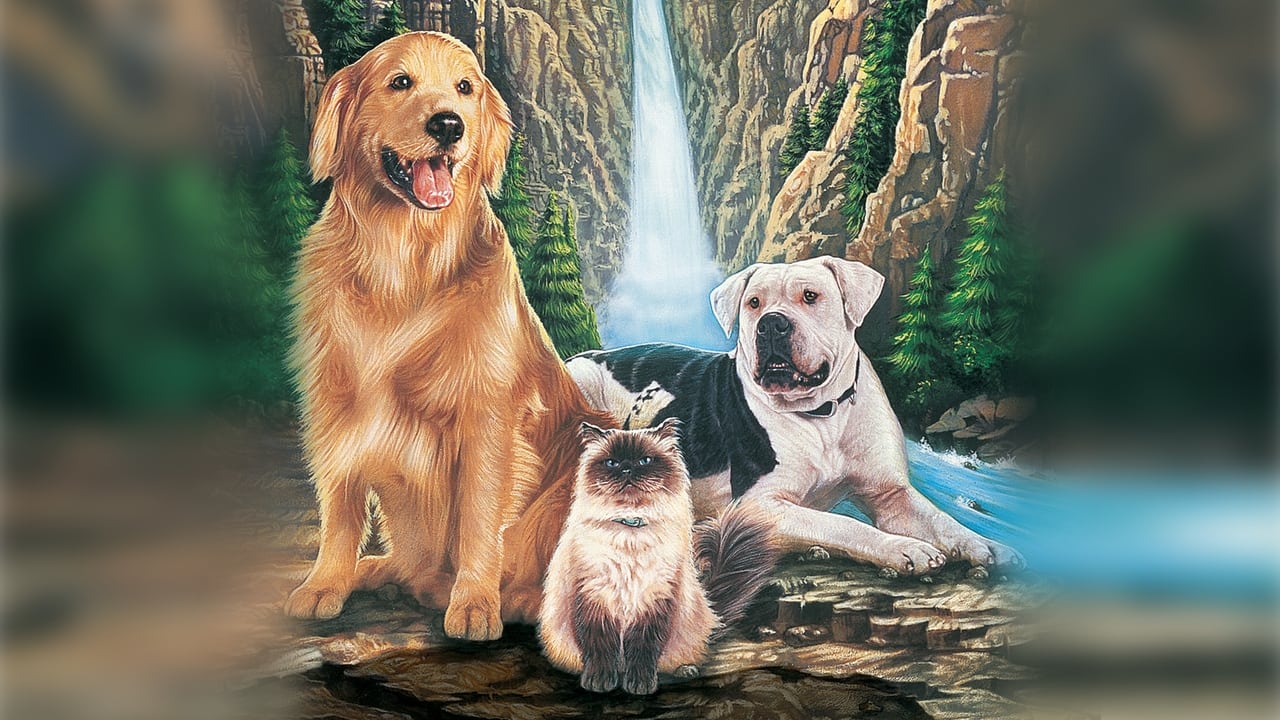
There is a specific kind of 1990s cinematic sorcery that died the moment a computer-generated lip-sync was perfected. In 1993’s Homeward Bound: The Incredible Journey, we are presented with a trio of animals—two dogs and a cat—who traverse the Sierra Nevada mountains to find their family. The trick, however, is that their mouths never move. They "speak" through a sort of collective psychic projection, a telepathic voiceover that allows the audience to hear their thoughts without the uncanny valley nightmare of a digital bulldog jaw flapping unnaturally. It’s a stylistic choice born of technical limitation that somehow results in a much deeper emotional connection. We aren't watching cartoons; we’re watching real animals, and we’re simply invited into their internal monologues.
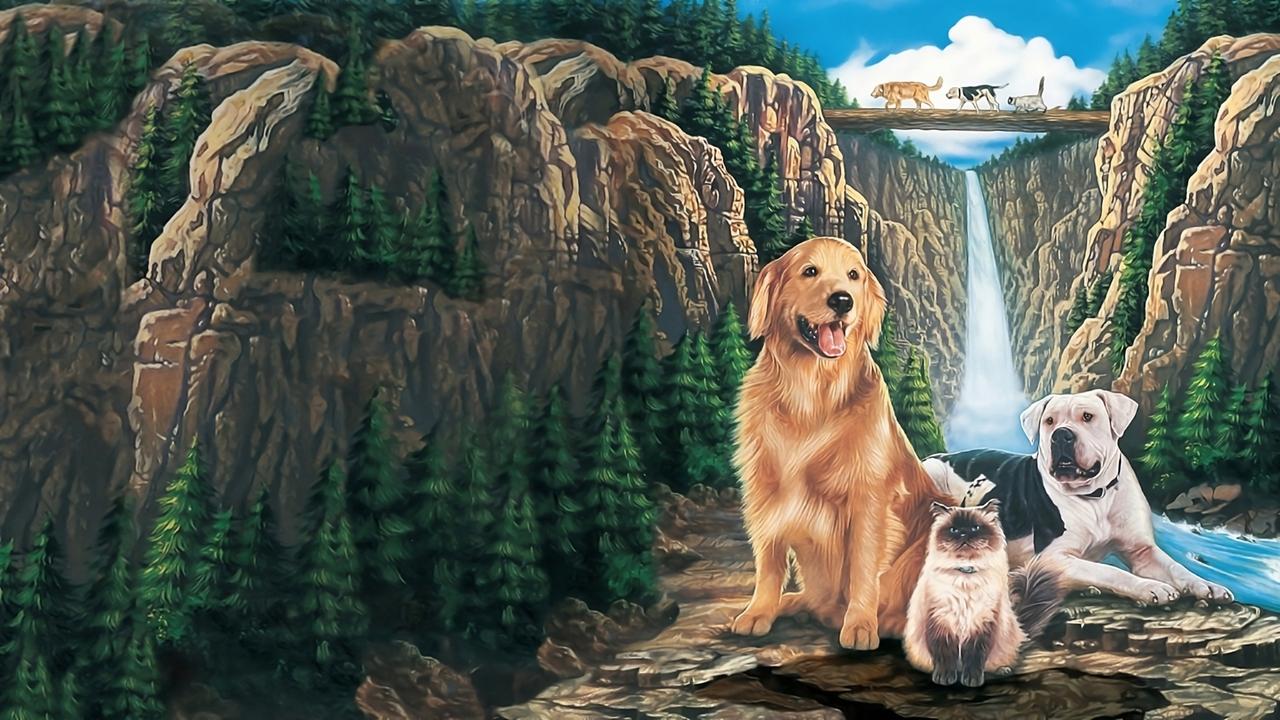
I revisited this one on a rainy Tuesday afternoon while wearing a pair of particularly itchy wool socks that, frankly, made me feel much closer to the rugged, unwashed plight of our four-legged protagonists than I anticipated. It reminded me that before Disney became a factory for live-action remakes of its own animated catalog, it was the undisputed king of the "Live-Action Adventure Where a Golden Retriever Makes You Sob Uncontrollably" genre.
The Power of the Psychic Pooch
The success of Homeward Bound rests entirely on the vocal performances, which are frankly overqualified for a movie about a cat falling into a river. Michael J. Fox (fresh off the Back to the Future trilogy) provides the voice of Chance, an American Bulldog with a terminal case of "main character energy" and a deep-seated distrust of the "Bathtub of Doom." Fox brings that frantic, lovable 90s sarcasm that defined the era. Opposite him is the legendary Don Ameche (star of Cocoon) as Shadow, the aging Golden Retriever. This was one of Ameche’s final roles, and his voice carries the weight of a thousand years of loyalty. When he speaks, you don't just hear a dog; you hear the very concept of "The Good Boy."
Then there’s Sassy, voiced by Sally Field (Forrest Gump), who manages to make a Himalayan cat the most relatable character in the film. The chemistry between these three is better than most human rom-coms of the period. The screenplay, co-written by Caroline Thompson (who penned Edward Scissorhands) and Linda Woolverton (Beauty and the Beast), understands that for an adventure to work, the stakes have to feel real. When Sassy goes over that waterfall, it isn't a slapstick "oopsie"—it’s a genuine moment of peril that feels like a survivalist thriller for the elementary school set.
Practical Peril in the Pre-CGI Wilderness
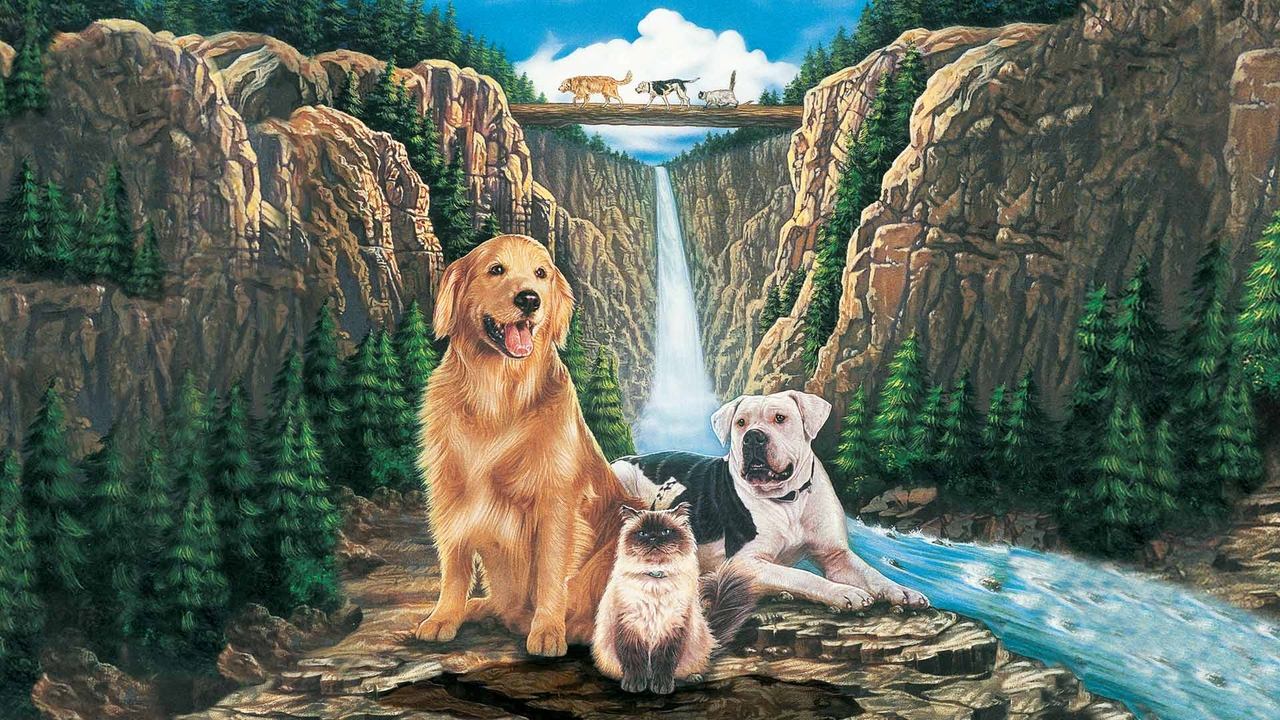
Looking back, the direction by Duwayne Dunham—who, interestingly, was a frequent editor for David Lynch and directed the pilot of Twin Peaks—is surprisingly gritty for a Disney family flick. The film eschews the polished, saturated look of modern digital filmmaking for the raw, earthy tones of the California wilderness. There’s a scene involving a mountain lion and a precarious see-saw rock formation that relies on timing, animal training, and clever editing rather than a rendering farm. It’s tense because the physical presence of the animals is undeniable.
The production used several animals for each role, but the primary stars were trained by Joe Camp, the man behind Benji. One of the most fascinating bits of trivia is that the cat, Sassy, was actually played by a team of ten different Himalayan cats, each specialized in a different skill—one for swimming, one for "acting," and presumably one for looking judgingly at Michael J. Fox. Despite the multi-cat approach, the film maintains a seamless continuity that makes you believe this specific trio is bonding in the woods.
The cat is objectively the smartest character in this entire franchise, and her survival instincts are the only reason the two dogs don't starve to death or walk off a cliff within the first twenty minutes.
The Nostalgia of the Unfiltered Ending
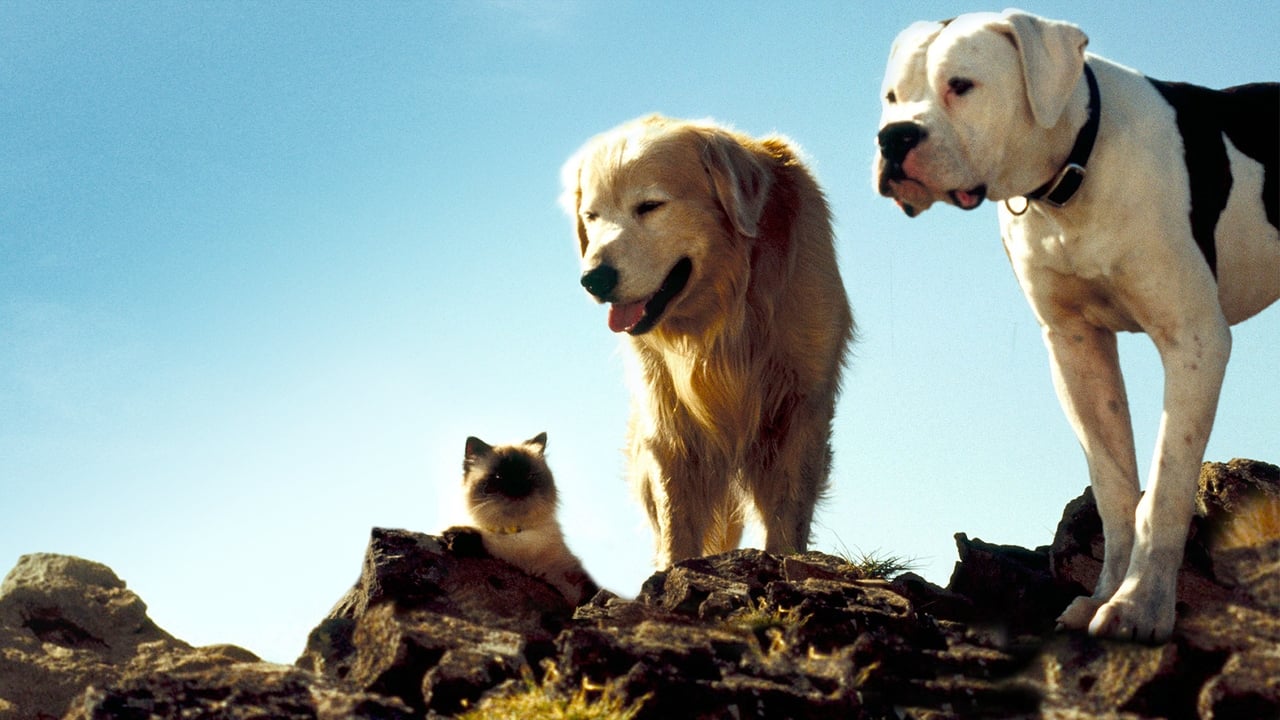
As we move further away from the 90s, Homeward Bound feels more like a relic of a time when we allowed kids’ movies to be quietly profound about the passage of time and the inevitability of aging. Shadow’s struggle isn't just with the mountain; it’s with his own failing joints. The film captures that specific Y2K-adjacent transition where practical filmmaking was at its peak just before the Jurassic Park revolution changed the toolkit forever. There is a weight to the mud on Chance’s fur and the way Shadow limps that pixels just can't replicate.
The ending—which I won’t spoil, though it’s been thirty years and you probably know the drill—is a masterclass in emotional manipulation. It works because it doesn't rely on a grand orchestral swell or a "lesson learned" monologue. It relies on a silhouette on a hill and the sound of a bell. It’s simple, effective storytelling that respects the audience's intelligence, whether they are eight or eighty.
Ultimately, Homeward Bound is the gold standard for the "animal odyssey" subgenre. It balances Michael J. Fox's quips with a genuine sense of adventure and a score by Bruce Broughton that makes a walk through a meadow feel like an epic quest. It’s a film that understands that while humans provide the shelter, it’s the pets who provide the soul of the home. If you haven't seen it since the VHS era, it’s time to head back to the ranch; just bring a box of tissues and maybe some better socks than I had.
Keep Exploring...
-

DuckTales: The Movie - Treasure of the Lost Lamp
1990
-
Teenage Mutant Ninja Turtles II: The Secret of the Ooze
1991
-

The Swan Princess
1994
-
A Goofy Movie
1995
-
Major Payne
1995
-
Jimmy Neutron: Boy Genius
2001
-
Holes
2003
-
TMNT
2007
-
Winnie the Pooh
2011
-
Stuart Little
1999
-
Teenage Mutant Ninja Turtles
1990
-
Toy Story
1995
-
Osmosis Jones
2001
-
101 Dalmatians II: Patch's London Adventure
2003
-
Shrek the Halls
2007
-

Speed Racer
2008
-

Wizards of Waverly Place: The Movie
2009
-
A Monster in Paris
2011
-
Toy Story of Terror!
2013
-
Asterix: The Mansions of the Gods
2014