In the Line of Fire
"One man’s redemption is an assassin’s sickest game."
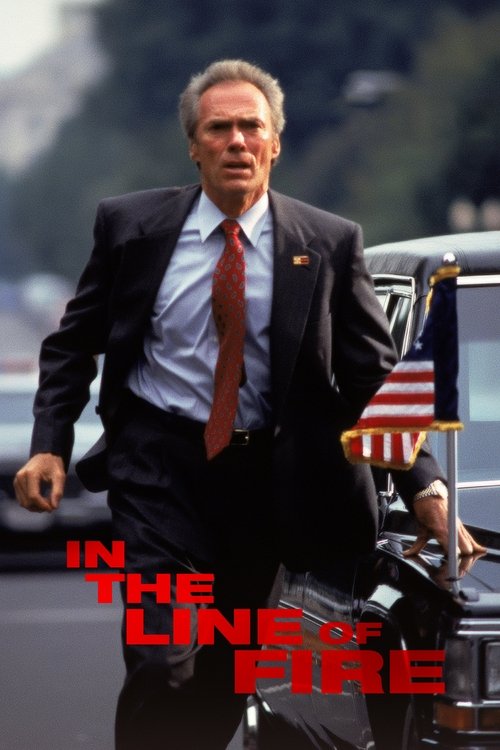
I remember finding the DVD for this movie at a garage sale years ago, still sporting a faded "Property of Blockbuster Video" sticker. I watched it on a Tuesday afternoon while eating a bowl of cereal that had gone slightly soggy, and somehow that mundane, slightly depressing vibe made the gritty, world-weary life of Frank Horrigan feel even more relatable.

In 1993, Clint Eastwood was coming off the massive success of Unforgiven, a film that finally won him the Oscar gold and dismantled his "Man with No Name" persona. But instead of retiring into the sunset of prestige dramas, he teamed up with Wolfgang Petersen (Das Boot) to give us one of the smartest, leanest thrillers of the 90s. In the Line of Fire isn't just a movie about a guy with a gun; it’s a movie about the heavy, suffocating weight of history.
The Greatest Phone Tag Ever Played
The setup is deceptively simple: Clint Eastwood plays Frank Horrigan, a Secret Service agent who was on the detail in Dallas in 1963. He’s the only agent left on active duty who was there when Kennedy was shot, and the guilt has basically pickled him in a jar of cheap whiskey and jazz records. Enter John Malkovich as "Booth," a cold-blooded assassin who has decided that the best way to make his mark on history is to kill the current President—but not before playing a psychological game of cat-and-mouse with the one guy who already failed once.
What follows is an absolute masterclass in tension that doesn't rely on massive explosions or CGI spectacles. Most of the best scenes in this movie are just two guys talking on the phone. Malkovich’s whispery, intellectual voice is more terrifying than any CGI monster I’ve seen in a modern blockbuster. He plays Booth as a man who isn’t just a killer; he’s a frustrated fanboy of history, obsessed with the "craft" of the assassination.
There’s a specific scene where Frank and Booth are chatting while Frank is at a bar, and you can practically feel the sweat on the receiver. Malkovich earned an Oscar nomination for this, and honestly, he deserved it just for the way he says "Frank." He makes it sound like a threat and a lullaby at the same time.
A Suit, A Tie, and A Lot of Cardio
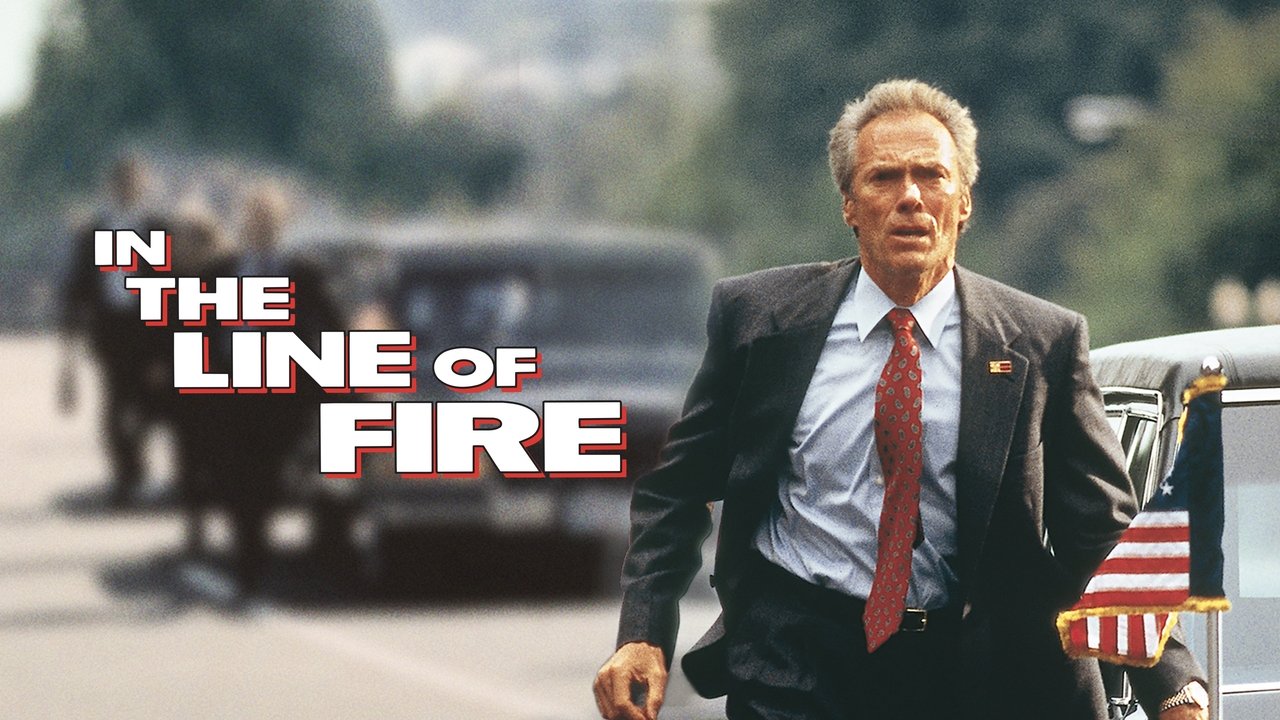
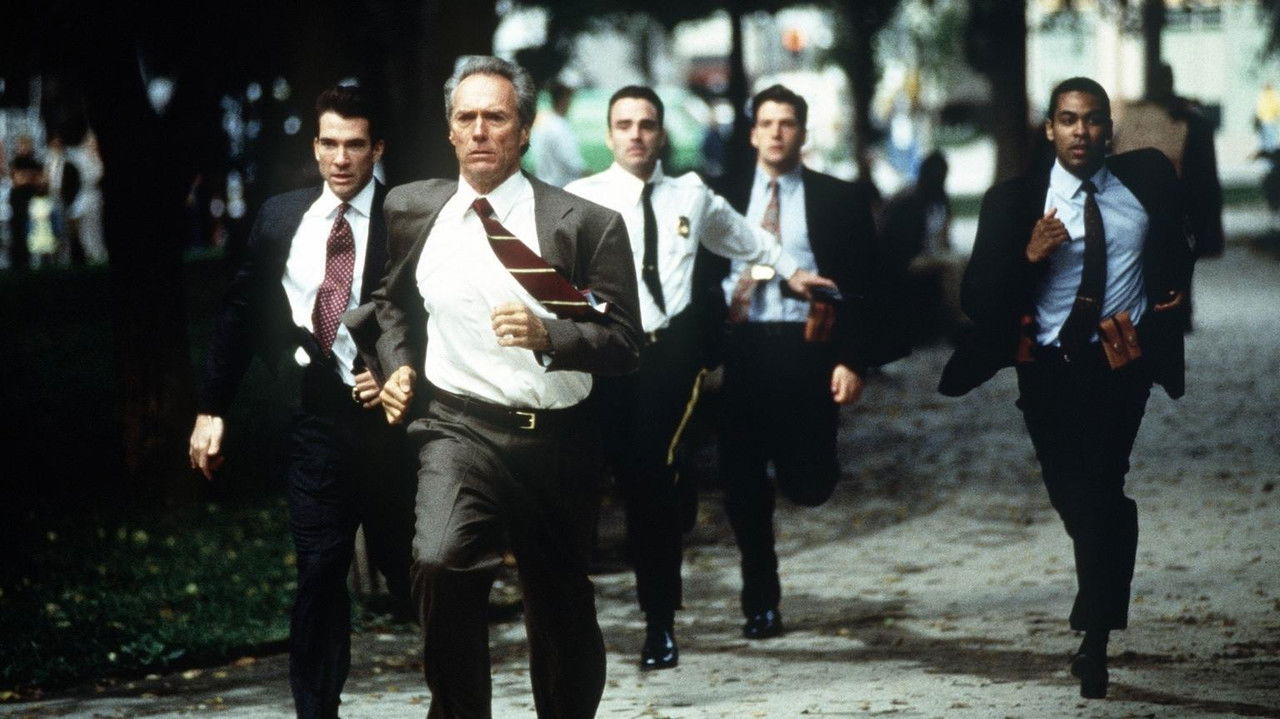
One of the things I love about 90s action is the physicality. There’s a scene where Frank has to run alongside the Presidential limousine, and you can see the genuine exhaustion on Clint Eastwood's face. He was 62 at the time, and the movie doesn't hide it. In fact, it leans into it. Frank is out of breath, he’s coughing, and his younger colleagues think he’s a relic. Clint Eastwood running in a suit is the ultimate "dad at a wedding" vibe, yet he still carries that lethal authority that makes you believe he’d take a bullet for a guy he doesn't even like.
Then there’s Rene Russo as Lilly Raines. In an era where female leads in action movies were often relegated to "the girlfriend," Russo holds her own as a high-ranking agent. The chemistry between her and Eastwood is surprisingly sweet, even if the "grumpy old man meets younger professional woman" trope is laid on a bit thick. Rene Russo is the only person on earth who can make a 1993 power suit look like high fashion, and she provides a necessary anchor for Frank as he spirals into his obsession with Booth.
The film also benefits from a legendary score by Ennio Morricone (The Good, the Bad and the Ugly). It’s not your typical bombastic action music; it’s somber, methodical, and pulsing with a sense of dread. It reminds you that for Frank, the stakes aren't just a job—it's his soul.
The 177 Million Dollar Question
Looking back, In the Line of Fire was a massive hit, pulling in $177 million on a $40 million budget. It was the kind of movie that dominated the "watercooler talk" of the early 90s. Interestingly, the Secret Service actually cooperated with the production, which was a huge deal at the time. They gave the crew unprecedented access to their procedures and even allowed them to film near actual Presidential motorcades.

There’s also a bit of trivia that always sticks with me: the "composite" gun that John Malkovich builds to smuggle past metal detectors. It was actually based on real-life designs for non-metallic weapons that were a major security concern in the early 90s. This film hit right at that transition point where technology was making the world more dangerous, but the solution was still a guy with a keen eye and a quick draw.
The climax at a crowded campaign dinner is a lesson in how to shoot a set-piece. No rapid-fire editing where you can't tell who is hitting whom—just clear, escalating stakes and a focus on Frank's desperate eyes scanning the room. Wolfgang Petersen knows that a close-up of a finger on a trigger is ten times more exciting than a building falling down.
This is a quintessential "Dad Movie," and I mean that as the highest possible compliment. It’s smart, well-acted, and respects the audience's intelligence. It captures that early 90s sweet spot where the production values were high enough to look great, but the storytelling was still rooted in character rather than franchise-building. If you haven't revisited this one in a while, or if you only know Eastwood as a director, do yourself a favor and watch him trade barbs with a peak-level Malkovich. It’s a reminder that sometimes, the best special effect is just a really good actor on the other end of a phone line.

Keep Exploring...
-
The Net
1995
-

Outbreak
1995
-
Primal Fear
1996
-
Breakdown
1997
-
Patriot Games
1992
-
Infernal Affairs
2002
-
Basic
2003
-
Mystic River
2003
-
Vantage Point
2008
-
Blood Work
2002
-
Air Force One
1997
-
The Score
2001
-
The Girl Who Played with Fire
2009
-
Cape Fear
1991
-

Double Impact
1991
-
Lethal Weapon 3
1992
-
Batman: Mask of the Phantasm
1993
-
The Client
1994
-

Hackers
1995
-
Kiss the Girls
1997