In the Name of the Father
"The truth is the only thing the law forgot."
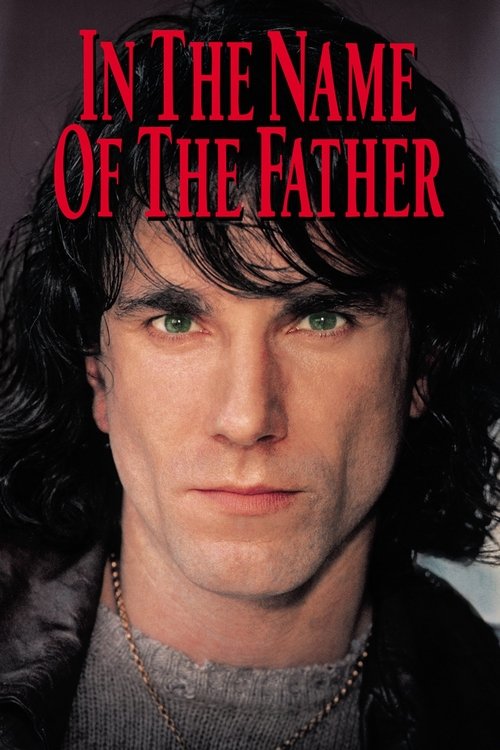
There is a specific brand of intensity that only Daniel Day-Lewis could conjure in the early 90s—a kind of electric, vibrating presence that felt like he might actually leap through the screen and demand you justify your existence. I remember rewatching this recently while my neighbor was power-washing his driveway; the relentless, low-frequency hum from outside perfectly mirrored the mounting claustrophobia of the interrogation scenes. It’s a film that doesn't just ask for your attention; it seizes it by the lapels and refuses to let go until the credits roll.

In the Name of the Father arrived in 1993, a year dominated by the heavy-hitters like Schindler’s List and the technical wizardry of Jurassic Park. Yet, Jim Sheridan’s masterpiece carved out its own space by being a "true story" that felt more like a punk-rock protest song than a dusty historical recreation. It’s the story of Gerry Conlon, a long-haired Belfast petty thief who found himself at the center of a nightmare when the British legal system decided that finding someone guilty of the Guildford pub bombings was more important than finding the right people.
The Weight of a Name
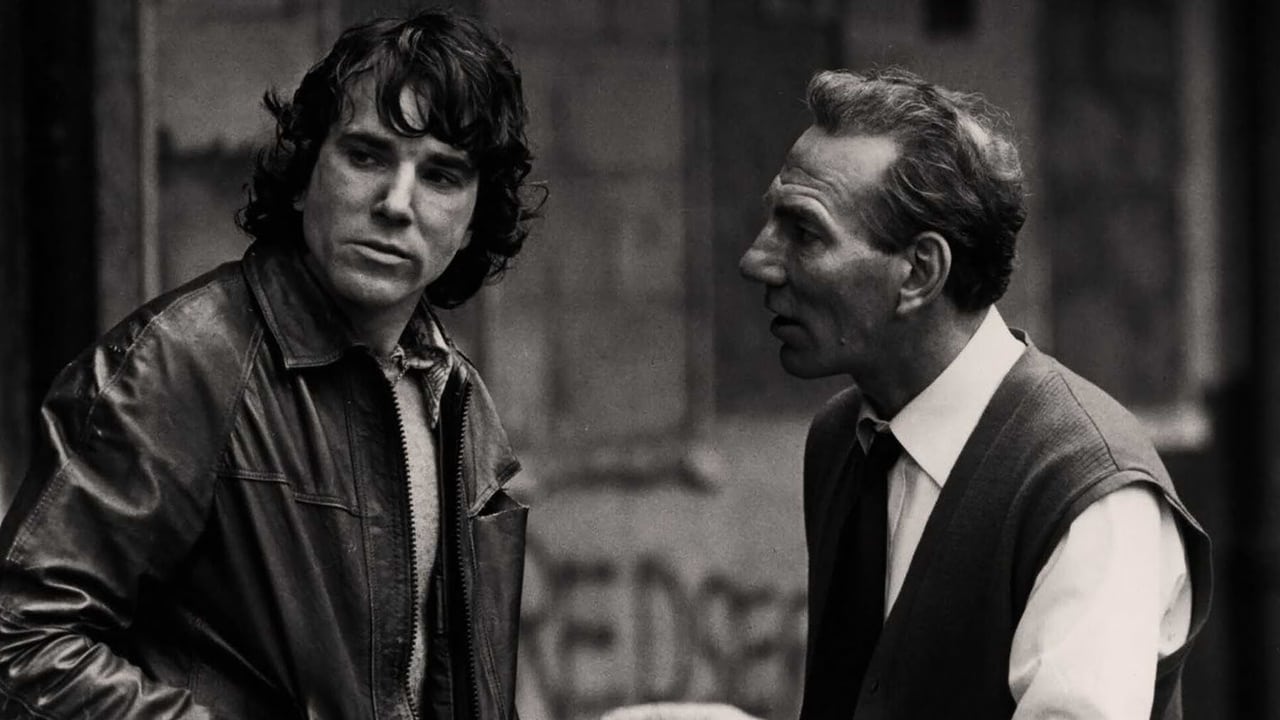
At its heart, this isn't just a political thriller or a courtroom drama; it’s a brutal, tender examination of a father-son relationship. Daniel Day-Lewis gives us a Gerry who is initially a bit of a peacock—Gerry Conlon’s hair in the first act is the real crime here, a feathered 70s disaster that screams "I’d rather be at a disco than a revolution." But the film’s soul belongs to Pete Postlethwaite as his father, Giuseppe.
Giuseppe is a man made of quiet dignity and brittle bones, a stark contrast to Gerry’s frantic energy. When they are both tossed into the same prison cell for a crime neither committed, the film shifts into a cerebral exploration of legacy. Gerry resents his father’s perceived weakness, his constant praying, and his adherence to a "system" that has utterly betrayed them. The transformation of their relationship—from resentment to a shared, desperate battle for survival—is where the film earns its tears. Pete Postlethwaite manages to be the most powerful presence in the room while barely raising his voice, a feat that still leaves me floored every time I see it.
The Architecture of a Lie
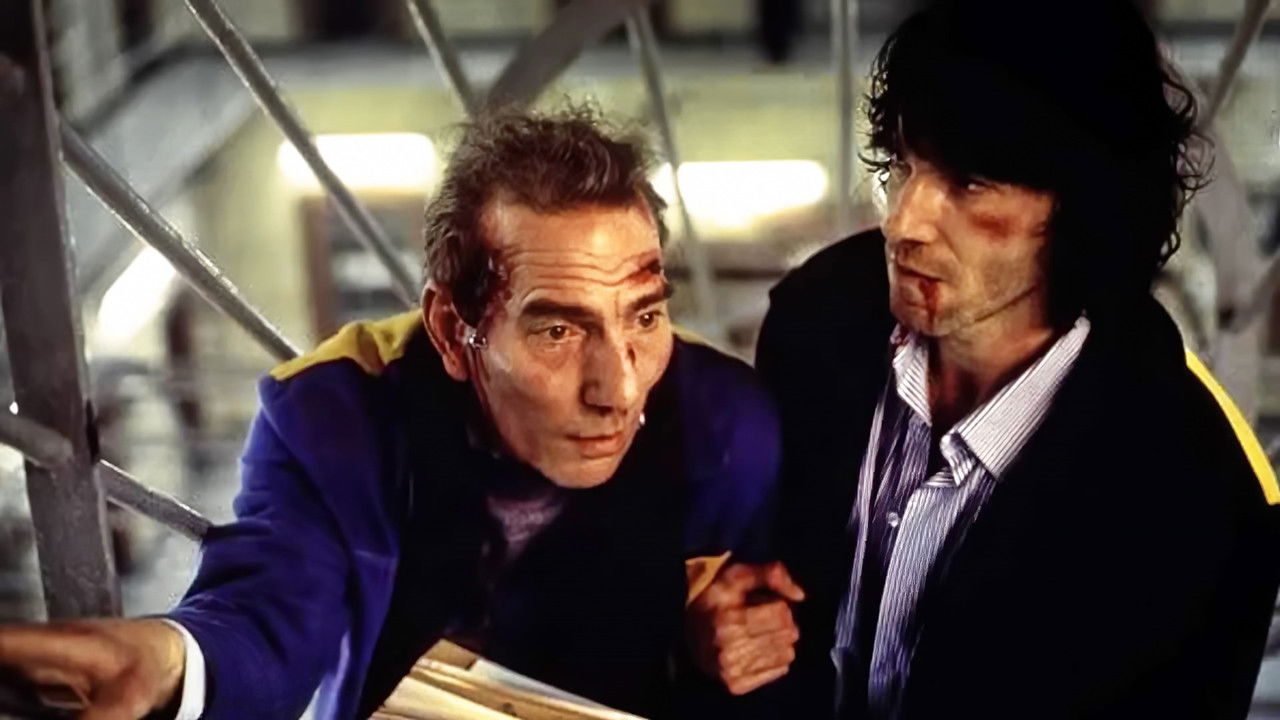
Jim Sheridan and screenwriter Terry George take some liberties with the historical facts—Gerry and Giuseppe didn't actually share a cell, for instance—but the "cinematic truth" here is undeniable. Looking back from our current era of true-crime podcasts and DNA exonerations, In the Name of the Father feels like a blueprint for the genre. It exposes the terrifying reality that the law isn't a search for truth; it’s a contest of narratives.
The middle act of the film is a masterclass in pacing, showing the grinding passage of fifteen years. We see the rise of the IRA within the prison walls, providing Gerry with a seductive, violent alternative to his father’s pacifism. The arrival of Emma Thompson as lawyer Gareth Peirce provides the intellectual spark the final act needs. She’s the catalyst, the one who digs through the literal and metaphorical dust of the British archives to find the "not to be shown to the defense" evidence that eventually breaks the case wide open. Her performance is sharp, professional, and devoid of the usual "hero lawyer" clichés; she feels like a woman doing a job that just happens to be a matter of life and death.
A Relic of the Analog Era
Watching this in the 2020s, I’m struck by how much of the tension relies on physical evidence—folders of paper, handwritten notes, and the literal sound of a tape recorder being clicked on and off. There’s no digital trail to follow. The cinematography by Peter Biziou (who won an Oscar for Mississippi Burning) uses a palette of cold blues and muddy browns that makes the Belfast streets and the prison stones feel damp to the touch.
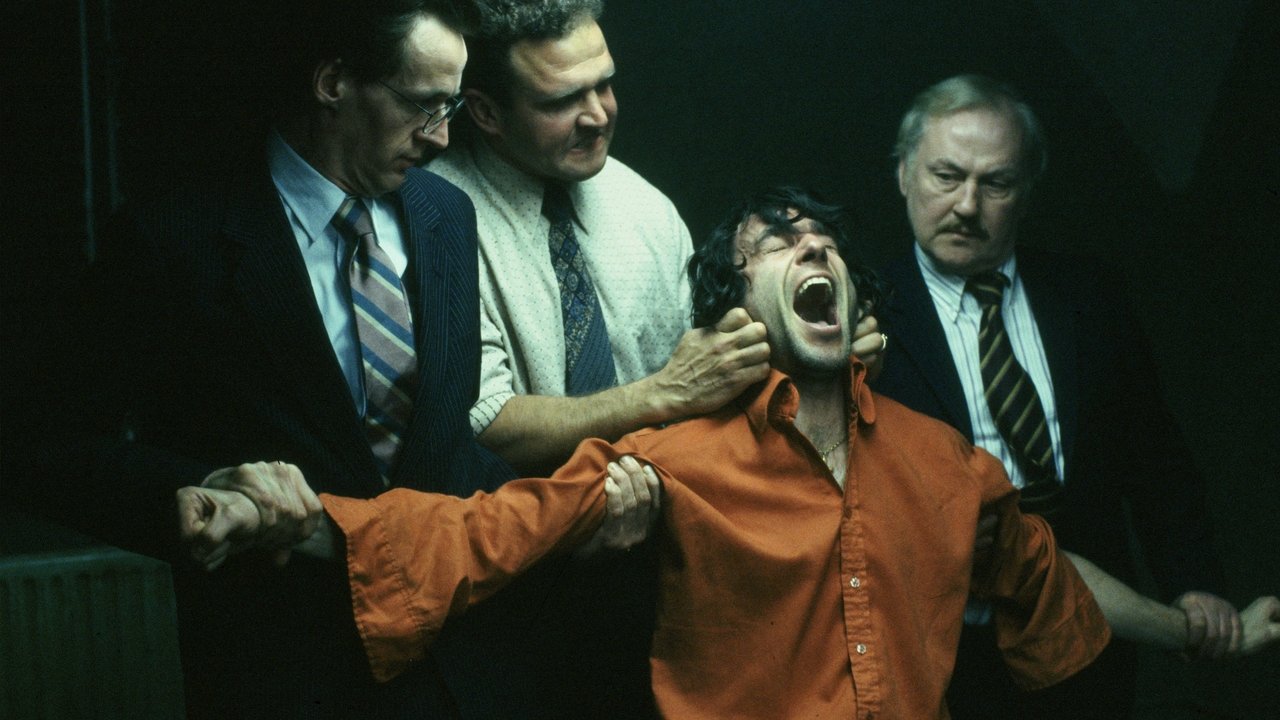
The film also captures that early 90s fascination with the "Method." The trivia surrounding Daniel Day-Lewis’s preparation—spending nights in a cell, being interrogated by actual policemen, and losing 30 pounds—was the kind of stuff we used to pore over in Premiere magazine or in the "Behind the Scenes" featurettes on the Special Edition DVDs. While some might call it "too much," that dedication is what makes the interrogation scene so unbearable to watch. When Gerry finally cracks, it doesn’t feel like an actor hitting a mark; it feels like a soul being dismantled.
In the Name of the Father is that rare prestige drama that hasn't lost an ounce of its bite. It’s a film about the institutional rot that occurs when "justice" becomes a matter of political convenience, a theme that feels arguably more relevant today than it did in 1993. It’s a demanding watch, but the payoff—the final walk out of the Old Bailey—is one of the most cathartic moments in cinema history. If you haven't seen it, or if you only remember it as a "serious 90s movie," give it another look; it's a powerhouse of performance and a haunting reminder of what happens when the truth is treated as an inconvenience.
Keep Exploring...
-

My Left Foot: The Story of Christy Brown
1989
-
Malcolm X
1992
-
My Cousin Vinny
1992
-
The Age of Innocence
1993
-
A Little Princess
1995
-
Selena
1997
-
Three Colors: Blue
1993
-

Three Colors: Red
1994
-

Neon Genesis Evangelion: The End of Evangelion
1997
-
There Will Be Blood
2007
-

Brothers
2009
-
October Sky
1999
-
The Straight Story
1999
-
Talk to Her
2002
-
The Sea Inside
2004
-

The Fall
2006
-
Control
2007
-

Evangelion: 1.0 You Are (Not) Alone
2007
-
The Diving Bell and the Butterfly
2007
-
Il Divo
2008