Indecent Proposal
"One night. One million dollars. No strings attached?"
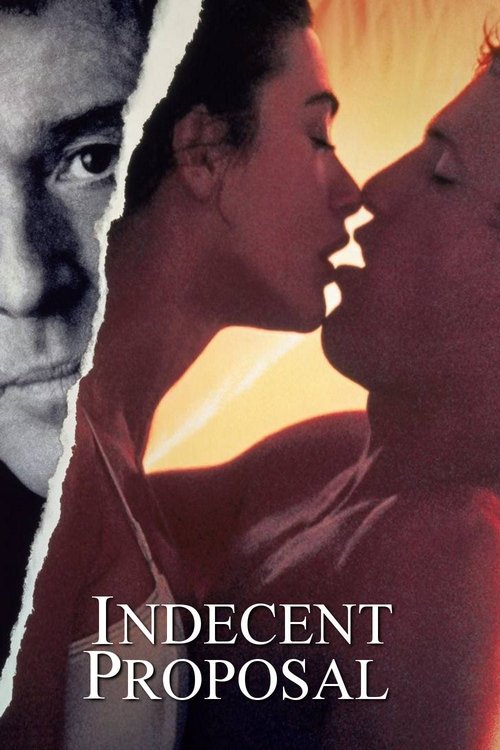
In 1993, the entire world was obsessed with a single mathematical equation: Is one night of your spouse's company worth a million dollars? If you adjusted that for inflation today, we’re talking about roughly $2.1 million—which, depending on your mortgage rate, might make the decision even faster. I watched this again on a Tuesday afternoon while eating a slightly stale bagel, and the sheer 90s opulence made my cream cheese feel inadequate.
Directed by Adrian Lyne, the Sultan of Sleaze-Chic, Indecent Proposal wasn't just a movie; it was a nationwide Rorschach test. It arrived at the tail end of the "Greed is Good" era, right as the 80s excess was curdling into 90s anxiety. It’s a film that exists in a world of perpetual golden hours, backlit curtains, and high-waisted trousers, asking a question that felt dangerously provocative before the internet made everything—including "proposals"—considerably more transactional.
The Million Dollar Man
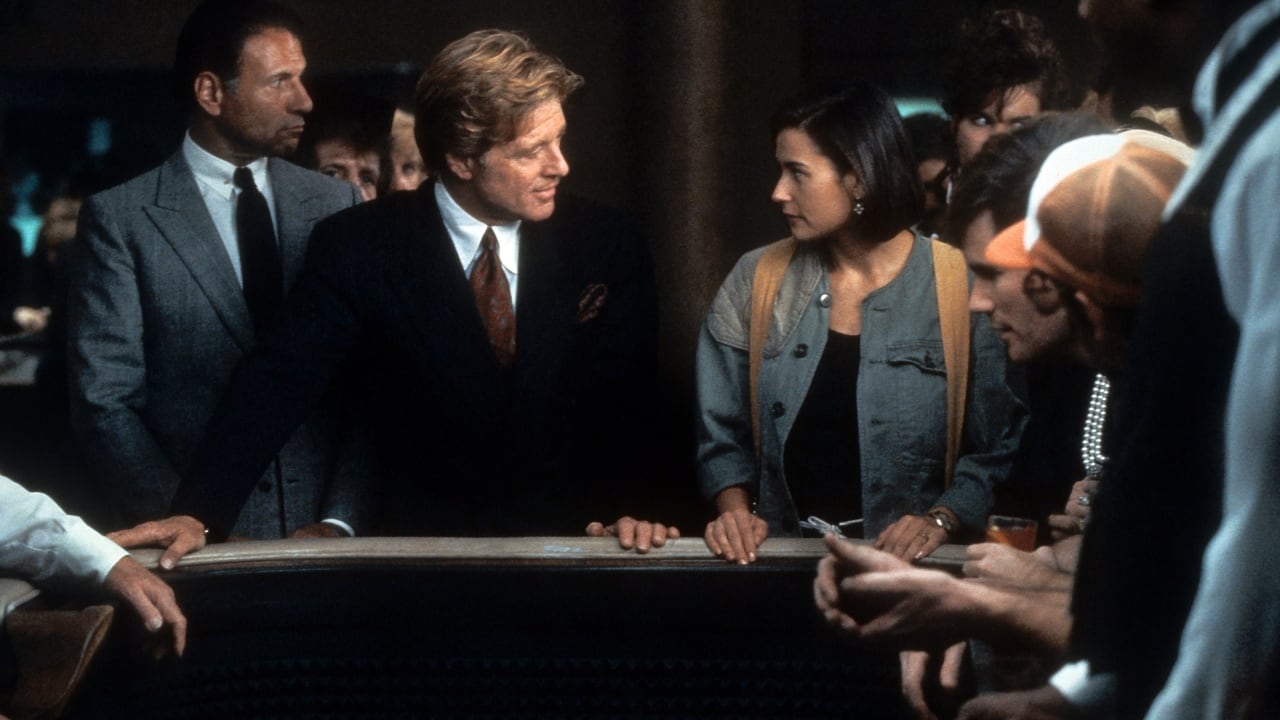
The setup is pure high-concept Hollywood. David and Diana Murphy (Woody Harrelson and Demi Moore) are high school sweethearts who are "architecturally" broke. They head to Vegas to gamble their last few thousands on a dream, only to lose it all. Enter John Gage (Robert Redford), a billionaire who looks like he smells exclusively of expensive cedarwood and old money. He spots Diana, likes what he sees, and makes the pitch: $1 million for one night with her.
The genius of the casting here is Robert Redford. If the billionaire had been played by someone like Billy Bob Thornton (who shows up briefly as a day tripper), the movie would be a horror film. But it’s Redford. He’s the Sundance Kid! He’s charming, he’s respectful, and he’s got that "I own a vineyard in Napa" glow. It makes the "indecent" part of the proposal feel almost... sophisticated? Looking back, Redford plays the role like a gentleman predator who’s bored with buying companies and wants to see if he can buy a soul instead.
Architecture and Insecurity
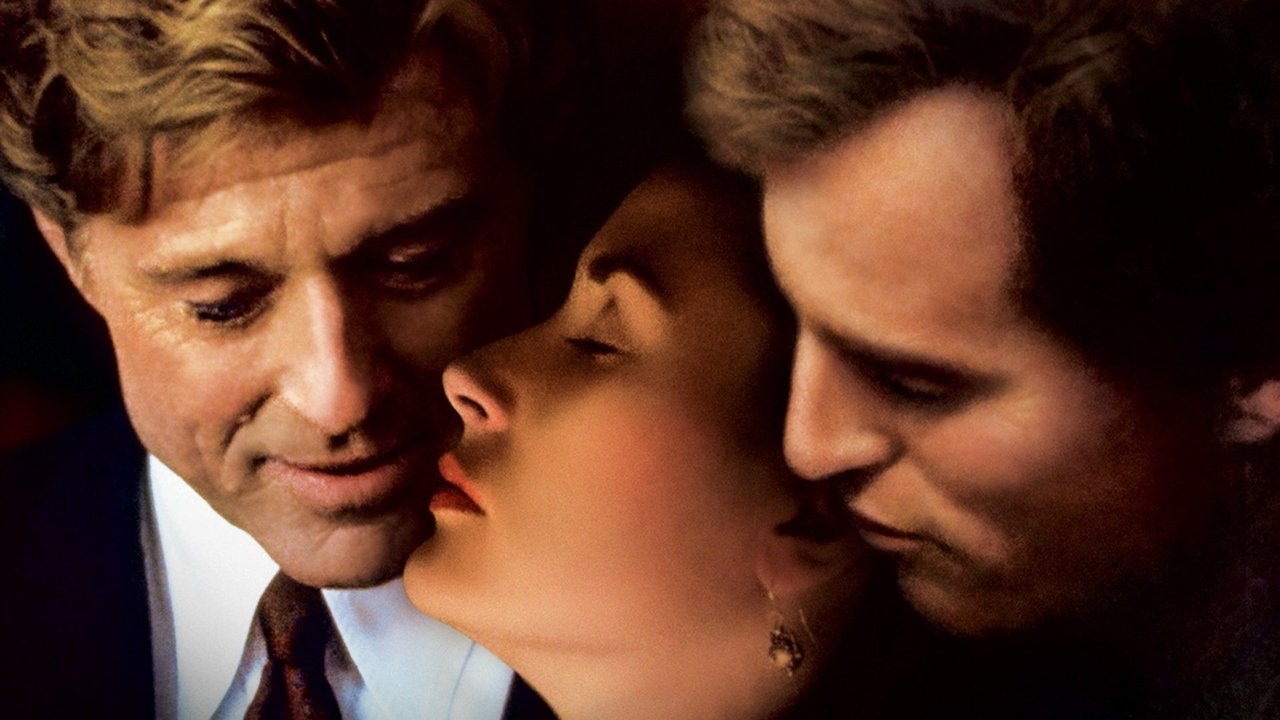
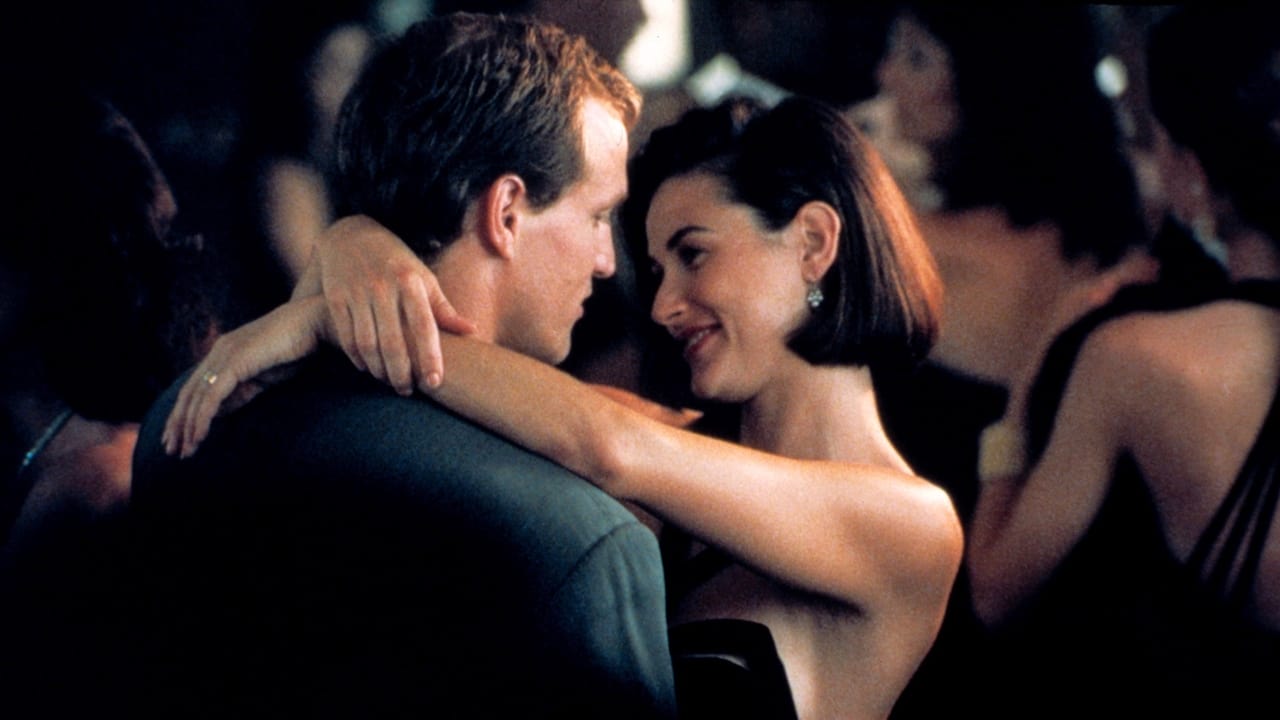
While the marketing sold this as a steamy romance, rewatching it now reveals a much darker drama about the fragility of the male ego. Once the deal is done, the movie stops being about the sex and starts being about David’s spectacular meltdown. Woody Harrelson is fascinating here; before he was the king of prestige TV and quirky indies, he was doing this raw, jittery work. Harrelson spends the first half of the movie looking like a golden retriever who just discovered taxes.
His descent into jealousy is the real meat of the story. Demi Moore, at the absolute height of her "Imperial Phase," has to do a lot of the heavy lifting with just her eyes. She’s the one who makes the choice, yet she’s the one who has to endure David’s subsequent transformation into a walking pile of resentment. The film’s middle act drags a bit as they navigate their crumbling marriage, but it captures that specific 90s brand of "yuppies in peril" that Lyne mastered in Fatal Attraction.
The Glossy Legacy of Adrian Lyne
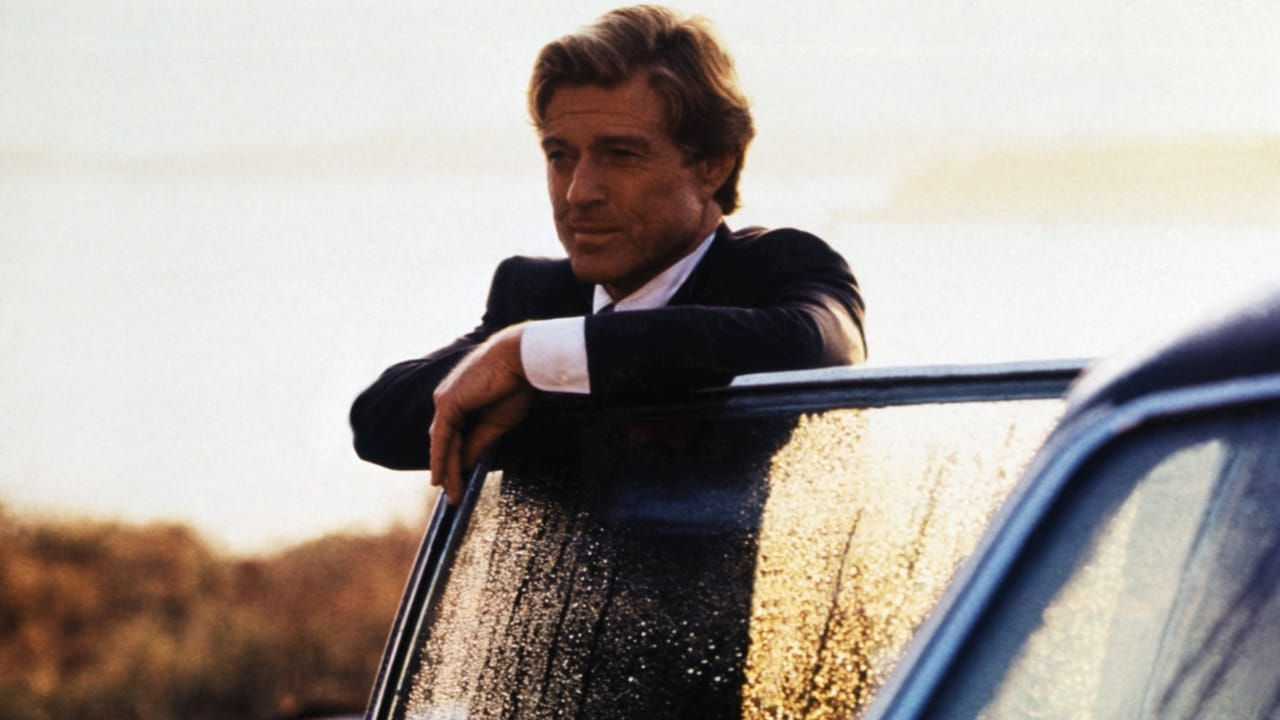
Technically, the film is a masterclass in 90s aesthetics. Cinematographer Howard Atherton treats every frame like a perfume commercial. Whether they are on a yacht or a rainy pier, everyone is perfectly lit. It’s that glossy, analog film look that we’ve largely lost in the era of flat digital sensors. There's a scene involving Seymour Cassel and Oliver Platt (who provides some much-needed cynical energy as the lawyer) that feels so grounded in its era—big suits, big offices, and the belief that money can solve, or create, any problem.
The film was a juggernaut, raking in over $266 million globally against a $38 million budget. That’s a staggering return for a domestic drama. It proved that audiences were hungry for "adult" stories that sparked conversation. I remember people arguing about the ending for weeks. It’s a "Blockbuster" in the old sense—not because of explosions, but because it dominated the cultural watercooler.
However, looking back with 2024 eyes, the resolution feels a bit like a cop-out. The film builds up this complex moral maze and then tries to exit through a side door of sentimentalism. It wants to have its million-dollar cake and eat it too. Despite winning the Razzie for Worst Picture, the film’s massive box office success proved that critics and audiences were watching two different movies. One saw a trashy soap opera; the other saw a thrilling "what if?"
Indecent Proposal is a fascinating relic of a time when Hollywood could spend $40 million on three people talking in a room about their feelings. It’s glossy, it’s occasionally silly, and it’s deeply rooted in 90s gender dynamics that haven't all aged gracefully. Yet, the central question remains as sticky as ever. It’s a movie that earns its runtime not through action, but through the uncomfortable realization that everyone—even the most romantic among us—might have a price.
It’s the ultimate "guilty pleasure" that isn't actually that much of a pleasure once the bill comes due. Still, for the chemistry between the leads and the sheer "1993-ness" of it all, it’s a trip to Vegas worth taking. Just don't expect to win.
Keep Exploring...
-
Lolita
1997
-
The Horse Whisperer
1998
-
Ghost
1990
-

Unfaithful
2002
-

Flashdance
1983
-

Fatal Attraction
1987
-
Forever Young
1992
-

The Bodyguard
1992
-
Sleepless in Seattle
1993
-

Legends of the Fall
1994
-

Phenomenon
1996
-

Romeo + Juliet
1996
-

The English Patient
1996
-
Love & Other Drugs
2010
-
Sneakers
1992
-
City of Angels
1998
-
Stepmom
1998
-
It Could Happen to You
1994
-
Chocolat
2000
-
Save the Last Dance
2001