Last Action Hero
"Where the one-liners actually hurt."
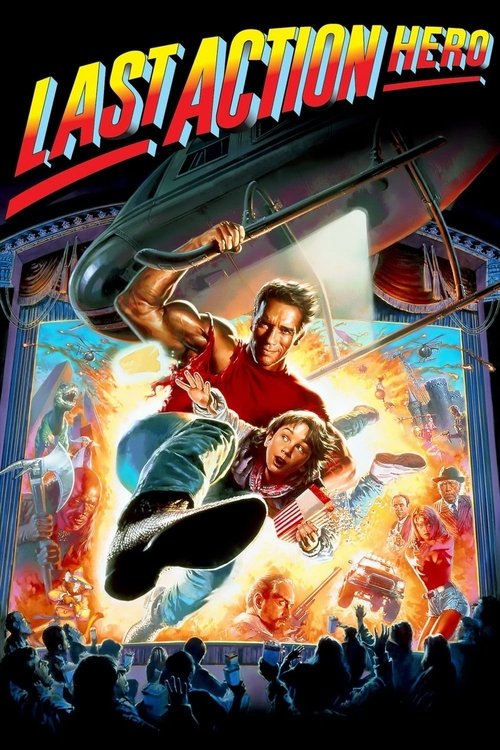
In the summer of 1993, a giant, scaly shadow loomed over Hollywood. Steven Spielberg’s Jurassic Park didn't just break box office records; it swallowed everything in its path. Caught in the middle of that prehistoric feeding frenzy was Last Action Hero, a movie that arrived with the hubris of a $100 million budget and the biggest star on the planet, only to be branded a "disaster" before the first reel even finished spinning. I watched this while recovering from a mild case of food poisoning, sipping on flat ginger ale, and the "Leo the Fart" scene felt dangerously relatable—but even through a haze of nausea, it was clear that the world had gotten this one wrong.
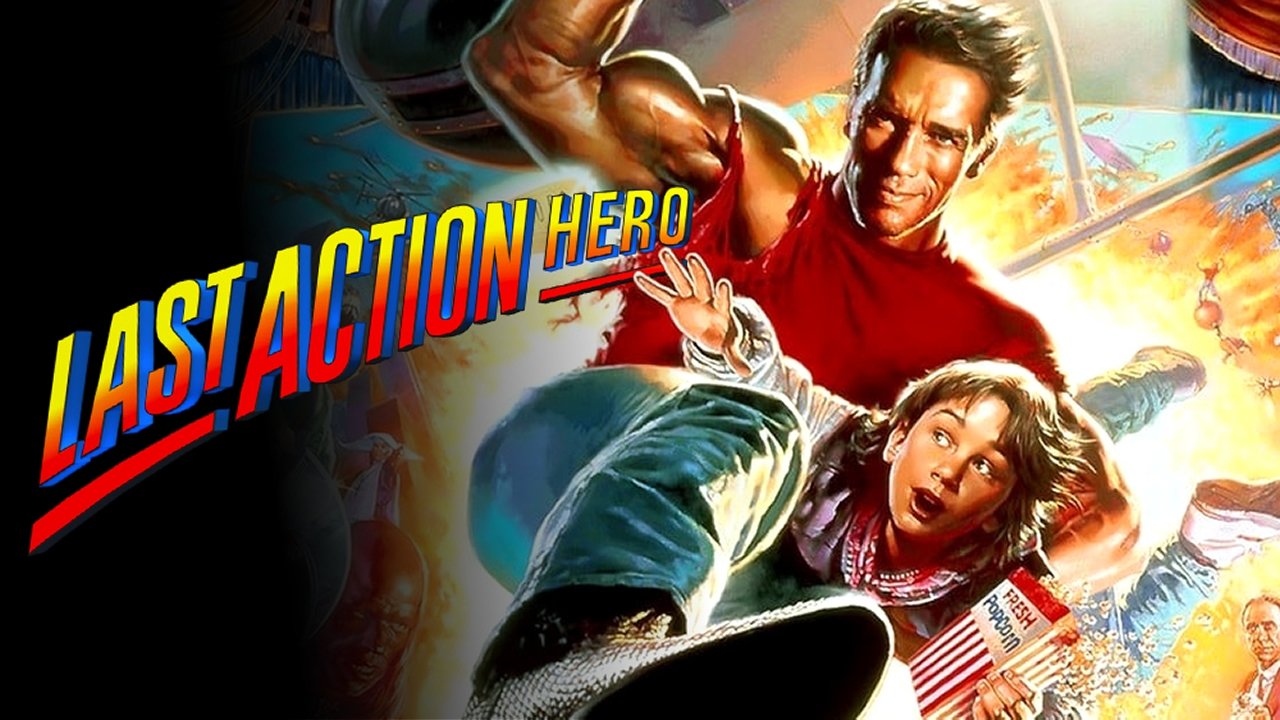
Looking back from an era where meta-commentary is the air we breathe (thanks, Deadpool), Last Action Hero feels less like a failed blockbuster and more like a prophetic, weirdly soulful eulogy for the 1980s. It’s a film that hates the tropes it’s forced to employ, and that friction makes it one of the most fascinating artifacts of the 90s.
The Man, The Myth, The Meta
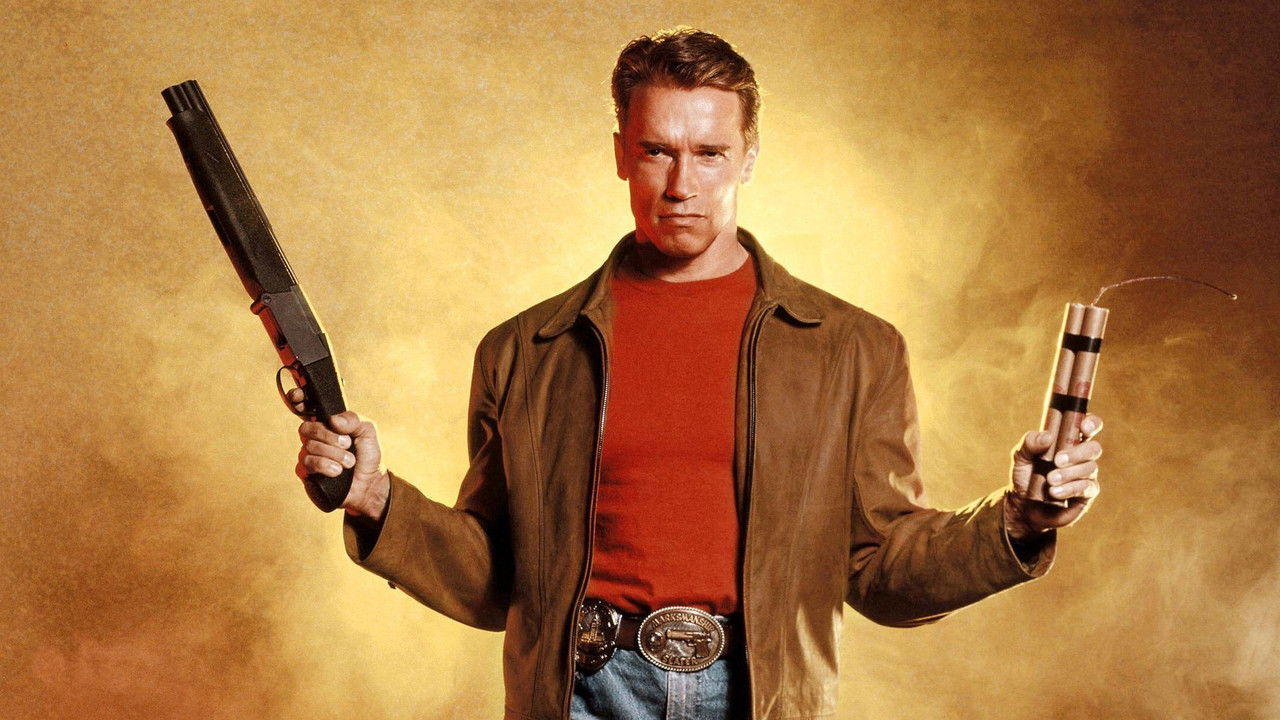
The premise is pure wish fulfillment: Danny Madigan (Austin O’Brien), a lonely kid escaping a gritty New York via a dilapidated cinema, gets a magic ticket that sucks him into the latest Jack Slater movie. Suddenly, he’s the sidekick to his idol, Arnold Schwarzenegger. But Danny isn’t just a fan; he’s a critic. He knows the rules. He knows that when a house explodes, Slater will walk out without a scratch. He knows that the gorgeous daughter (Bridgette Wilson-Sampras) is just there to be kidnapped.
Schwarzenegger deserves a massive amount of credit here for being willing to ruthlessly lampoon his own public image. This isn't just "Arnold being funny"—it's Arnold playing a character who eventually has a full-blown existential crisis when he realizes his life is a series of scripted tragedies designed for the amusement of a kid in a smelly theater. When the movie shifts into the "Real World" in the final act, the colors drain out, the physics start to matter, and the jokes stop landing. It’s a tonal whiplash that audiences in '93 weren't ready for, but it’s precisely why the film stays with you.
Action with a Side of Satire
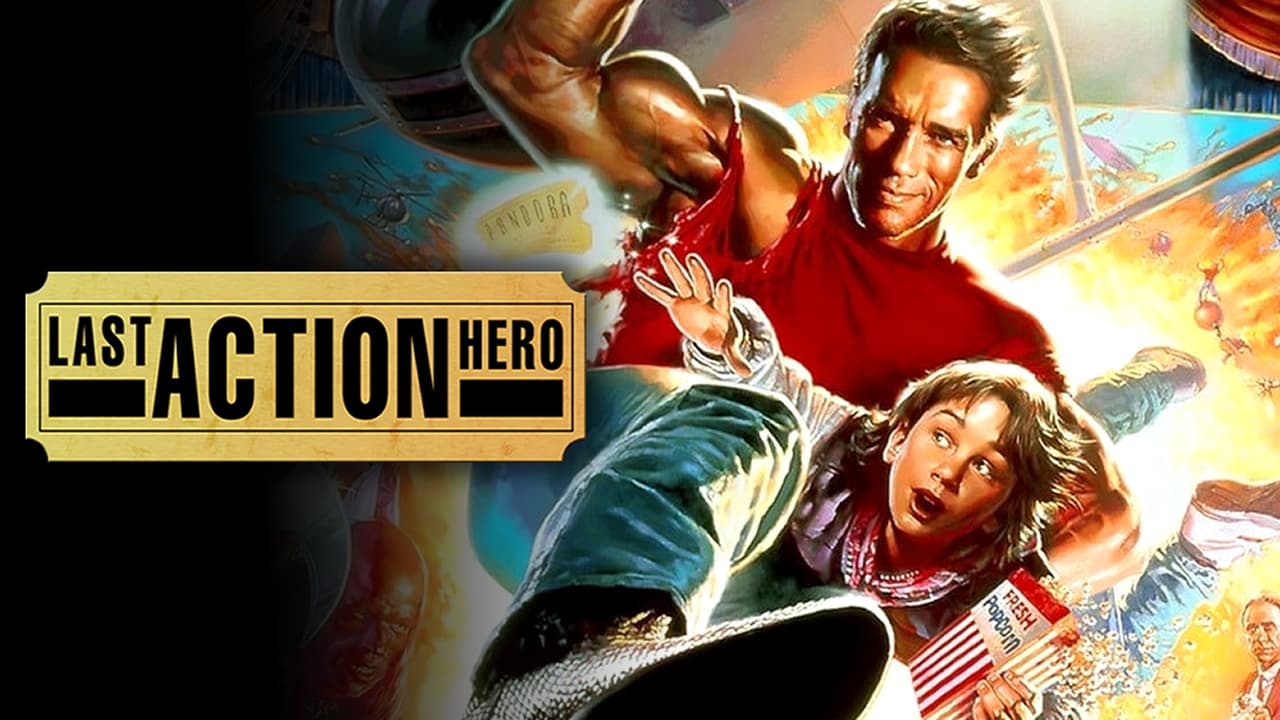
Director John McTiernan was the absolute king of the action mountain at this point. Coming off Die Hard and Predator, he knew exactly how to frame a shootout. In Last Action Hero, he uses that expertise to create action that is simultaneously thrilling and ridiculous. The car chases in the "movie world" are vibrant, defying gravity and logic, while the practical stunt work remains jaw-dropping. There’s a specific sequence involving a tar pit and a crane that feels like the ultimate peak of practical 90s excess.
The screenplay, co-written by Shane Black (the poet laureate of the buddy-cop genre), is littered with the kind of hard-boiled dialogue that sounds like it was filtered through a blender. However, the real MVP is Charles Dance as the villainous Benedict. With his rotating glass eyes and a dry, Royal Shakespeare Company delivery, he’s easily the most menacing thing in the movie. His realization that he can commit crimes in the real world because "the police are busy and the bad guys actually win" is a genuinely chilling bit of writing that elevates the film above a mere parody.
Behind the Magic Ticket
The production of Last Action Hero was famously chaotic. It was the first film to be advertised on a space rocket (which, hilariously, never actually launched during the film's theatrical run), and the script was being rewritten by Carrie Fisher and Larry Ferguson even as cameras were rolling. Apparently, the test screenings were so disastrous that the ending was re-shot mere weeks before the premiere.

Despite the studio interference, the film is packed with "blink and you'll miss it" details for film nerds. My favorite? In the movie-world Blockbuster, the poster for Terminator 2 features Sylvester Stallone instead of Arnold. It’s a subtle jab at their real-life rivalry that perfectly encapsulates the film's self-aware spirit. Also, keep an eye out for F. Murray Abraham playing a character named John Practice; Danny spends half the movie suspecting him of betrayal simply because "he killed Mozart" in Amadeus. This film is a smarter deconstruction of celebrity than anything released in the last decade.
Ultimately, Last Action Hero failed because it was a cynical movie being sold as a family adventure. It told its audience that their heroes were fake and their world was ugly, which isn't exactly a great pitch for a summer popcorn flick. But today, the bitterness has aged into a fine, satirical wine. It’s loud, it’s messy, and it’s occasionally too clever for its own good, but it has a heart of gold and some of the best stunt work of the analog era. If you haven't revisited it since the VHS days, give it another spin—just bring your own magic ticket.
Keep Exploring...
-

Sinbad: Legend of the Seven Seas
2003
-
Night at the Museum: Battle of the Smithsonian
2009
-
Brave
2012
-

Night at the Museum
2006
-

Puss in Boots
2011
-
Jingle All the Way
1996
-

Wizards of Waverly Place: The Movie
2009
-
Stuart Little
1999
-
The Road to El Dorado
2000
-
Mirror Mirror
2012
-
Night at the Museum: Secret of the Tomb
2014
-
Hook
1991
-

Asterix & Obelix: Mission Cleopatra
2002
-
The Brothers Grimm
2005
-
Journey to the Center of the Earth
2008
-

Jungle Cruise
2021
-
Hercules
1997
-
DuckTales: The Movie - Treasure of the Lost Lamp
1990
-
Teenage Mutant Ninja Turtles
1990
-
Teenage Mutant Ninja Turtles II: The Secret of the Ooze
1991