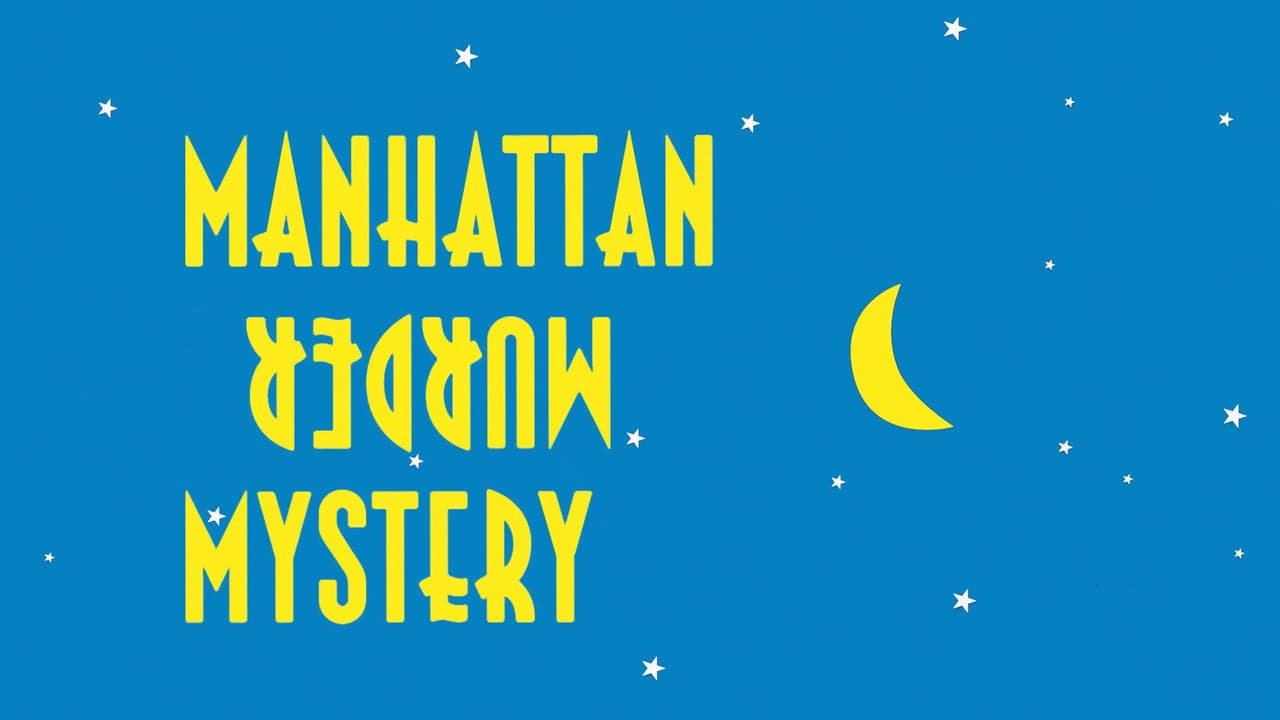
Manhattan Murder Mystery
"Curiosity didn't kill the cat; it just annoyed her husband."
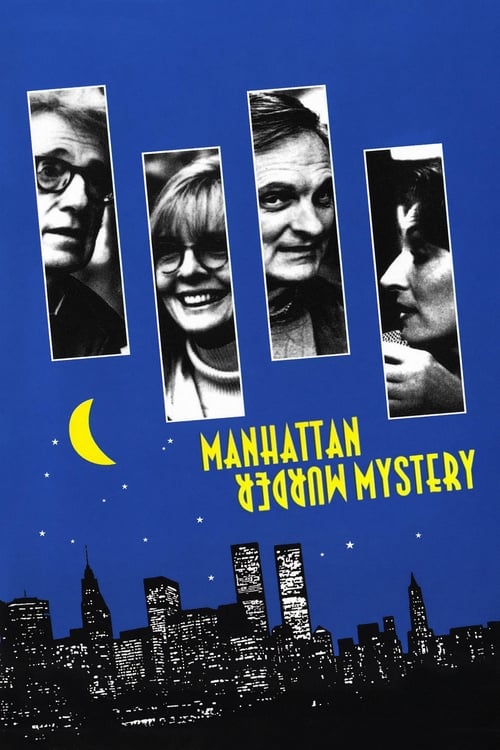
I watched Manhattan Murder Mystery on a Tuesday afternoon while wearing a pair of wool socks with a hole in the left toe, and honestly, that slight draft on my foot felt perfectly in sync with the nervous, breezy energy of this movie. It’s a film that thrives on a specific kind of low-stakes high-anxiety. Most people, when they think of 1993 cinema, go straight to the heavy hitters: the soaring heights of Schindler’s List or the ground-shaking CGI of Jurassic Park. But while Spielberg was busy reinventing the blockbuster, Woody Allen was returning to his roots, delivering what might be the most purely enjoyable, unpretentious comedy of his late-career run.
The Return of the Dynamic Duo
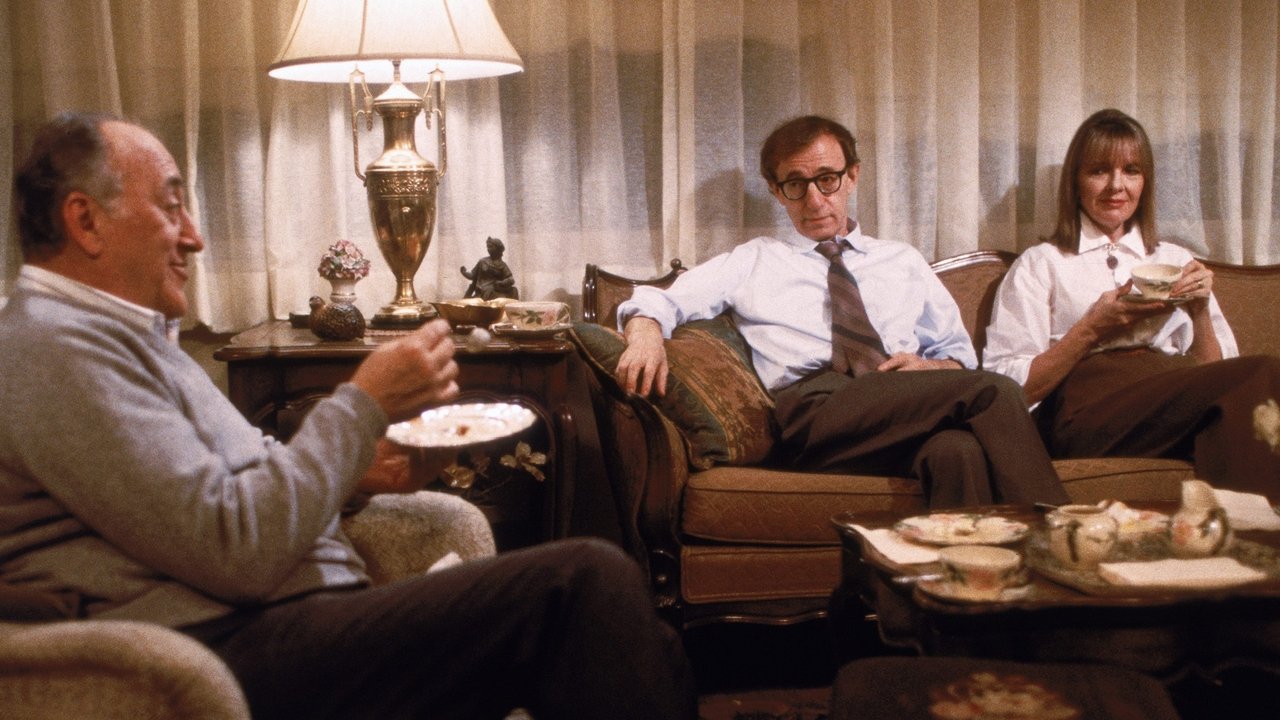
The headline here, both then and now, is the reunion of Woody Allen and Diane Keaton. It had been over a decade since they’d shared the screen, and the chemistry hasn't aged a day; it has only ripened. They play Larry and Carol Lipton, a middle-aged couple living in a sprawling, book-filled Upper West Side apartment. Their lives are a comfortable routine of opera nights and mild bickering until their neighbor’s wife suddenly dies of a heart attack. Carol smells a rat—or rather, a murder—while Larry just wants to get back to his wine and his neurotic avoidance of conflict.
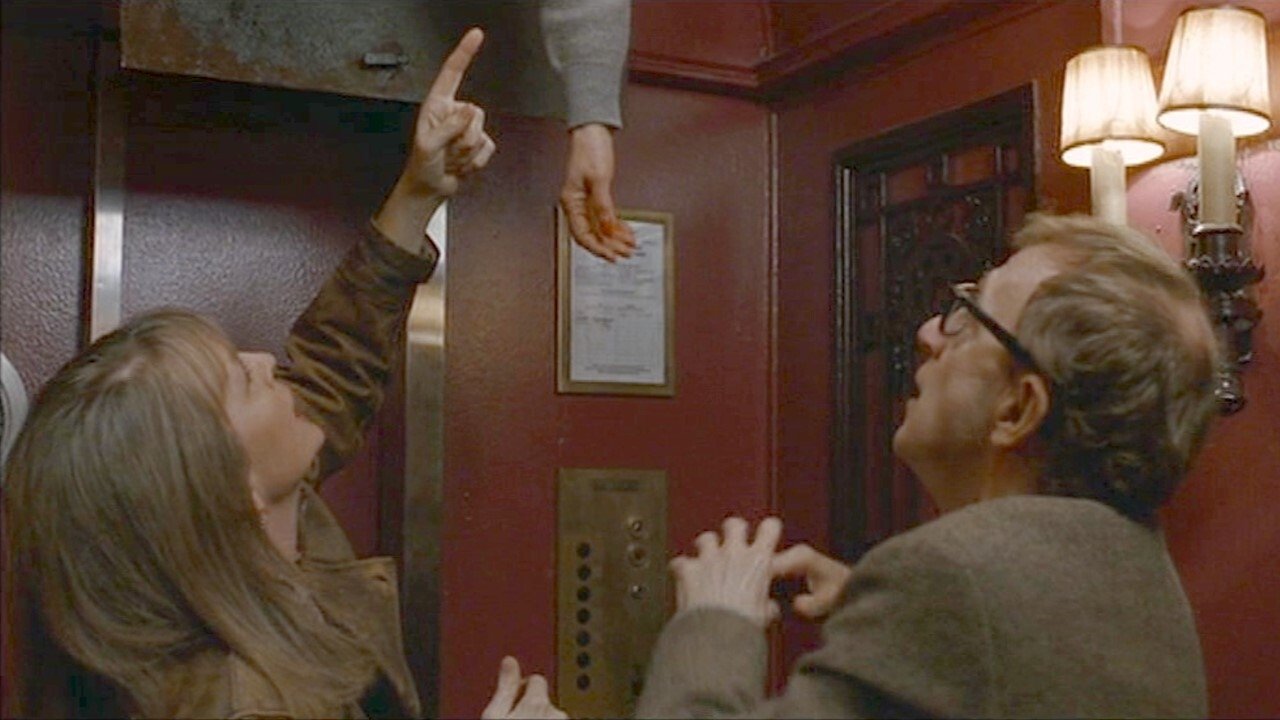
Diane Keaton is the absolute engine of this movie. While Woody Allen plays his usual hyper-verbal, "I-don't-want-to-get-involved" persona, Keaton leans into a frantic, investigative glee that is infectious. Seeing her sneak around back hallways and concoct elaborate sting operations is a reminder that she is one of the greatest physical comedians of her generation. Her timing isn't just in her speech; it’s in the way she clutches a shoulder bag or peers through a cracked door. She makes being a nosy neighbor look like a high-calling profession.
A Hitchcockian Playground in Manhattan
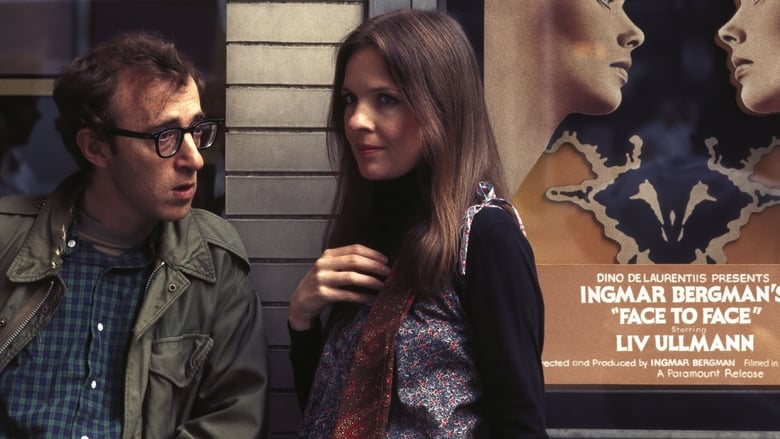
The film is essentially a love letter to Rear Window, but stripped of the voyeuristic darkness and replaced with a chaotic, 90s-indie sensibility. Woody Allen and co-writer Marshall Brickman (the same duo behind Annie Hall) actually pulled the bones of this script from early drafts of Annie Hall, which originally featured a murder mystery subplot. You can feel that vintage wit in every frame.
What surprises me most about rewatching this today is the cinematography. Carlo Di Palma (who also shot Hannah and Her Sisters) uses a restless, handheld camera that was quite jarring for mainstream comedies at the time. It gives the film a "you are there" jitteriness that perfectly matches Carol’s amateur sleuthing. It feels less like a polished Hollywood production and more like you’re tagging along with two people who are spectacularly unqualified to solve a crime.
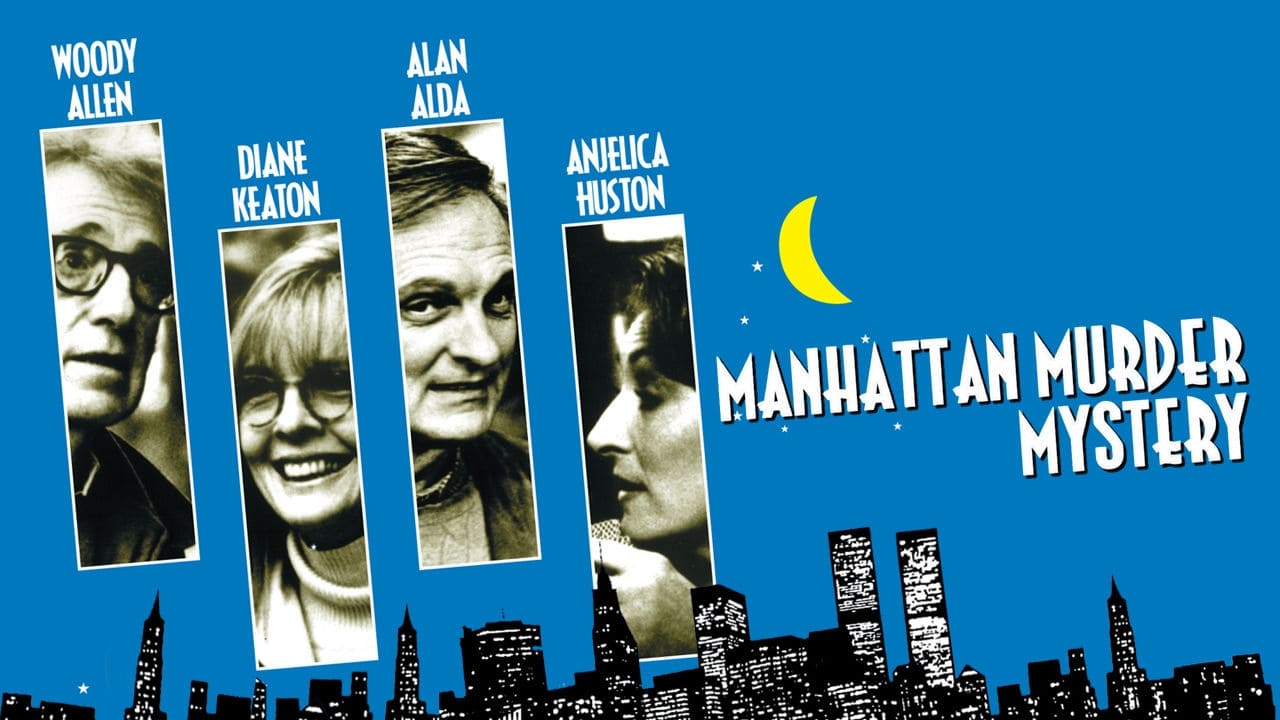
The supporting cast is an embarrassment of riches. Alan Alda plays Ted, the "other man" friend who encourages Carol’s suspicions (mostly because he’s in love with her), and Anjelica Huston shows up as Marcia Fox, a brilliant poker player who eventually lends her tactical mind to the investigation. The four of them bickering over a tape recorder or trying to stage a fake phone call is peak ensemble comedy. It captures that 1990s "adult comedy" vibe—movies where people actually talked to each other in complete, witty sentences before the genre was swallowed whole by slapstick and gross-out gags.
Why This Gem Got Left Behind
Looking back, it’s easy to see why Manhattan Murder Mystery didn’t set the world on fire in ’93. It was released right in the eye of the storm of Woody Allen’s highly publicized personal scandals involving Mia Farrow. Audiences were understandably conflicted, and the film—originally intended to star Farrow—became a bit of a cultural footnote. It’s a shame, because, purely as a piece of craft, it’s a masterclass in pacing.
The final act, which pays homage to Orson Welles’ The Lady from Shanghai with a hall-of-mirrors shootout, is a genuine thrill. It manages to be both a legitimate mystery and a hilarious farce simultaneously. It also serves as a time capsule of a pre-digital Manhattan. There are no cell phones to bail them out, no Google to look up suspects—just payphones, cassette tapes, and the sheer audacity of walking into a neighbor’s apartment because the door happened to be unlocked.
This is the kind of movie I miss most: a mid-budget, high-intelligence comedy that trusts its audience to keep up with the references. It doesn't need explosions or life-changing stakes; it just needs a suspicious neighbor and a couple that can't stop talking. If you've overlooked this one because of the baggage attached to its director or because it seems like a "minor" work, do yourself a favor and dive in. It’s a reminder that sometimes the best way to spice up a marriage isn’t therapy—it’s a little bit of light breaking-and-entering.

Keep Exploring...
-
Deconstructing Harry
1997
-
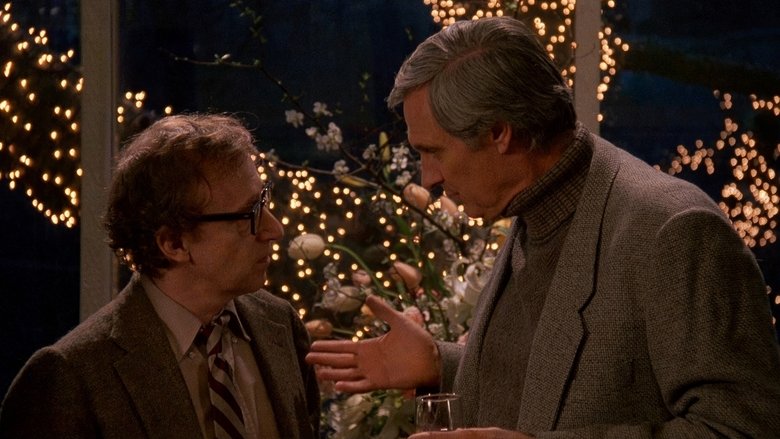
Crimes and Misdemeanors
1989
-
Scoop
2006
-
Whatever Works
2009
-
Zelig
1983
-
Midnight in Paris
2011
-
To Rome with Love
2012
-
Magic in the Moonlight
2014
-
Manhattan
1979
-
You Will Meet a Tall Dark Stranger
2010
-
The Player
1992
-
Love and Death
1975
-
Annie Hall
1977
-
The Purple Rose of Cairo
1985
-
Hannah and Her Sisters
1986
-
Everything You Always Wanted to Know About Sex *But Were Afraid to Ask
1972
-
Broken Flowers
2005
-
Three Colors: White
1994
-
Father of the Bride
1991
-
Ace Ventura: Pet Detective
1994