Ocean Waves
"High school heartbreaks never really stay in the past."
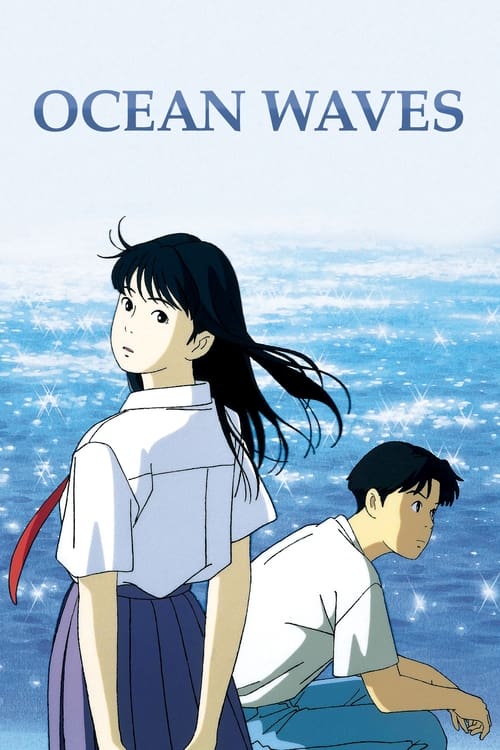
Standing on a train platform in the middle of a Tokyo rush hour, catching a glimpse of someone who looks exactly like the person you tried to forget three years ago, is a specific kind of internal earthquake. Most Studio Ghibli films deal in the currency of the extraordinary—cat-buses, moving castles, or forest spirits—but Ocean Waves (or Umi ga Kikoeru) is interested in a much more terrifying magic: the messy, uncoordinated, and often frustrating reality of being seventeen. It’s a film that arrived on Japanese television in 1993 and then essentially vanished from the Western consciousness for decades, making it the ultimate "hidden level" for Ghibli completionists.
The Ghibli B-Side
I watched this for the third time yesterday while drinking a lukewarm orange soda that had gone completely flat, and honestly, the lack of carbonation felt like the perfect sensory accompaniment to the film’s humid, slow-burn energy. Unlike the sweeping epics directed by Hayao Miyazaki or the soul-crushing weight of Isao Takahata’s work, Ocean Waves was the studio's attempt to let the "younger generation" take the wheel. Director Tomomi Mochizuki was brought in to lead a team of rising stars, and the result is a movie that feels like a diary entry rather than a fairy tale.
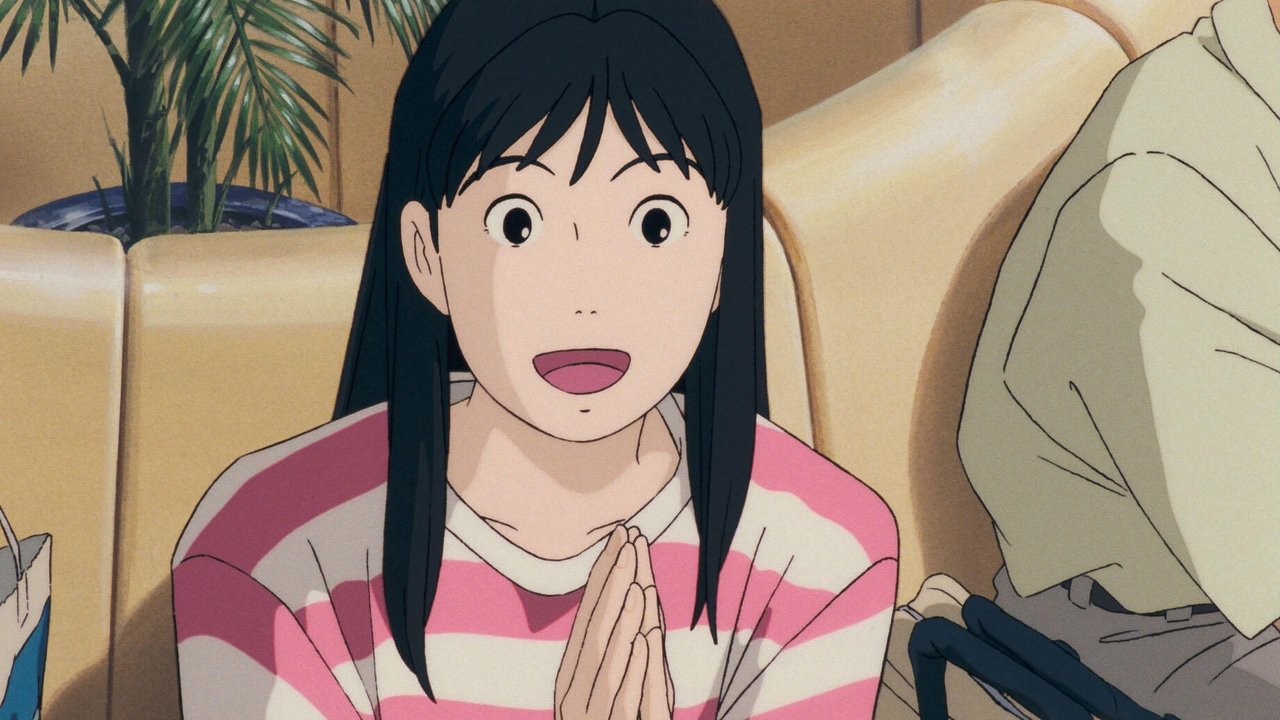
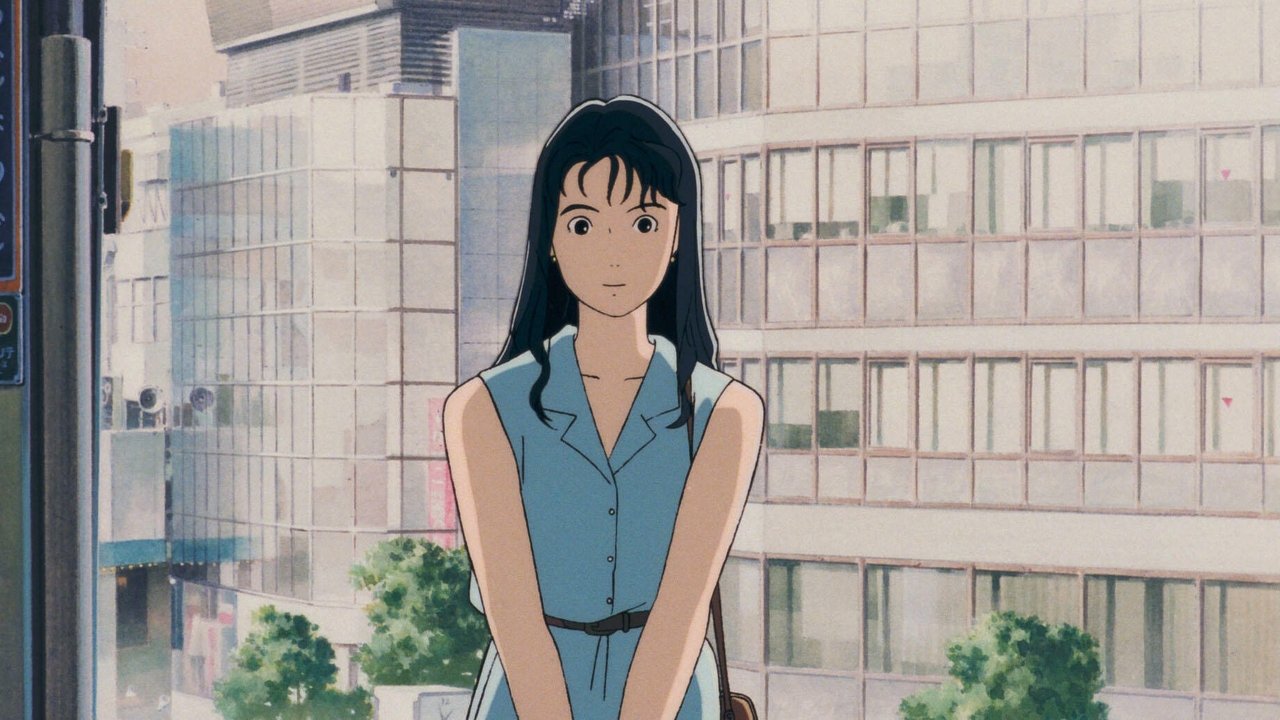
The story follows Taku Morisaki (Nobuo Tobita), a level-headed kid in Kōchi who finds his predictable life disrupted by the arrival of Rikako Mutou (Yoko Sakamoto), a transfer student from Tokyo. Rikako is beautiful, arrogant, and clearly hates being stuck in a "backwater" town. She’s also a master manipulator. When she drags Taku into her personal drama—including a spontaneous trip to Tokyo funded by borrowed money—the film settles into a rhythm of suburban longing and unspoken resentment.
A Masterclass in Adolescent Friction
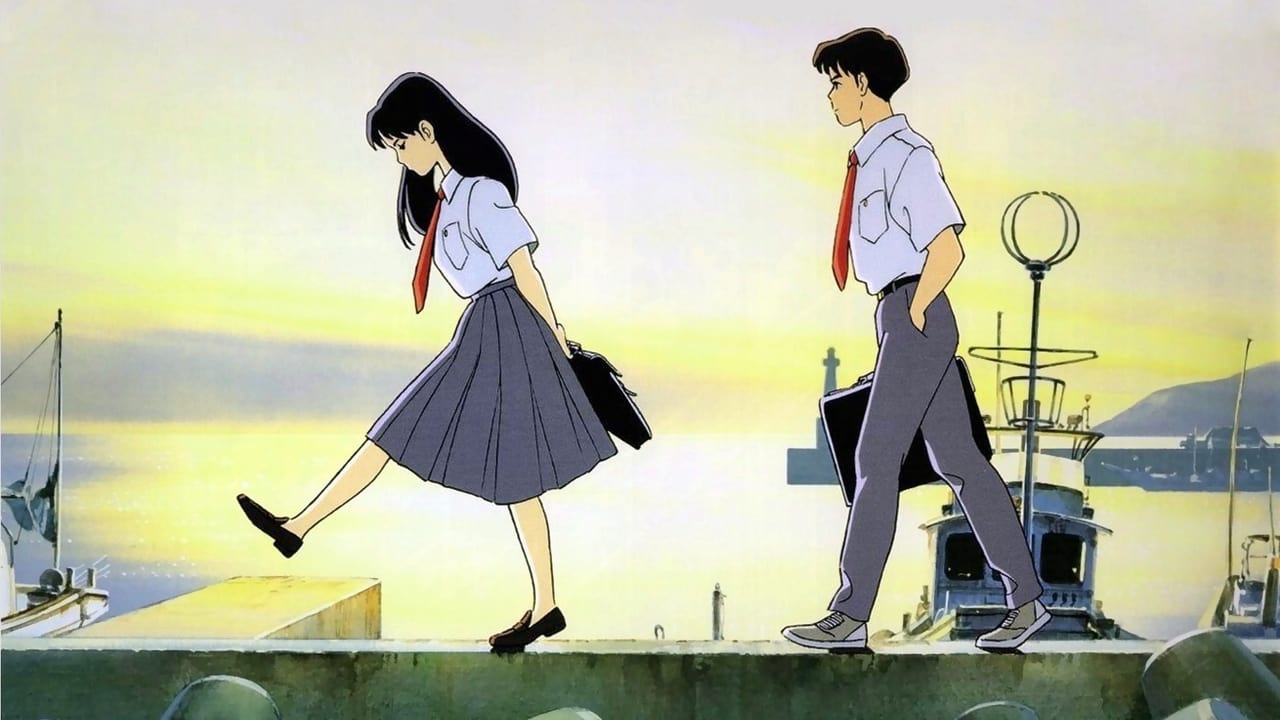
What makes this drama work so well is that it refuses to make its characters particularly likable. In most modern teen romances, the leads are "quirky" or "misunderstood." Here, Rikako Mutou is the most realistic Ghibli protagonist because she’s kind of a nightmare. She uses Taku, lies to her friends, and treats her admirer Yutaka (Toshihiko Seki) with a coldness that is genuinely painful to watch. But that’s the point. Seventeen-year-olds are often selfish, and the film captures that friction without trying to sanitize it for the audience.
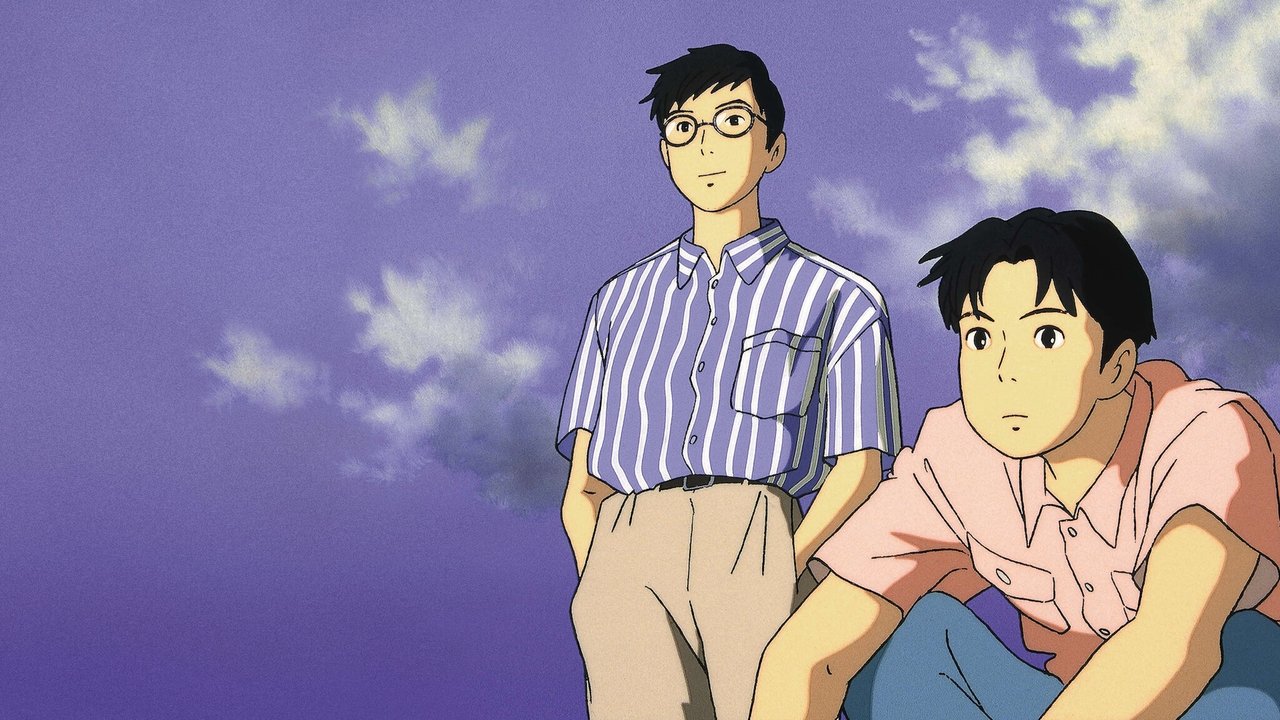
The performances are remarkably restrained. Nobuo Tobita plays Taku with a weary, observational tone that I found myself relating to more now than I did when I first saw this in my early twenties. You can hear the internal sigh in his voice whenever Rikako asks for another "favor." There’s a specific scene involving a slap—actually, several slaps—that feels more shocking than any explosion in a blockbuster because the emotional stakes have been wound so tight. The drama isn't about saving the world; it's about the humiliation of being seen as "just a friend" and the awkwardness of a school reunion where no one knows quite what to say.
The TV Movie That Almost Broke the Studio
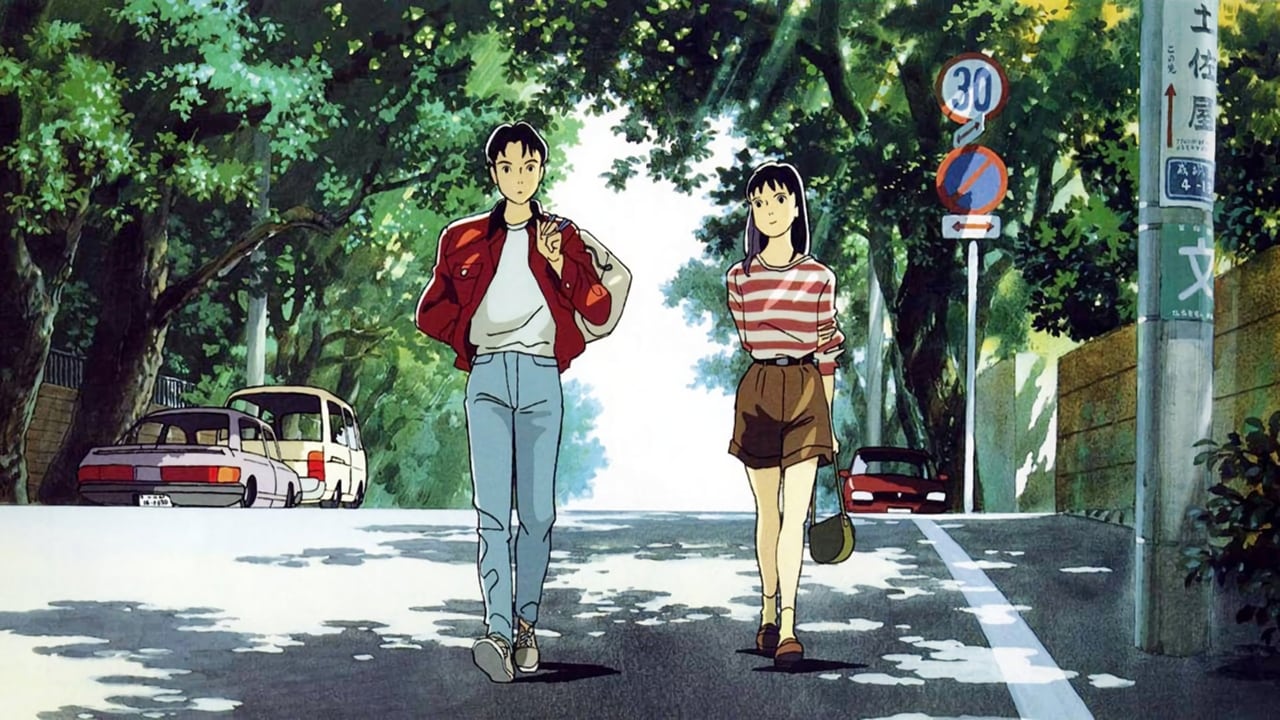
Looking back at the production, it’s a bit of a miracle the film exists at all. It was supposed to be a "quick and cheap" project for the younger staff to gain experience, but in true Ghibli fashion, they blew past the deadline and the budget. Tomomi Mochizuki reportedly worked himself so hard he developed a peptic ulcer and ended up in the hospital. You can see that obsessive detail in the background art—the way the light hits the waves in Kōchi or the specific neon hum of a 1990s Tokyo hotel room.
This was a transitional era for the industry. While the 90s saw the rise of the CGI revolution with films like Jurassic Park, Ocean Waves was a stubborn holdout for the beauty of hand-drawn realism. It’s a "talky" movie, the kind of indie-leaning drama that usually gets lost in the shuffle of big-budget animation. It didn't even get an official North American release until 2016, which explains why it’s often left out of the conversation when people rank their favorite Ghibli titles. It lacks the "Disney-fied" polish of the studio's bigger hits, and it’s better for it.
Why This Obscurity Matters
I’ve always felt that the film’s obscurity is partially due to how un-Ghibli it feels. There are no soaring soundtracks by Joe Hisaishi; instead, Shigeru Nagata provides a synth-heavy, slightly melancholic score that screams "90s television drama." It feels like a relic of a very specific moment in time—the transition from the economic bubble of the 80s into the more grounded, anxious decade that followed.
It’s a film about the realization that you can’t ever truly go back to who you were in high school, even if the person who broke your heart is standing right there on the platform. It doesn't offer a clean resolution or a grand romantic gesture. Instead, it gives us a moment of quiet recognition. It’s the cinematic equivalent of finding an old Polaroid in a shoebox; it's a little faded, the edges are curled, and it makes you feel a sharp, sudden ache for a version of yourself that no longer exists.
Ocean Waves is a low-key triumph of character over spectacle. It’s definitely not the first Ghibli film I’d show a newcomer, but for anyone who has ever felt the strange, humid weight of a summer that lasted too long, it’s an essential watch. It captures the jagged edges of growing up with more honesty than almost any other animated film of its era, proving that sometimes the most compelling "other world" to explore is just our own past.
Keep Exploring...
-

Only Yesterday
1991
-
The Lion King II: Simba's Pride
1998
-
Batman: Mask of the Phantasm
1993
-
5 Centimeters per Second
2007
-
Far and Away
1992
-
The Age of Innocence
1993
-

The Piano
1993
-
The Remains of the Day
1993
-
It Could Happen to You
1994
-
Little Women
1994
-
Mary Shelley's Frankenstein
1994
-
Wolf
1994
-
A Goofy Movie
1995
-
A Walk in the Clouds
1995
-
First Knight
1995
-
The Quick and the Dead
1995
-
That Thing You Do!
1996
-
Lolita
1997
-
Sliding Doors
1998
-
Millennium Actress
2002