Philadelphia
"Justice is a process of unlearning."
The opening montage of Jonathan Demme’s Philadelphia isn't just a travelogue of the City of Brotherly Love; it’s a deliberate diagnostic of the American soul in 1993. Set to the haunting, synthesized pulse of Bruce Springsteen’s "Streets of Philadelphia," the camera lingers on the faces of the homeless, the wealthy, and the working class. It tells us, before a single line of dialogue is spoken, that this story isn't just about a courtroom—it’s about the geography of human empathy. I watched this again last night while my neighbor’s car alarm went off for three minutes, and honestly, the rhythmic anxiety of that siren weirdly synced up with the escalating tension of the film’s first act.
In the early 90s, Hollywood was still largely terrified of the AIDS crisis. The "indie film renaissance" was beginning to poke at the edges of the issue, but a major studio production with two of the world's biggest stars? That was a seismic gamble. Looking back, Philadelphia feels like the moment the industry decided to stop looking away. It’s a film that functions as both a high-stakes legal procedural and a philosophical inquiry into what we owe each other as citizens of a supposed democracy.
The Mirror and the Martyr
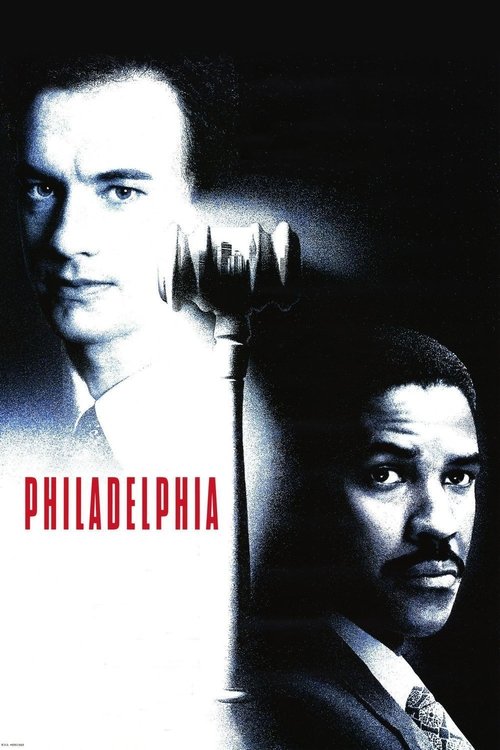
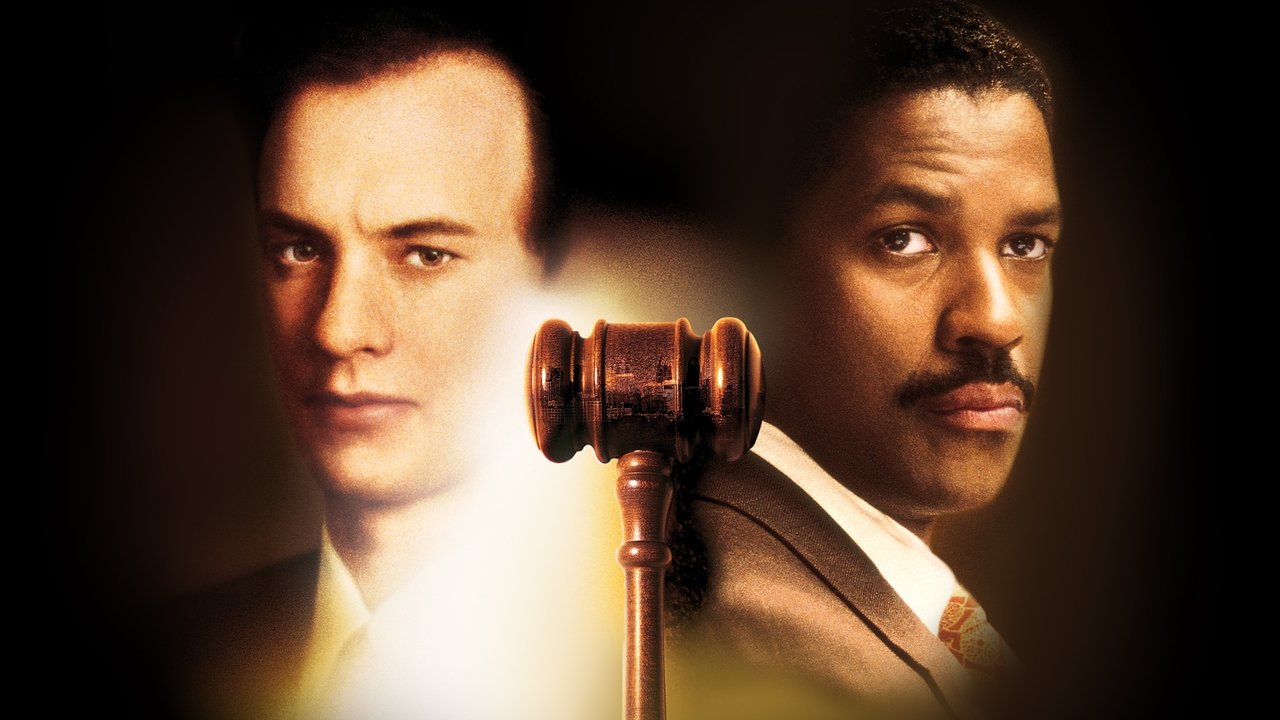
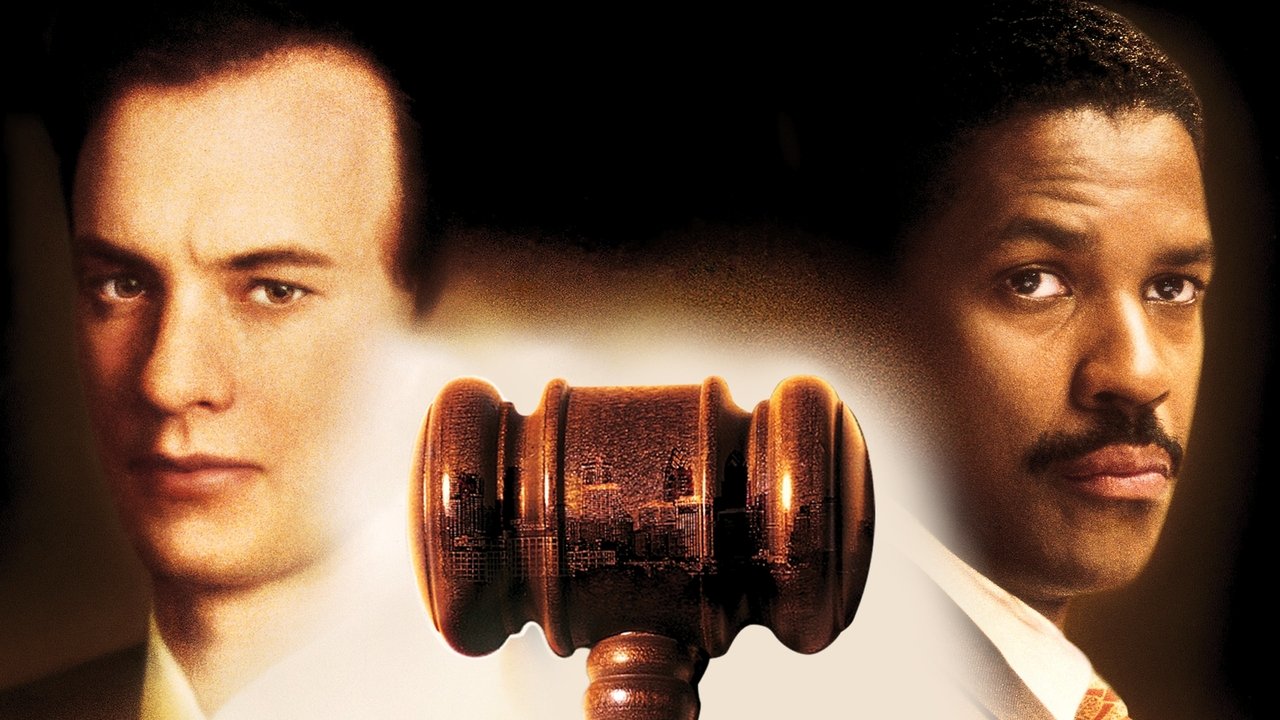
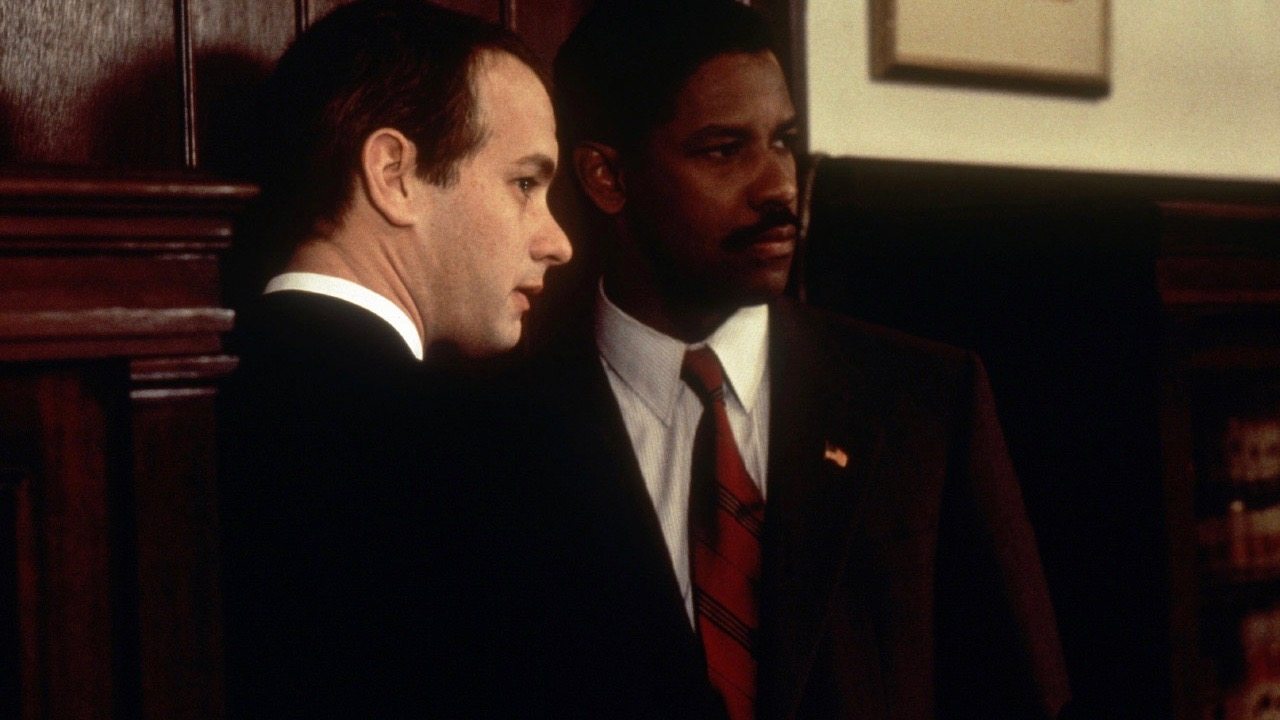
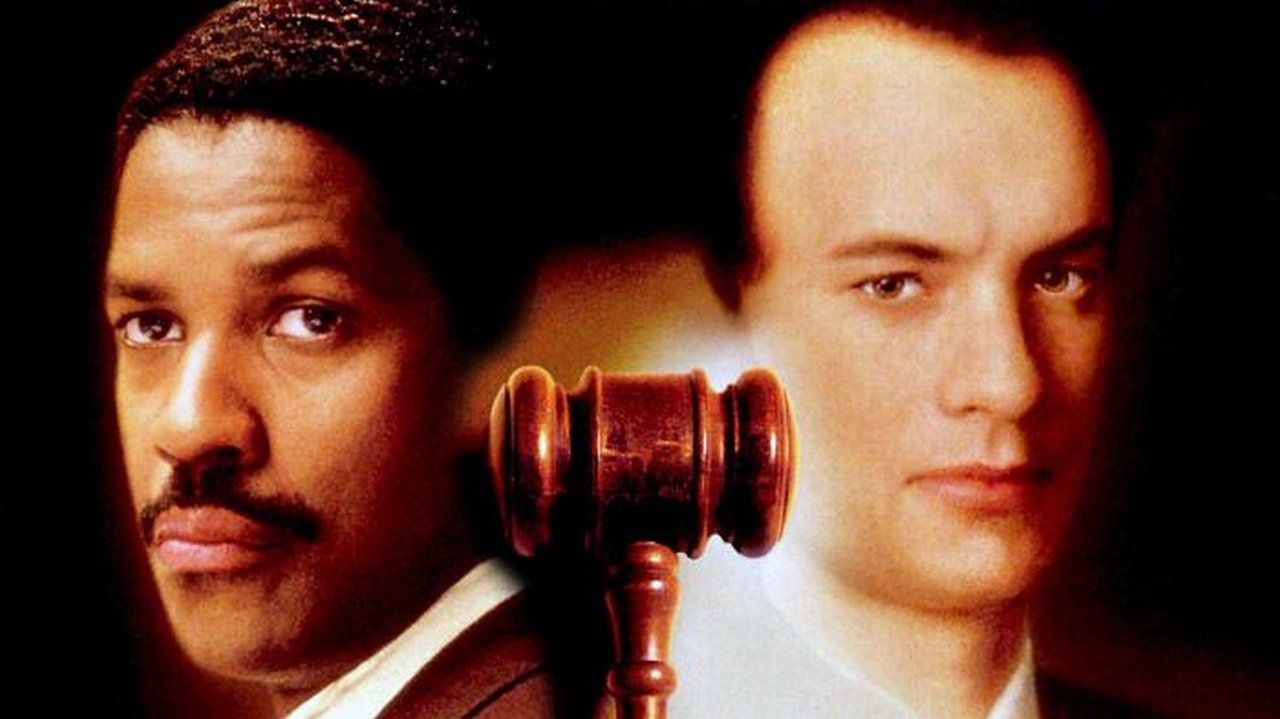
The narrative engine is fueled by two towering performances that define the era. Tom Hanks, shedding his "nice guy" persona from Big and Sleepless in Seattle (1993), underwent a harrowing physical transformation to play Andrew Beckett. It’s easy to focus on the thirty pounds he lost, but the real work is in his eyes—they burn with the indignity of a man who knows his body is failing but refuses to let his mind follow suit. He isn't just a victim; he’s a brilliant legal mind who treats his own case like a closing argument for his existence.
Opposite him is Denzel Washington as Joe Miller. If Beckett is the heart of the film, Miller is its most intellectually challenging component. He is the surrogate for a 1993 audience that likely harbored their own latent homophobia and fears about the virus. Washington is spectacular here because he doesn’t make Miller an easy hero. He plays him as a small-time "ambulance chaser" with big-time prejudices. The film’s most fascinating philosophical thread isn't Beckett’s struggle, but Miller’s evolution. It poses the question: Can the law be a tool for personal redemption? When Miller finally touches Beckett’s hand, it isn't just a gesture of comfort; it’s a radical act of unlearning. He’s basically the human version of a dial-up modem slowly connecting to the concept of basic decency.
Demme’s Unblinking Eye
Jonathan Demme, fresh off the success of The Silence of the Lambs (1991), brought an unexpectedly intimate visual language to a genre usually characterized by mahogany panels and wide shots. He utilizes his signature "subjective camera"—characters looking directly into the lens during dialogue. This isn't just a stylistic quirk; it forces us to confront the characters’ biases. When Jason Robards, playing the patriarchal villain Charles Wheeler, looks into the camera and speaks of "the law," he’s challenging our own definitions of justice.
The film’s centerpiece is the opera scene, where Beckett explains Maria Callas’s "La Mamma Morta" to a bewildered Miller. It’s a bold, cerebral detour from the legal drama. As the room glows in a surreal, blood-red light (kudos to cinematographer Tak Fujimoto), Beckett isn't talking about music; he’s talking about the transcendence of suffering. It’s a moment that asks the viewer to consider if beauty can exist within a decaying shell. It’s arguably the most "un-Hollywood" scene in a major blockbuster of that decade, trading narrative momentum for a deep, philosophical pause.
A Blockbuster with a Conscience
The commercial success of Philadelphia remains a staggering data point. With a modest budget of $26 million, it raked in over $206 million worldwide. To put that in perspective, that’s roughly $450 million in today’s money for a film about a man dying of a stigmatized disease suing his employers. It dominated the cultural conversation, moving the needle on public perception of AIDS more effectively than a thousand PSA campaigns.
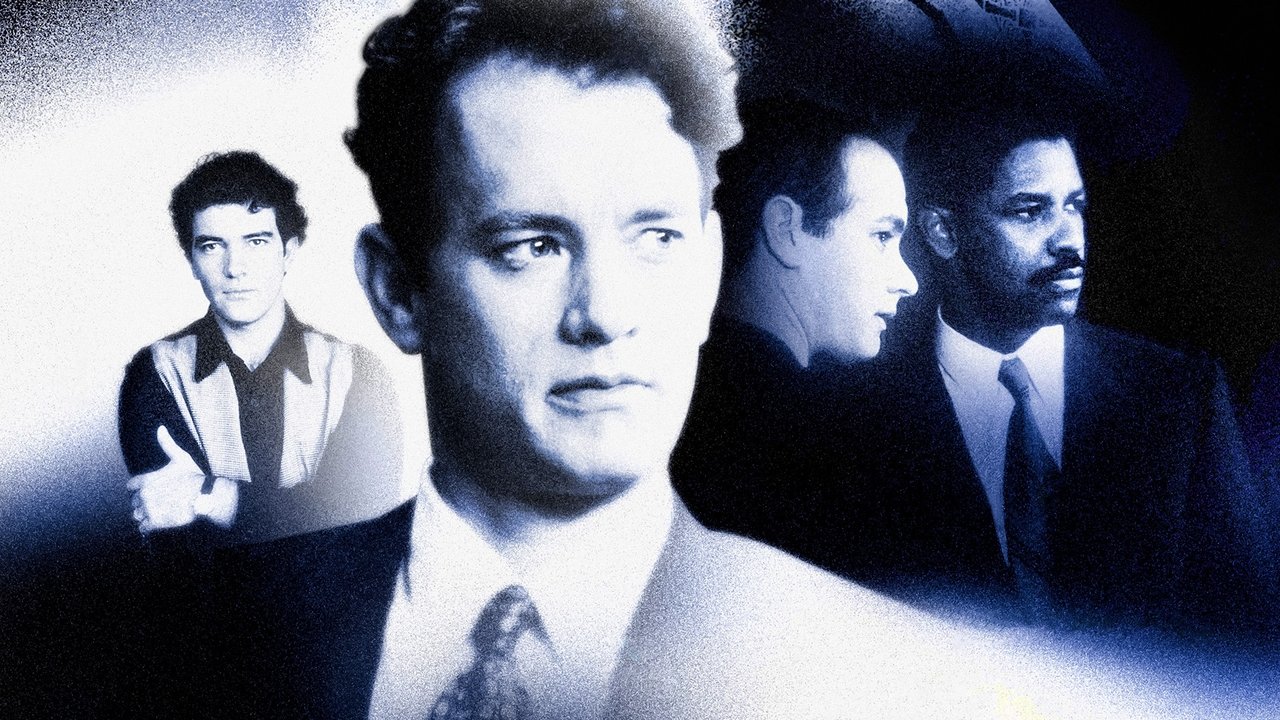
The production didn't shy away from reality, either. Demme famously cast 53 HIV-positive people in various roles; by the time the film was released, many had passed away. This behind-the-scenes reality gives the film a weight that early 90s CGI never could. Even the supporting cast, from Antonio Banderas as Beckett’s loyal partner to Mary Steenburgen as the fierce defense attorney, feels anchored in a world that is messy, unfair, and deeply human. While some of the courtroom "gotcha" moments feel a bit like a product of their time, the central plea for dignity remains startlingly relevant.
Philadelphia is a rare example of a blockbuster that used its massive platform not just to entertain, but to enlighten. It captures a specific cultural anxiety of the 90s—the transition from the greed-is-good 80s to a more socially conscious (if still flawed) millennium. It’s a film that trusts its audience to handle complex moral questions, anchored by two actors at the absolute peak of their powers. It’s a reminder that sometimes the most explosive thing you can put on a cinema screen isn't a fireball or a superhero, but a man demanding to be seen as a human being.
Keep Exploring...
-
The Silence of the Lambs
1991
-
A Few Good Men
1992
-
A League of Their Own
1992
-
The Bridges of Madison County
1995
-
Apollo 13
1995
-

What's Eating Gilbert Grape
1993
-
That Thing You Do!
1996
-
Remember the Titans
2000
-
The Passion of the Christ
2004
-
Brokeback Mountain
2005
-
Apocalypto
2006
-

Little Miss Sunshine
2006
-
The Reader
2008
-
Awakenings
1990
-
Malcolm X
1992
-
My Cousin Vinny
1992
-
Scent of a Woman
1992
-
A Little Princess
1995
-
Boogie Nights
1997
-
Selena
1997