Schindler's List
"A flickering candle in history's darkest corridor."
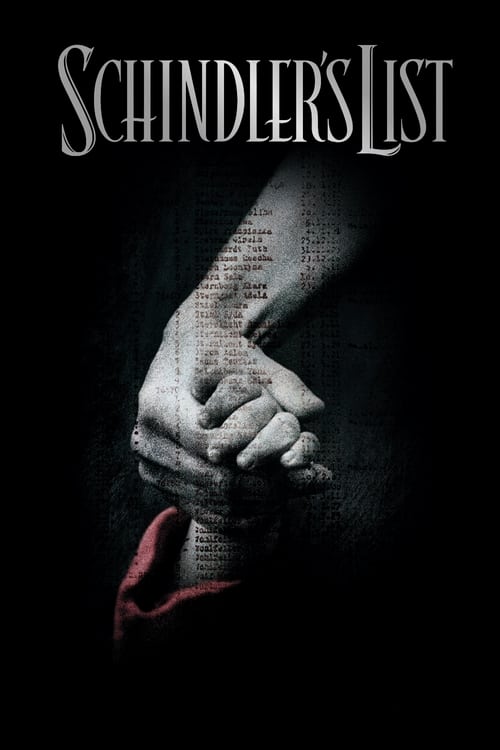
In the summer of 1993, Steven Spielberg was the king of the world, but he was a king with a split personality. While audiences were screaming at a T-Rex in Jurassic Park, Spielberg was spending his evenings in a cold trailer in Poland, reviewing footage for a project that felt less like a movie and more like a soul-shattering obligation. It’s wild to think that the most successful popcorn-munching blockbuster and the most devastating historical document of the decade came from the same brain within six months of each other.
I’ll never forget watching this on a scratched-up DVD in a college dorm room where the heater was stuck on high. Despite the sweltering 85-degree room, I was shivering. That is the physical effect this film exerts; it’s a three-hour descent into a freezer of human cruelty, illuminated only by the frantic, desperate survivalism of a man who was, by all accounts, a bit of a cad.
The Profit and the Penance
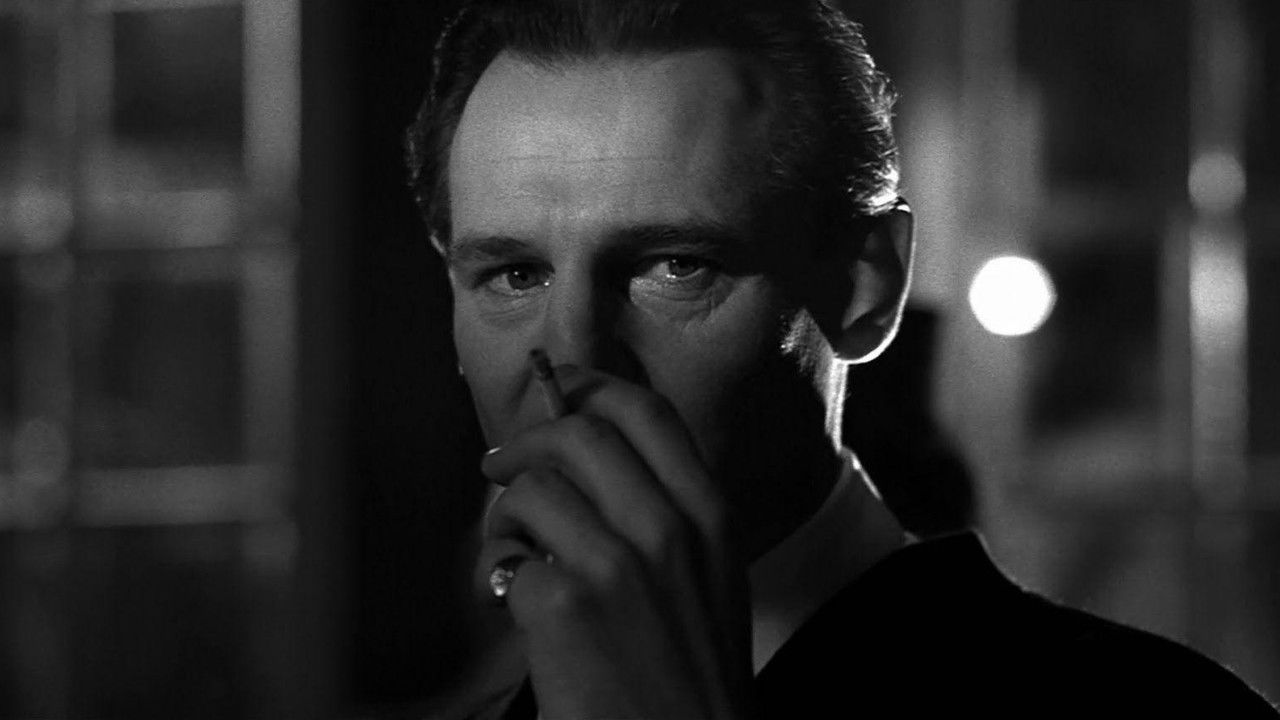
We often talk about "prestige" cinema as something stuffy or academic, but Schindler's List feels dangerously alive. Liam Neeson gives a performance that serves as a masterclass in the "slow-burn conscience." At the start, his Oskar Schindler is a war profiteer with a silver tongue and a penchant for expensive silk. He isn't there to save lives; he’s there to make a killing off a killing. Seeing Neeson navigate that moral swamp—moving from exploitative businessman to a man who would trade his car for a single human life—is one of the most earned character arcs in film history.
Opposite him, Ben Kingsley provides the film’s quiet, rhythmic heartbeat as Itzhak Stern. Kingsley plays Stern with a terrifyingly fragile dignity. He is the one holding the ledger, and in his hands, a typewriter becomes a more powerful weapon than any Mauser rifle. Then there is Ralph Fiennes as Amon Goeth. If you want to talk about the "banality of evil," Fiennes embodies it by making Goeth feel like a petulant, hungover child who just happens to have the power of life and death. He doesn't play Goeth as a monster; he plays him as a man, which is infinitely more disturbing than any slasher villain.
Shadows and the Speck of Red
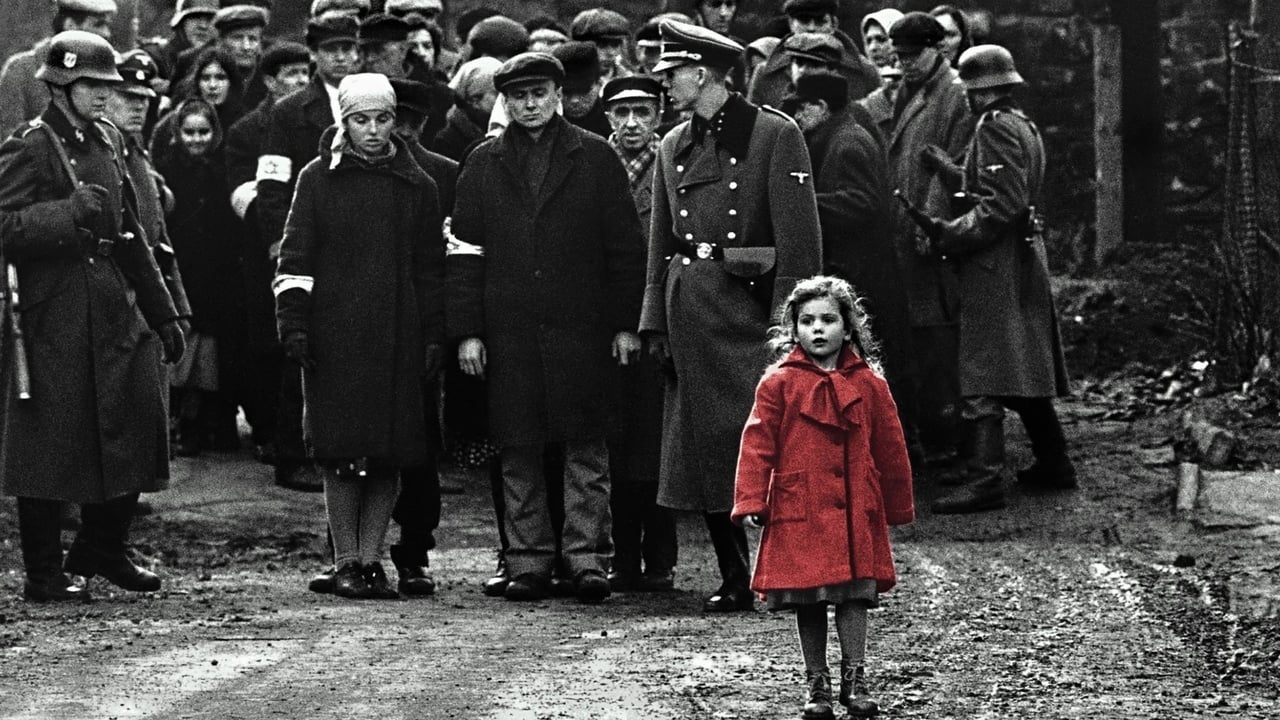
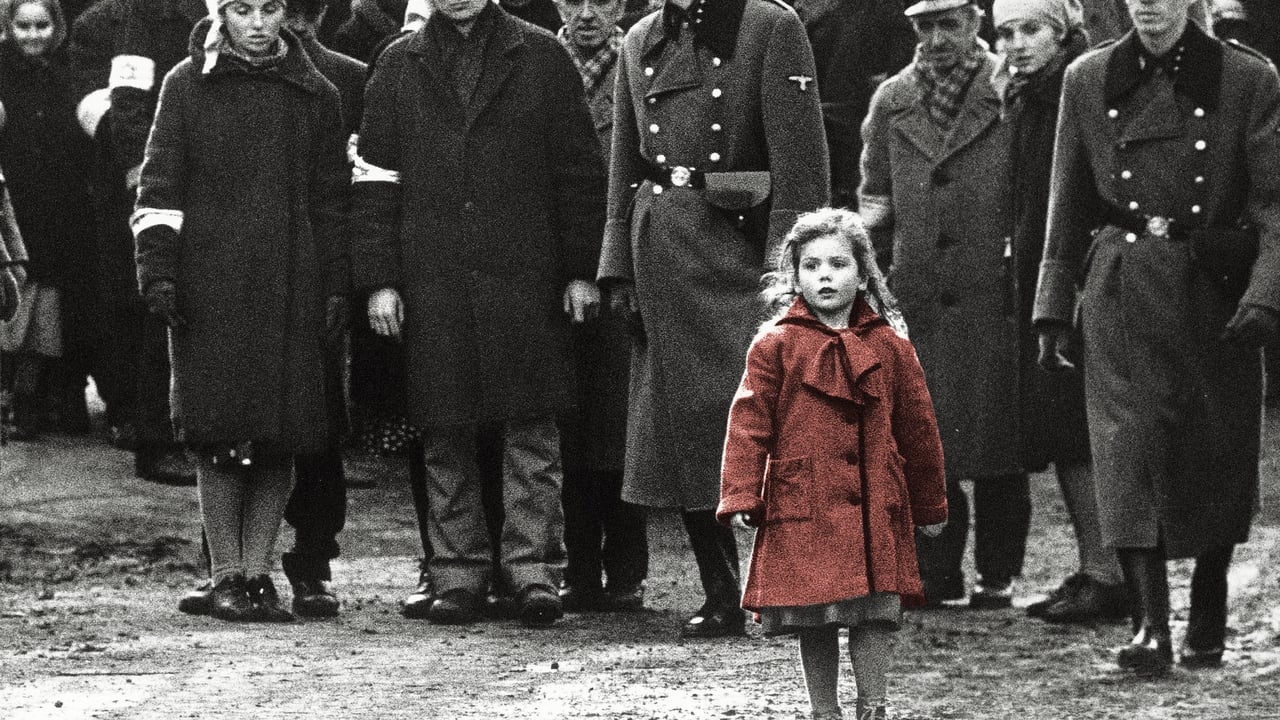
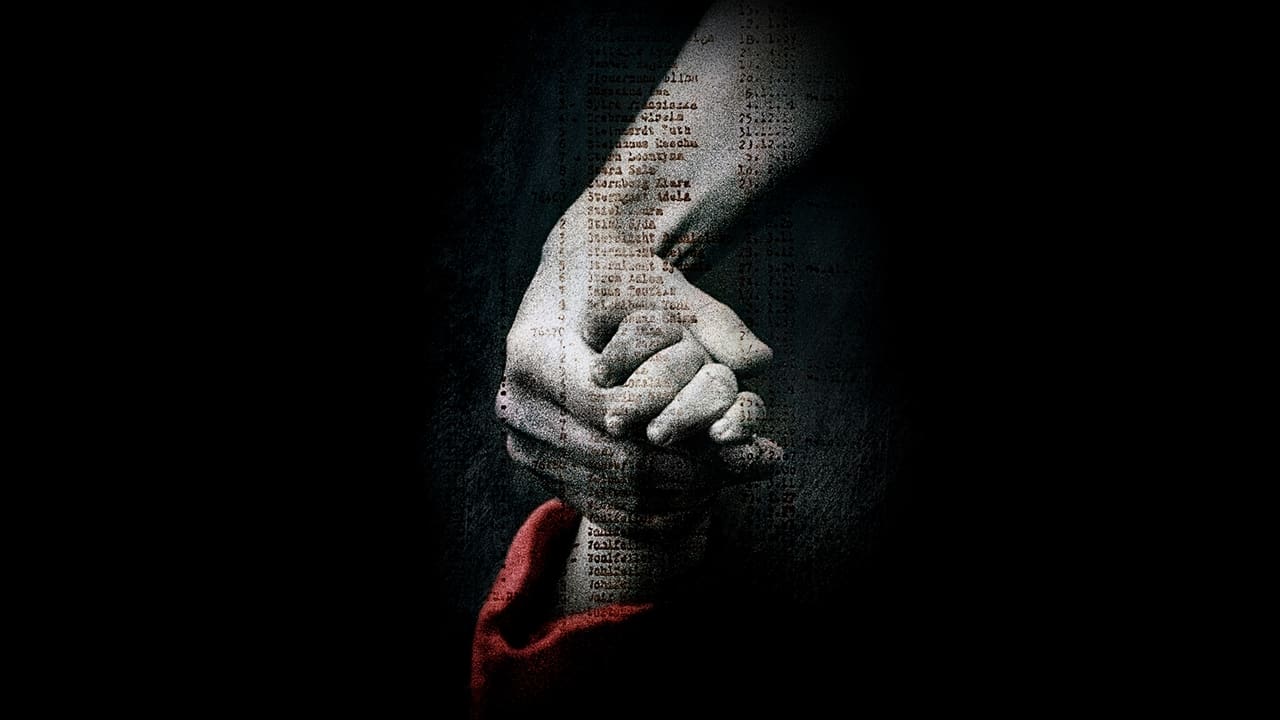
The decision to shoot in black and white wasn't just a stylistic "prestige" choice; it was a psychological one. Janusz Kamiński (who would become Spielberg's go-to cinematographer) uses a high-contrast, almost documentary-style handheld approach that strips away the Hollywood gloss. It makes the 1940s feel like they’re happening now. When the color finally breaks—the famous "Girl in the Red Coat"—it hits like a physical blow to the chest. It’s a moment of focused humanity in a sea of grayscale chaos, and it’s the moment Schindler (and the audience) can no longer pretend the horror is just "the cost of doing business."
There’s a specific weight to the sound design here, too. John Williams ditched the triumphalism of Star Wars for a haunting, violin-led score that feels like a mourning prayer. It’s a reminder that while the 90s was the era of the "Indie Renaissance" and the "CGI Revolution," the greatest tools in a filmmaker's kit are still just light, shadow, and a melody that refuses to leave your head.
The Burden of Authenticity
The behind-the-scenes reality of this production adds a layer of gravity that most modern "based on a true story" films lack. Spielberg refused to take a salary for the film, calling it "blood money," and instead funneled the profits into the Shoah Foundation. During the grueling shoot in Kraków, Ralph Fiennes reportedly looked so much like the real Amon Goeth in his uniform that a survivor of the camp, Mila Pfefferberg, actually shook with fear when she met him on set.
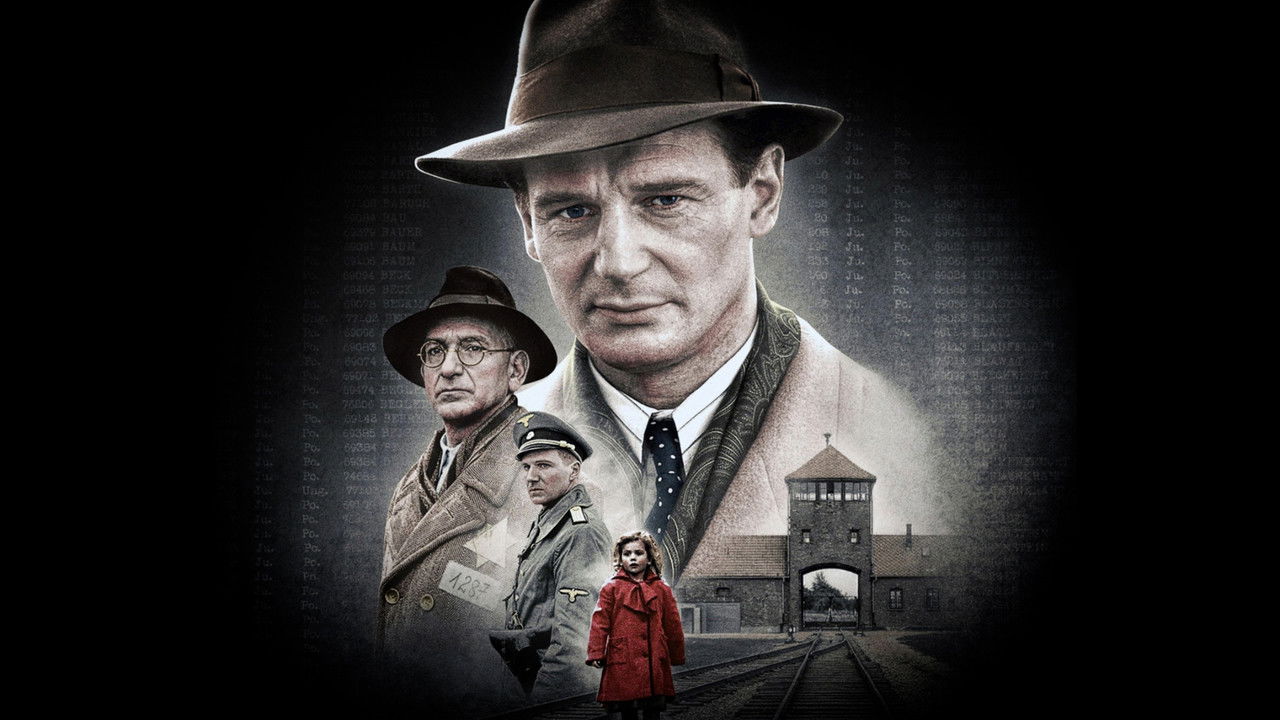
It’s also worth noting the sheer logistical nightmare of filming near Auschwitz. The production wasn't allowed inside the actual camps out of respect for the victims, so they built a mirror-image set just outside the gates. This commitment to physical space—to the actual dirt and cold of Poland—gives the film a texture that no amount of modern green-screen could ever replicate. It feels less like a set and more like a haunting.
This isn't a film you "enjoy" in the traditional sense, but it is one you experience with every fiber of your being. It captures the 90s' peak obsession with historical reckoning before the era of digital de-aging and sanitization took over. It’s a grueling, three-hour test of empathy that manages to find a sliver of hope in the most scorched earth imaginable. If you haven't seen it, or haven't revisited it since the days of two-disc DVD sets, it remains the definitive proof that Spielberg isn't just a dream-maker—he's a truth-teller.
Keep Exploring...
-
Saving Private Ryan
1998
-

Braveheart
1995
-

The Imitation Game
2014
-
Downfall
2004
-
Catch Me If You Can
2002
-
Hotel Rwanda
2004
-
The Boy in the Striped Pyjamas
2008
-

The Wind Rises
2013
-
Empire of the Sun
1987
-
Munich
2005
-
Barry Lyndon
1975
-
JFK
1991
-
The Pianist
2002
-
Inglourious Basterds
2009
-
Incendies
2010
-
The Thin Red Line
1998
-

War Horse
2011
-
Hacksaw Ridge
2016
-
1917
2019
-
GoodFellas
1990