Sister Act 2: Back in the Habit
"High notes, higher stakes, and Whoopi’s biggest payday."

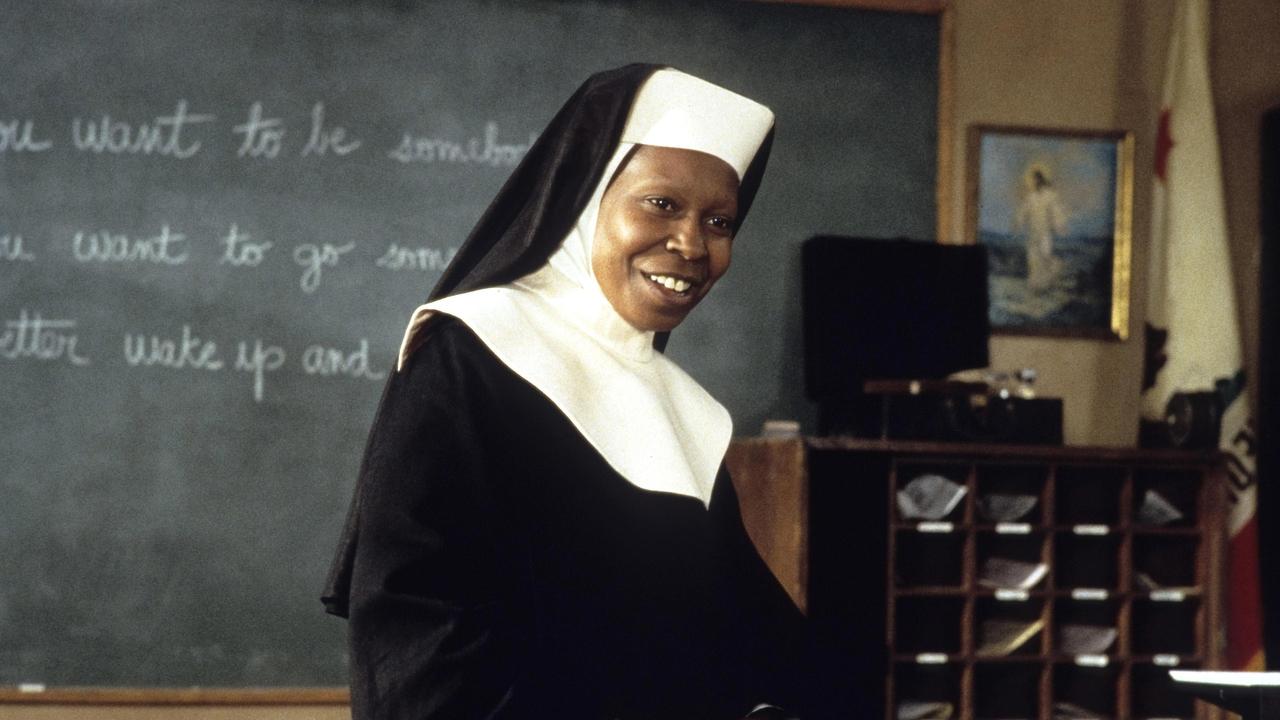
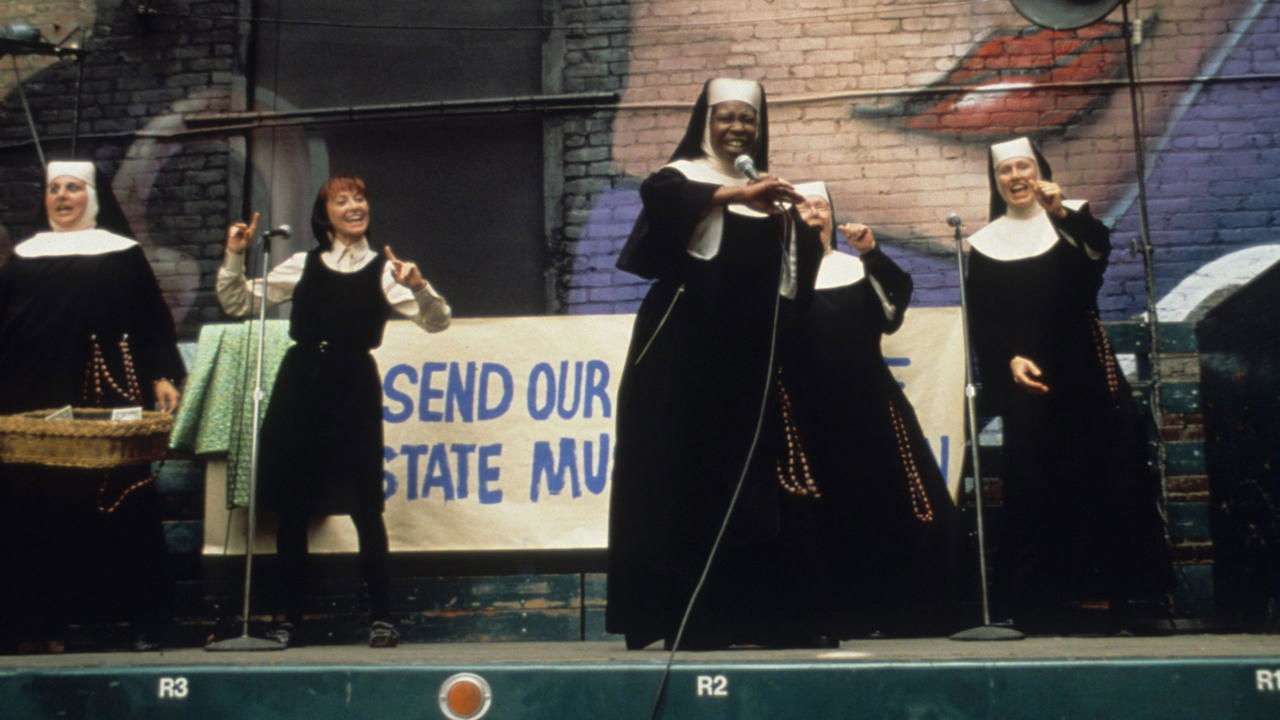
Most sequels feel like a victory lap, but Sister Act 2: Back in the Habit feels like a dare that someone actually followed through on. In 1993, Disney was desperate to turn the surprise $231 million success of the original into a franchise. The problem? Whoopi Goldberg wasn't interested. To get her back into the wimple, the studio reportedly agreed to finance her passion project, Sarafina!, and cut her a check for roughly $12 million—making her the highest-paid actress in Hollywood at the time. I watched this re-release recently while nursing a lukewarm cup of peppermint tea that had a single, lonely ant floating in it, and honestly, that slightly bitter, unexpected experience matches the movie’s vibe perfectly. It’s a sequel that shouldn't work, often doesn't, yet remains weirdly magnetic.
From Reno Mobsters to Inner-City Blues
The first Sister Act was a classic fish-out-of-water mob comedy. The sequel, however, makes a hard pivot into the "inspirational teacher" subgenre, essentially becoming Stand and Deliver with more sequins. We find Deloris Van Cartier headlining in Vegas before being recruited by Maggie Smith’s Mother Superior (who is looking increasingly tired of everyone’s nonsense) to save St. Francis Academy. The school is a crumbling wreck slated for closure by an unscrupulous local authority figure played by Barnard Hughes, and apparently, the only thing that can stop the wrecking ball is a high school choir winning a state championship.
What’s fascinating is the choice of director. Bill Duke, known for the gritty crime drama Deep Cover and for being the guy who got "chopped" in Predator, seems like an odd fit for a PG family comedy. Yet, his influence is felt in the movie’s aesthetic. It’s grittier than the first one—lots of urban decay, graffiti, and a genuine attempt to engage with the "troubled youth" trope of the early 90s. While the plot is as predictable as a metronome in a clock shop, Duke manages to squeeze some actual heart out of the saccharine script.
The Birth of a Legend: Lauryn Hill
If this film is remembered for anything today, it isn't the returning cast (though Kathy Najimy is still a delight, vibrating with a manic, holy energy). It is the cinematic debut of a teenage Lauryn Hill. Long before The Miseducation of Lauryn Hill changed the landscape of R&B, she was here as Rita Louise Watson, the rebellious student with a voice that could crack a stained-glass window.
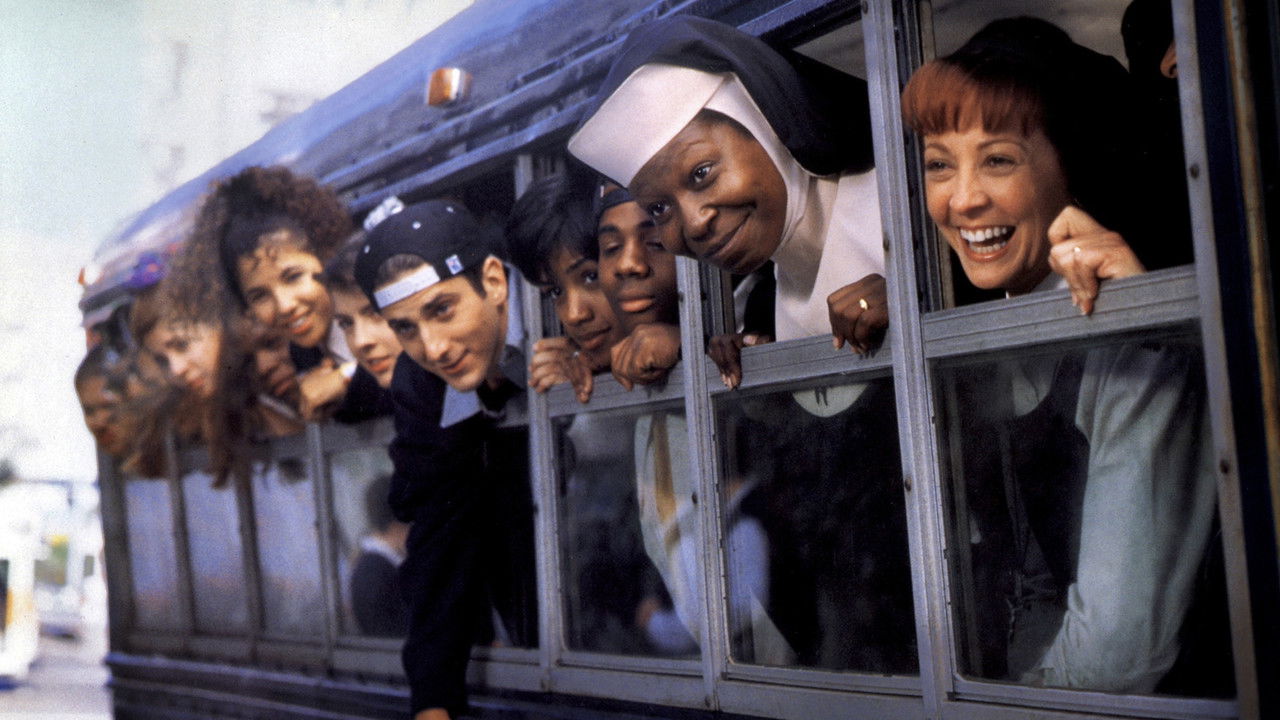
The conflict between Rita and her mother, played by the formidable Sheryl Lee Ralph (long before her Abbott Elementary fame), provides the film's only real emotional weight. When Hill sings "His Eye Is on the Sparrow" in a casual classroom setting, the movie transcends its "sequel-by-numbers" origins. It’s a raw, star-is-born moment that makes the rest of the movie look like a high-budget church pageant. Her talent is so overwhelming that it almost unbalances the film; you stop caring about Deloris’s Vegas career and just want to hear this kid sing for another ninety minutes.
The 90s Time Capsule
Looking back, Sister Act 2 is a glorious relic of the transition from the analog 80s to the digital 90s. The fashion is a peak-90s fever dream of oversized denim, backwards caps, and windbreakers that make a "swish-swish" sound every time someone moves. It’s a film that reflects a specific era of "wholesome" urban storytelling before the cynicism of the late 90s took over.
The finale, featuring the choir’s rendition of "Joyful, Joyful," is arguably one of the most iconic musical sequences of the decade. It perfectly captures that "New Jack Swing" era production—heavy on the programmed drums and choreographed hip-hop dancing. It’s cheesy, yes, but it’s performed with such earnestness that you can’t help but tap along. It’s the kind of movie that thrived on the VHS market and basic cable; it’s a "comfort watch" that demands very little of you but offers a high return on nostalgia.
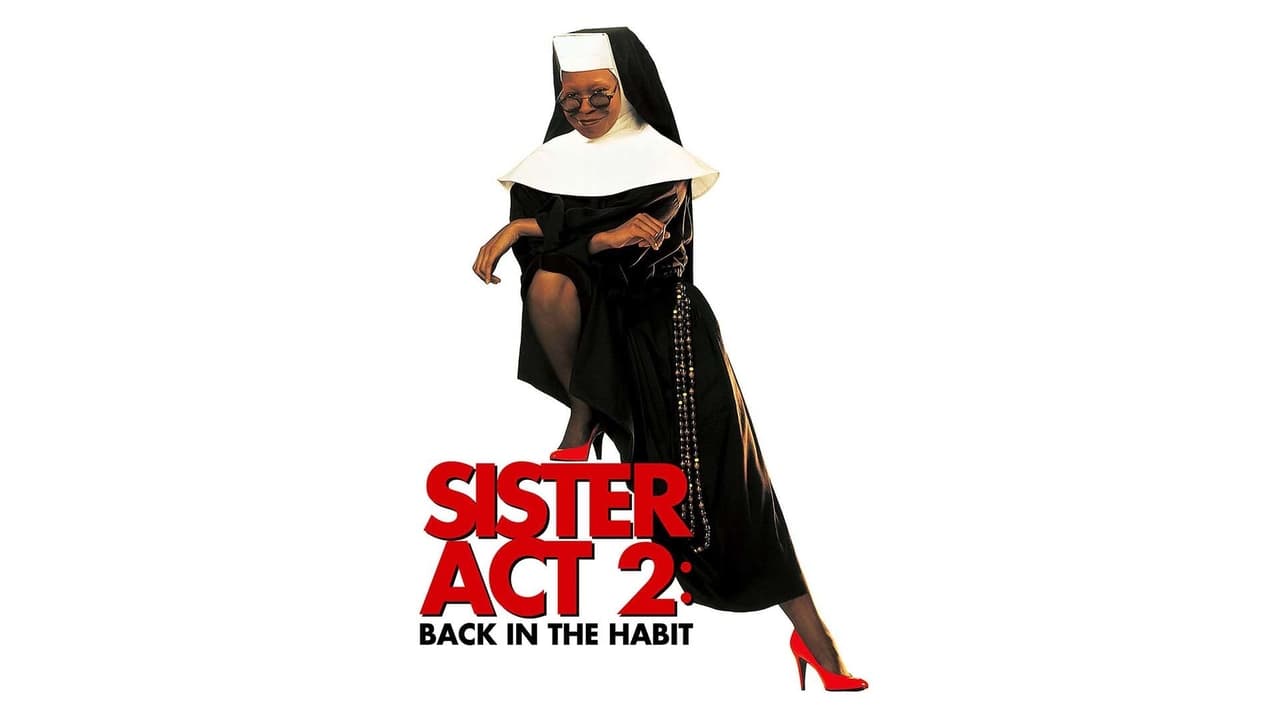
Despite the fact that the screenplay by James Orr and Jim Cruickshank feels like it was assembled from a 'Save the School' starter kit, the chemistry between the nuns and the kids is genuine. The movie doesn't quite have the tight comedic pacing of the original, and the stakes feel somewhat artificial, but it possesses a charm that modern, committee-driven sequels often lack. It’s a mess, but it’s a soulful mess.
Ultimately, Sister Act 2: Back in the Habit is the cinematic equivalent of a box of supermarket donuts. You know exactly what’s in them, they’re probably not "good" for you in an artistic sense, but you’re going to finish the whole box anyway. It’s a film that exists because of a contract, but lives on because of the sheer, undeniable power of its soundtrack and a legendary breakout performance by Lauryn Hill. It’s the kind of sequel that reminds me why we go to the movies—not always for high art, but for that specific, sugary rush of a happy ending and a really good song.
Keep Exploring...
-
Sister Act
1992
-

Nick and Norah's Infinite Playlist
2008
-

Get Him to the Greek
2010
-
Teen Beach Movie
2013
-

Starstruck
2010
-
That Thing You Do!
1996
-

Hudson Hawk
1991
-
Maverick
1994
-

Dick Tracy
1990
-

DuckTales: The Movie - Treasure of the Lost Lamp
1990
-
Bill & Ted's Bogus Journey
1991
-
Teenage Mutant Ninja Turtles II: The Secret of the Ooze
1991
-
Buffy the Vampire Slayer
1992
-
Homeward Bound: The Incredible Journey
1993
-

The Swan Princess
1994
-

A Goofy Movie
1995
-

Mallrats
1995
-
To Die For
1995
-

The Frighteners
1996
-
High Fidelity
2000