Sleepless in Seattle
"A movie about destiny, timing, and very expensive long-distance calls."
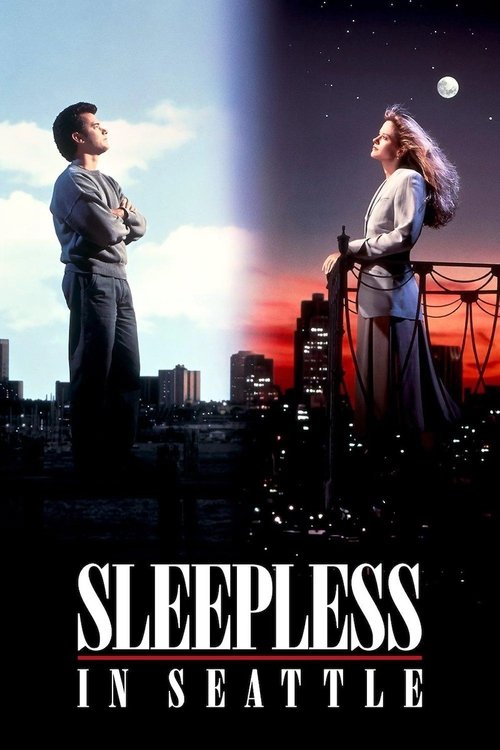
I watched this movie on a rainy Tuesday while wearing one mismatched sock and eating a bowl of cereal that had gone slightly soggy, and honestly, the melancholy of the milk suited the opening act perfectly. There is a specific kind of 1990s magic that Nora Ephron mastered—a blend of high-end real estate, cozy knitwear, and the belief that the universe is actively working to fix your love life.
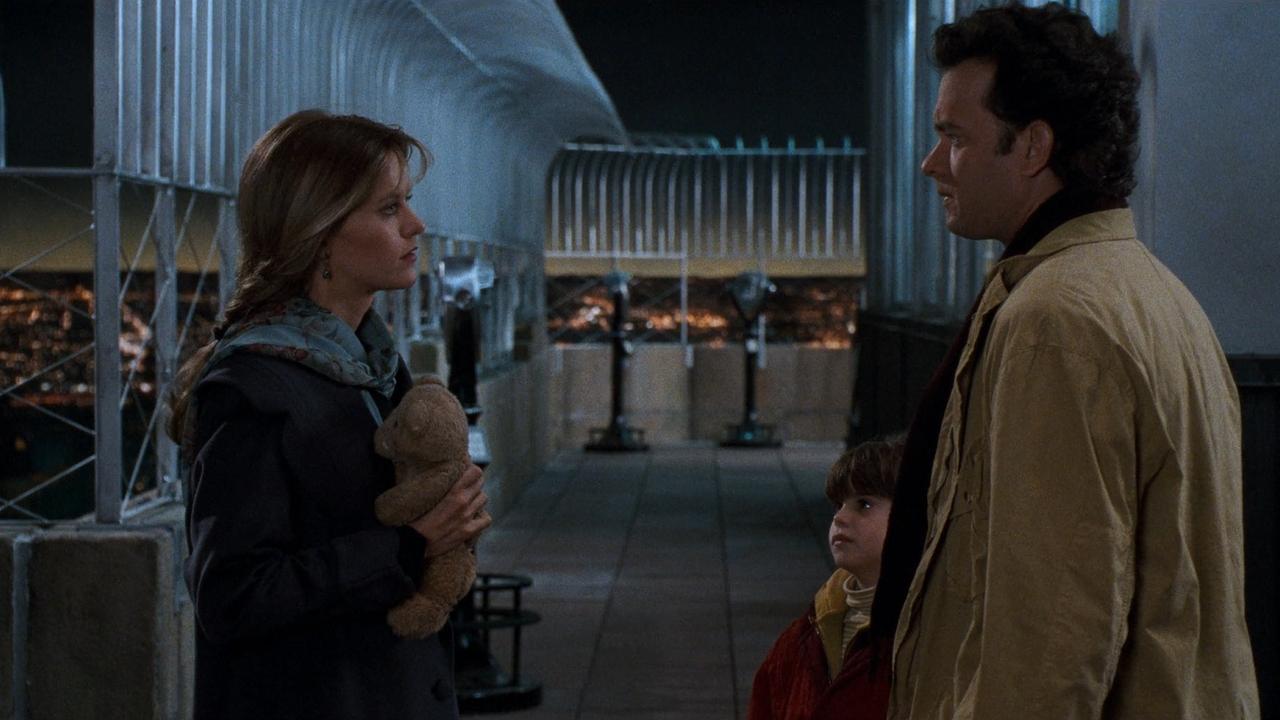
Sleepless in Seattle isn’t just a romantic comedy; it’s a film about the idea of romantic comedies. It’s meta before "meta" was a boardroom buzzword. By constantly referencing An Affair to Remember, Ephron isn't just paying homage; she’s acknowledging that we, the audience, are already primed to believe in the impossible. Looking back at it now, in an era where "meeting cute" has been replaced by "swiping right," the film feels like a beautiful, analog relic. It’s a story that could only exist in that brief window where we had the technology to hear a stranger’s voice across the country, but not the technology to instantly find their Instagram and see what they had for lunch.
The Art of Not Meeting
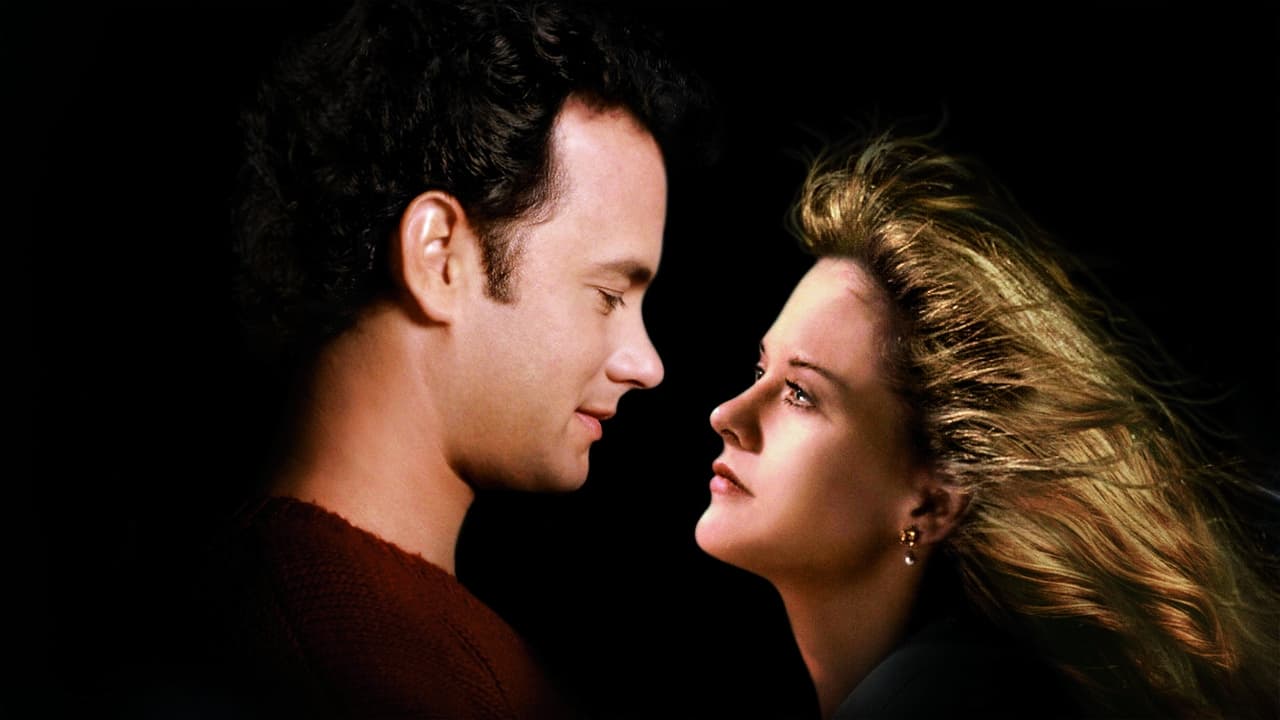
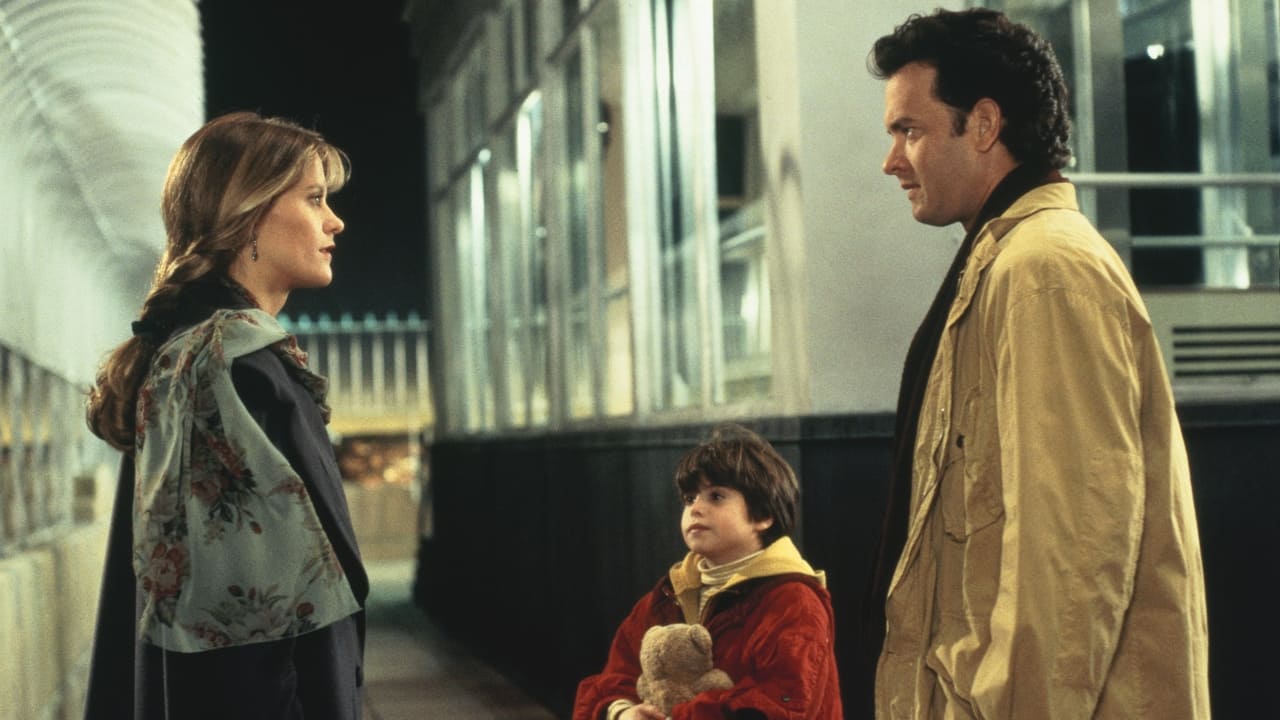
The most daring thing about this script is that Tom Hanks and Meg Ryan share the screen for roughly two minutes. Think about the confidence required to lead a major studio blockbuster with your two stars in separate zip codes for 100 minutes. Tom Hanks, as the grieving widower Sam Baldwin, is at his peak "Everyman" here. This was right before he went on his back-to-back Oscar run, and he possesses a grounded, slightly cranky charm that keeps the movie from drifting into pure sap.
On the other side of the country, Meg Ryan’s Annie Reed is—if we are being honest—effectively a high-functioning stalker who uses her press credentials to commit light felonies. I mean, she hires a private investigator to tail a guy she heard on the radio! In any other decade, this is a psychological thriller. But because it’s Meg Ryan in a Peter Pan collar, it’s "destiny." Her chemistry with Rosie O'Donnell, who plays her editor/best friend Becky, provides the necessary salt to balance the sugar. Their banter feels lived-in, capturing that specific 90s workplace energy where everyone seemed to have infinite time to discuss their personal lives while holding a coffee mug.
The Sacrifice of the "Nice Guy"
We have to talk about Bill Pullman as Walter. Poor, allergic, sneezing Walter. This film solidified a trope of the era: the perfectly fine, slightly boring fiancé who has to be discarded so the protagonist can chase a dream. Walter isn't a jerk; he’s just "not it." Looking back, it’s almost cruel how the movie treats his allergies as a character flaw. But that was the 1990s—if you weren't "The One," you were usually a guy with a sinus problem and a passion for flatware.
The film's success wasn't just about the leads, though. It was a massive commercial juggernaut, turning a $21 million budget into over $227 million worldwide. It also essentially revived the Great American Songbook for a new generation. The soundtrack, featuring Harry Connick Jr. and Nat King Cole, stayed on the charts forever. Apparently, the production team had to fight to get the "heart" lights on the Empire State Building to happen; it wasn't a standard lighting configuration back then, but the movie made it so iconic that the building actually did it for real on Valentine's Day for years afterward.
Stuff You Didn't Notice
Interestingly, the role of Annie was offered to almost every major actress in Hollywood before Ryan signed on. Julia Roberts, Kim Basinger, and Michelle Pfeiffer all turned it down. It’s hard to imagine anyone else bringing that specific "twitchy-but-adorable" energy that Ryan perfected. Also, keep an ear out for the radio host, Dr. Marcia Fieldstone; she was voiced by Caroline Aaron, who would later play the hilarious Shirley Maisel in The Marvelous Mrs. Maisel.
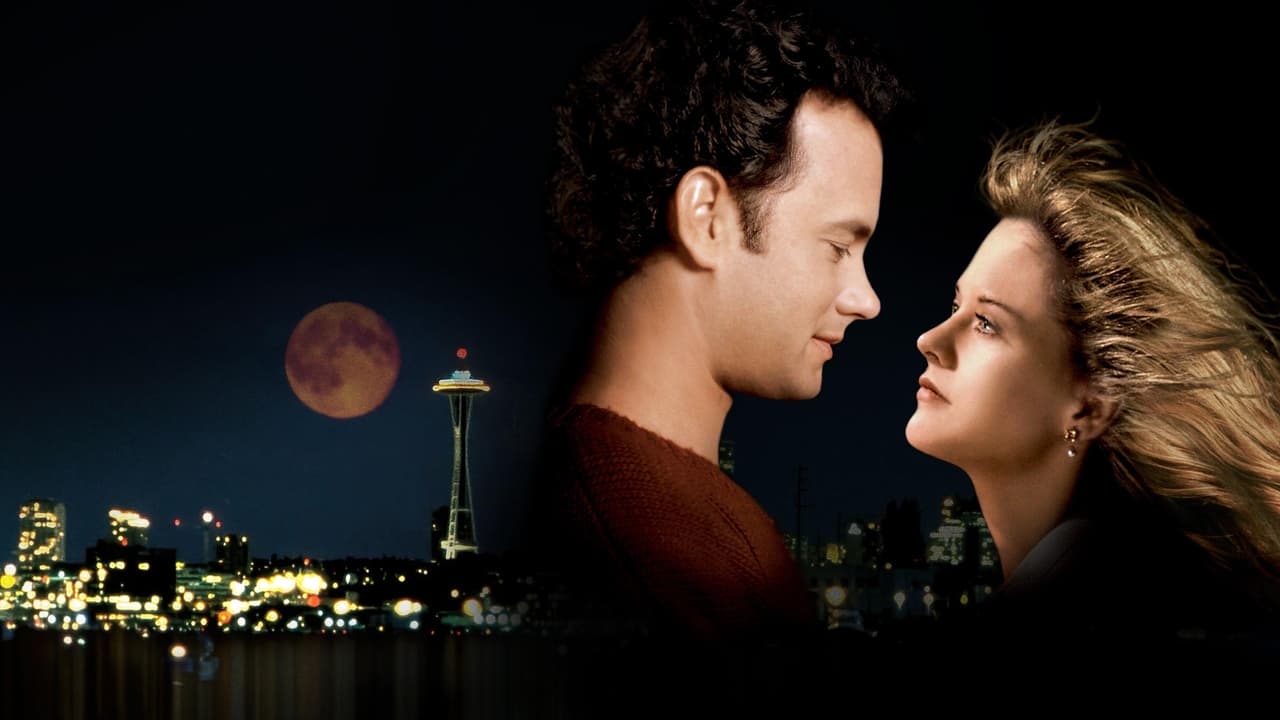
The film also captures the transition of the "Modern Cinema" era perfectly. We see Sam's son, Jonah (played by Ross Malinger with a surprising lack of child-actor precociousness), navigating the early 90s world of travel and tech. The way Jonah just buys a plane ticket to New York is the kind of pre-9/11 plot point that feels like fantasy today. It’s a reminder of a world that was smaller, yet somehow more open to adventure.
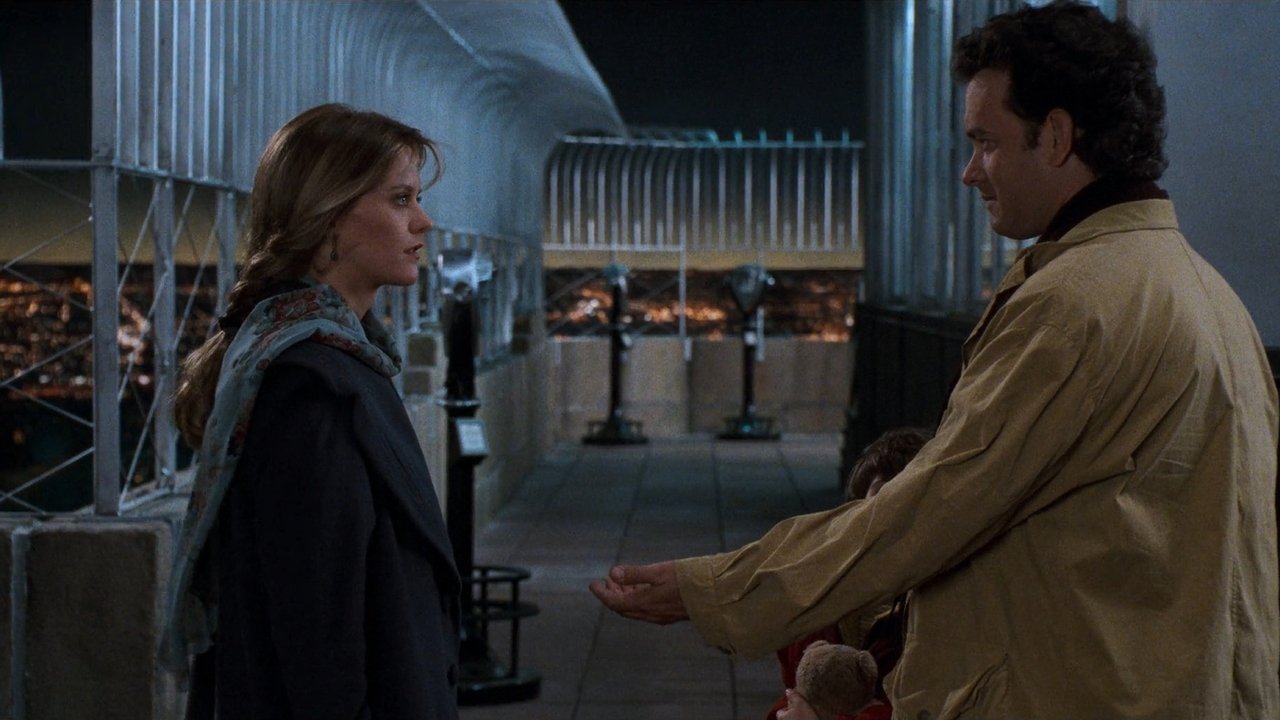
Sleepless in Seattle holds up because it respects the grief of its characters as much as their whimsy. It understands that Sam’s sadness is real, which makes his eventual smile on that observation deck feel earned rather than manufactured. It’s a masterclass in pacing, proving that the anticipation of a kiss is often more cinematic than the kiss itself. If you haven't revisited it lately, do yourself a favor: grab a soggy bowl of cereal and let Nora Ephron convince you, just for two hours, that the universe actually has a plan for you.
Keep Exploring...
-
You've Got Mail
1998
-
Julie & Julia
2009
-
Jerry Maguire
1996
-
As Good as It Gets
1997
-
Stepmom
1998
-
Chocolat
2000
-

Shallow Hal
2001
-
About a Boy
2002
-

Sideways
2004
-
The Princess Diaries 2: Royal Engagement
2004
-

Juno
2007
-
Knocked Up
2007
-

Forgetting Sarah Marshall
2008
-

High School Musical 3: Senior Year
2008
-

17 Again
2009
-

Hannah Montana: The Movie
2009
-
He's Just Not That Into You
2009
-
The Proposal
2009
-
Love & Other Drugs
2010
-
Silver Linings Playbook
2012