The Age of Innocence
"Etiquette is the deadliest weapon."

When I first sat down to watch The Age of Innocence, I did so in a tiny apartment during a humid July afternoon, distractedly eating a slightly stale bagel and wondering if I’d accidentally put on a Merchant Ivory production by mistake. Within twenty minutes, I realized I wasn’t watching a polite costume drama; I was watching a high-society slasher flick where the only blood spilled was social standing.
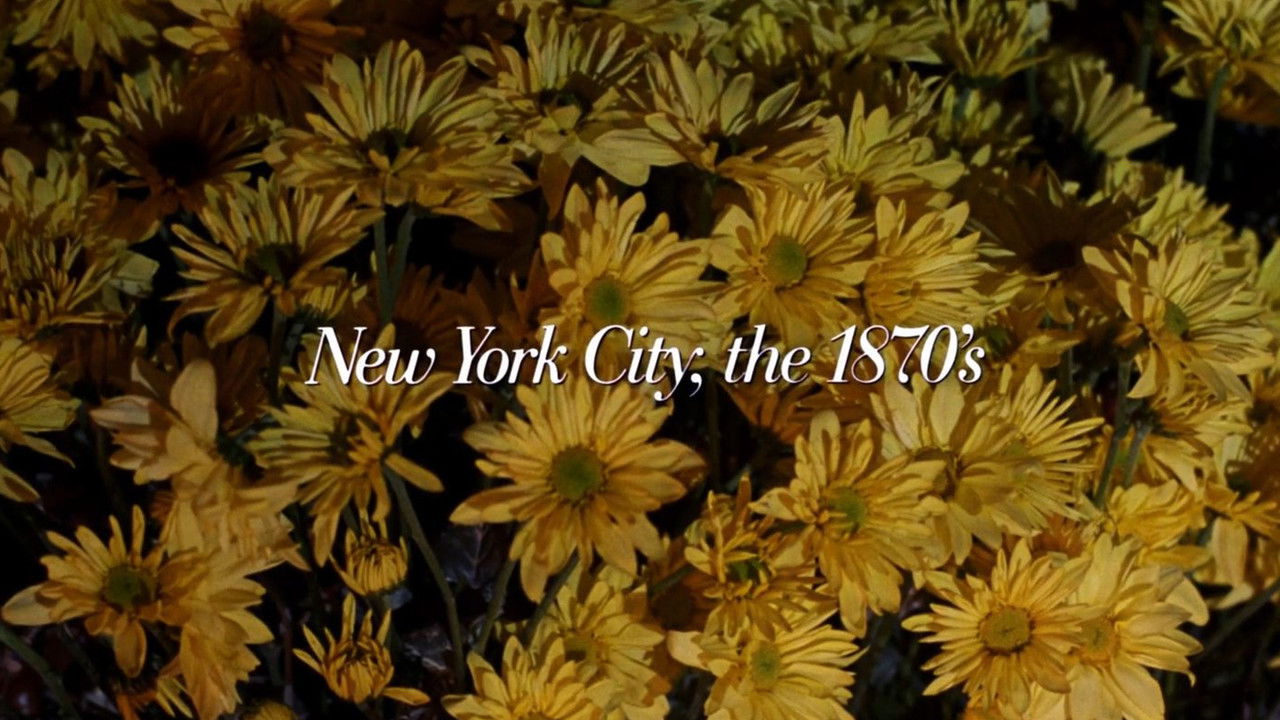
In 1993, Martin Scorsese was coming off the high-wire adrenaline of Goodfellas and the sweaty, pulp thrills of Cape Fear. When it was announced he was adapting Edith Wharton’s 1920 novel about the New York aristocracy of the 1870s, the collective "huh?" from critics was audible. Why would the bard of Little Italy’s mean streets care about lace doilies and opera hats? Looking back from the digital era, this film stands as one of the most daring pivots of the 1990s—a period where directors like Scorsese still had the massive studio budgets to indulge in lush, analog world-building that felt like a tactile assault on the senses.
The Most Violent Film Without a Gun
I’ve always maintained that this is Scorsese’s most brutal movie. In Casino, you know where you stand—usually in a desert hole with a baseball bat. In The Age of Innocence, the violence is committed with a raised eyebrow, a slight delay in an invitation, or the specific way a piece of fruit is peeled. It’s a horror movie about the terror of "The Tribe," a group of wealthy New Yorkers who use "good form" to suffocate anything that resembles an authentic human emotion.
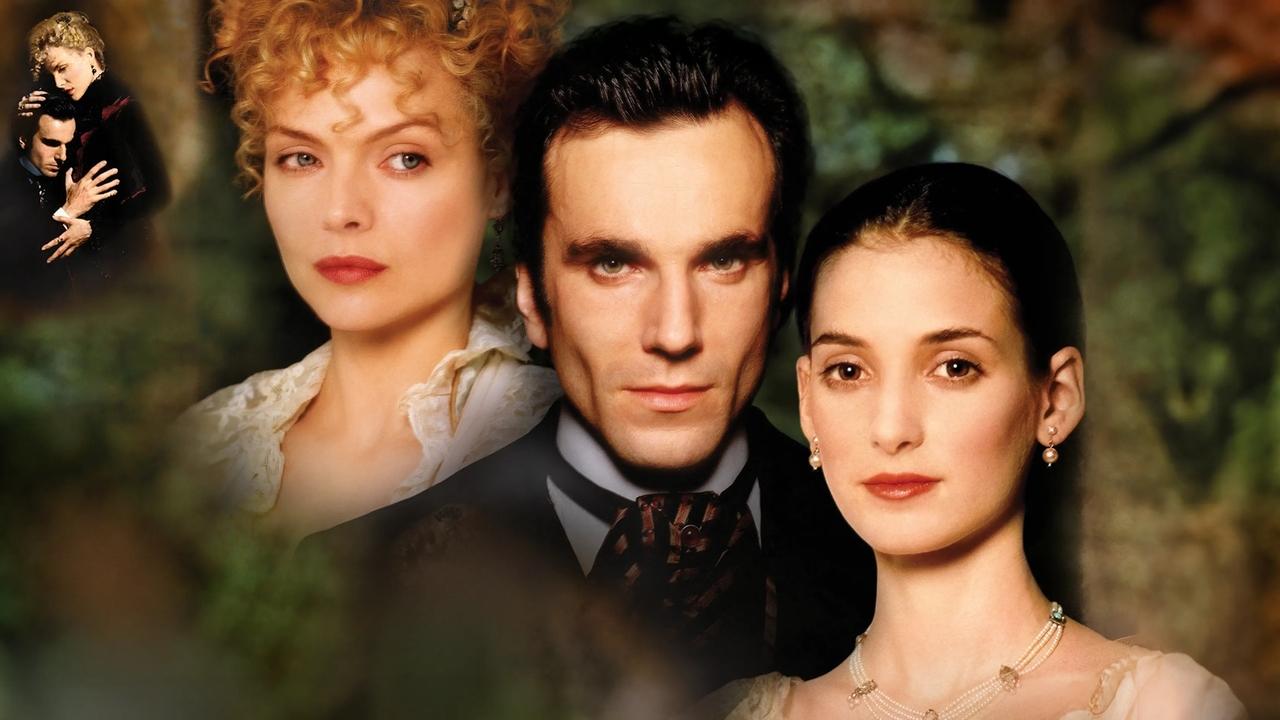
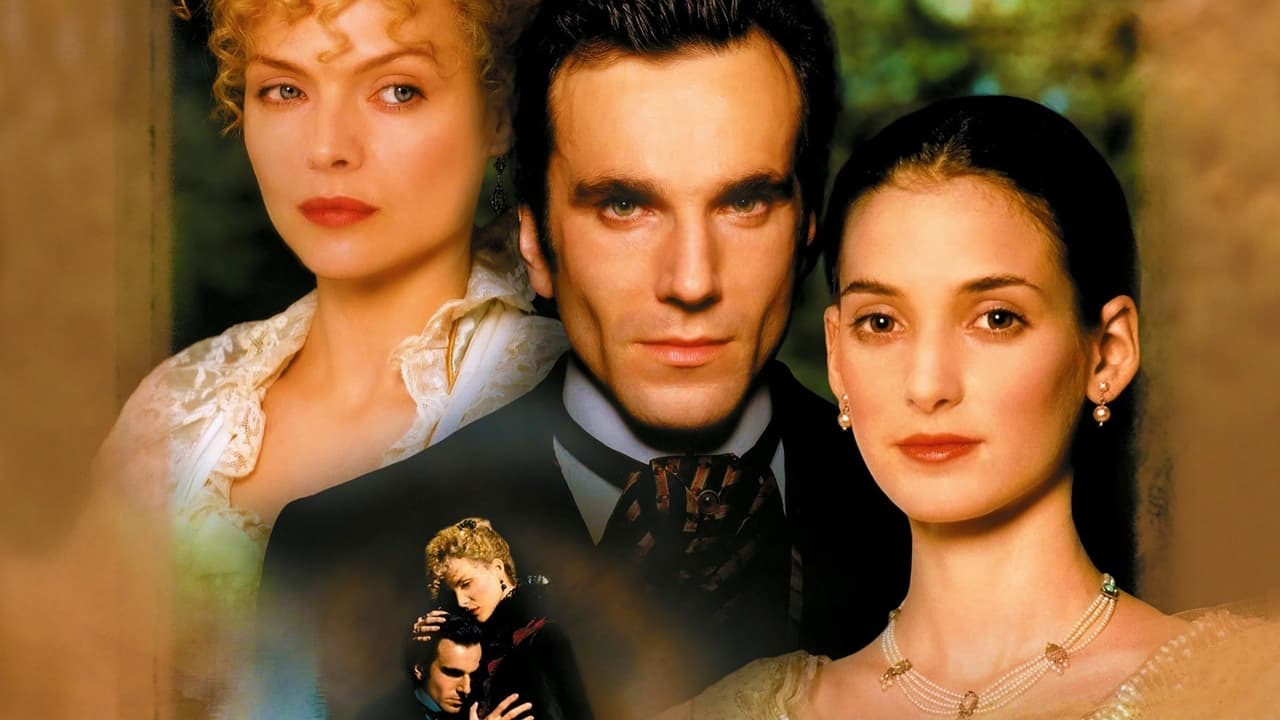
Daniel Day-Lewis plays Newland Archer, a man who thinks he’s smarter than the system he was born into. He’s engaged to May Welland, played by Winona Ryder with a performance so deceptively sweet it’s basically a sugar-coated landmine. Into this rigid world comes Ellen Olenska (Michelle Pfeiffer), May’s cousin, who is returning from Europe with the "scandal" of a separated husband trailing behind her like a tattered shroud.
Archer falls for Ellen, not just because she’s beautiful, but because she represents a door out of a life that is already a mausoleum. The chemistry between Day-Lewis and Pfeiffer is electric, mostly because they barely touch. There’s a scene in a carriage where he simply unbuttons her glove to kiss her wrist, and honestly, it makes most modern sex scenes look like a trip to the DMV.
The Precision of the 1990s Prestige
Looking back, this film arrived at the peak of the 90s "prestige" era, before the industry became obsessed with franchise-building. Everything here is practical, opulent, and overwhelming. The cinematography by Michael Ballhaus (who lensed The Departed and Gangs of New York) is restless. The camera doesn't just sit there admiring the dresses; it prowls through the ballrooms, zooming in on the food and the flowers as if they were clues in a murder mystery.
And let’s talk about that food. Scorsese obsesses over the dinner sequences. There’s a sequence involving a Roman punch—a sort of mid-meal palate cleanser—that feels like a ritual sacrifice. I remember reading that the production was so obsessed with accuracy that they had historical consultants for everything from the way the silver was polished to the exact species of lobsters on the plates. This wasn't just set dressing; it was world-building that puts most CGI "universes" to shame. It creates a sense of claustrophobia that I felt in my own chest while watching. You realize that Archer is trapped not by bars, but by heavy velvet curtains and $500 plates.
Why We Forgot This Masterpiece
It’s strange to think that a movie with this pedigree—Scorsese, Day-Lewis, Pfeiffer—is often the one people skip when marathon-watching the director’s filmography. It’s a "drama," sure, but it lacks the shouting and the swagger we associate with 90s indie-to-mainstream transitions. It was a box office disappointment at the time, probably because the marketing made it look like a "chick flick" to the dudes and a "boring history lesson" to the kids.
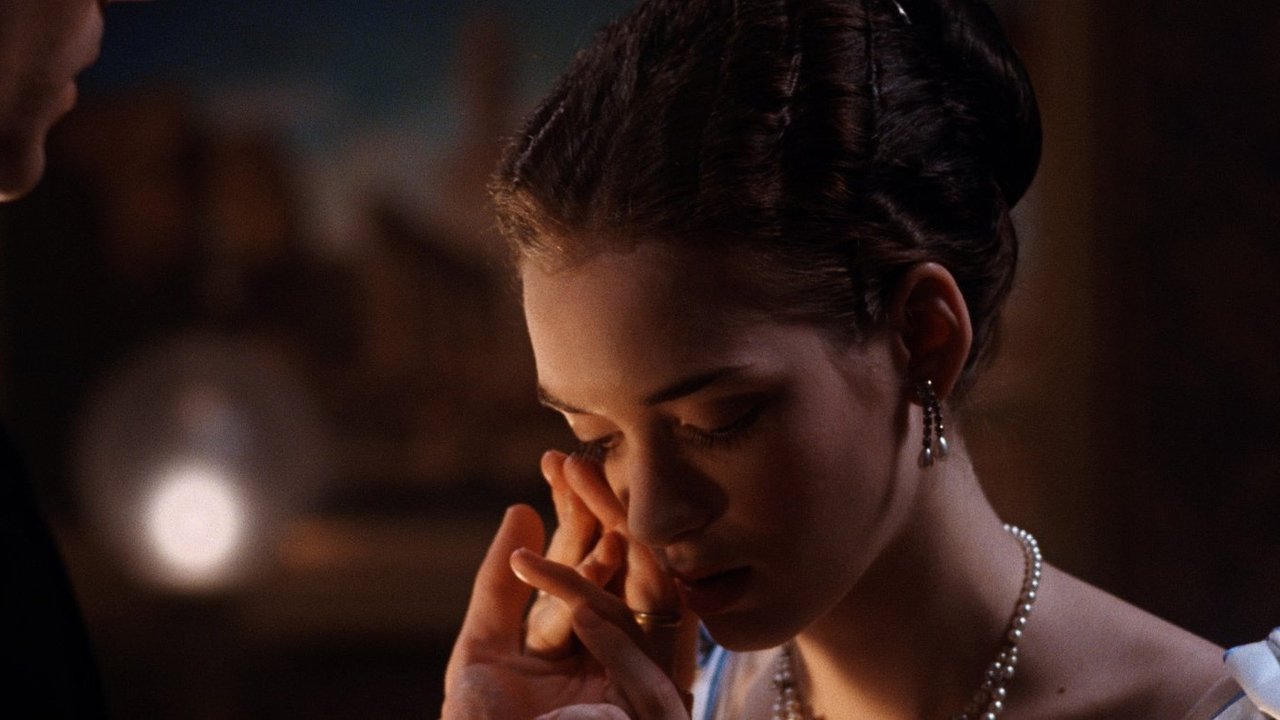
But watch Winona Ryder closely. At the time, she was the "It Girl" of the 90s, coming off Bram Stoker's Dracula (1992). In this film, she gives a performance that is chillingly brilliant. As May, she represents the absolute power of the status quo. She isn't a villain, but she is the wall Archer keeps running into. The ending of this film—which I won’t spoil, though history already wrote it—is one of the most quietly devastating finales in cinema history. It’s a movie about the things we don't do, the lives we don't lead, and the way time eventually turns our most burning passions into a polite "oh, well."
I’m giving this a near-perfect score because it’s a film that demands to be reassessed. It’s a technical marvel from an era when "grandeur" meant something you could actually touch. It’s a film for anyone who has ever felt like they were performing a role for their family or their job while screaming internally. Don't be fooled by the lace and the violins; this is a movie with teeth, and it’s still waiting to take a bite out of you.
Keep Exploring...
-
Bringing Out the Dead
1999
-
Casino
1995
-
The Last Temptation of Christ
1988
-
Wolf
1994
-
Cape Fear
1991
-
Batman: Mask of the Phantasm
1993
-
The Remains of the Day
1993
-
It Could Happen to You
1994
-
Little Women
1994
-
The Quick and the Dead
1995
-
That Thing You Do!
1996
-
EverAfter
1998
-
Gangs of New York
2002
-
GoodFellas
1990
-
Far and Away
1992
-

The Piano
1993
-
Breaking the Waves
1996
-
Lolita
1997
-
Sliding Doors
1998
-
Edward Scissorhands
1990