The Firm
"The perks are great, the retirement is lethal."
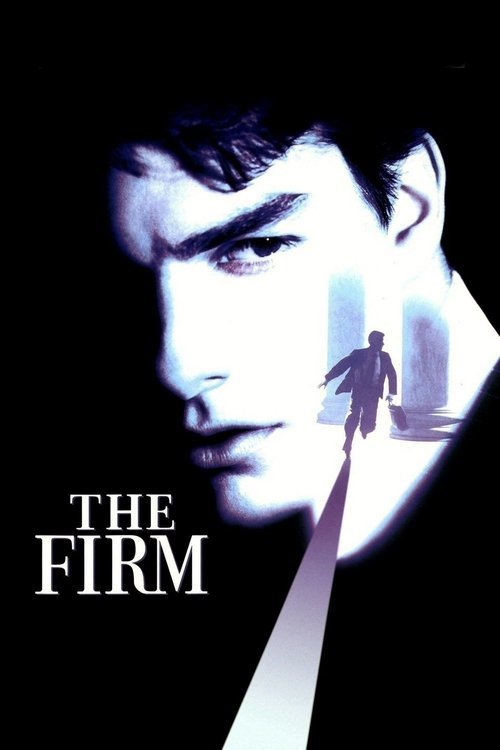
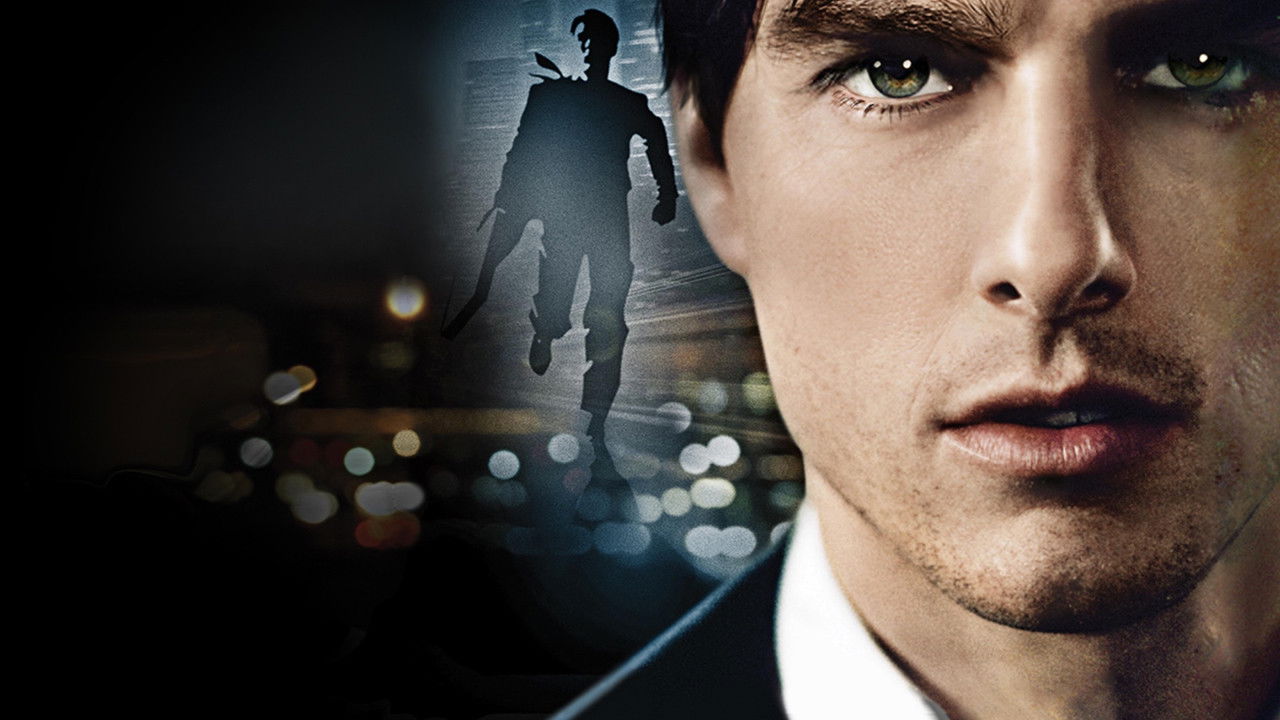
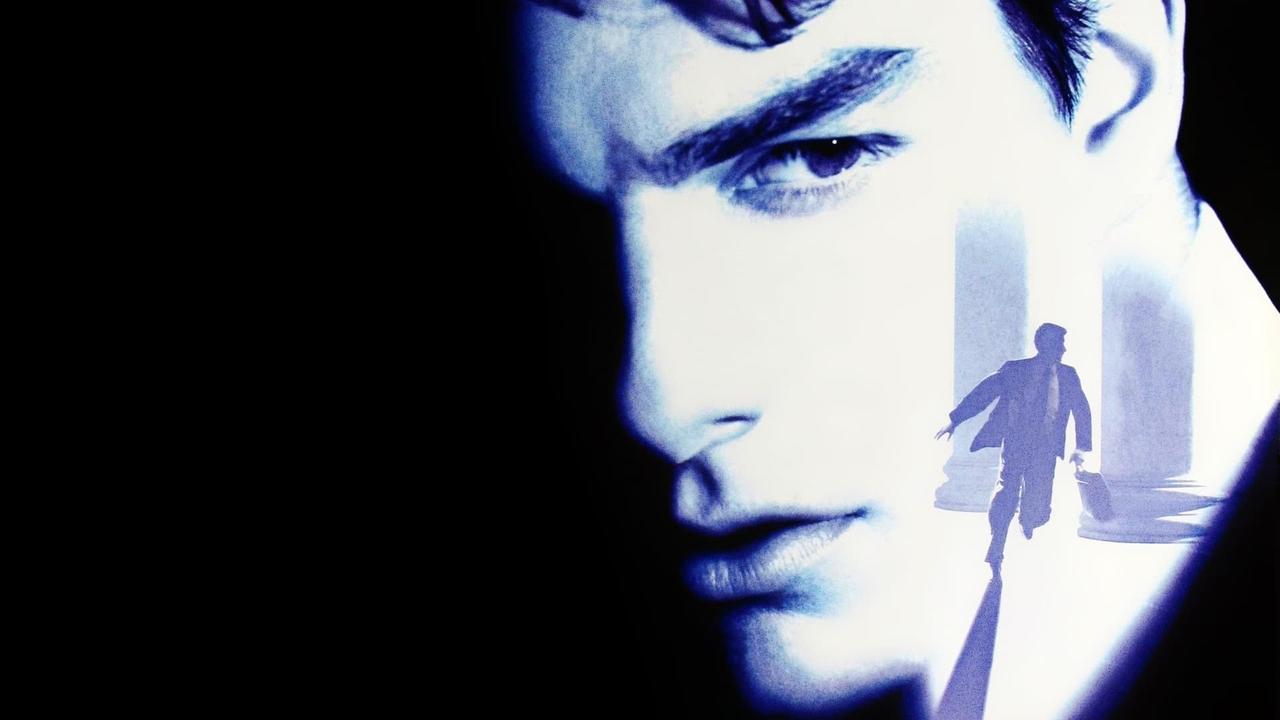
There is a very specific flavor of 1990s comfort food that involves Tom Cruise looking incredibly earnest in a high-end suit while running away from men in slightly larger, ill-fitting suits. It’s a subgenre I like to call "The Competent Man in a Culpable Corporation." Looking back, The Firm isn't just a legal thriller; it’s a time capsule of an era where the greatest threat to your soul wasn't a social media algorithm or a global pandemic, but a very generous 401(k) and a free Mercedes-Benz.
I remember watching this on a scratched DVD while my radiator hissed like a disgruntled cat in the corner of my first apartment, and it struck me how much the film relies on the sheer, tactile weight of 1993. We’re talking about a world of heavy law books, whirring fax machines, and the constant, rhythmic thud of stampers on legal briefs. It’s a movie about paper, and somehow, Sydney Pollack (who also gave us the gorgeous Out of Africa) makes a filing cabinet feel as ominous as a loaded gun.
The Seduction of the Suit
The setup is peak John Grisham. Mitch McDeere (Tom Cruise) is a Harvard Law prodigy with a chips-on-his-shoulder background and a hunger for the high life. When a small, prestigious Memphis firm offers him a salary that would make a tech bro weep, he jumps. He and his wife, Abby (Jeanne Tripplehorn, who brings a much-needed groundedness to the "supportive spouse" trope), are essentially love-bombed by a group of grandfatherly partners led by Hal Holbrook.
But this isn't just a job; it's a cult with billable hours. The firm, Bendini, Lambert & Locke, doesn't just want your labor; they want your loyalty, your marriage, and your silence. The moment Mitch realizes that "associates don't leave the firm, they leave in a pine box," the movie shifts from a corporate drama into a high-stakes chess match. Tom Cruise’s intense running is the true protagonist of this film, and while this was before he started jumping off Burj Khalifas, you can see the seeds of his kinetic energy being planted here. He plays Mitch with a mix of arrogance and sheer terror that feels remarkably human for a guy who eventually became a cinematic demigod.
Diabolical Dad-Vibe Energy
What elevates The Firm above the dozen or so other Grisham adaptations that flooded the 90s is the ensemble. Gene Hackman (fresh off his Oscar win for Unforgiven) plays Avery Tolar, Mitch’s mentor, with a weary, tragic sleaze that is absolutely mesmerizing. You can see the ghost of the man Avery used to be under the expensive bourbon and the ethical compromises.
Then there’s Wilford Brimley. If you only know him from the "Diabeetus" memes or Cocoon, seeing him here as William Devasher, the firm’s head of security, is a shock to the system. He’s essentially a malevolent walrus in a windbreaker. Wilford Brimley is more terrifying than a Xenomorph when he's holding a legal brief. He brings a folksy, "just-doing-my-job" menace that makes the corporate conspiracy feel disturbingly plausible.
And we have to talk about Holly Hunter. She has maybe fifteen minutes of screen time as Tammy, the chain-smoking secretary to a private investigator (played by a brief but effective Gary Busey), and she walked away with an Oscar nomination. Her chemistry with the rest of the cast provides the film’s best moments of levity. It reminds me of the DVD era's "Special Features" where you’d realize that the smallest roles were often the most carefully cast.
A Piano Score That Refuses to Relax
I’ve had many arguments with friends about Dave Grusin’s score. Unlike the booming orchestral soundtracks of most thrillers, The Firm is scored almost entirely by a solo, frantic jazz piano. It’s weird. It’s percussive. It sounds like a man having a nervous breakdown in a cocktail lounge. Initially, I hated it; I thought it was too jaunty for a movie about the mob. But on this rewatch, I realized it’s brilliant. It mimics the racing thoughts of a lawyer trying to outmaneuver the FBI and the Mafia simultaneously.
Pollack’s direction is patient, a trait we’ve largely lost in the era of frantic editing. At 154 minutes, the movie is undeniably long, but it earns its runtime. It allows the dread to seep in slowly. This was a massive commercial beast, pulling in $270 million on a $42 million budget—the kind of "grown-up" blockbuster that dominated the box office before the MCU formula became the only game in town. It captures that post-80s anxiety where the "Yuppie dream" was starting to look like a gilded cage.
One of the most interesting trivia bits is the ending. In Grisham’s book, Mitch basically steals a bunch of money and disappears to the Caribbean. But the screenplay—co-written by the legendary Robert Towne (Chinatown)—changes it so Mitch finds a "third way" that preserves his ethics while outsmarting everyone. It’s a quintessentially "Hollywood" move, but in the hands of this cast, it feels earned rather than cheap.
The Firm is a reminder of why we used to go to the movies just to see smart people talk in rooms. It’s a masterclass in tension and ensemble acting, anchored by a version of Tom Cruise that feels vulnerable in a way he rarely allows himself to be anymore. Whether you’re a fan of legal thrillers or just want to see Wilford Brimley be a total nightmare, this one demands a spot on your "90s Rewatch" list. It’s long, it’s glossy, and it’s a total blast.
I’m still not sure about the piano music, though. It’s currently stuck in my head, and I feel like I need to go bill someone for fifteen minutes of my time.
Keep Exploring...
-

Ghost
1990
-
In the Line of Fire
1993
-
The Net
1995
-
Primal Fear
1996
-
The Bourne Ultimatum
2007
-
Disturbia
2007
-
Basic Instinct
1992
-
The Player
1992
-
The Client
1994
-
Courage Under Fire
1996
-
Breakdown
1997
-
Kiss the Girls
1997
-
Lost Highway
1997
-
Wild Things
1998
-
Unbreakable
2000
-

Signs
2002
-

The Bourne Identity
2002
-
The Village
2004
-
Flightplan
2005
-
The Girl with the Dragon Tattoo
2009