The Fugitive
"He’s innocent. He’s hunted. He’s running out of time."
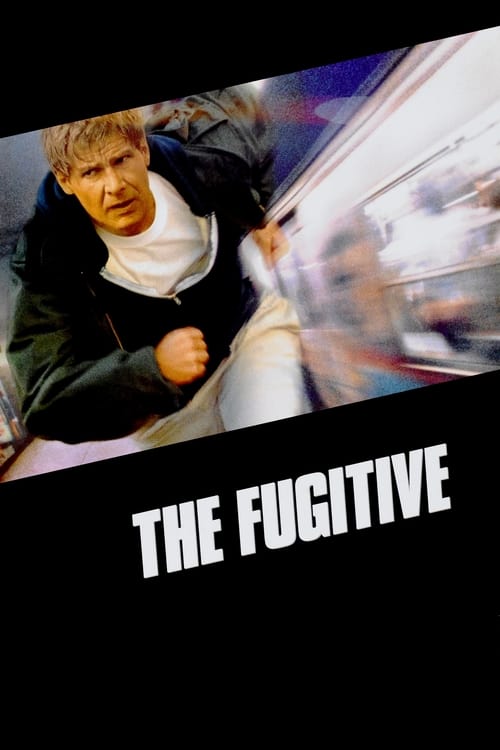
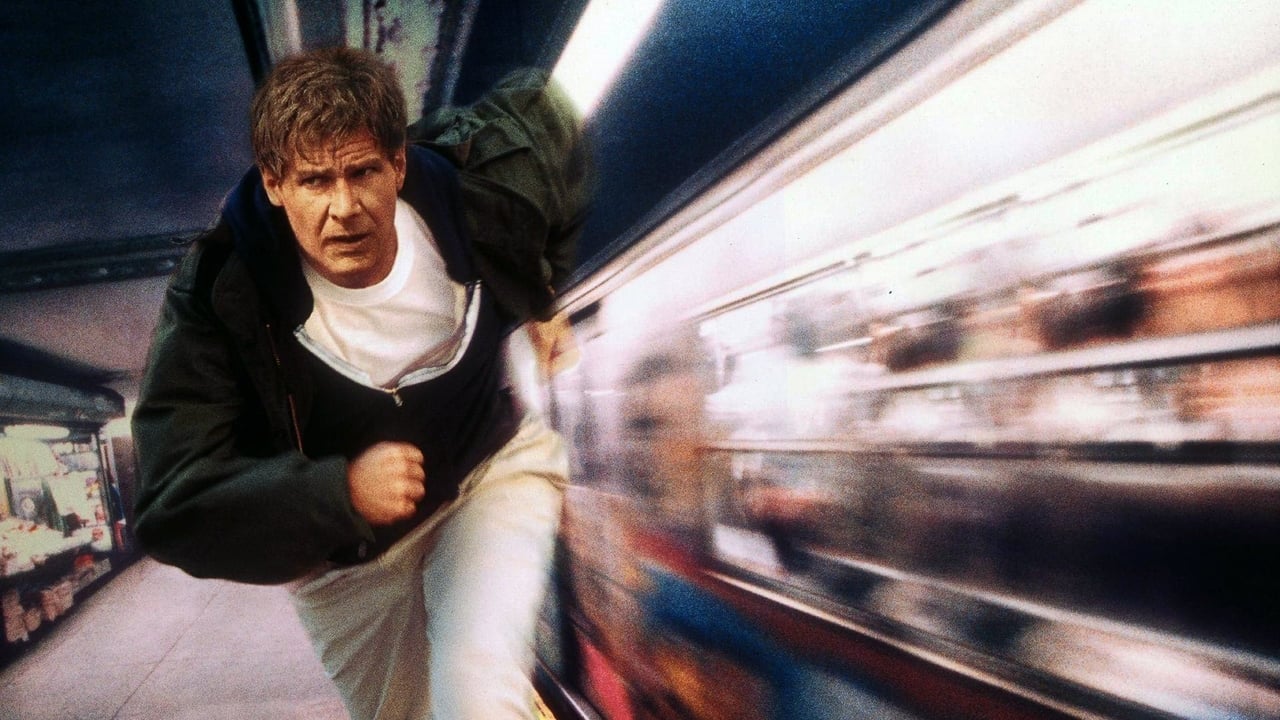
The sound of a 1990s thriller is unmistakable: it’s the percussive, metallic clatter of a Chicago L-train, the frantic rasp of Harrison Ford’s breathing, and a brass-heavy score that suggests the walls are closing in. Before the genre was swallowed whole by "shaky-cam" chaos and green-screen landscapes, we had The Fugitive. It’s a film that sits at the absolute peak of the "analog blockbuster," a time when studios spent forty-four million dollars to actually wreck a train instead of asking a computer to simulate one. It’s a masterpiece of sustained tension that manages to be a crowd-pleasing hit while remaining deeply, almost oppressively, grim.
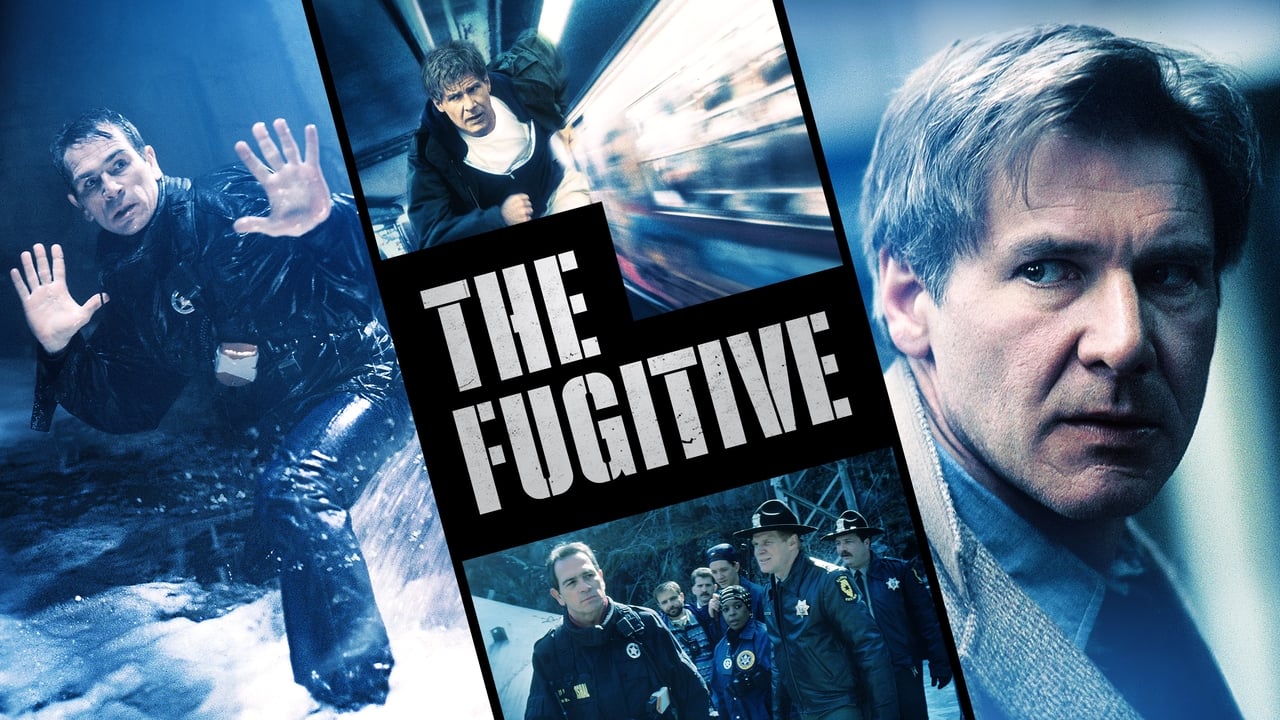
I watched my latest viewing of this on a DVD with a cracked case that smells faintly of an old basement, and honestly, that damp, subterranean vibe only made the sewer scenes feel more immediate.
The Weight of the Wronged Man
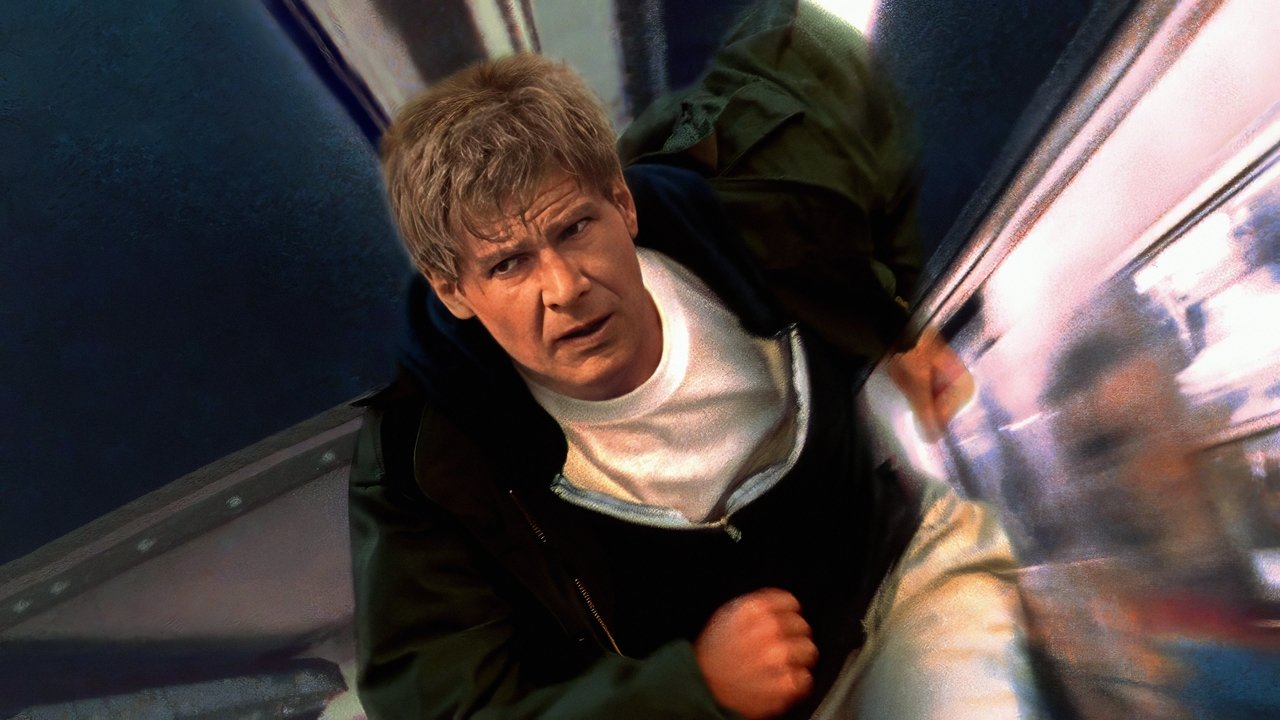
At the heart of the film is a performance by Harrison Ford that reminds you why he was the king of the era. He doesn't play Richard Kimble as a superhero; he plays him as a man who is physically and emotionally exhausted. There’s a desperation in his eyes that feels earned. When he’s being interrogated in the first act, the camera lingers on his face, capturing every twitch of grief and disbelief. Harrison Ford’s panicked heavy breathing should have its own SAG card because of how much legwork it does to sell the stakes.
The film doesn't offer the usual action-movie catharsis. Kimble isn't out for revenge in a "kill-them-all" sense; he's fighting for his dignity and his life against a system that has already decided he’s a monster. Director Andrew Davis (who previously directed Steven Seagal in Under Siege) brings a gritty, procedural reality to the hunt. The Chicago we see here isn't the postcard version; it’s a city of harsh winters, grey hospitals, and crowded tenements. It feels lived-in and cold, heightening the isolation of a man who has lost everything and is now being chased by a pack of wolves.
Practical Stakes and Steel-on-Steel

One of the reasons this film remains the gold standard for the genre is the physical reality of its action. We’re in that glorious window where stunt work was reaching its zenith just before CGI arrived to soften the impact. The iconic train wreck sequence is a piece of cinema history that still looks better than 90% of modern Marvel third acts. They used a real locomotive and real freight cars, and you can feel the weight of the steel as it grinds into the dirt. There’s a terrifying lack of "movie magic" here; it’s just physics and a very brave stunt crew.
Even the smaller moments, like the chase through the St. Patrick’s Day parade, were filmed with a "guerrilla" mentality. Andrew Davis actually threw his actors into the real parade, capturing the genuine confusion of the crowd. It gives the film a documentary-like urgency that is nearly impossible to replicate on a soundstage. The sound design plays a massive role here, too. James Newton Howard (who later scored The Dark Knight) delivers a soundtrack that pulses like a racing heart, punctuated by the mechanical screams of the city. It’s an aural landscape that never lets you catch your breath.
A Hunter with No Horse in the Race
Then, of course, there is Tommy Lee Jones. As Deputy Marshal Samuel Gerard, he created a new archetype: the antagonist who isn't a villain. Gerard doesn't hate Kimble; he just doesn't care if he’s innocent. He has a job to do, and he’s going to do it with a terrifying, bloodhound-like efficiency. His ad-libbed response to Kimble’s "I didn't kill my wife!"—a simple, cold "I don't care"—perfectly encapsulates the film's moral complexity. The law isn't interested in the truth; it's interested in the arrest.
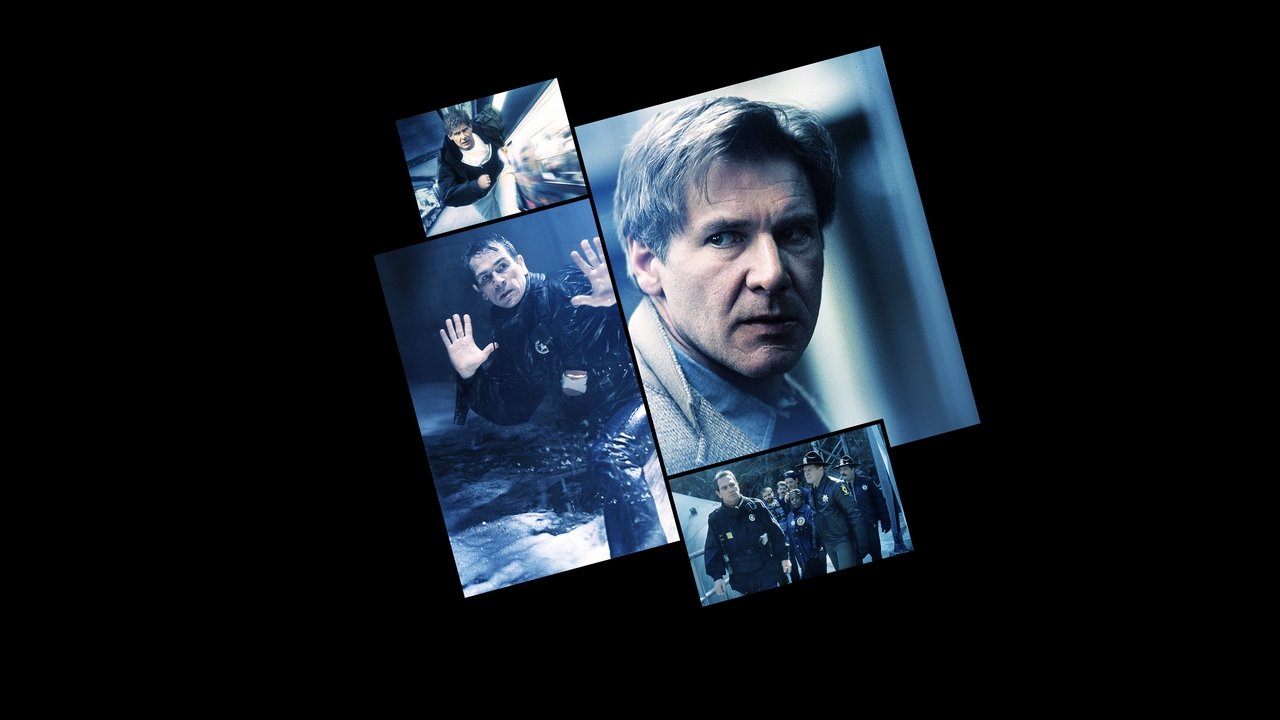
The chemistry between the two leads is fascinating because they barely share any screen time. It’s a cerebral duel, a game of chess played over miles of Illinois countryside. Tommy Lee Jones won an Oscar for this role, and looking back, it’s easy to see why. He brings a dry, sarcastic wit to the "Marshal Samuel Gerard Collection" that balances the film's darker tones. The supporting "posse," including Joe Pantoliano and L. Scott Caldwell, adds a procedural texture that makes the hunt feel like a collective effort rather than a one-man show.
The film was a massive cultural phenomenon, grossing over $353 million and becoming one of the few pure action movies to ever land a Best Picture nomination. It captured a specific 90s anxiety about the fallibility of our institutions—the idea that you could be a respected doctor one day and a hunted animal the next, all because of a bureaucratic mistake. It’s the ultimate "What would I do?" movie.
The Fugitive is a rare beast: a smart, adult thriller that doesn't sacrifice brains for brawn. It’s a film where the hero wins by being smarter and more persistent rather than just being a better shot. Even thirty years later, it remains a masterclass in pacing, proving that you don't need a multiverse or a spandex suit to create a legendary cinematic hero. If you haven't seen it lately, give it a spin—just make sure you're ready to hold your breath for two hours.
Keep Exploring...
-

U.S. Marshals
1998
-
Patriot Games
1992
-
Clear and Present Danger
1994
-
JFK
1991
-

Under Siege
1992
-
Bound by Honor
1993
-
The Bourne Identity
2002
-
The Bourne Supremacy
2004
-
The Bourne Ultimatum
2007
-
Rise of the Planet of the Apes
2011
-
Dawn of the Planet of the Apes
2014
-
In the Line of Fire
1993
-
Crimson Tide
1995
-

Enemy of the State
1998
-

The Negotiator
1998
-

The Dark Knight Rises
2012
-

Captain Phillips
2013
-
Ghost
1990
-
The Hunt for Red October
1990
-
Cape Fear
1991