The Good Son
"Playtime is over, and it’s getting lethal."

I watched this movie on a humid Tuesday evening while nursing a lukewarm Gatorade that had definitely been sitting in my car too long, and honestly, the tepid temperature of the drink matched the strange, lukewarm discomfort of seeing Kevin McCallister try to murder a dog.
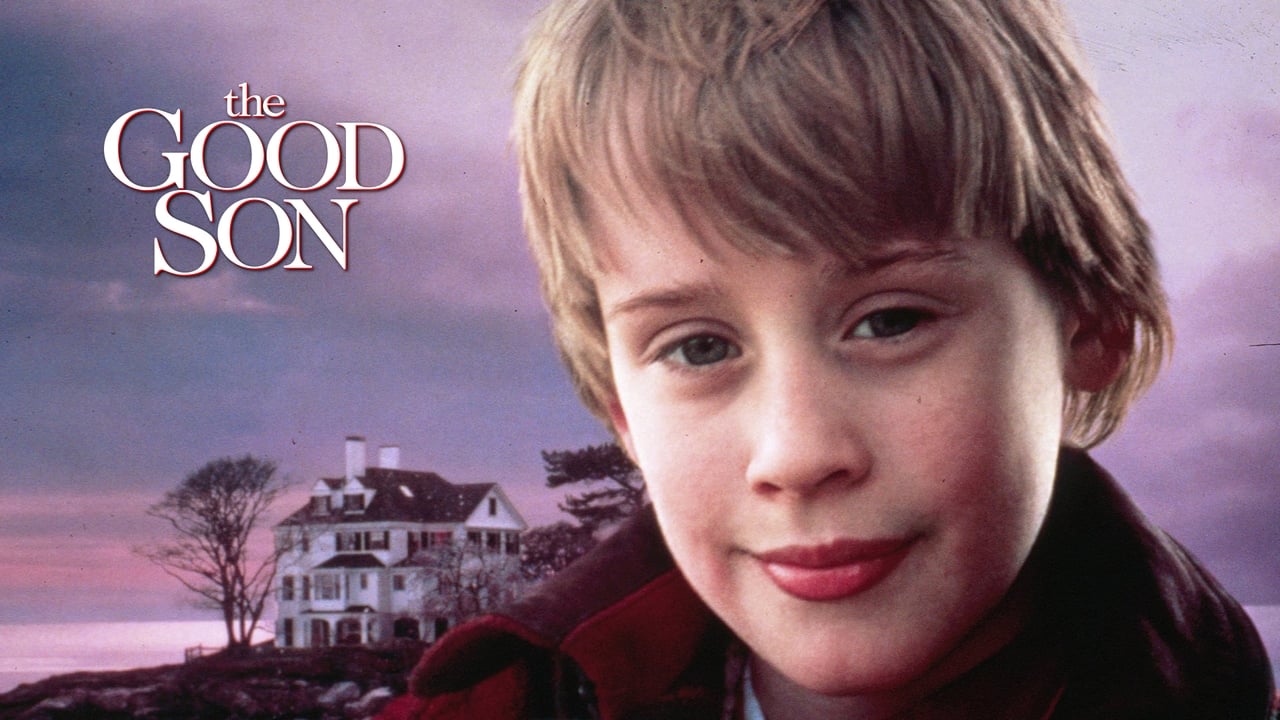
In 1993, Macaulay Culkin was the biggest star in the world. He was the golden child of the suburbs, the kid we all wanted to be when our parents forgot us during Christmas vacation. Then came The Good Son, a film that felt like a glitch in the Hollywood matrix. It wasn't just a thriller; it was a calculated attempt to dismantle an icon. Looking back, it’s a fascinating relic of the early 90s—an era when studios were still trying to figure out how to transition child stars into "serious" actors before they hit puberty.
The Face of Innocence, The Heart of a Psycho
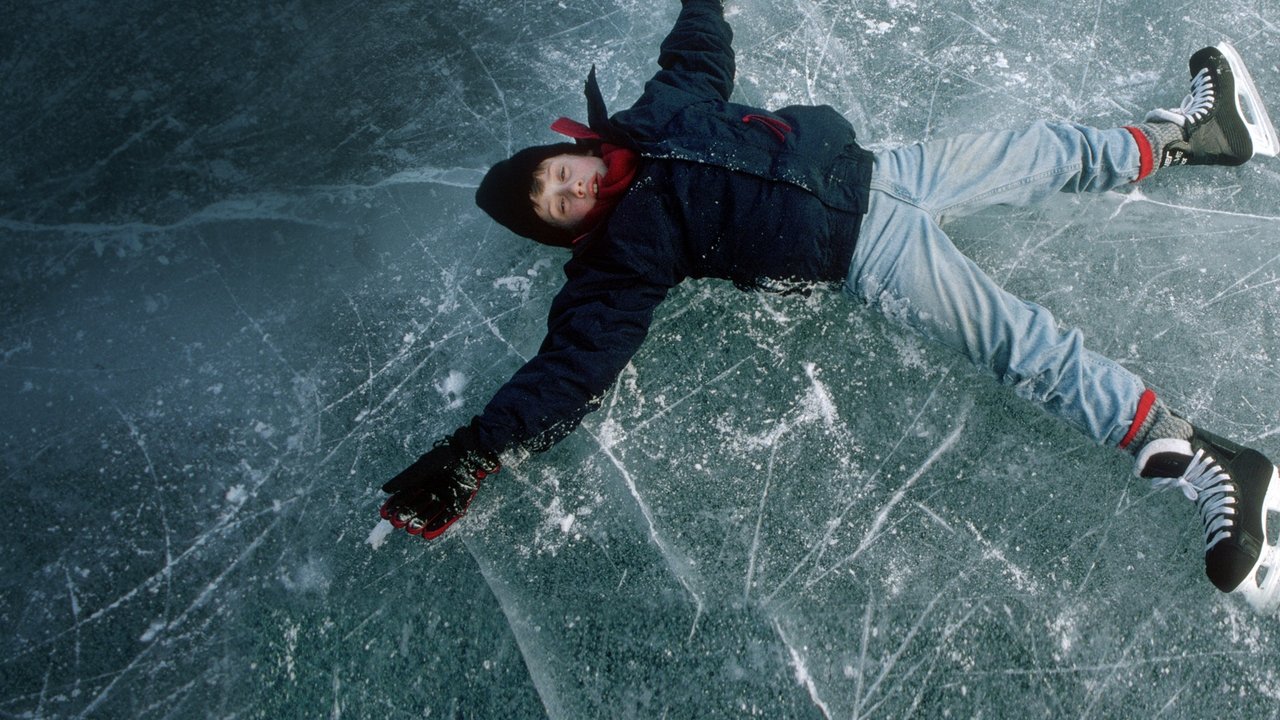
The setup is classic "stranger in the house" suspense. Elijah Wood—long before he carried a ring to Mordor—plays Mark, a young boy grieving the death of his mother. He’s sent to stay with his aunt and uncle in the snowy, picturesque cliffs of Maine. There he meets his cousin Henry, played by Macaulay Culkin. At first, Henry is the perfect companion: adventurous, creative, and charismatic. But the mask slips quickly. Henry isn't just a "bad seed"; he's a full-blown sociopath who builds homemade crossbows and treats life-and-death stakes like a game of Marbles.
What makes this work—and what still feels a bit icky thirty years later—is Culkin’s performance. He doesn't go for the over-the-top, cackling villainy you might expect. Instead, he uses that "Home Alone" smirk to chilling effect. When he looks at Mark and whispers, "Don't scaredy-cat, Mark," it’s a direct subversion of the charm that made him a millionaire. He essentially weaponized his own cuteness to gaslight an entire town.
A Script from an Unexpected Source
One of the weirdest things about The Good Son is the pedigree behind the camera. The screenplay was written by Ian McEwan. Yes, that Ian McEwan—the Booker Prize-winning author of Atonement. You can see his fingerprints in the film’s obsession with the loss of innocence and the dark undercurrents of family life, though much of his original, more psychological script was reportedly "Hollywood-ized" by the studio.
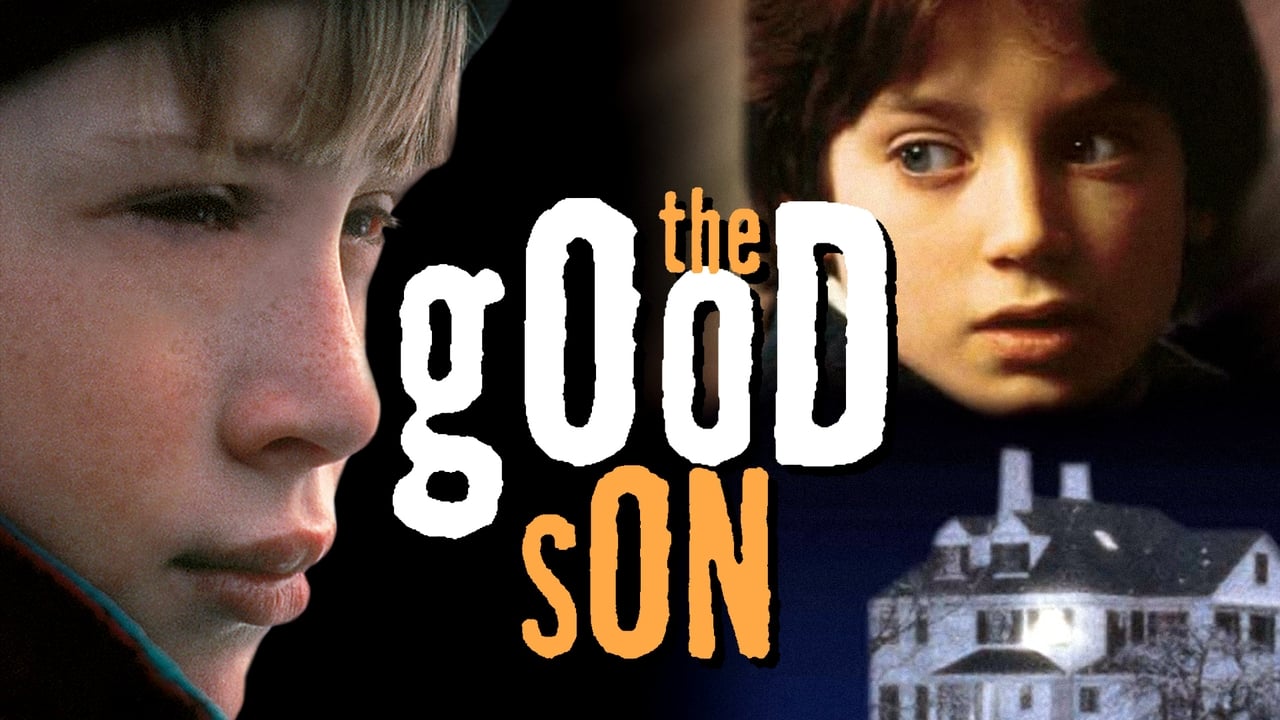
Director Joseph Ruben, who had already proven he could do suburban dread with The Stepfather, keeps the pacing tight. The film is only 87 minutes, which is a blessing in our current era of three-hour "elevated" horror slogs. Ruben utilizes the cold, jagged Maine coastline (actually filmed in Massachusetts and Minnesota) to create a sense of isolation. The cinematography by John Lindley captures a world that looks like a Christmas card but feels like a funeral.
The behind-the-scenes drama was just as intense as the plot. Macaulay Culkin’s father, Kit Culkin, famously used his son's massive leverage to force 20th Century Fox to cast Macaulay in the lead. He reportedly threatened to pull his son from Home Alone 2 unless he got this role. It’s a bit of Hollywood lore that adds a layer of meta-discomfort to the film; you’re watching a kid play a manipulator while, behind the scenes, the adults were playing a high-stakes game of their own.
The Battle of the Child Stars
While Culkin gets the flashy "evil" role, Elijah Wood is the secret weapon here. Wood has always had the most expressive eyes in cinema, and here they are filled with a genuine, vibrating terror. He has to carry the emotional weight of the film—the grief, the frustration of not being believed, and the physical fear of his cousin. Watching these two go head-to-head is like watching a heavyweight bout of 12-year-olds.
Wendy Crewson also deserves a nod as the mother, Susan. She has the impossible task of playing the emotional fulcrum of the climax, and she sells the absolute agony of the film's final moments. Supporting turns by David Morse and Daniel Hugh Kelly provide the necessary "clueless adult" backdrop, but this is entirely the boys' show.
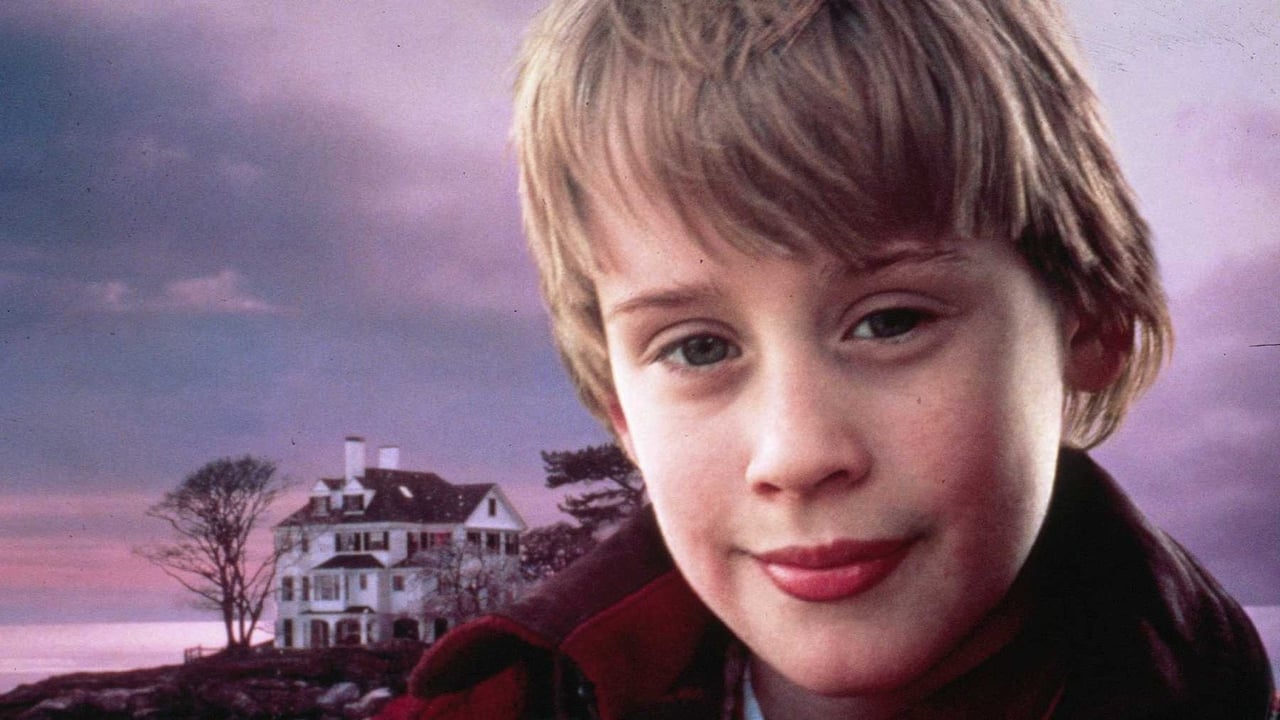
The horror in The Good Son isn't supernatural. There are no ghosts or demons. It’s the horror of realization—that some people are just born without a moral compass, and sometimes those people are the ones we’re supposed to trust most. The "evil child" trope was nothing new (see: The Bad Seed or The Omen), but placing it in a contemporary, grounded 90s setting made it feel much more immediate.
The film is far from perfect. It occasionally veers into melodrama, and the "nature vs. nurture" debate is handled with the subtlety of a sledgehammer. However, as a time capsule of 90s star-power and a genuinely mean-spirited little thriller, it commands your attention. The ending is basically a Sophoclean tragedy performed by kids in LL Bean sweaters.
In an age where we’ve seen everything, there’s still something uniquely disturbing about the final choice made on that cliffside. It’s a bleak, uncompromising finish for a studio film of that era. If you’re looking for a tight thriller that asks uncomfortable questions about the inherent goodness of children, it’s time to pay the Evans family a visit. Just don't let Henry take you near any high ledges.
Keep Exploring...
-
The Forgotten
2004
-
Sleeping with the Enemy
1991
-
What Lies Beneath
2000
-

The Gift
2000
-
Inland Empire
2006
-
The Eye
2008
-
Untraceable
2008
-
The Last House on the Left
2009
-
Candyman
1992
-

Ginger Snaps
2001
-
Carriers
2009
-
Thirst
2009
-
Child's Play 2
1990
-
Flatliners
1990
-
Child's Play 3
1991
-

Double Impact
1991
-
The Hand That Rocks the Cradle
1992
-
Mary Shelley's Frankenstein
1994
-
The Client
1994
-
The River Wild
1994