The Nightmare Before Christmas
"Misery and merriment in a stop-motion masterpiece."
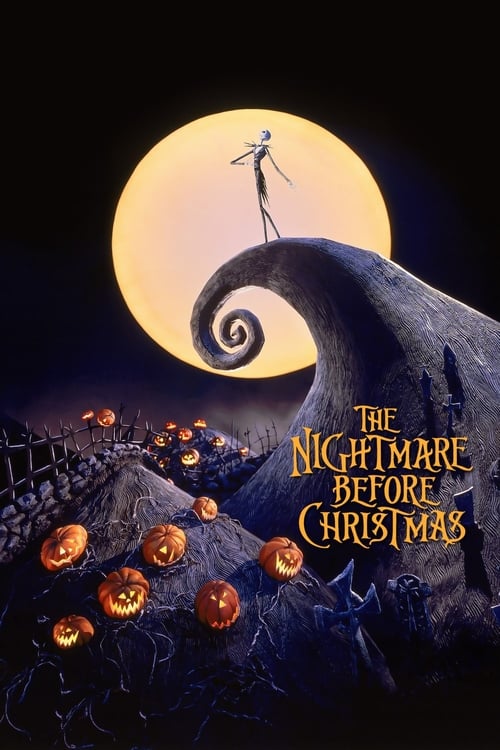
I once watched The Nightmare Before Christmas while wearing a particularly itchy wool sweater that made me feel like I was being slowly constricted by a giant orange snake. Oddly enough, the physical discomfort only enhanced the experience; there is something about the tactile, jagged world of Halloween Town that makes you want to reach out and touch the burlap, the stitches, and the clay. It’s a film that feels felt.
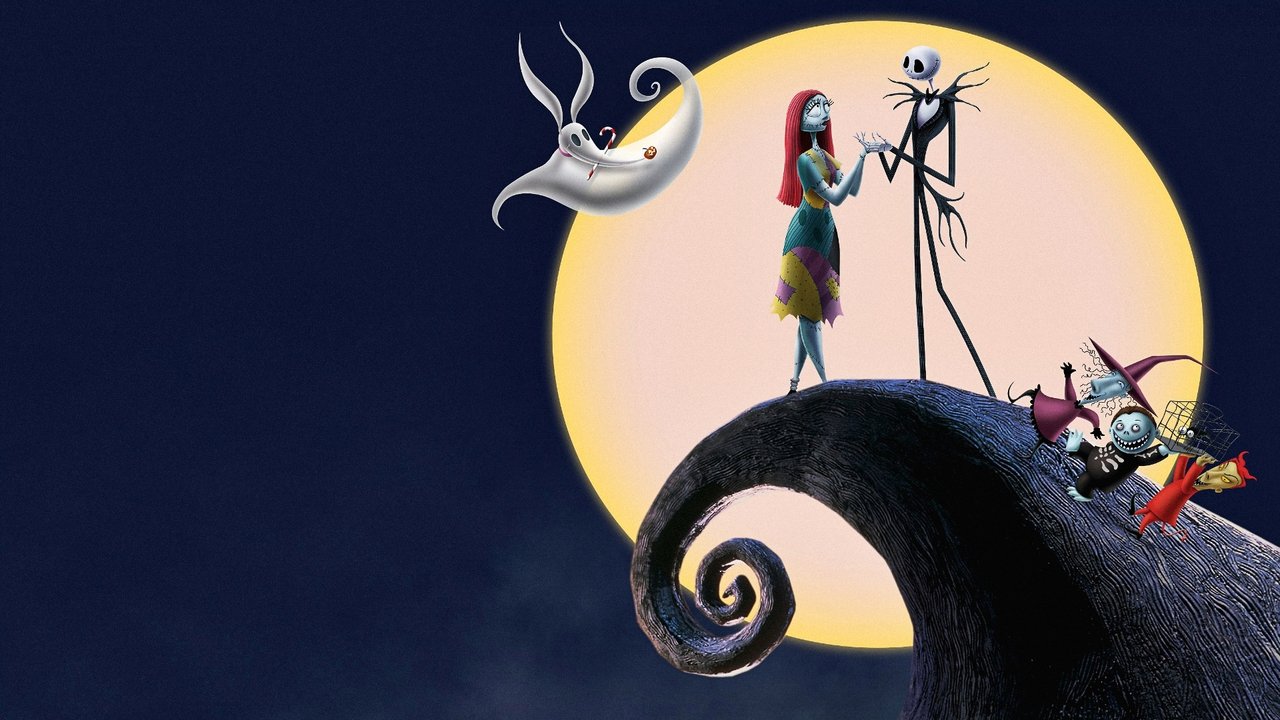
When we look back at 1993, we usually talk about the "CGI Revolution." That was the year Jurassic Park convinced us that pixels could breathe. But while Spielberg was digitizing dinosaurs, Henry Selick and a small army of animators were doing something arguably more miraculous: they were spending three years moving puppets a fraction of a millimeter at a time to create a world that felt more alive than anything inside a computer. It was a swan song for a certain kind of analog patience, right at the dawn of the digital age.
The Masterpiece Disney Was Afraid Of
It’s easy to forget now that every Hot Topic in America is essentially a Jack Skellington shrine, but Disney was originally terrified of this movie. They thought the aesthetic was "too dark" for the main brand, so they shunted it off to their Touchstone Pictures label. They weren't entirely wrong—there is a genuine creepiness to the "Clown with the Tear-Away Face"—but they underestimated how much kids actually enjoy a little bit of the macabre.
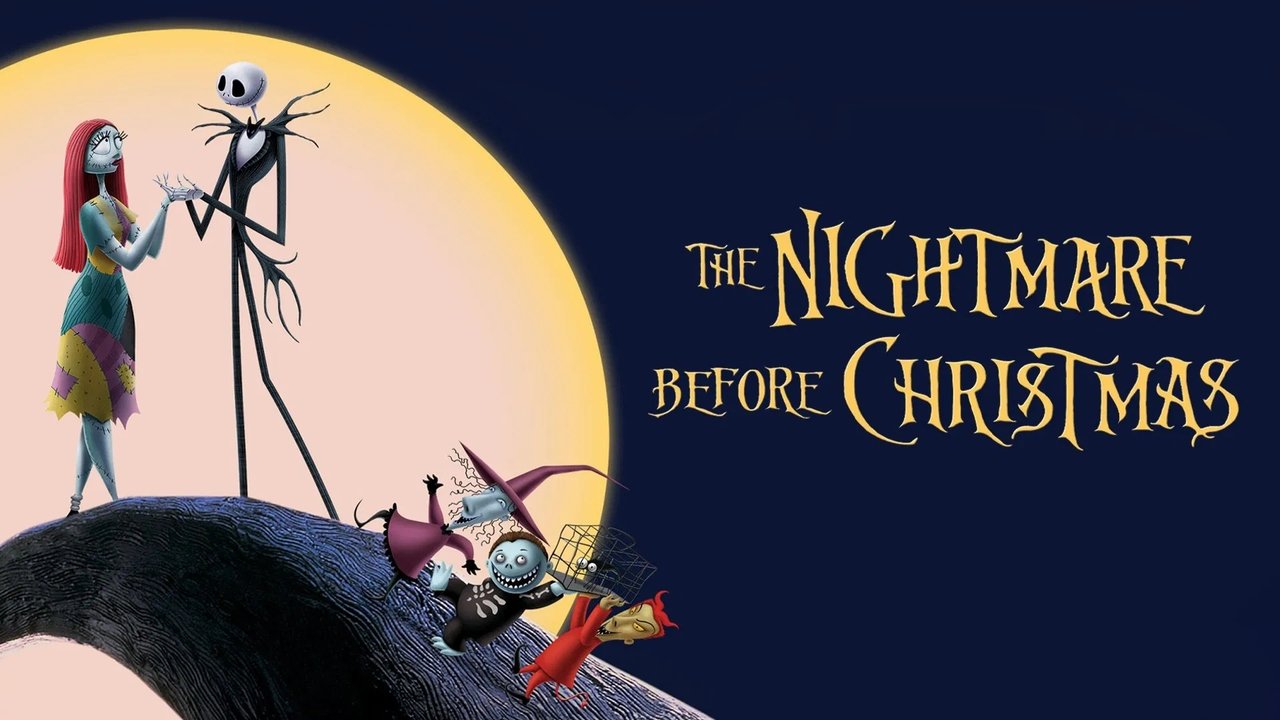
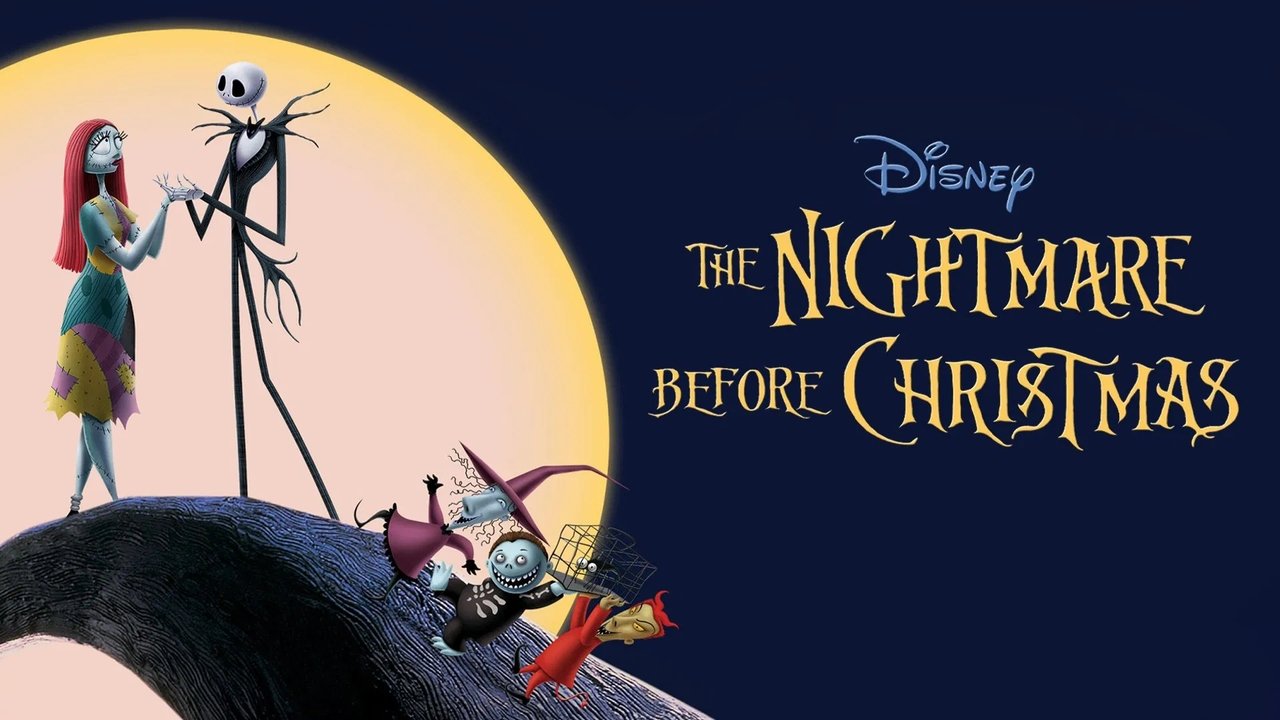
The drama here isn't just in the "saving Christmas" plot; it’s internal. Chris Sarandon provides the speaking voice for Jack, giving him a sophisticated, Shakespearean weight, but it’s Danny Elfman—who handled the singing and the legendary score—who provides the soul. Jack Skellington is going through a textbook midlife crisis. He’s the undisputed king of his field, yet he’s bored to tears. Jack is essentially the first Emo kid to ever try and "disrupt" a corporate holiday he didn't understand. We’ve all been there: doing something we’re good at while dreaming of being someone else, even if that "someone else" involves kidnapping a jolly fat man and accidentally traumatizing children with shrunken heads.
The Stitched-Together Heart
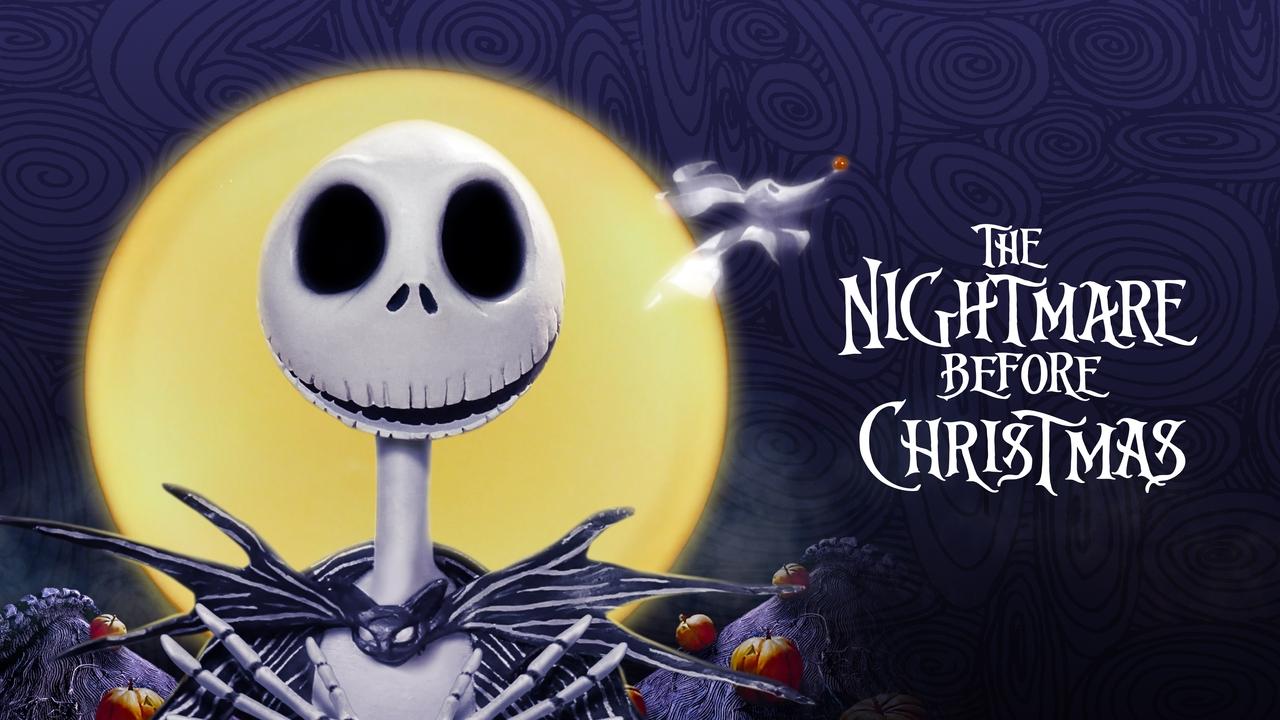
While Jack gets the top billing, the emotional anchor of the film is Catherine O'Hara as Sally. In a movie filled with monsters, she is the most human—despite being literally made of scrap fabric and dead leaves. Her performance is a masterclass in quiet longing. She’s the only one who sees the train wreck coming, yet her loyalty to Jack keeps her from walking away.
Looking back at the film now, Sally’s arc feels surprisingly modern. She’s trapped in a domestic prison by her creator, William Hickey's Dr. Finkelstein, and she uses her own "flaws"—the fact that she can detach her limbs—to escape. It’s a brilliant bit of visual metaphor. Her song, "Sally’s Song," remains one of the most heartbreaking ballads in the Disney/Touchstone canon. It earns its emotional weight because the filmmakers don't rush it; they let the camera linger on her lonely, stitched-together face as she watches Jack descend into madness.
The supporting cast is just as vibrant. Glenn Shadix as the Mayor with literally two faces is a sharp bit of political satire that feels even more relevant today. And Paul Reubens, Catherine O'Hara, and Danny Elfman as Lock, Shock, and Barrel—the "trick or treaters"—bring a chaotic, bratty energy that offsets the more operatic moments of the film.
From Box Office "Fine" to Cult Phenomenon
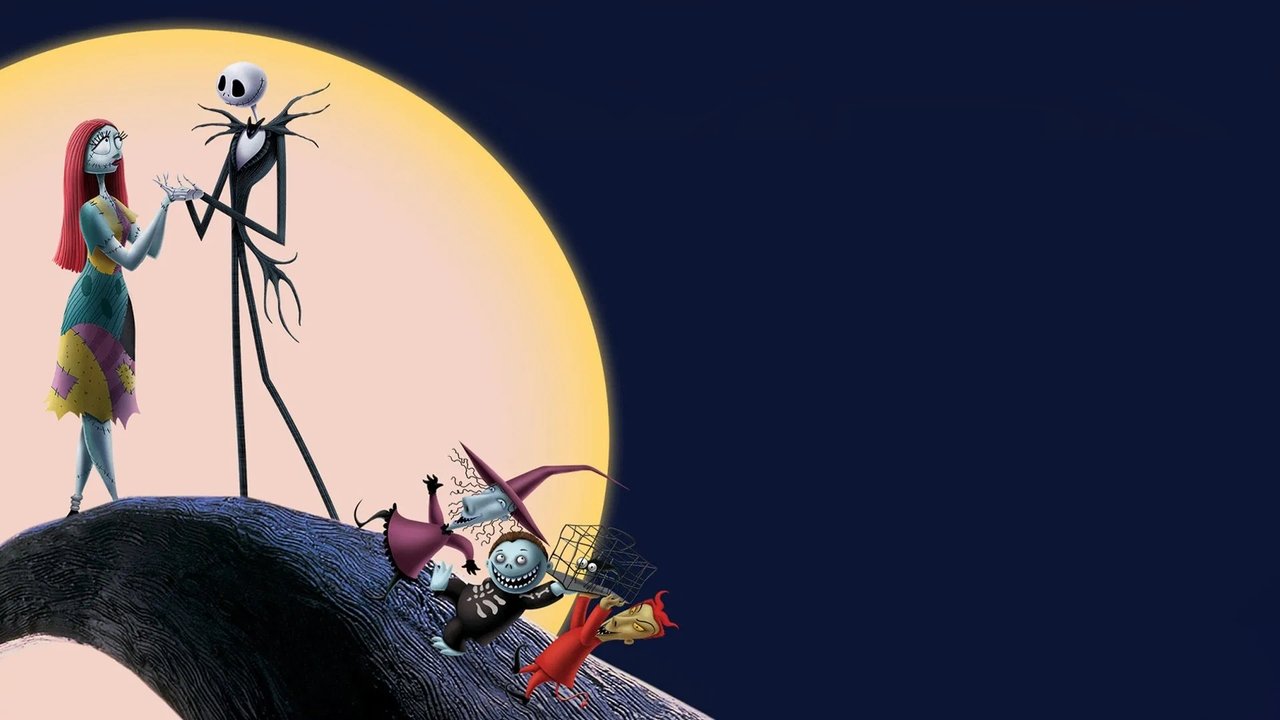
The journey of The Nightmare Before Christmas from a "successful-but-weird" release to a global cult phenomenon is a fascinating bit of film history. It didn't explode overnight; it grew through the 90s on VHS and DVD. Apparently, the production was so labor-intensive that one minute of footage took an entire week to film. You can see that sweat on the screen. There’s a scene where Jack is standing in a graveyard, and the wind is blowing through his spindly limbs; in 1993, that wasn't a "wind" filter in a program—that was someone meticulously posing a tiny puppet to look like it was caught in a breeze.
Fans have obsessed over the details for decades. Did you know that there’s a hidden Mickey on the "Christmas" side of the holiday woods? Or that Danny Elfman actually wrote the songs before there was even a script, based solely on his conversations with producer Tim Burton? That’s why the music feels so baked into the DNA of the story—it is the story. The film's legacy is so strong that Disney eventually stopped being scared and fully embraced Jack as a mascot, even giving the Haunted Mansion a seasonal "Nightmare" makeover every year.
What strikes me most reassessing this film now is how short it is—only 76 minutes. In an era where every blockbuster feels the need to be a three-hour endurance test, Nightmare is a model of efficiency. Every frame serves a purpose. Every song advances the plot. It’s a lean, mean, spooky machine that manages to be both a Halloween classic and a Christmas staple without ever feeling like it’s pandering to either.
Ultimately, The Nightmare Before Christmas succeeds because it understands that the holidays aren't just about joy or scares—they’re about the desperate human need to belong. Whether you’re a skeleton trying to wear a red hat or a ragdoll trying to find her own voice, the film speaks to the "outsider" in everyone. It is a visually stunning, musically soaring achievement that has aged like a fine, spooky wine. If you haven't seen it in a while, give it a rewatch. Just maybe skip the itchy wool sweater.
Keep Exploring...
-
Coraline
2009
-
James and the Giant Peach
1996
-
Porco Rosso
1992
-
Anastasia
1997
-
Hercules
1997
-
Beauty and the Beast
1991
-

Aladdin
1992
-
Matilda
1996
-

The Emperor's New Groove
2000
-
The Road to El Dorado
2000
-
Treasure Planet
2002
-

Sinbad: Legend of the Seven Seas
2003
-
A Christmas Carol
2009
-
The Princess and the Frog
2009
-
Brave
2012
-
Rise of the Guardians
2012
-
The Book of Life
2014
-
Corpse Bride
2005
-

The Cat Returns
2002
-
Wolf Children
2012