The Pelican Brief
"One theory. Two stars. Nowhere to hide."
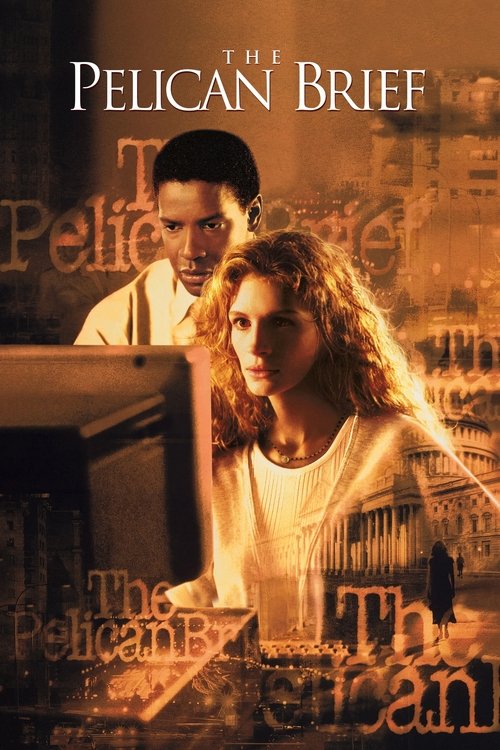
In 1993, you couldn’t walk through an airport, a grocery store, or a doctor's waiting room without seeing that iconic, chunky font on a silver-and-black paperback. John Grisham wasn’t just an author; he was a one-man content factory before that term became a corporate slur. The Pelican Brief arrived right at the fever pitch of this legal-thriller mania, sandwiched between The Firm and The Client. Looking back, it feels like the ultimate "Dad Movie," but I mean 그게 (geuge) in the most complimentary way possible. It’s a movie that trusts its audience to follow a paper trail without needing a superhero to punch a hole through a building every twenty minutes.
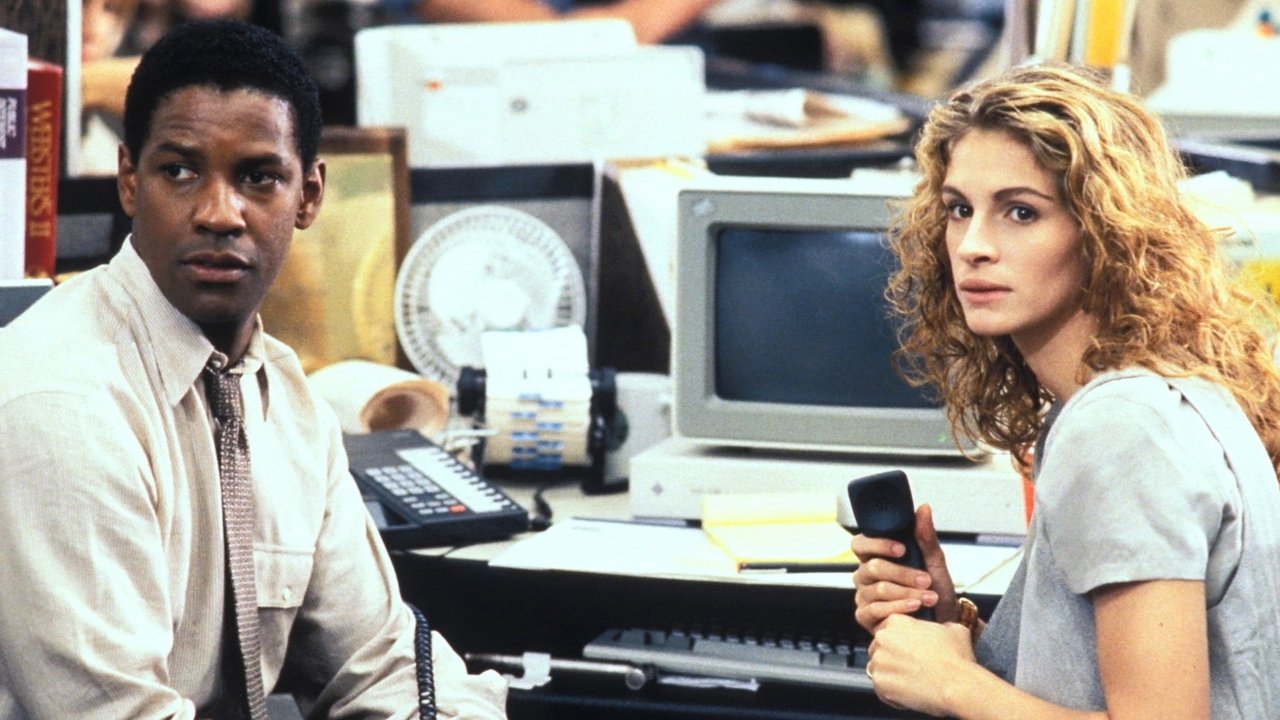
I recently revisited this on a DVD I found at a thrift store that still had a "Be Kind, Rewind" sticker on the plastic case—which makes zero sense for a disc, but felt spiritually correct for a movie that defines the mid-90s rental experience.
The Grisham Industrial Complex
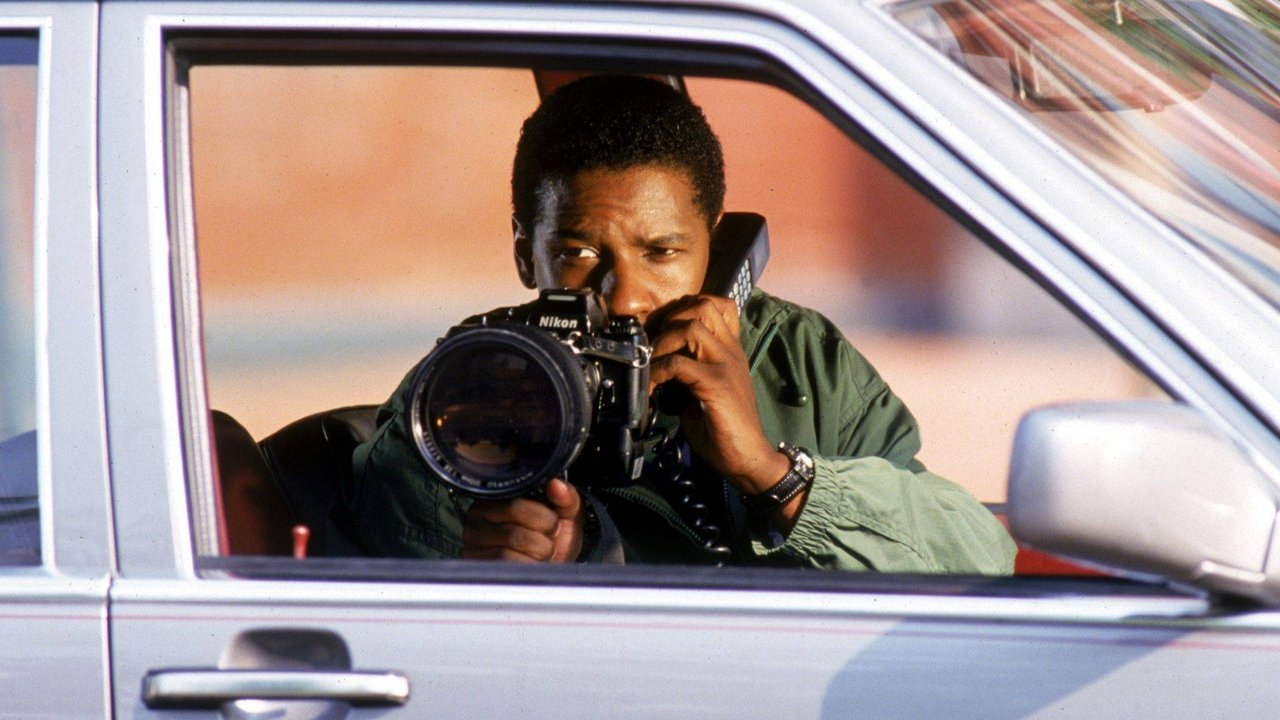
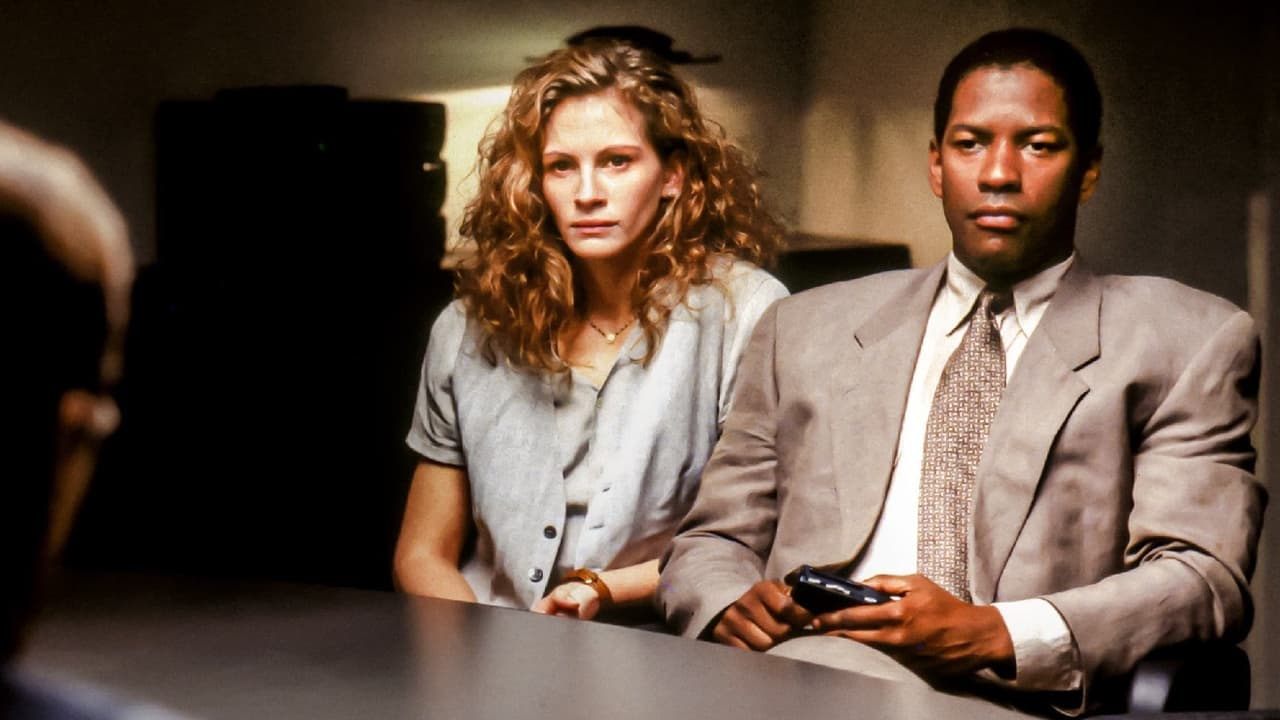
The plot is classic Pakula paranoia: Julia Roberts plays Darby Shaw, a law student who writes a "what if?" brief about the assassination of two Supreme Court justices. She’s not a spy or an assassin; she’s just a smart kid who spent too much time in the library. Her theory happens to be right, and suddenly, everyone around her starts exploding. She teams up with Gray Grantham, played by Denzel Washington, a reporter who smells a Pulitzer in the midst of the carnage.
What strikes me now is how patient the storytelling is. Alan J. Pakula was the man who gave us All the President’s Men (1976), and you can feel that DNA here. He treats the shadows of Washington D.C. with a heavy, oppressive reverence. There’s a scene where Darby is hiding in a hotel room, and the way the light hits the blinds makes it feel like the walls are closing in. It’s a reminder of a time when thrillers relied on "the slow burn" rather than "the fast cut." In an era where we're used to digital perfection, the grainy, atmospheric cinematography by Stephen Goldblatt (who also shot Lethal Weapon) gives the movie a tactile, sweaty reality that CGI just can’t replicate.
Powerhouse Chemistry (Without the Spit)
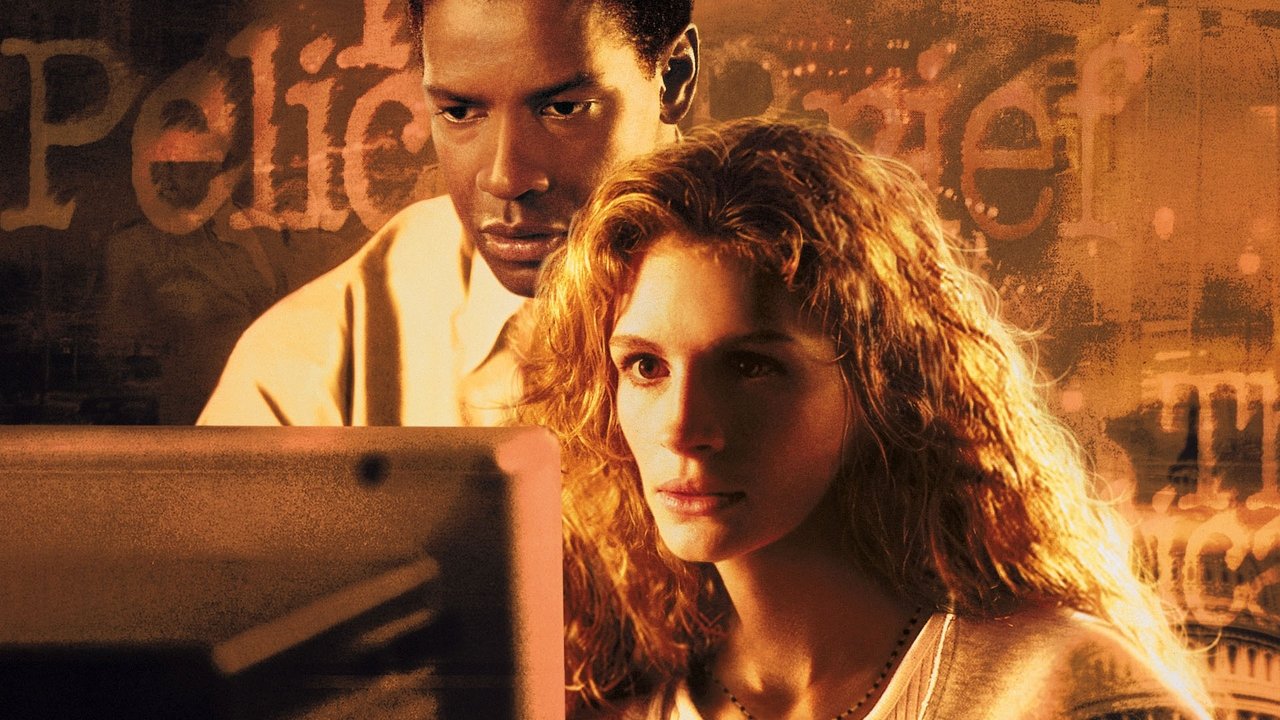
Let’s talk about the elephant in the room: the chemistry. Denzel Washington and Julia Roberts were arguably the two biggest movie stars on the planet in 1993. Putting them together was like a celestial alignment. Denzel Washington could make a reading of a grocery list feel like a matter of national security, and here he’s at his peak—composed, intellectual, and effortlessly cool. Julia Roberts, meanwhile, sheds the Pretty Woman (1990) glamour for something much more jittery and grounded.
Interestingly, there’s no romance. They don't even kiss. At the time, this was a massive point of watercooler gossip. Rumor has it Denzel requested the removal of a romantic subplot to remain loyal to his core audience, but honestly? It works better this way. Their relationship is built on professional respect and mutual survival. It makes the stakes feel higher because they aren't distracted by a B-plot love story while people are literally trying to car-bomb them.
The supporting cast is a "Who’s Who" of 90s character actors. You’ve got Sam Shepard being rugged, John Heard being stressed, and Tony Goldwyn—years before Scandal—playing a White House Chief of Staff so oily you feel like you need a shower after his scenes.
The $195 Million Paper Trail
From a "Popcornizer" perspective, The Pelican Brief is a fascinating case study in blockbuster success. It had a $45 million budget—huge for a drama at the time—and it raked in over $195 million worldwide. Think about that: a movie about a legal brief out-earned almost everything else that year. It captured a very specific Y2K-adjacent anxiety—the idea that the government is a labyrinth of secret interests and that the only person who can save us is a persistent journalist and a library card.
The production was massive, filming across D.C. and New Orleans, and you can see every dollar on the screen. James Horner’s score is doing some heavy lifting here, too. He uses these sharp, staccato piano notes that mimic the sound of a typewriter, keeping your heart rate up even when the characters are just looking at microfiche.
One of my favorite bits of trivia is that Julia Roberts actually hand-picked Pakula to direct because she was such a fan of his work. It was a savvy move that elevated the material from a standard airport thriller to something that felt like "Cinema" with a capital C. It’s also worth noting that Denzel reportedly turned down the role of Detective David Mills in Seven (1995) to do this movie. While we might mourn what he could have done with "What's in the box?!", his presence here is what makes the movie a classic.
The Pelican Brief is a high-water mark for the polished, adult-oriented thriller that Hollywood mostly stopped making once the superhero gold rush began. It’s long, it’s dense, and the "brief" itself is basically a high-stakes fan-fiction theory that accidentally hits the bullseye, but it’s undeniably gripping. It’s the kind of movie that makes you want to wear a trench coat and meet a stranger in a parking garage at 2:00 AM. If you’re looking for a dose of 90s nostalgia that actually respects your intelligence, this is the one to grab. It’s a reminder that sometimes, the most dangerous thing in the world isn't a gun—it's a smart person who knows how to read between the lines.
Keep Exploring...
-

The Devil's Own
1997
-
Cape Fear
1991
-
Patriot Games
1992
-
A Perfect World
1993
-
In the Line of Fire
1993
-
The Net
1995
-
A Time to Kill
1996
-
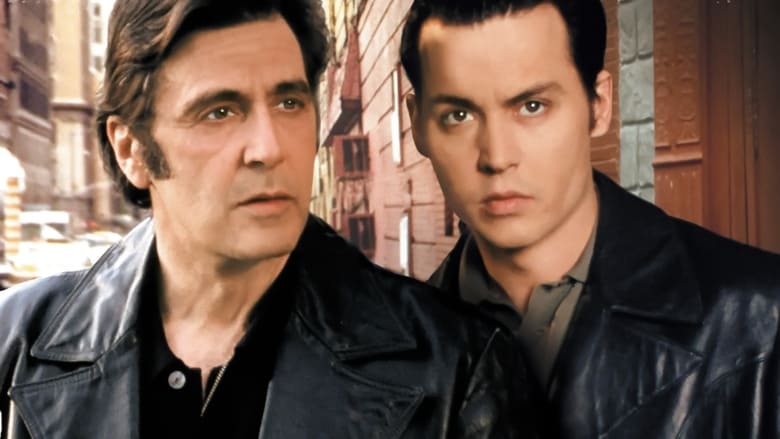
Donnie Brasco
1997
-
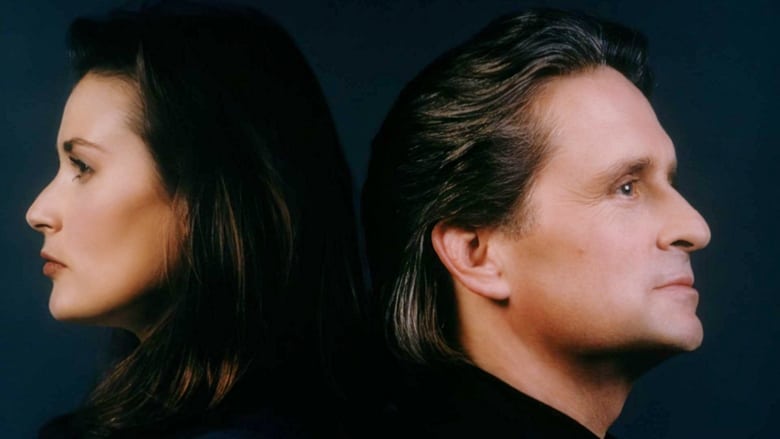
Disclosure
1994
-
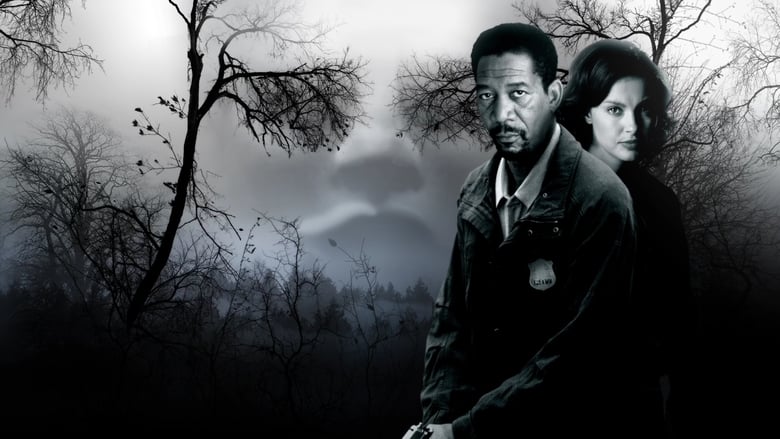
Kiss the Girls
1997
-

Sleeping with the Enemy
1991
-
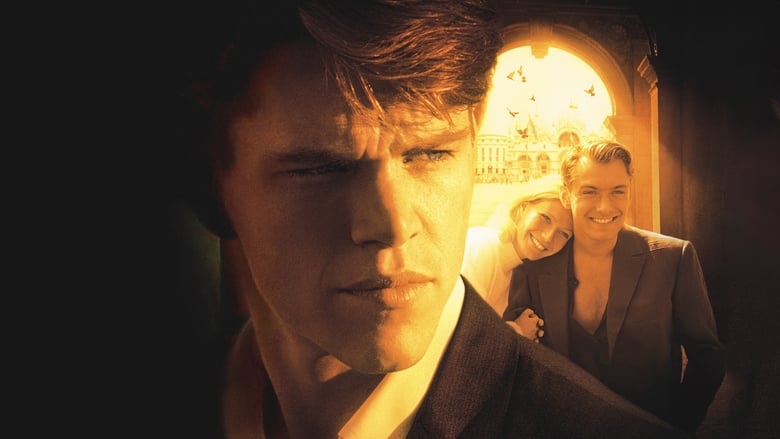
The Talented Mr. Ripley
1999
-

Traffic
2000
-
Panic Room
2002
-
The Exorcism of Emily Rose
2005
-

Inside Man
2006
-
Vantage Point
2008
-
The Town
2010
-
Ghost
1990
-

Miller's Crossing
1990