The Piano
"A silent woman, a wild coast, and a dangerous bargain."
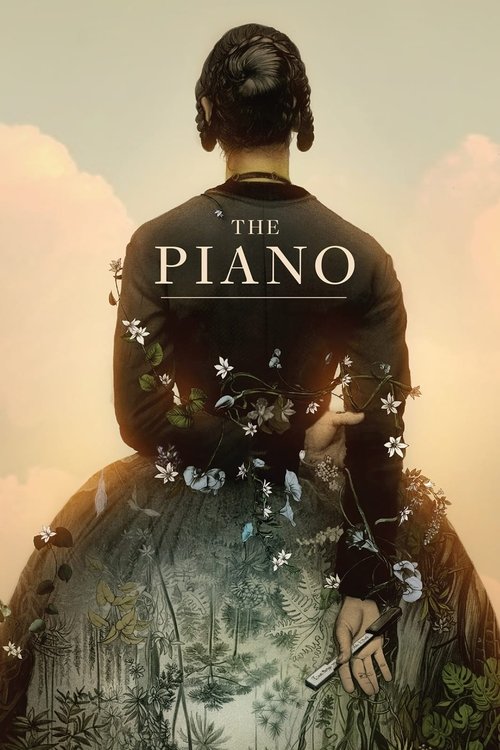
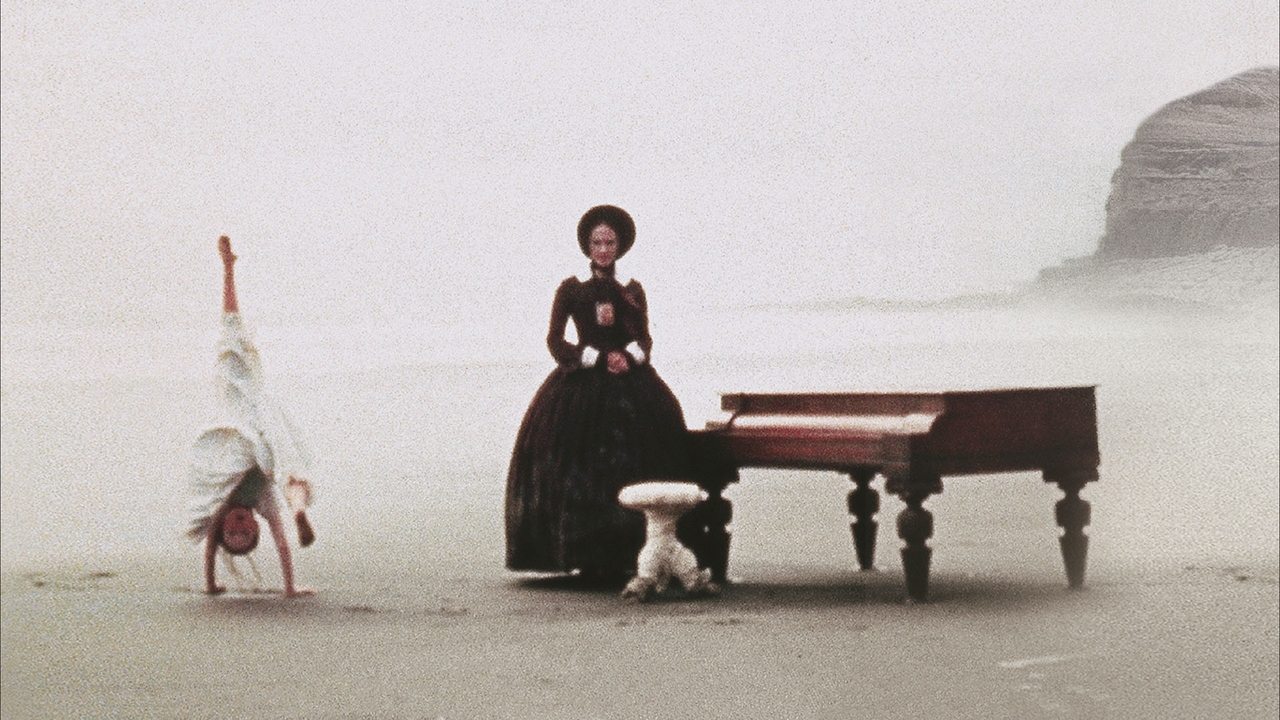
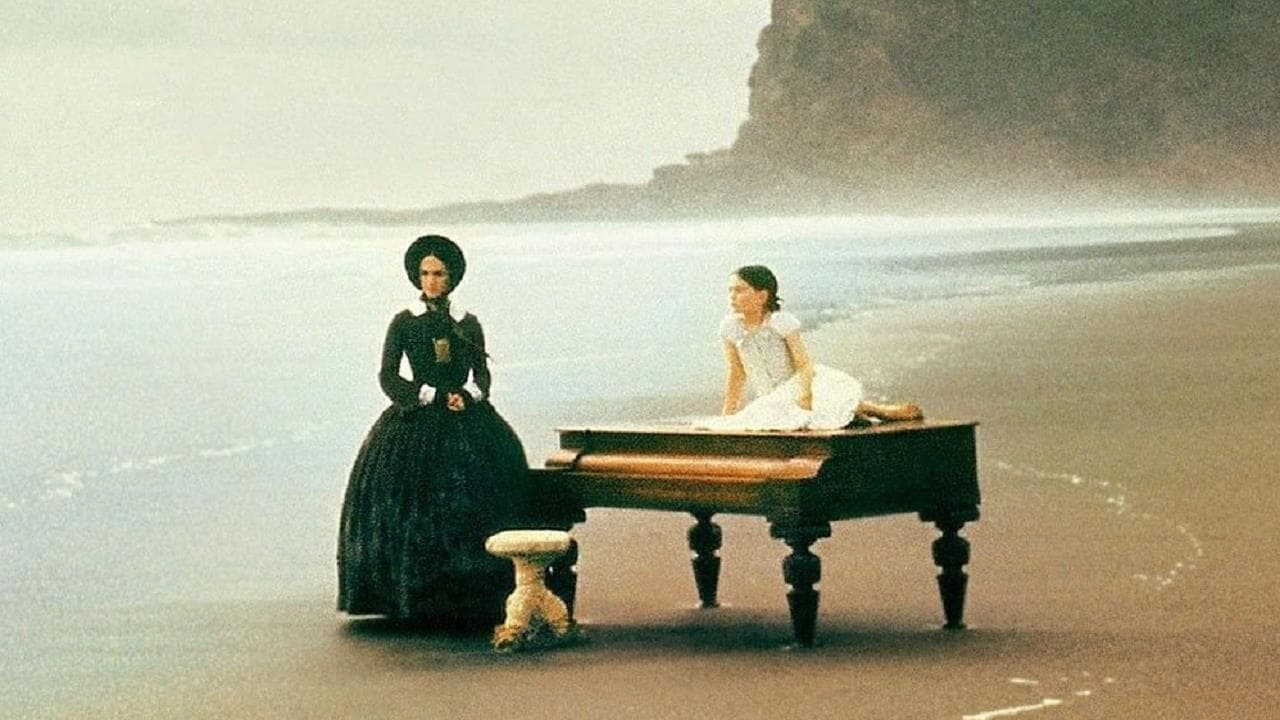
A grand piano sitting alone on a desolate, charcoal-colored beach is an image that has lived in my head since 1993. It’s absurd, beautiful, and deeply lonely—much like Ada McGrath herself. When Jane Campion’s The Piano first arrived, it felt like a transmission from another planet, or at least a corner of the 19th century that cinema hadn't bothered to visit before. It wasn't the polite, tea-sipping Victoriana of Merchant Ivory; it was a film made of mud, sea spray, and repressed eroticism. I remember watching this for the first time on a flickering CRT television while eating a bowl of cold cereal, and even through the low-res fuzz, the sheer physicality of the film made me feel like I needed to go wash the New Zealand grit off my shins.
The Voice in the Keys
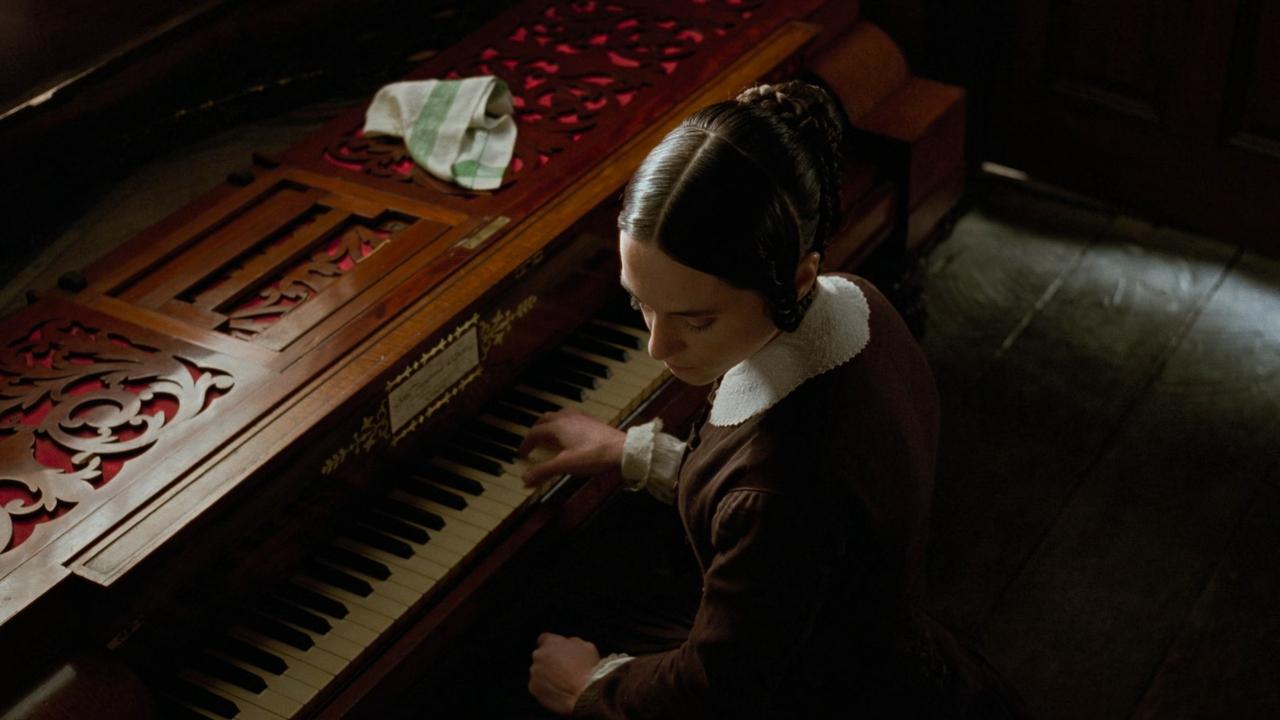
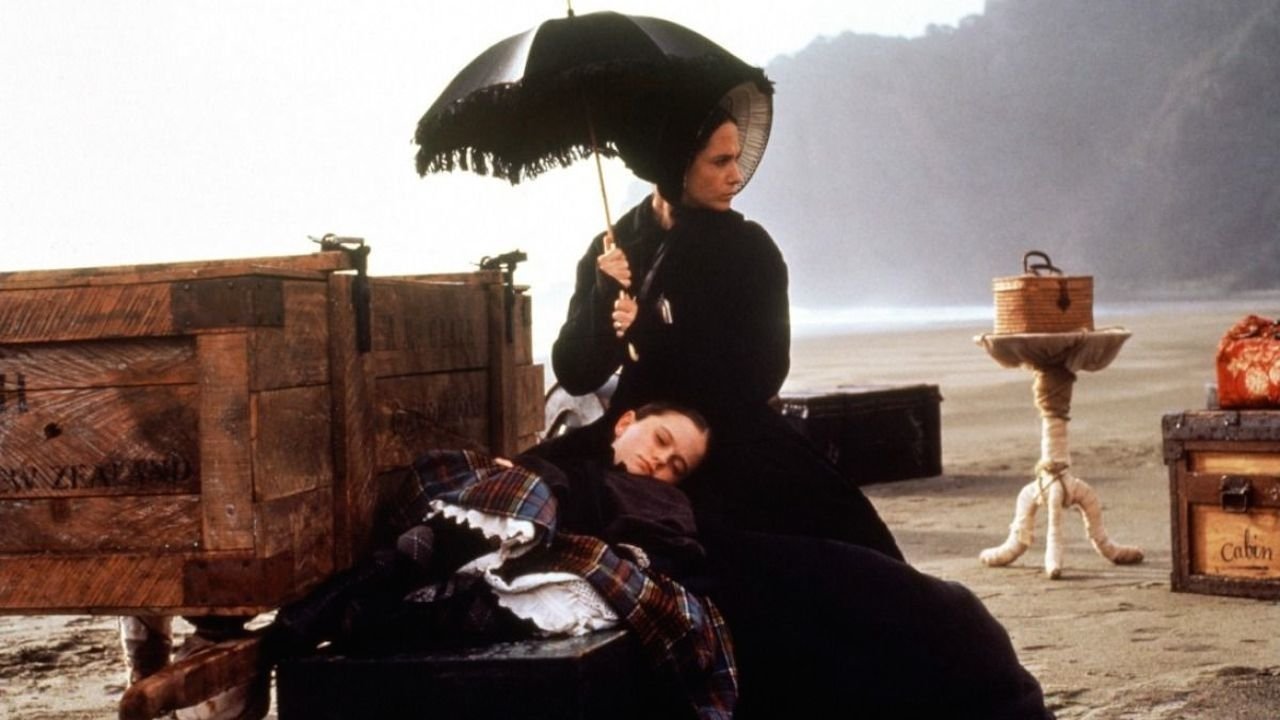
At the heart of the film is Holly Hunter as Ada, a woman who hasn't spoken a word since she was six. She arrives in the colonial wilderness of New Zealand with her young daughter, Flora (played by a precocious, pre-stardom Anna Paquin), to marry a man she’s never met. Ada doesn’t need words because she has her piano; it is her voice, her soul, and her primary mode of resistance. When her new husband, Alisdair Stewart (Sam Neill), refuses to haul the heavy instrument through the bush and abandons it on the shore, he isn't just leaving behind furniture—he's effectively lobotomizing his new wife.
Holly Hunter deserved every bit of her Best Actress Oscar for this. It is a performance of incredible precision. Without a single line of spoken dialogue (save for the opening narration), she communicates a fierce, almost terrifying internal will. Most period dramas are just well-tailored stiff-upper-lips, but this movie is a raw, bleeding nerve. Ada is not a victim; she’s a person with an inner life so loud it vibrates off the screen. Anna Paquin, only eleven at the time, is equally staggering as the daughter who serves as her mother’s translator and, occasionally, her most complex obstacle.
A Bargain in the Mud
The plot kicks into high gear when the rugged, tattooed neighbor, George Baines (Harvey Keitel), buys the piano from Stewart and strikes a scandalous deal with Ada. He’ll let her "earn" the piano back, key by key, through a series of increasingly intimate visits. On paper, it sounds like the setup for a trashy romance novel, but Jane Campion (who also wrote the screenplay) directs it with such a specific, feminine gaze that it becomes something far more interesting: a study of power and the awakening of desire.
Harvey Keitel is a fascinating choice here. Fresh off his hyper-masculine roles in Reservoir Dogs (1992) and Bad Lieutenant (1992), he brings a surprisingly tender, vulnerable energy to Baines. He’s a man who has "gone native," caught between the rigid structures of the British colonizers and the fluidity of the local Maori culture. His chemistry with Hunter is electric because it’s built on silence and touch. Meanwhile, Sam Neill plays the "villain" with a tragic, repressed dignity. He isn't a monster; he’s just a man who lacks the emotional vocabulary to understand the woman he bought.
The Texture of the Nineties
Looking back, The Piano represents a pivotal moment in the 90s indie film renaissance. This was the era where Miramax was turning "difficult" art-house films into box office gold, proving that audiences were hungry for something beyond the high-concept blockbusters of the 80s. It’s also a masterclass in craft. The cinematography by Stuart Dryburgh (who also lensed Dead Presidents) uses a blue-tinted, saturated palette that makes the New Zealand forest feel like an underwater dreamscape.
And then there’s the score. Michael Nyman’s "The Heart Asks Pleasure First" became the "Stairway to Heaven" of piano students everywhere. It’s a driving, minimalist masterpiece that captures Ada’s frantic internal energy. Turns out, Holly Hunter actually played the piano in the film herself, which adds a layer of authenticity you just don't get when an actor is clumsily faking it while a hand double does the work.

Interestingly, the film was a massive hit, raking in over $40 million on a $7 million budget—a feat that feels nearly impossible for a quiet, subtitled (via sign language) period drama in today's franchise-saturated market. It’s the kind of movie that rewards the "DVD culture" that followed its release; I spent hours pouring over the behind-the-scenes features on the special edition disc, learning about how they hauled those period costumes through actual swamps.
The film does have some elements that invite modern reassessment, particularly the portrayal of the Maori characters, who occasionally feel like a colorful backdrop to the European drama. However, Cliff Curtis makes a memorable early-career appearance as Mana, hinting at the depth that Campion would later explore more fully in her career.
Ultimately, The Piano is a film about the cost of expression. It’s a movie that understands that sometimes, to find your voice, you have to be willing to let your old self sink to the bottom of the ocean. It’s haunting, beautiful, and a little bit dangerous—exactly what great cinema should be._
Keep Exploring...
-
Batman: Mask of the Phantasm
1993
-
The Age of Innocence
1993
-
The Remains of the Day
1993
-
It Could Happen to You
1994
-
Little Women
1994
-
The Quick and the Dead
1995
-
Breaking the Waves
1996
-
That Thing You Do!
1996
-
EverAfter
1998
-
Sliding Doors
1998
-

Only Yesterday
1991
-
Ocean Waves
1993
-

Three Colors: Red
1994
-
Lolita
1997
-
Blast from the Past
1999
-
The Thomas Crown Affair
1999
-
The Piano Teacher
2001
-
Y Tu Mamá También
2001
-
Confessions of a Dangerous Mind
2002
-
Talk to Her
2002