The Remains of the Day
"The loudest silence in cinema history."
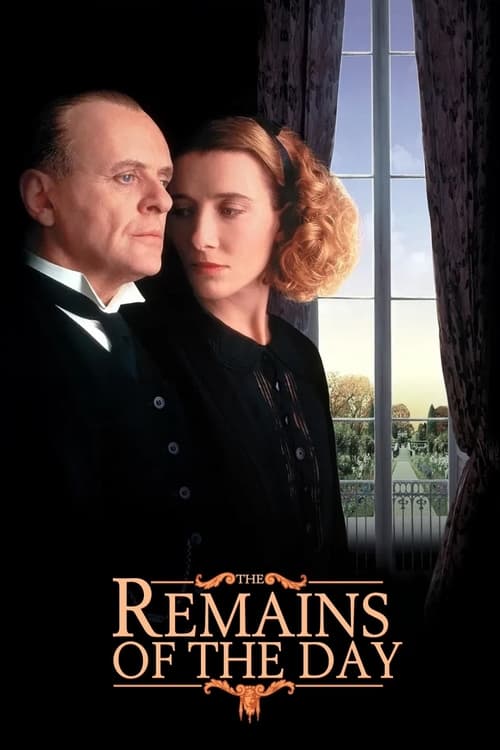
I remember watching this film for the first time on a grainy VHS tape while eating a slightly stale digestive biscuit that I’m convinced was older than the movie itself. At the time, I thought I was in for a "stuffy" period piece—the kind of movie your history teacher suggests when they have a hangover. Instead, I found a film that felt more like a psychological thriller than a drawing-room drama. It’s a movie about the horror of a life lived perfectly, and it has haunted my peripheral vision ever since.
The Majesty of the Unsaid
The Remains of the Day is often lumped in with the "prestige" boom of the early 90s, a time when James Ivory and producer Ismail Merchant were the undisputed kings of the Sunday-afternoon-tea aesthetic. But looking back at it now, in an era where every cinematic emotion is shouted through a megaphone, there is something radical about its restraint.
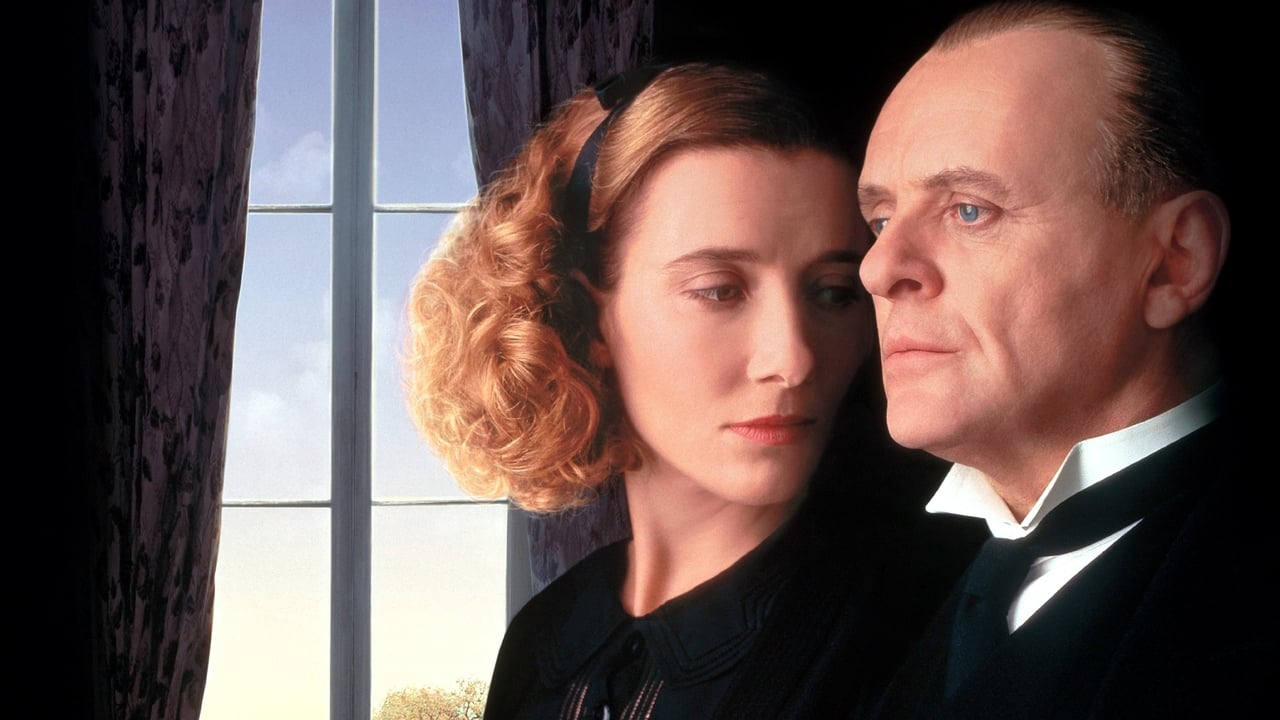
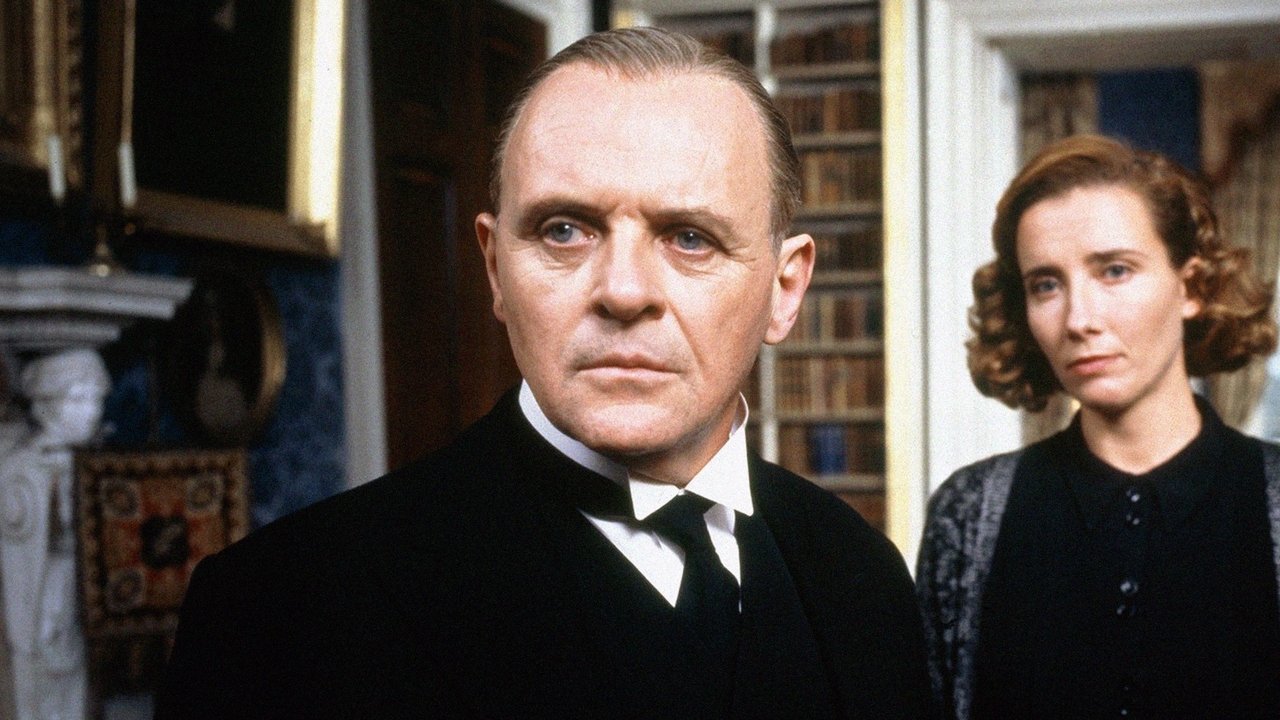
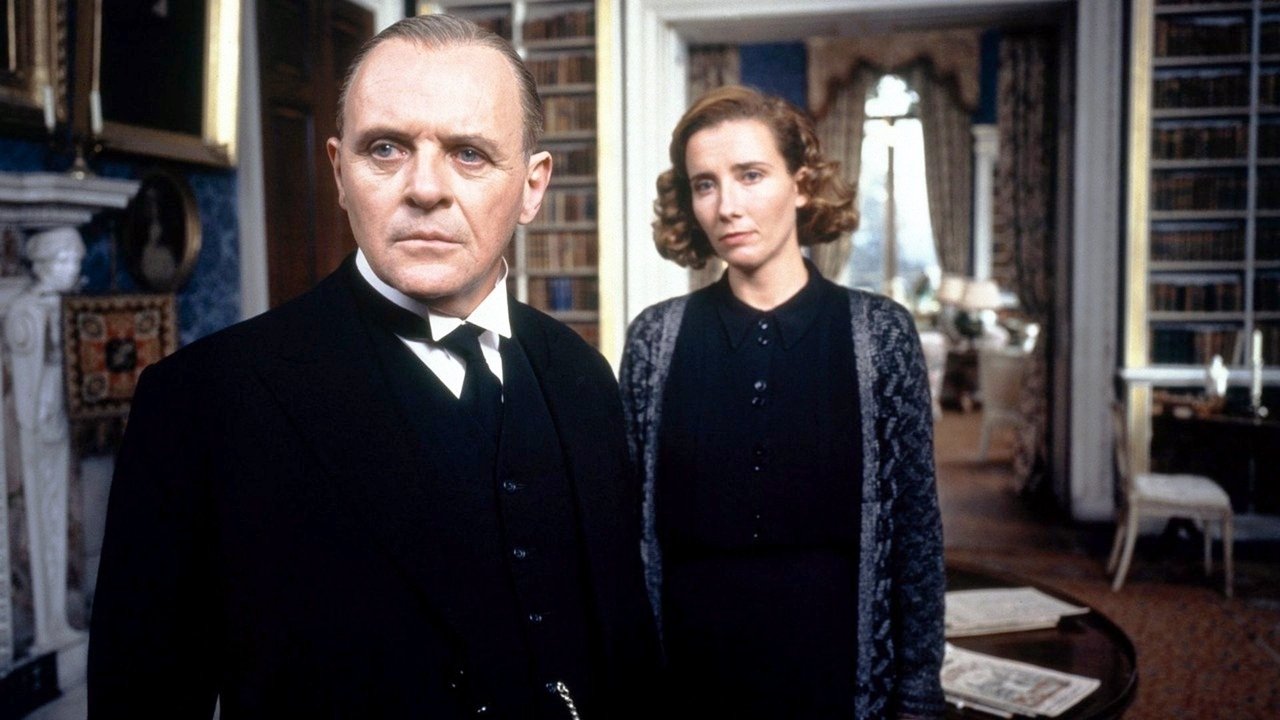
The story follows James Stevens (Anthony Hopkins), a butler who is so dedicated to his craft that he has essentially turned himself into a piece of furniture. When Miss Kenton (Emma Thompson) arrives as the new housekeeper, she brings a spark of humanity that threatens to crack Stevens’ porcelain exterior.
What makes this work so well isn’t the plot—which is essentially "man drives a car and thinks about his failures"—but the agonizing tension between what is felt and what is permitted. Anthony Hopkins delivers a performance that I genuinely believe is superior to his turn in The Silence of the Lambs. While Hannibal Lecter was all flamboyant menace, Stevens is a man performing a high-wire act of repression. He treats a stray emotion with the same professional disgust he’d give a smudge on a silver gravy boat.
A House Divided by Decorum
The film’s genius lies in how it mirrors Stevens’ internal world with the external politics of the 1930s. His employer, Lord Darlington (James Fox), is a "good man" whose obsession with gentlemanly fair play leads him directly into the arms of the Nazi party. It’s a brutal critique of the British class system: the idea that "knowing one's place" and "staying out of it" isn't a virtue, but a form of moral cowardice.
I was struck by how Christopher Reeve (post-Superman but pre-accident) and a young, stuttering Hugh Grant pop up in the supporting cast. Christopher Reeve plays a US Congressman who serves as the film’s moral compass, calling out the "amateurism" of the British aristocracy. Seeing him stand toe-to-toe with the British elite is a reminder of how much screen presence he actually had outside of the spandex.
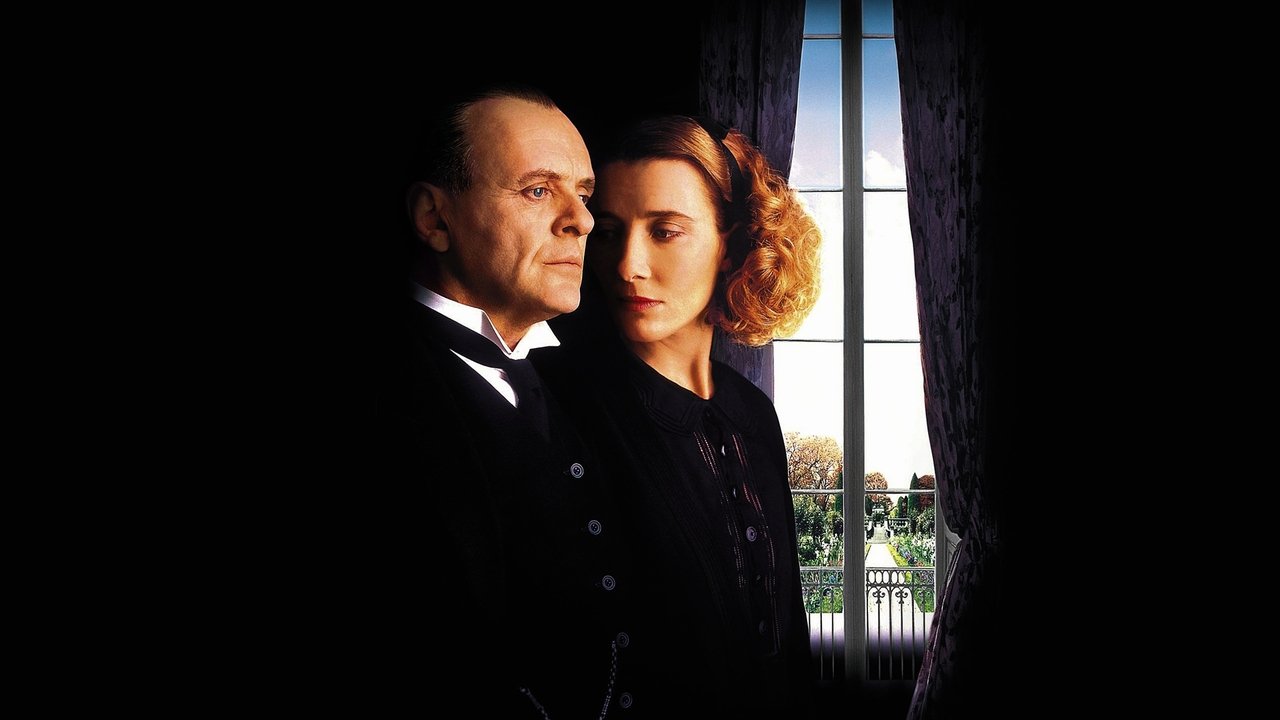
The cinematography by Tony Pierce-Roberts doesn't just show off the sprawling Darlington Hall; it uses the house as a cage. There are so many shots of Stevens looking through glass, standing in doorways, or framed by narrow hallways. He is a man who has built his own prison out of etiquette.
Why This "Quiet" Movie Screams Today
In the context of the 1990s, this was a massive hit for a drama, but today it feels like one of those "half-forgotten oddities" that people recognize by name but haven't actually sat down to experience. It’s a tragedy of the highest order because it’s so relatable. Who hasn't looked back at a moment in their life and realized they were so busy "doing things right" that they forgot to actually live?
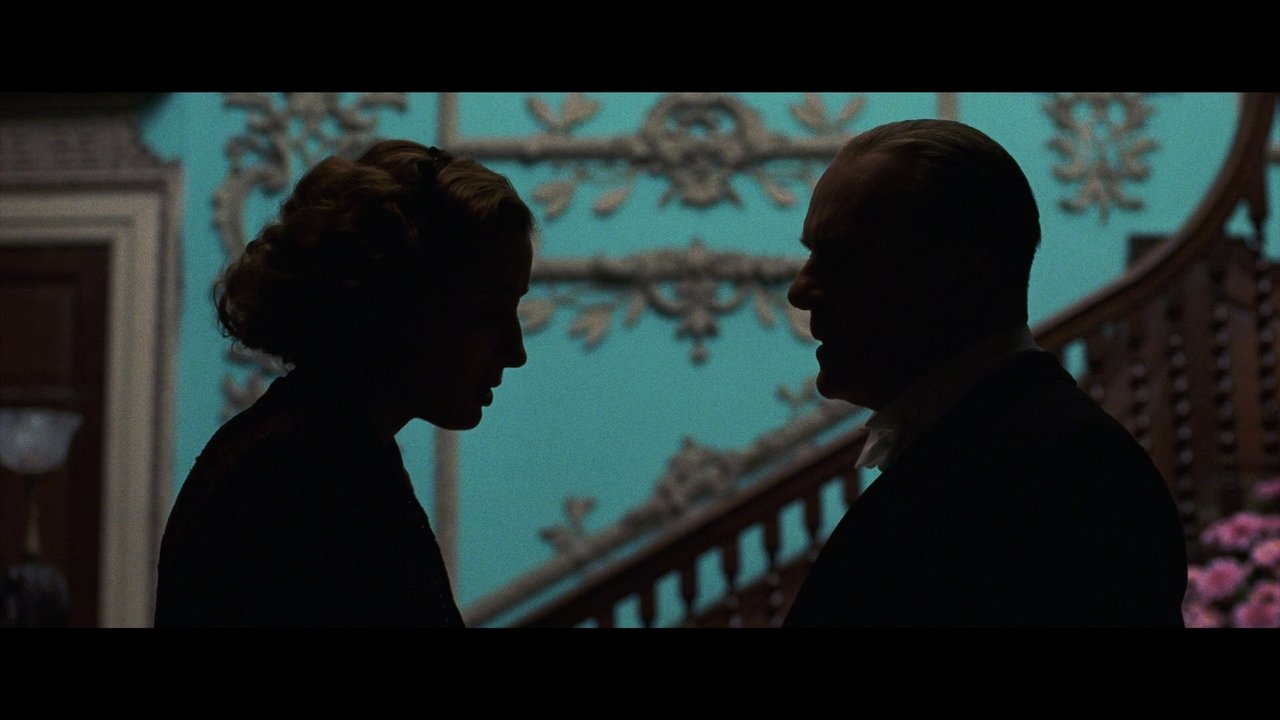
There’s a scene near the end involving a park bench and some flickering lights that is the most romantic movie moment ever filmed where the leads barely touch, and that’s objectively terrifying. It’s a testament to the script by Ruth Prawer Jhabvala that she can make a conversation about a misplaced book feel like a heart-stabbing betrayal.
If you’re a fan of the DVD culture that peaked a decade after this came out, I highly recommend tracking down the Special Edition. The behind-the-scenes trivia reveals that Anthony Hopkins actually met with real-life butlers to learn the "professional" way to stand and walk. Apparently, he learned that a butler should never be "heard" entering a room—a philosophy he applied to his entire performance. It’s also fascinating to learn that Mike Nichols (the man behind The Graduate) was originally set to direct, which might explain why the film feels sharper and more cynical than your average "bonnet drama."
The Remains of the Day is a masterpiece of the "invisible." It captures the transition of the early 90s where cinema was still deeply invested in the power of the face and the word, before CGI spectacles became the only way to tell a "big" story. It’s a film about a man who realized too late that duty is a cold companion. Watch it on a quiet evening, skip the stale biscuits, and prepare to be devastated by the simple act of a man putting on a coat.
Keep Exploring...
-

EverAfter
1998
-

Batman: Mask of the Phantasm
1993
-
The Age of Innocence
1993
-
It Could Happen to You
1994
-
Little Women
1994
-
The Quick and the Dead
1995
-
That Thing You Do!
1996
-
An Education
2009
-
The Edge
1997
-

The Piano
1993
-
Breaking the Waves
1996
-
Lolita
1997
-
Sliding Doors
1998
-
The Duchess
2008
-
Blast from the Past
1999
-
The Thomas Crown Affair
1999
-
Confessions of a Dangerous Mind
2002
-
Broken Flowers
2005
-
The New World
2005
-
The Sisterhood of the Traveling Pants
2005